


Yesterday I attended a screening of Quatre nuits d’un rêveur (Four Nights of a Dreamer), by the French auteur Robert Bresson, in a theatre with some twenty-five other people. It is always a pleasure to see niche cinema of that era back on the silver screen, and to take it in alongside other discerning people.
The moment I read the synopsis I knew it was adapted from White Nights, Dostoevsky’s classic. A piece that appeals to me, and in its original form never quite made sense to me. Nor did Visconti’s 1957 film, with Marcello Mastroianni. Bresson’s interpretation resonates with me far more.
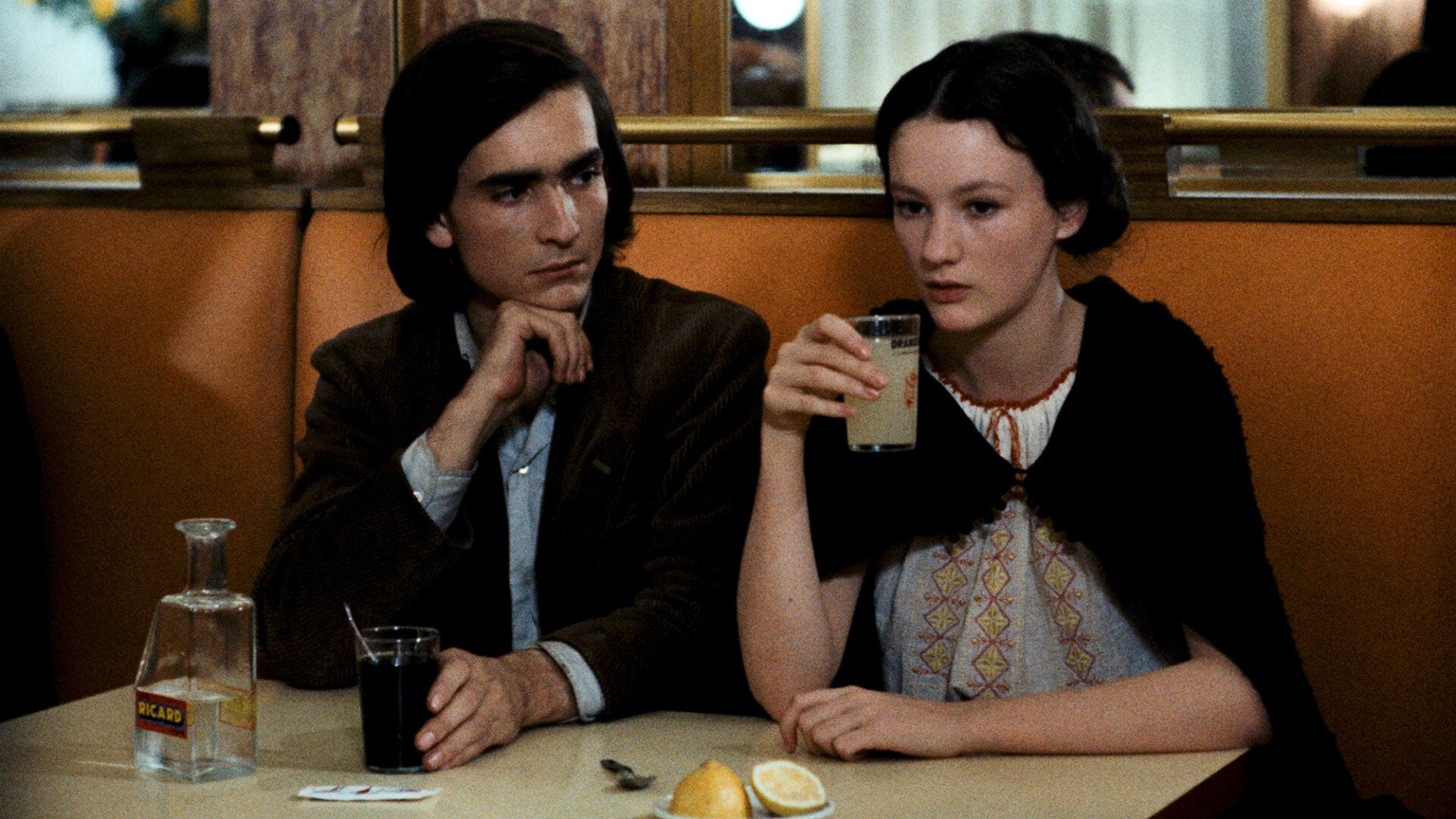
A man and a woman. A classic context.
The man is deeply in love and does so much for the other, with the unspoken idea that she will eventually return the feeling.
(Spoiler alert.)
She does, in a way. But it is not the passionate love she had with her old affair. And the man is left with a broken heart.
That, at least, is how I read Dostoevsky, in his emotionally weighted words. Bresson tells it differently.
The story remains the same. So does the ending, that punch in the gut, when the woman instinctively walks out of his arms and toward the other man, under the white night’s moonlight. In the theatre I heard many gasps. And I knew exactly how that feels.
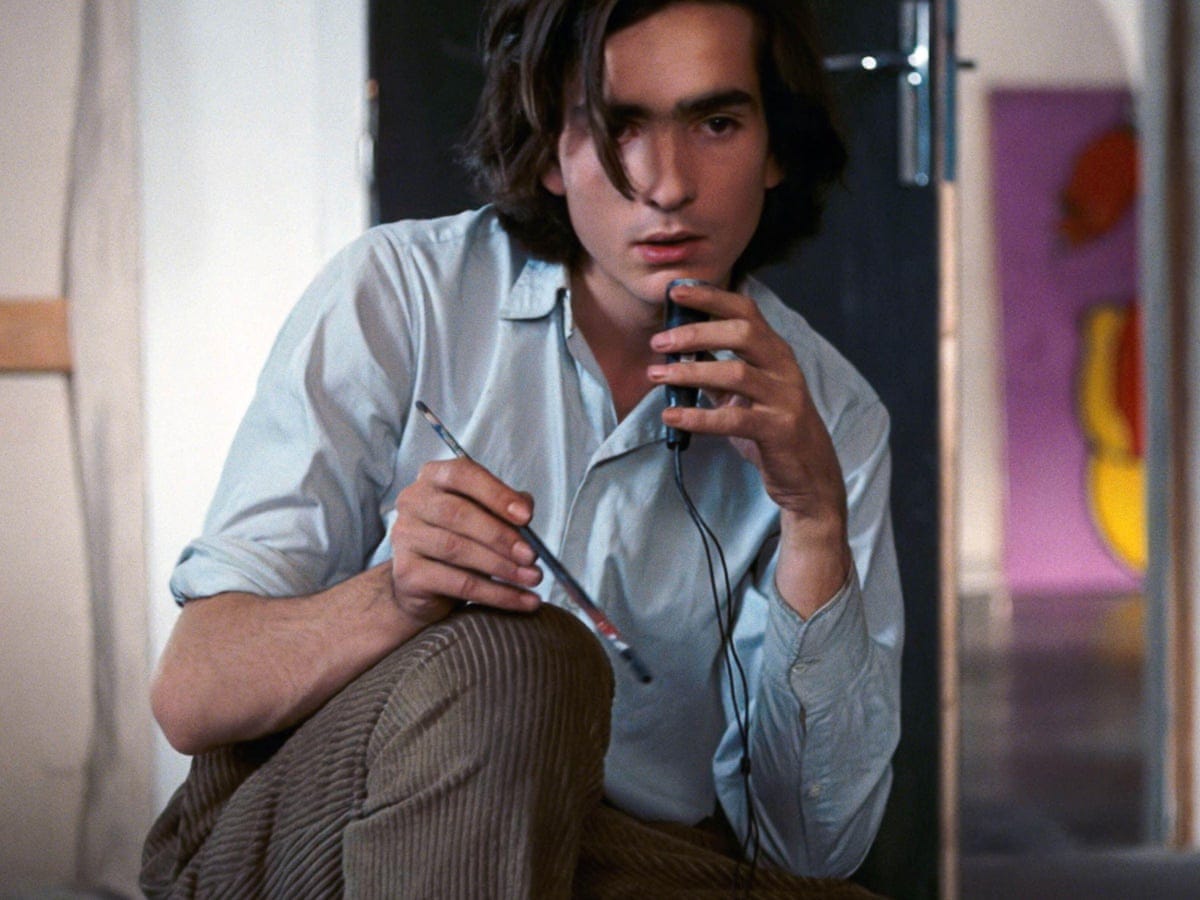
But Jacques, Bresson’s protagonist, does not break down. He is not emotionally expressive the way Mastroianni is in Visconti’s version.
After the image that broke his heart, he simply returns to his life. To his routine. To his calling: painting fine art as usual, even as the art world moves toward the contemporary, even with his heart shattered. (He keeps a coping protocol of his own, recording his voice and telling the story in his own version.)
A very ordinary reaction, and the one that keeps a person sane.
Which led me to realise how different it is between a person who attaches their identity to another person, and one who attaches it to their purpose.
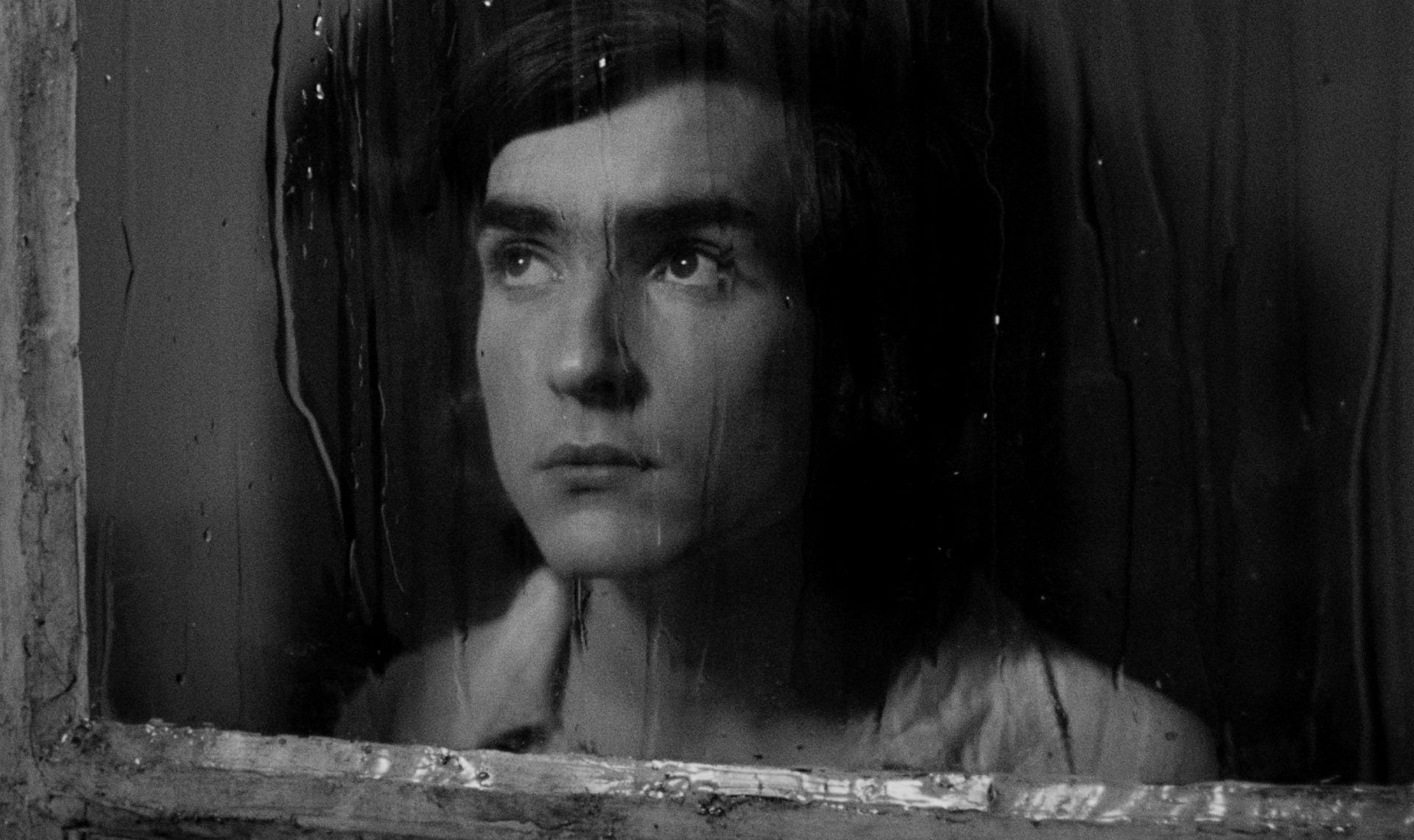
Over the past few years I have been exposed to many ideas on how to live a simple, peaceful life without feeling like an empty shell. And most of them return, in the end, to the same place: your own self.
There is a line from Cary Grant, whatever the complexity between his old self and his ideal one:
“My formula for life is very simple. In the morning, wake up. At night, go to sleep. In between, I try and occupy myself as best I can.”
As an advocate of humanism, I hold the conviction that a human life contains so much potential. Of course the circumstances weigh on you, on me, on all of us: the restrictions of social class, the inequality of resources and networks, the access limited to those born into privilege, the emotional burden of disappointment, especially in love.
But is it not more beautiful that, among all of that, life is still worth continuing in your own way?
Finding beauty in a film. In a combination of colours in a painting. Thinking about culture through clothing, and integrating it with one’s own style. Or the plainer act of integrity: taking the time to listen to your own soul, and to follow the direction it whispers.
That is what I would call an honest way of living.