


“Culture is no longer organized primarily by human editors, critics, teachers, or institutions—but by algorithms deciding relevance and visibility.” — Ted Striphas
Before I begin, take a moment and look around.
What do you see?
There is no single answer. Some of you may see an empty room filled with objects, like mine. Others may see people passing by if you’re sitting in a café somewhere in the city.
But let me change the question:
When you pick up your phone—or any connected device—what do you see?
That, ladies and gentlemen, is the reality we are now living in. Not merely physical time and space, but a constant loop—an endless stream of information, a steady bombardment of stimuli, and continuous exposure to the curated lives of individuals across the globe.
This is what we might call algorithmic culture—a landscape where your attention is continuously shaped by machines.
Platforms like TikTok, Instagram, and YouTube are not neutral windows into reality. They are systems engineered to decide what deserves your attention next.
Every swipe, pause, like, and second of watch time becomes data. The system studies your behavior and feeds you more of what keeps you engaged. So while it feels like casual scrolling, what is actually happening is far more precise: a machine is learning how to hold your attention.
Over time, that process begins to influence what you notice, what you care about, and eventually, what you become interested in.
If you step back, three forces quietly shape this entire experience:
Constant exposure
Comparison
Casual consumption
First, there is constant exposure—the stream that never ends.
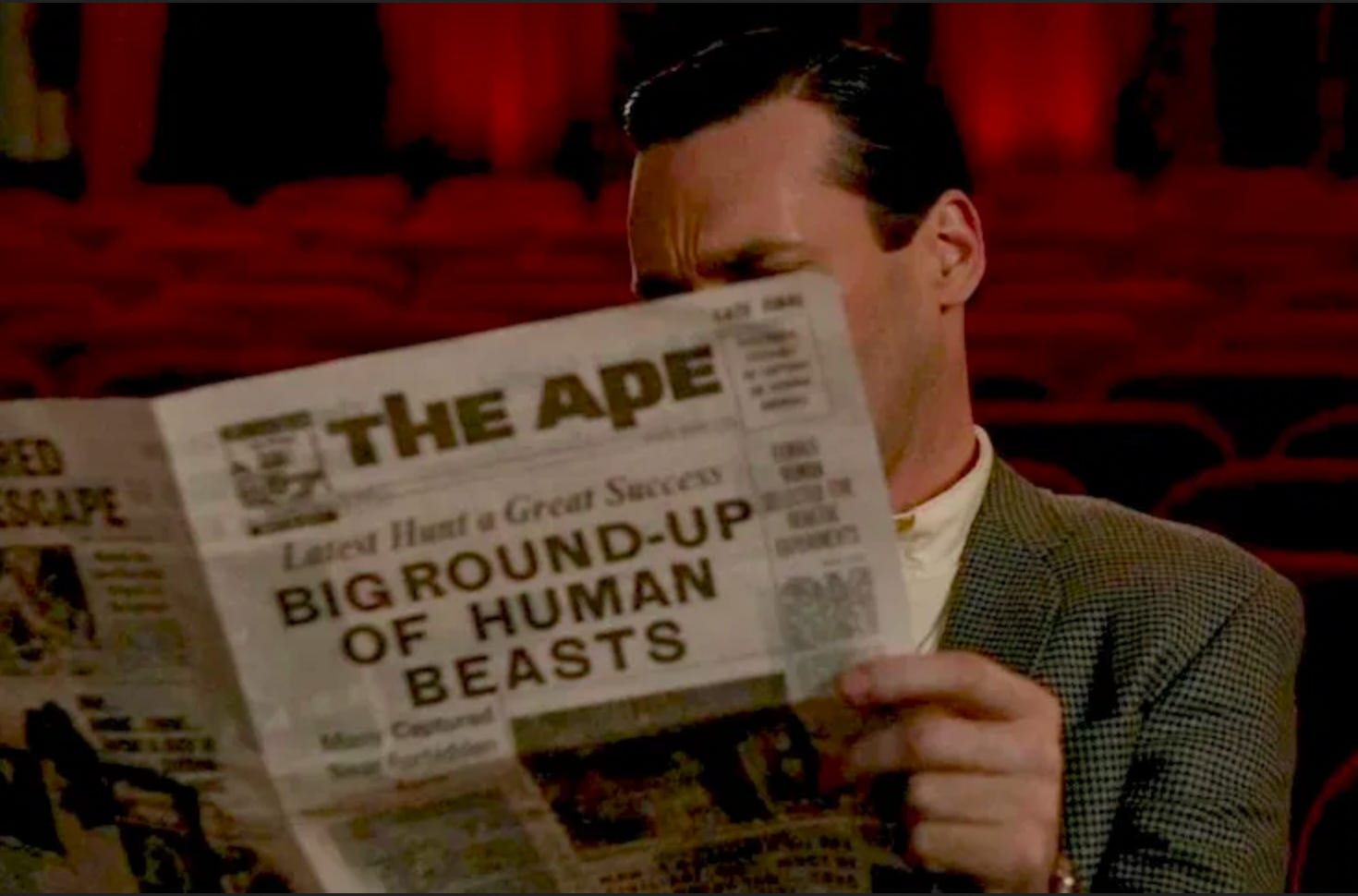
In older forms of media—books, television, radio, even newspapers—there were natural stopping points. You finished the page. The episode ended. The broadcast stopped.
Today, there is no such boundary.
You scroll, and something appears. Then something else. Then something else again. You never quite know what comes next—it might be dull, or it might be captivating. That uncertainty is precisely what keeps you engaged.
As a result, attention stops being something you deliberately direct and becomes something that reacts to whatever appears in front of you.
Then there is comparison, far more powerful than most people realize.
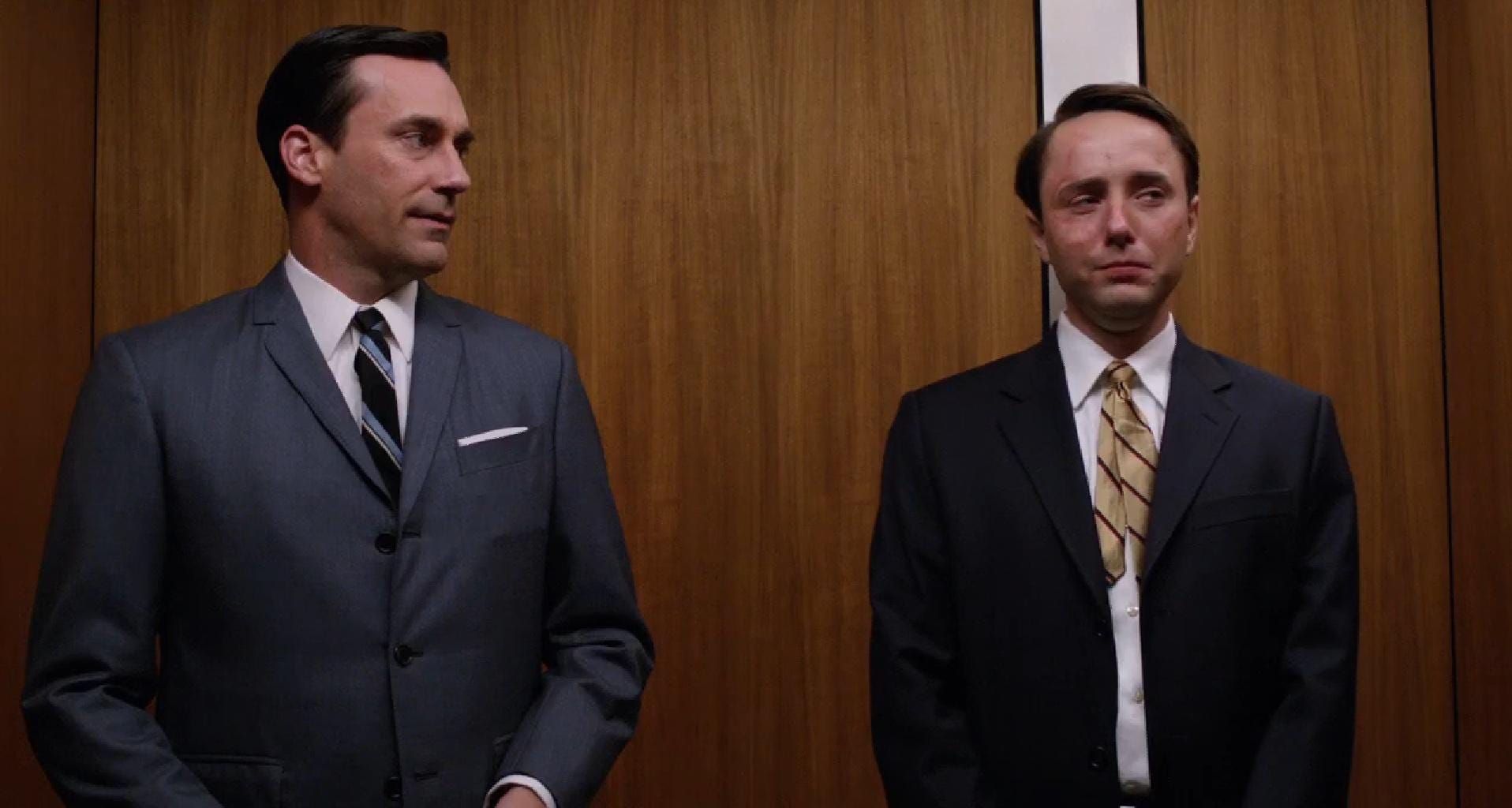
Humans have always compared themselves to others—it is part of how we understand our place in the social world. But historically, that comparison was limited: friends, family, colleagues.
Now, your mind is exposed to the most successful, attractive, wealthy, and productive individuals across the entire planet. And algorithms amplify these extremes because they capture attention.
On platforms like Instagram, what rises to the surface is rarely ordinary life—it is the highlight reel of human existence.
When you consume that repeatedly, your mind begins measuring your life against those exaggerated standards. This creates emotional responses—envy, admiration, ambition, insecurity—and those emotions keep you engaged.
Which, in turn, gives the system exactly what it needs to continue.
Finally, there is casual consumption.
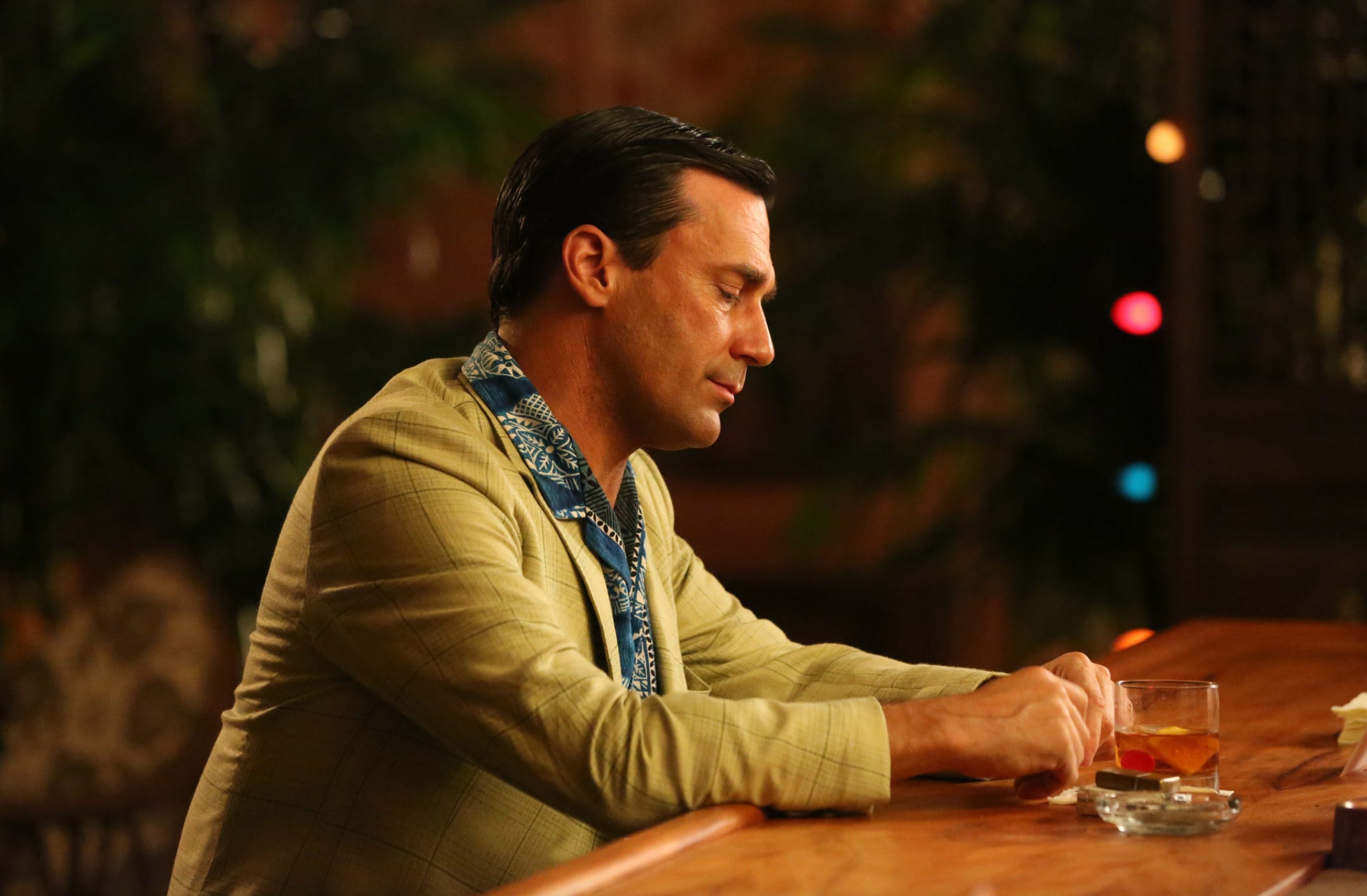
Modern content requires almost no effort. No preparation. No patience. No commitment. You glance at something for a few seconds and move on.
Historically, developing a genuine interest required effort—reading deeply, practicing consistently, studying over time. Now, within minutes, you can encounter dozens of topics: psychology, business, philosophy, fitness.
This accessibility is, in some ways, progress.
But it produces a subtle side effect: people develop many shallow curiosities, but very few deep interests.
Put these three forces together—constant exposure, comparison, and casual consumption—and you create one of the most powerful feedback loops the human mind has ever encountered.
The stream keeps your attention moving.
Comparison injects emotion.
Ease removes resistance.
Meanwhile, the algorithm observes every reaction and refines what it shows you next.
And here is the uncomfortable part:
Most people believe their interests are entirely their own—that they independently discovered what they like, what they care about, what they want to pursue.
But in a world shaped by algorithmic feeds, interests often emerge from repetition.
You see something again and again.
It becomes familiar.
Familiarity becomes curiosity.
Curiosity becomes identity.
Now, none of this means you have lost your freedom. You can still choose what to focus on. But it does mean that the environment surrounding your attention has fundamentally changed.
You are living inside a system designed to present stimuli, trigger comparison, and make engagement effortless.
So the real question is not whether algorithmic culture exists.
It clearly does.
The real question is much harder:
Are your interests truly yours—or are they the result of what the system keeps placing in front of you?
That is the question worth examining.
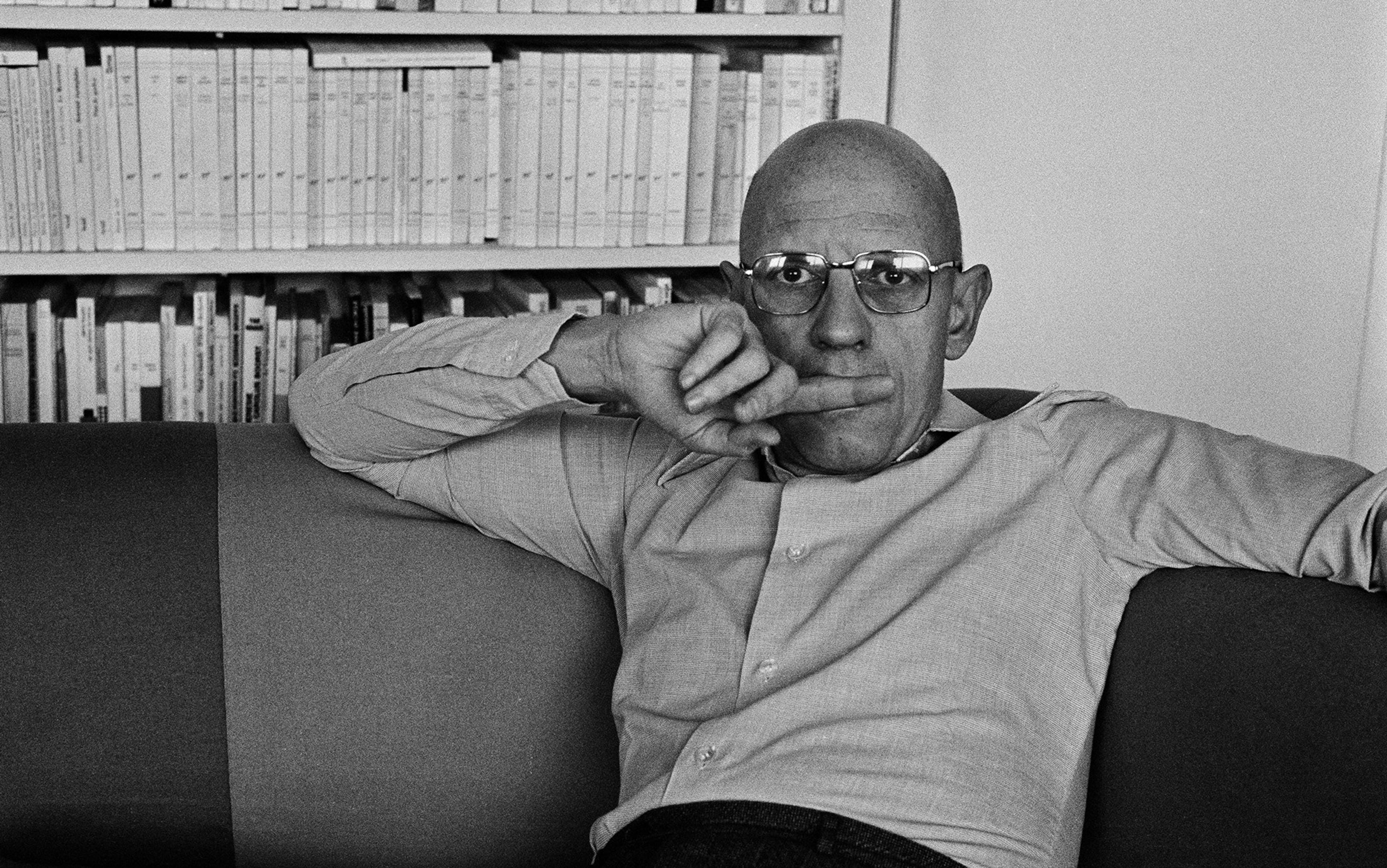
“People know what they do; frequently they know why they do what they do; but what they don’t know is what what they do does.” — Michel Foucault
At first glance, that line may seem to contradict the humanist spirit we value at Renaissance Flâneur.
But it points to something difficult—and true.
From the very beginning of life, we learn by imitation. We observe, we repeat, we adjust. We learn what is right or wrong through feedback. We understand our abilities through the responses we receive from the world around us.
In other words, we are shaped before we are self-directed.
A language you did not invent
A culture you did not choose
Values you did not design
Information you did not discover independently
Even your ability to think is built upon inherited structures—a frame you did not choose.
Yet, there was once a quiet advantage built into this condition.
Before the internet, there was still space to think.
Not because people were more conscious—they were not. Most were just as passive, just as shaped by their environment as people are today.
But the environment itself made something possible:
depth existed by default.
Information was limited. Slower. And most importantly, incomplete.
There were gaps.
Long stretches where nothing new arrived
No feed, no constant updates, no endless scroll
You encountered something—and then, there was silence
And in that silence, whether one intended it or not, the mind had to process. To reflect. To sit with what it had absorbed.
Now, try to imagine that same process under constant informational pressure.
It does not happen naturally anymore.
And yet, even as noise increased throughout the past century—with radio, television, and mass media—there were still individuals who preserved depth.
Figures like Albert Einstein and Nikola Tesla did not think deeply because their era was quiet.
They thought deeply because they structured their lives to allow depth.
They created distance. They protected attention. They practiced, whether consciously or not, a form of resistance to distraction.
That distinction matters.
Because it means the problem is not exposure itself—but the absence of boundaries.
And so, while you cannot remove the influence of the external world—you never could—the responsibility shifts elsewhere.
Your mind is still yours.
Your discernment still matters.
The task is no longer to avoid influence, but to decide which influences are allowed to remain.
This is not easy. And it is no longer automatic.
In earlier centuries, focus and depth were often the byproducts of one’s environment. Today, the environment works against them.
Platforms are designed to fragment your attention—to keep you moving, reacting, consuming. If you want clarity, if you want depth, you cannot passively arrive there.
You have to choose it.
That means deciding what you pay attention to.
Designing how you live.
And, at times, moving against the direction of the crowd.
And yes—there is discomfort in that.
You are, in effect, stepping outside a system built to entertain and stimulate you without pause.
But this is not a call to austerity.
It is not a rejection of beauty, or sociability, or the pleasures of modern life.
Nor is it the hollow discipline promoted by hustle culture, where life is reduced to output and performance.
What this requires is something quieter, more deliberate, more refined:
A way of living that preserves elegance while resisting excess.
A form of discipline that does not strip life of its texture, but restores its depth.
In the classical sense, it is nothing less than an art de vivre—practiced not loudly, but precisely.
First, it begins with a shift in posture: From participant to observer.
Let me offer something personal.
Before I spent an extended period in Milan, I had a particular relationship with my hometown—Bangkok.
I rejected it.
From where I stood then, Bangkok felt chaotic, status-driven, lacking in cultural depth or refinement. It operated on a frequency that felt misaligned with my own—and I wanted distance from it.
But distance, as it turns out, changes perception.
In Milan, I became a stranger.
I could not fully understand the language. I did not share the same cultural instincts. Even in places like Porta Venezia, I moved through the city without the ease of belonging.
And that was a gift.
Because I was no longer automatically involved, I began to observe.
I noticed how people dressed—not just what they wore, but how it aligned with context.
I saw how architecture shaped the rhythm of daily life.
I paid attention to how luxury functioned—not as display, but as integration into the environment.
For the first time, I was not reacting to a place.
I was studying it.
And that shift—from reaction to observation—changed something fundamental.
When I returned to Bangkok, the city itself had not changed.
But my way of seeing had.
It was still fast. Still status-driven. Still saturated with comparison and noise.
But I no longer resisted it.
I understood it.
There was no frustration, no impulse to reject—only a clearer recognition:
Every city expresses a certain logic.
And the role of a thoughtful person is not to escape that logic entirely, but to ask:
Why does it function this way?
And how do I remain intact within it?
This, perhaps, is the first real step in reclaiming control within modernity.
Not entirely withdrawal.
But intentive observation.

From there, a second quality begins to emerge: The cultivation of taste.
If algorithms show you what captures mass attention, then stepping away from that cycle creates space for something else—something quieter, more deliberate.
You begin to develop preferences that are not dictated by immediacy.
And yes, this often takes form in certain images:
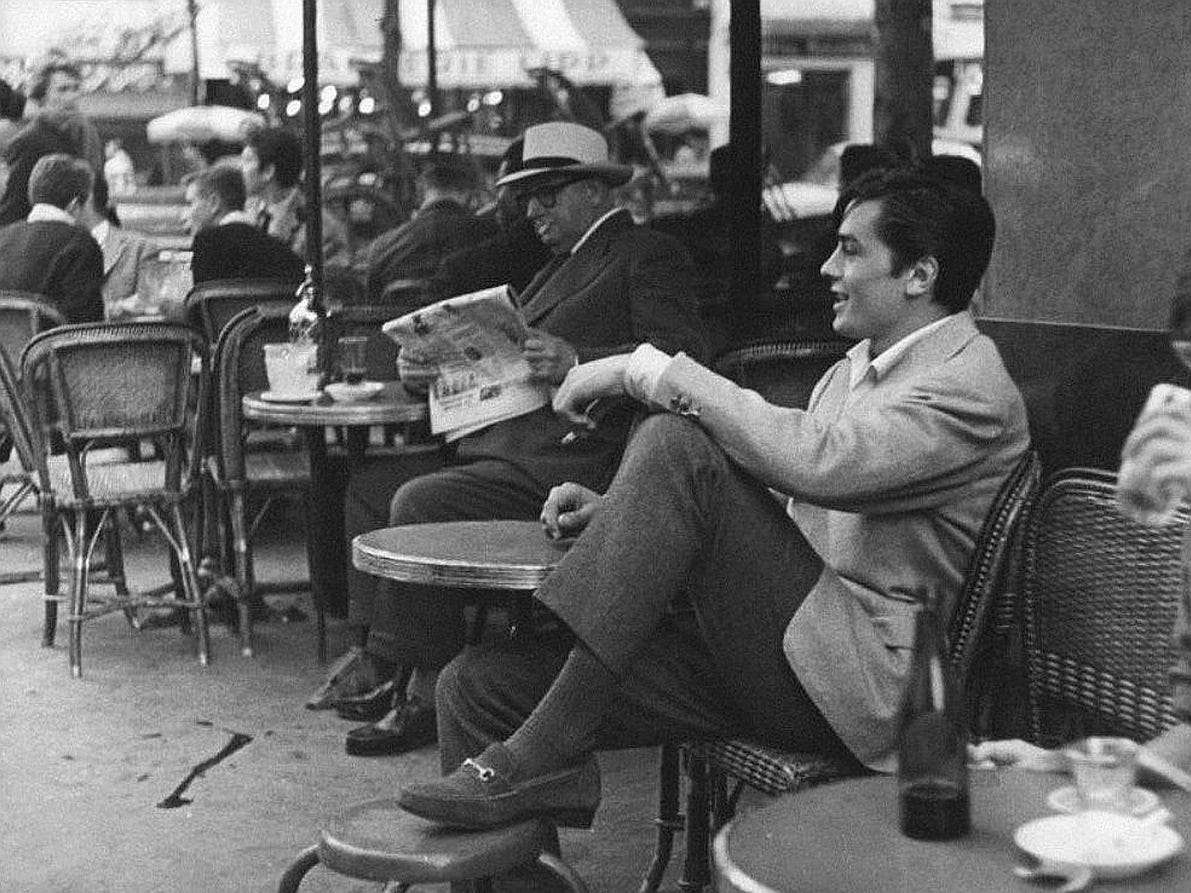
A quiet morning in a café with a book.
Clothing that reflects both context and personal restraint.
An evening conversation that unfolds slowly, without urgency.
But these are not the substance.
They are only expressions.
What lies beneath is more demanding.
It is the discipline to choose what you consume, rather than passively receiving it.
The ability to sit with boredom, without immediately escaping it.
The willingness to think—slowly, deliberately—rather than constantly reacting.
In a world designed to fragment attention, this becomes a form of quiet resistance.
Not loud. Not performative.
But precise.
And while it may appear subtle from the outside, it is, in truth, a radical shift:
From being shaped by your environment—to beginning, carefully, to shape yourself within it.
![Just A Theory of the Mind” |CONSIDER ONLY [this]: The Flâneur as Panoptic Observer in the City of Air and Light](https://substackcdn.com/image/fetch/$s_!X7PX!,f_auto,q_auto:good,fl_progressive:steep/https%3A%2F%2Fsubstack-post-media.s3.amazonaws.com%2Fpublic%2Fimages%2F4f896237-c2c0-4a5e-91bf-0112bffa792c_1496x987.jpeg "Just A Theory of the Mind” |CONSIDER ONLY [this]: The Flâneur as Panoptic Observer in the City of Air and Light")
“For the perfect flâneur, for the passionate spectator, it is an immense joy to set up house in the heart of the multitude…” — Charles Baudelaire
The flâneur, as Baudelaire described him, moved through a rapidly modernizing world without being consumed by it.
He was not wandering for appearance.
He was not performing distance.
He was present—fully aware—yet internally composed.
He saw everything: the crowd, the movement, the stimulation.
But he did not surrender to it.
That distinction matters more now than ever.
Because your environment today—through platforms like Instagram and TikTok—is not entirely different in nature, only in intensity.
Where the 19th-century city overwhelmed the senses, the modern feed does so continuously.
But the real difference is this:
Most people no longer observe.
They are absorbed.
They scroll, react, compare, and internalize—often without noticing it happening.
The flâneur represents the opposite stance.
Not withdrawal.
Not superiority.
But distance with awareness.
Or more precisely: Detachment without alienation.
Across cities—Milan, Rimini, Vienna, and Bangkok—I began to understand something quietly consistent: To live as a flâneur is not to escape modernity. It is to remain intact within it.
Once you stop resisting the modern world as if it were an error—and begin to see it as an environment—you can finally engage it with clarity.
You observe its patterns.
You understand its incentives.
And, most importantly, you stop reacting to it automatically.
That is where control begins.
So if there is one thing to leave you with, it is this:
It has never been harder to hold your attention, to direct your life, to remain clear about what is yours and what is not.
But that does not remove the responsibility.
If anything, it makes it more necessary.
To live well—to approach anything resembling an art de vivre—requires a simple but demanding shift:
To stop reacting to noise, and to begin thinking in your own voice again.
To decide, deliberately, what is worth your attention.
To shape, rather than inherit, your way of living.
That is the work.
And that is why the flâneur—the figure who neither withdraws from modernity nor dissolves into it—is not outdated, but essential.