


“I’d prefer Via Della Spiga and Via Gesù more than Montenapoleone… they’ve got something more…”
“Substantial?”
“Yes, yes — that’s the word.”
That’s a little part of a conversation I had with my Italian friend after we had a glass of Negroni at the Four Seasons Milano… and I must say, it’s more than just a talk on the taste of individual tribe as a sartorial connoisseur…
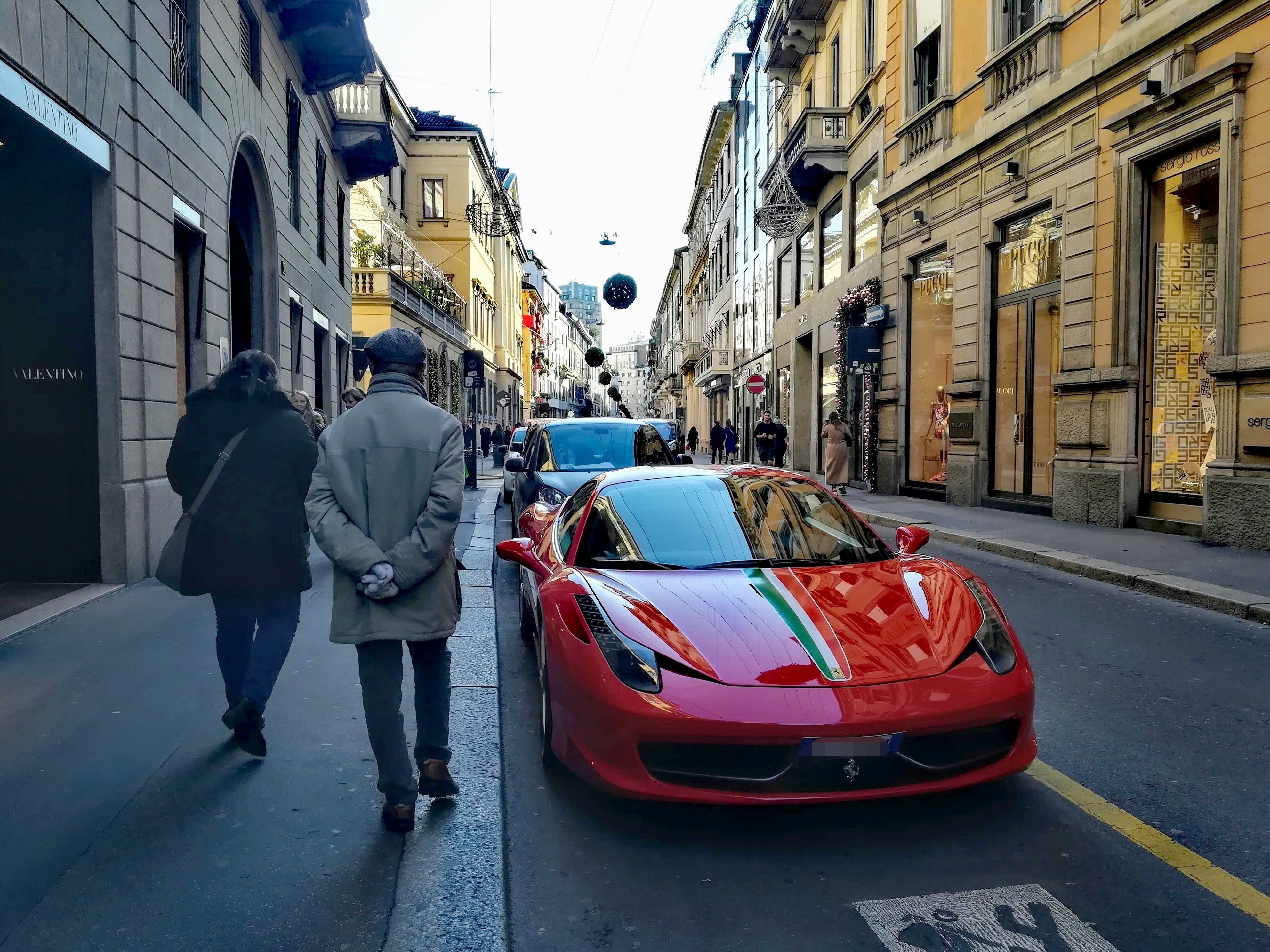
Ladies and gentlemen, if you have ever walked along Via Montenapoleone — or if you haven’t had the chance, I want you to picture that district of your current capital that’s full of brands from LVMH and Kering — also known as “global luxury brands” — which have multiple branches and recognition all across the world. Compared to Via Della Spiga — which carries a much more “craftsman artisanal” character, while still luxury at the price point; it’s full of niche brands that emerged from a singular creative vision. Or Via Gesù — which is basically… similar to the equivalent of Savile Row in London; a street where sartorial heritage like Brioni, Rubinacci, Kiton, Cesare Attolini, Barba Napoli, Tincati and many others have been “living” on the street.
When you look into the idea of luxury — it can be interpreted in many paradigms, so one would say it’s the idea of spending a huge amount of monetary capital on an entity that goes beyond necessary — from expensive clothes, first-class tickets, exotic cars, five-star hotels… basically, the act of indulging in excessiveness.
But is that really the definition of luxury?
Because I want you to imagine… these two things that have the same price, same functional purpose — but somewhat different — a t-shirt.
One is from brands within LVMH — either the logo of “CD,” “LV,” or “Givenchy” screened on an “OK” material such as combed Supima cotton.
The other, let’s say from Gran Sasso of Italy, made by the highest industrial-standard knit procedure, with Suvin cotton (and the brand coined this term half a century ago) — a crossbreed of Sujata and Saint Vincent 35 — the combination of the two finest cottons from Indian and Sea Island origins — the best in its class…
Both cost around $200 (though I take that the one from LVMH might be higher) — but in terms of the “meaning behind the price” — the counterargument from the fashion-forward house would be, “but the high price is due to creative design and vision”… but tell me, is the idea of putting a logo on an “OK” t-shirt considered as that creative?
Compared to the other side — it’s full of real heritage, either from the manufacturer, the material, and the “true high quality” that directly justifies the price of why a single t-shirt could cost $200.
While I once wrote on the meaning of clothes that goes beyond rationale in this editorial — that clothes can play a pivotal role in giving identity and meaning to the wearer — and when it comes to that part, emotional attachment is much more at play in deciding whether one will buy it or not, and who he or she will become after getting it and wearing it.
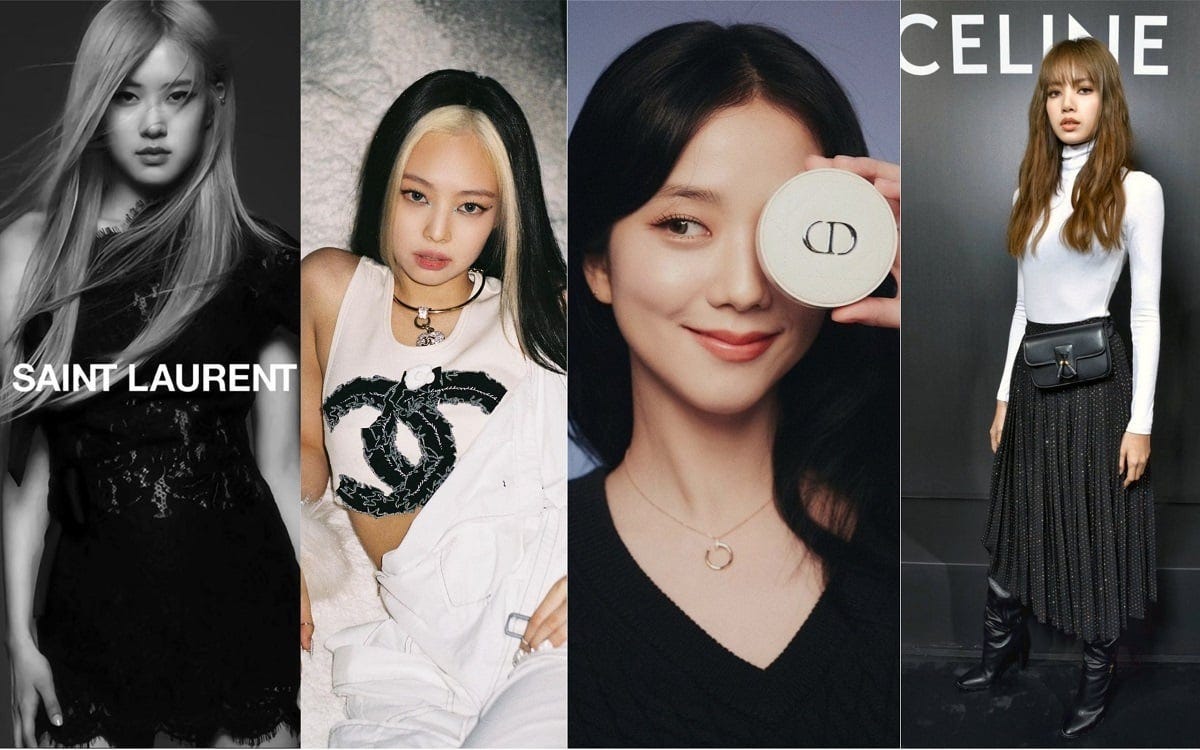
The LVMH group mastered this. And that’s why if you travel to Asia — especially in capitals like Bangkok or Shanghai — people there, especially the aspiring middle class, love wearing the logo to symbolize who they are, more than letting artistry of design and substance of material speak…
The way of presentation that is so — excuse the assertiveness — but very shallow in a sense… and in a way that so contradicts the noble ideology of self-awareness and elegance of oneself — through substance… one that I discovered through my style journey and my own definition of luxury itself.
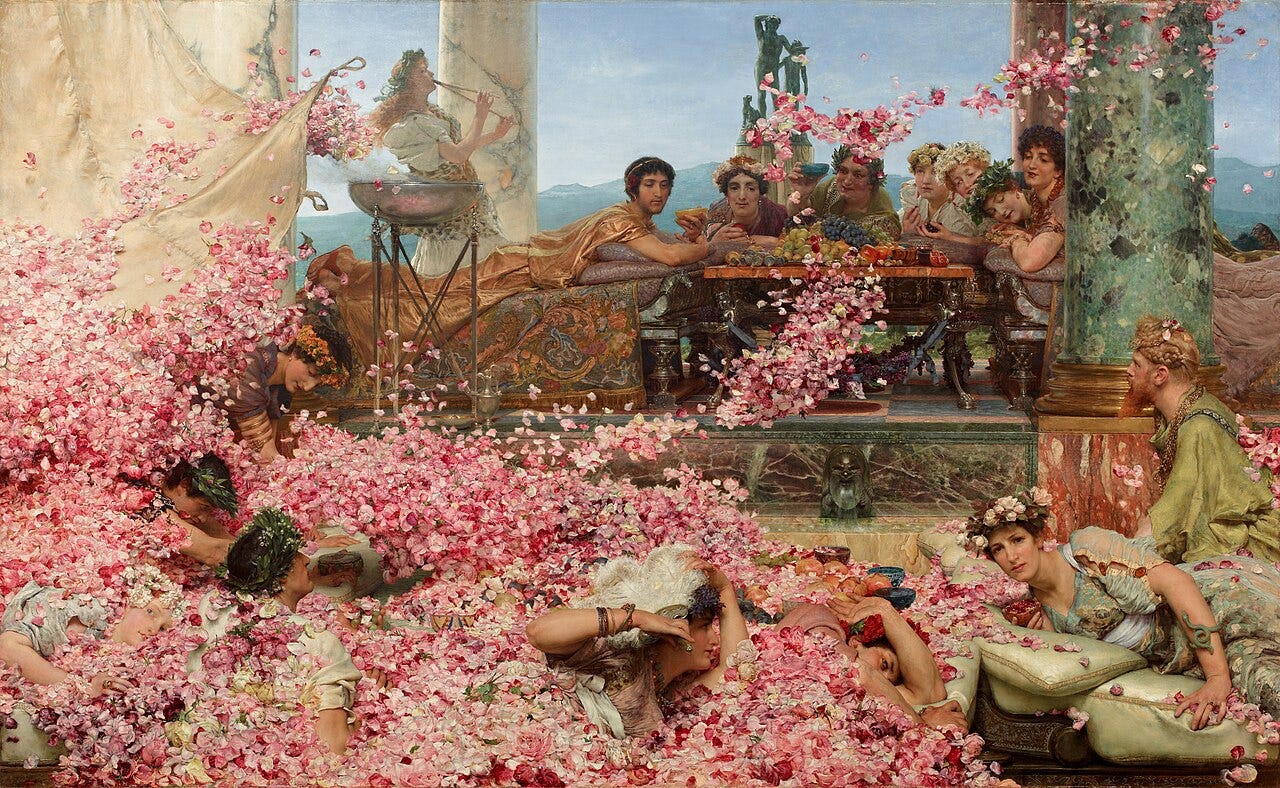
Luxury comes from the Latin root “Luxus” = extravagance.
Once empirically used in ancient Rome in the term of luxuria to describe the act of excessiveness — wasteful consumption. For traditionalists like government senators and philosophers of the era, luxuria meant the corruption of Roman virtue through excess. Causing soft living, foreign imports, elaborate banquets, ornate clothing — everything that weakened discipline, masculinity, and civic duty; a symptom of decline brought by imperial success, one might say. Yet as you may guess, for emperors like the notorious Nero, luxury was a performance of power: golden palaces, theatrical feasts, artistic extravagance — excess as domination.
Then, the term evolved into the doctrine of Christianity later during the Middle Ages.
When Christianity spread through the ancient Roman world, it inherited the language. Latin became the Church’s intellectual vehicle, and words like luxuria were already loaded with moral suspicion. It turned out to mean disordered desire — especially associated with sexual desire — opposing divine order. And then it became formalized within the schema of the Seven Deadly Sins under Pope Gregory I.
Now, ladies and gentlemen, if the idea of luxury is heavily associated with an “undesirable” character a human can embody — why do many of us, or perhaps all of us, lean toward it in some way or another?
The answer always goes back to human nature — the very biological thing that made us human.
In the end, our brains evolved in scarcity, wired to pursue surplus… more food, more comfort, more status. Since the Stone Age (a part of our brain that hasn’t changed), the idea of having “more” increased survival and power.
But now, it has changed form into:
Penthouse instead of cave.
Private jet instead of faster horse.
Designer piece instead of exotic animal skins.
We are wired to seek surplus because surplus once meant survival and reproductive advantage.
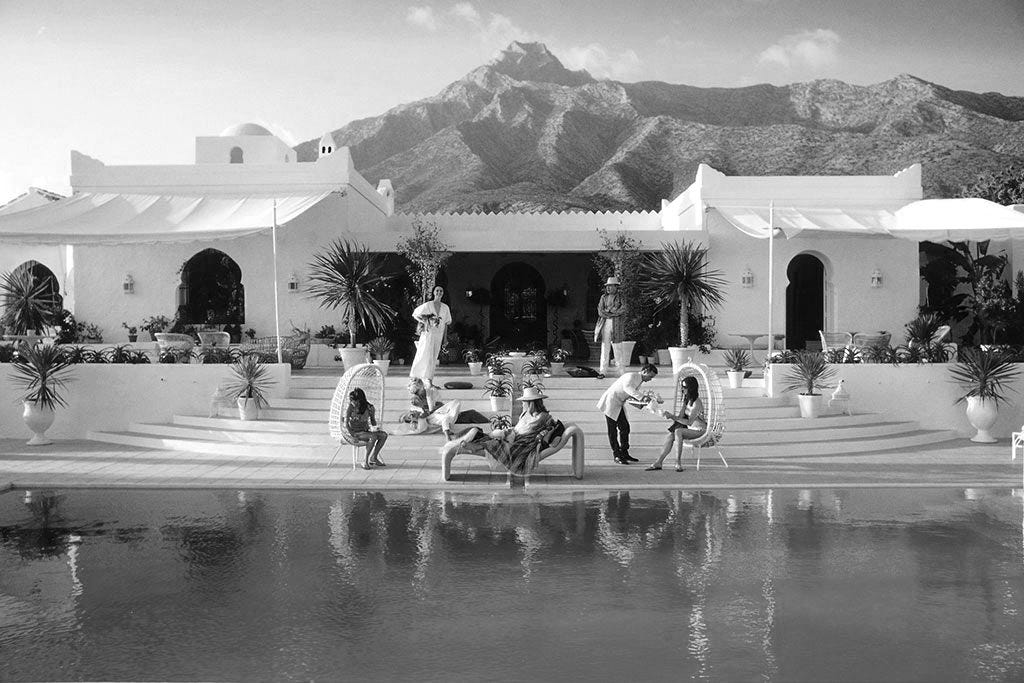
And luxury is simply surplus amplified into signal: it advertises security, dominance, and distinction. Yet societies label it morally suspect because unchecked appetite destabilizes order, widens inequality, and erodes discipline. So the tension is structural: “biology pushes us toward accumulation and heightened pleasure, while religion and philosophy attempt to regulate that drive for the sake of stability and meaning.”
Basically, luxury is evolution’s reward system colliding with civilization’s need for stability.
And that collision will never disappear.
However, what I want to propose is another perspective — to see luxury as it is. Though it is the contradictory force between our raw, biologically based desire and the morality of the higher intellectual part of us, there is a way to approach it while keeping integrity within.
Humans naturally associate luxury with status and amplification, but most people pursue it reflexively — buying symbols that tell them who to be rather than choosing objects that genuinely reflect their values.
What I’m offering here is “Authentic luxury.” One that is not about visibility but about precision: about understanding the material, the craftsmanship, the heritage — and more importantly, knowing your own motives. As you would call it, high self-awareness.
When a purchase becomes a two-way dialogue between object and self, rather than passive absorption of a brand’s marketing power alone, luxury stops being costume and becomes coherence. The rarest form of luxury, then, is not the logo or even the finest cashmere — it is the independence to choose based on substance instead of insecurity.
Having spent years observing how founder-led houses negotiate this tension between substance and signal, one thing becomes clear: most brands don’t lack craftsmanship — they lack articulation.
Now, the dilemma is that every great brand you’ve familair with (even though you’re not into fashion that much) seem to know too well how to “manipulate” or bend perception toward the aspirational class — on who they are going to become when you wear our brand — without giving them a real “reason” behind it. An empirical case is certainly the LVMH of the world. Yet it also includes brands that position themselves as “quiet luxury.”
This term has spread widely into a global trend in the past years — aligned with the virality of the Old Money Aesthetic on TikTok and YouTube (though in 2026, I do believe it will decrease in magnitude and relevance).
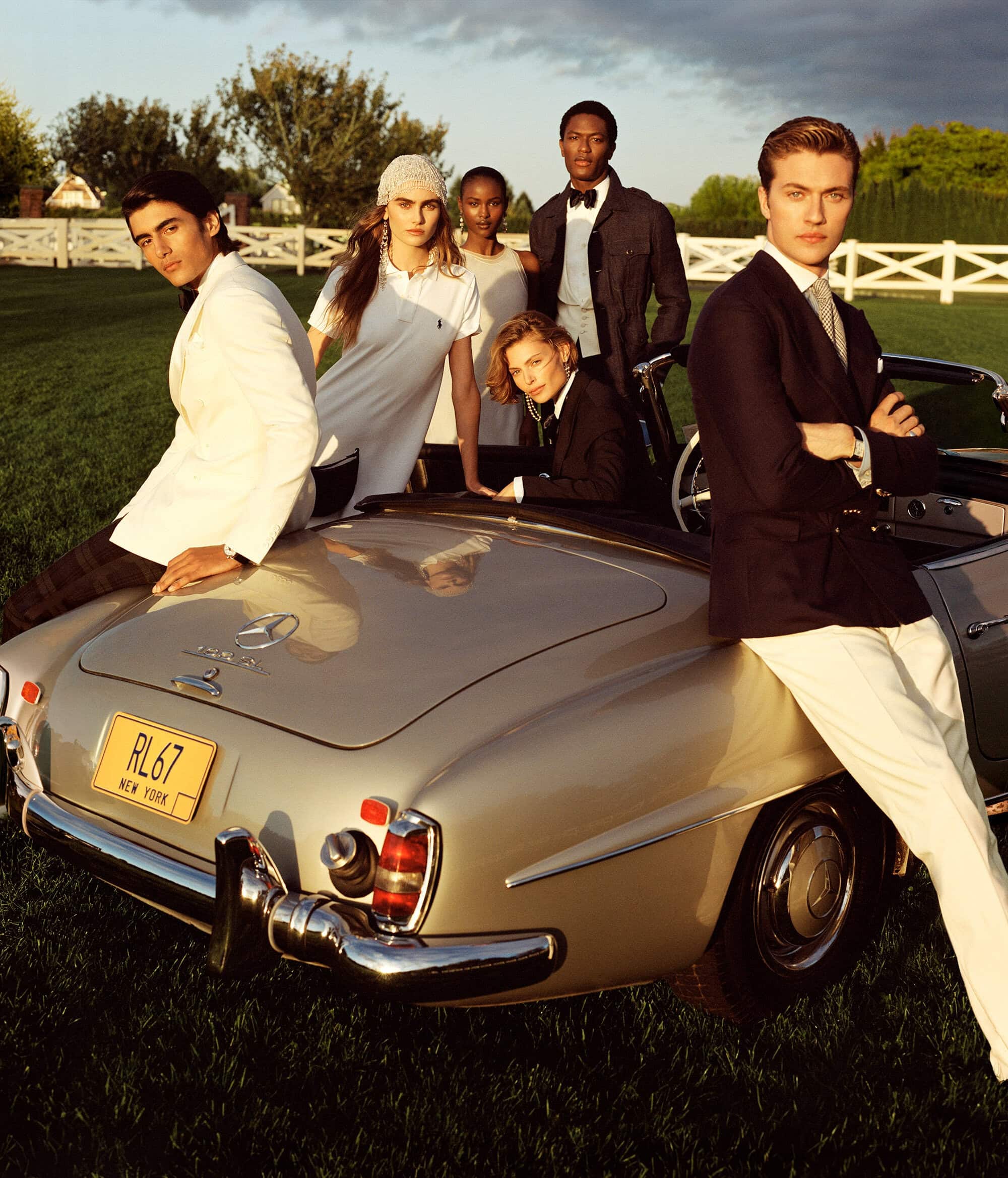
The idea is simple: use subtle palettes, minimal design, sometimes leaning toward classic garments — then present them on a WASP model, an educated high-society appearance, countryside residence in the background, classic Mercedes SL, leisure lifestyle that few can ever experience — and then “tag” the collection, or even the brand, as “quiet luxury”… “a luxury without demanding to shout.”
The thing is, they also turned the idea of “quiet” into another marketing buzzword.
Ladies and gentlemen, if we use the idea of Authentic Luxury as the baseline:
“The precision in understanding the material, the craftsmanship, the heritage — and knowing your own motives.”
Then the quiet luxury brands, most of the time, also fail to bring their customers into the substance behind why their brand is quiet.
Take Loro Piana for example.
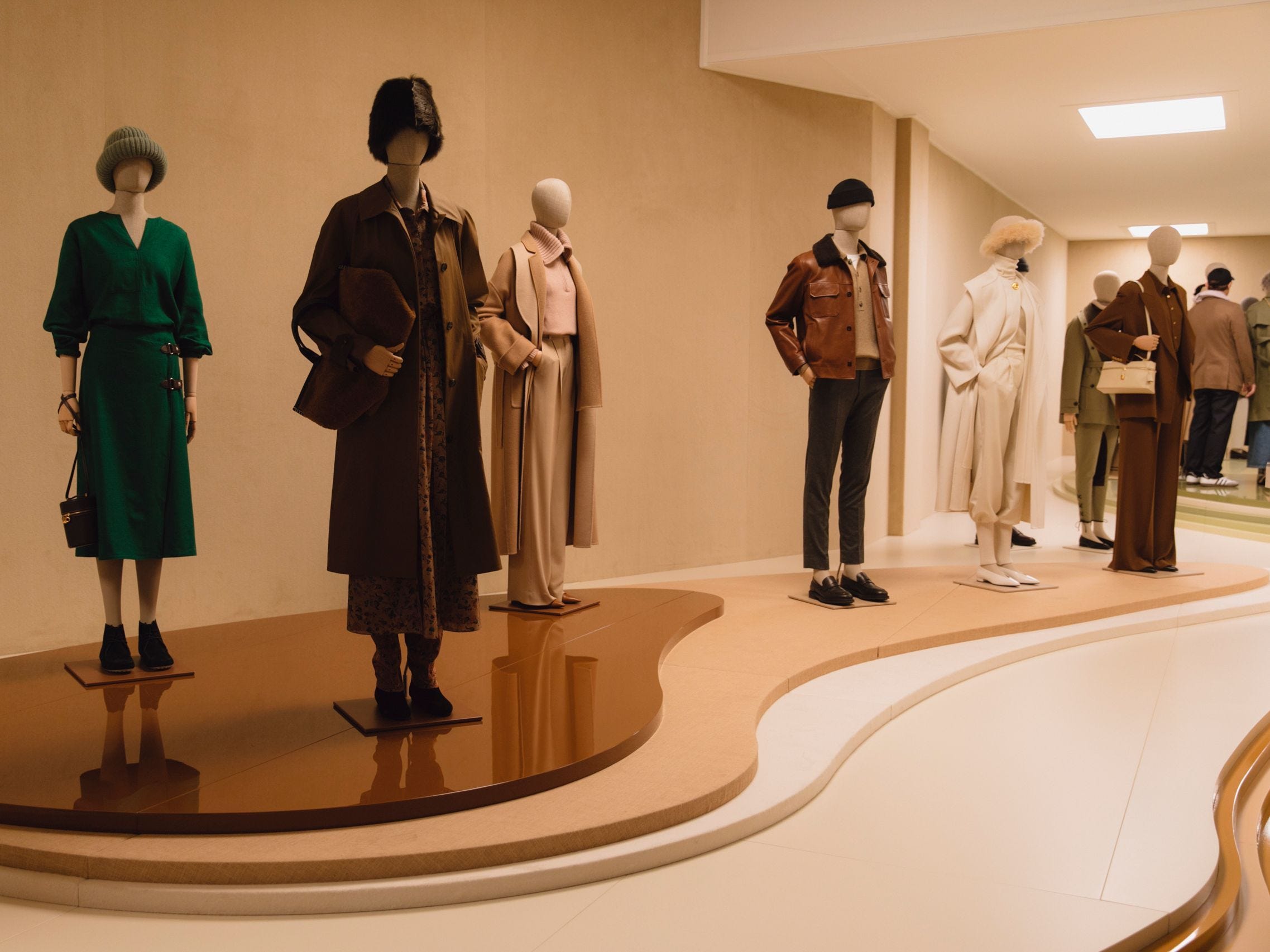
Before the acquisition by LVMH, the brand was well known as a top-tier Italian fabric manufacturer — famous for its cashmere and sophisticated blending of materials. When the Arnault family took over the brand and turned it into a viral name associated with “quiet luxury,” tell me — how many people actually see Loro Piana as it is? As the name that symbolizes one of the most delicate and exceptional crafts?
Now, it has turned into just a brand you can use to equip the idea of “wearing quiet luxury” — but without a gateway to understand why it is quiet in the first place.
And so do these cases happen to plenty of brands — either those that truly contain heritage, or even the copycats on Instagram that replicate the design of cable knits or quarter-zip sweaters, but instead of using high-quality cotton or merino wool, reduce them to mere polyester (yes — the case of fast fashion brands).
With all these reasons — the fallacy of both luxury and fashion brands that fail to captivate the higher meaning behind the term — this is why sartorial elegance, the idea of embracing classic menswear, remains so timeless, deep, and meaningful to the wearer. Basically, it is closer to the term “quiet luxury” than what most brands represent themselves to be.
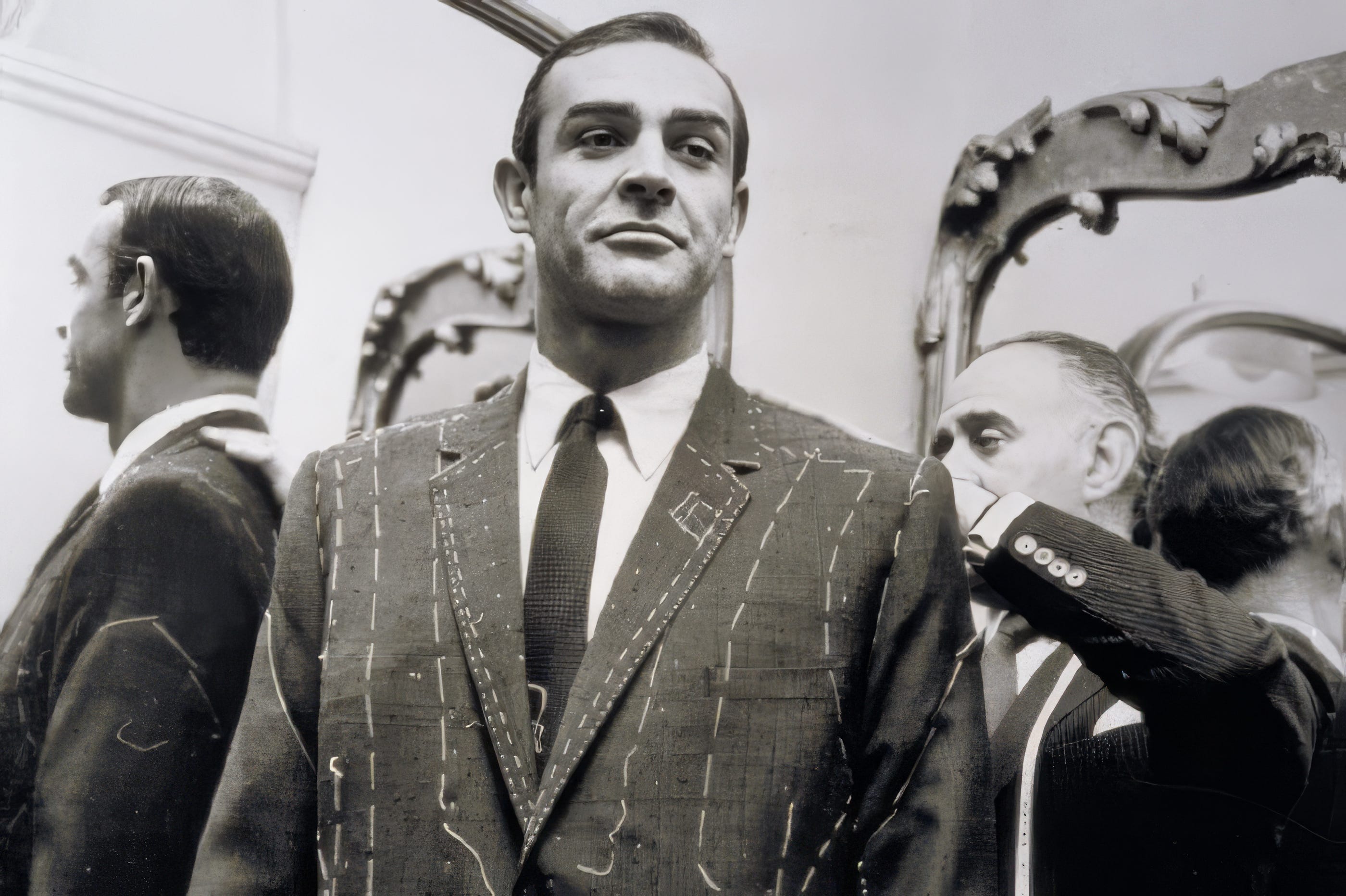
“Sartorial = Classic menswear that has been tailored to personal taste.”
Based on the Italian term sarto — which means tailor. This niche word has become associated with a specific type of style, which you can see on Google when you search the word; one that cannot be far from a tailored jacket with lapels, trousers that have been well calculated to shape the leg structure, and shoes made of leather. And there’s a reason for it.
Either by the fact that these garments represent the proven timelessness that has stood the test of time across centuries, or the image associated with noble titles like gentleman — they always have a place in a man’s wardrobe in his lifetime. Even though plenty of these pieces are costly to obtain.
$1,250 for a jacket made of decent Italian fabric from Biella.
$650 for leather shoes made of fine French calfskin with century know-how from Northampton.
For most sartorial enthusiasts, each garment requires commitment — and that usually comes with thought behind the purchase.
One needs to know the symbolic meaning of a jacket, understand the construction and quality inspection of footwear, recognize the importance of material; all of which lead to fluency and self-awareness in one’s personal style. The good news is — this philosophical application is not strictly limited to the Classic Menswear Cult.
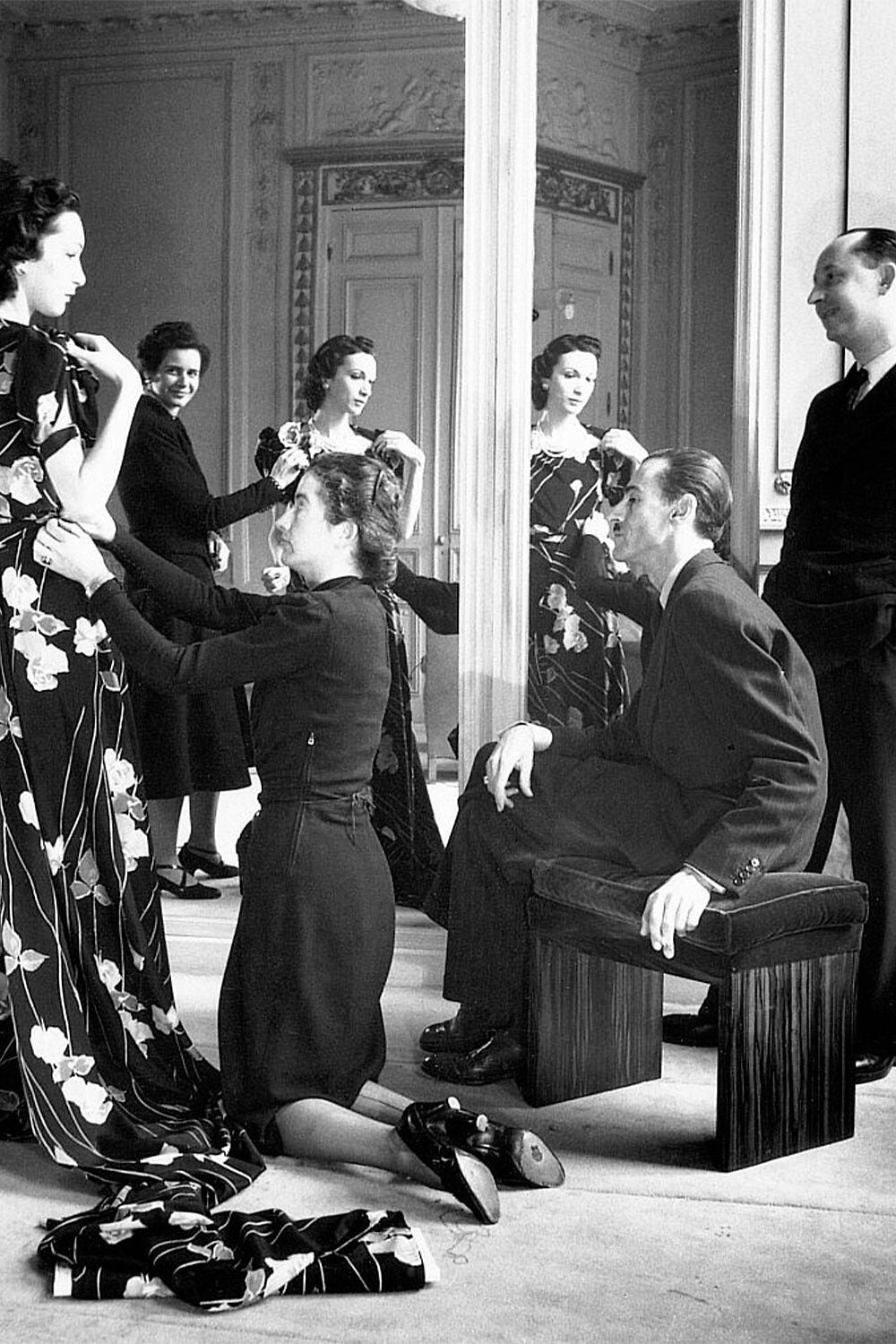
For instance, those names associated with the LVMH group — Dior, Givenchy — if a man or woman truly studied the heritage of each maison, knowing the individual behind the logo — Christian Dior, Hubert de Givenchy — then going deep into their design philosophy: either the divine feminine beauty of “The New Look” by Dior that dominated the whole decade of the ’50s, or the simple elegance of Givenchy that lets the wearer’s physique shine through the garment, not the other way around.
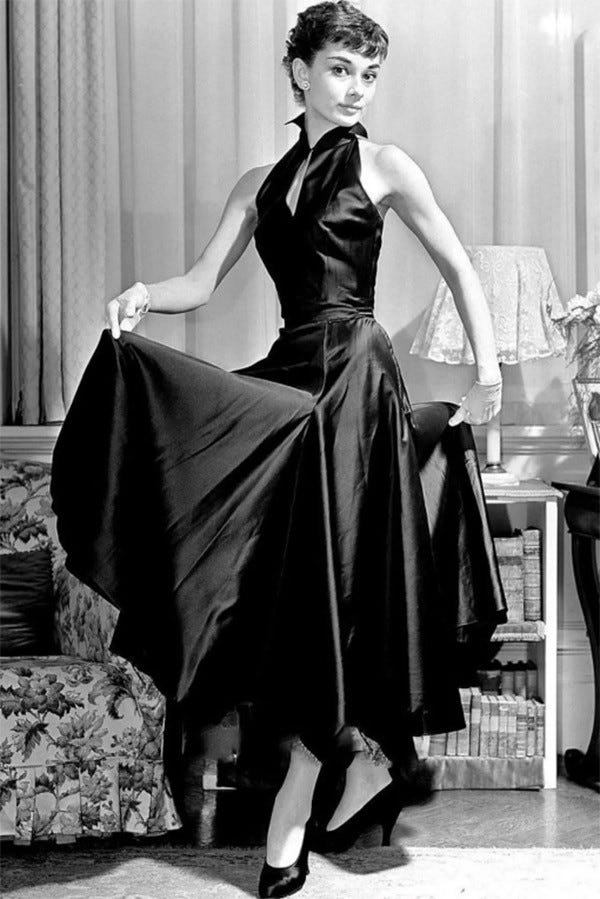
Then even if a lady acquired a blouse by Dior that carries the strong shoulder silhouette paying homage to the New Look in 1947, or a vintage Givenchy black dress made of cotton or silk that is reminiscent of the same elegance Audrey Hepburn wore in the 1960s — all with full awareness of her own taste — then even if it’s from a brand within LVMH, this is the “true” luxury experience: the independent choice made by the substance of the object, synthesized with self-awareness.
Luxury, when looked at carefully, is another form directly intertwined with human nature by default — It is the word that plays with inner desire; but those who can control it, be aware of it, then embrace and cultivate that sense of joy of living — it is not evil.
In today’s landscape of a consumption-based society, there are plenty of channels that do their work to ingrain the perceptive seed in your mind, captivate your attention, and in the end, wish that you will become one of their customers. It’s how capitalism works — which is not necessarily bad. What makes it look bad is when the “allure of luxury” stays at the surface level — the idea of obtaining status for superiority without knowing how much it will cost, monetarily and spiritually.
Authentic luxury — either in the format of clothing, enriched experience, or otherwise — is a different approach to this biological force of desire, by integrating intellect through self-awareness, by placing substantial thought behind action.
So to say that luxury is not inherently corrupting. Nor inherently noble. It is diagnostic.
It exposes whether desire is directed by awareness or by appetite.
And that truth applies far beyond clothing.