


“The only great director we’ve got right now is Paolo Sorrentino…or perhaps Luca Guadagnino.”
That’s the line that my Italian friend in Milan told me about their current cinema scene.
Amusing, for sure, when I first heard it — since before I arrived in Milan, the idea of Italian cinema is one that’s full of passion, complexity, artistry, and very deeply “human” — one that shows both the good, bad, and ugly sides of humanity. Names like Fellini, Antonioni, Visconti, De Sica of the bygone era, or even modern-day figures like Sorrentino, made me believe that in this land, cinema is still cinema, and that taste as a whole still favors “depth” in film.
But when my Italian friend told me that the top five grossing films in the national box office — half of them — are made and starred by Checco Zalone, a name I wasn’t familiar with until I discovered that he’s essentially a national comedy celebrity in Italy, I then realized that even here, the culture the masses consume is far from Marcello Mastroianni having an existential crisis in Rome.
After that exposure to the harsh truth, I wondered:
“How has the film industry, from the West to the East, evolved into the current situation?”
While I once articulated the big picture of “cinema” in this editorial piece — with a slight tap into the behavior of modern audiences — I do believe there’s much more to the decadence of attention span and expectations in consumption, and to the actual patterns that can be seen across cultures.
Considering music: it has gone through thousands of years of evolution alongside human civilization. First beginning as simple rhythms and vocal sounds used for ritual and social bonding, it later became more structured and tied to religion, culture, and education during the Middle Ages and Renaissance, when written notation, harmony, and complex compositions developed, turning music into a refined art form.
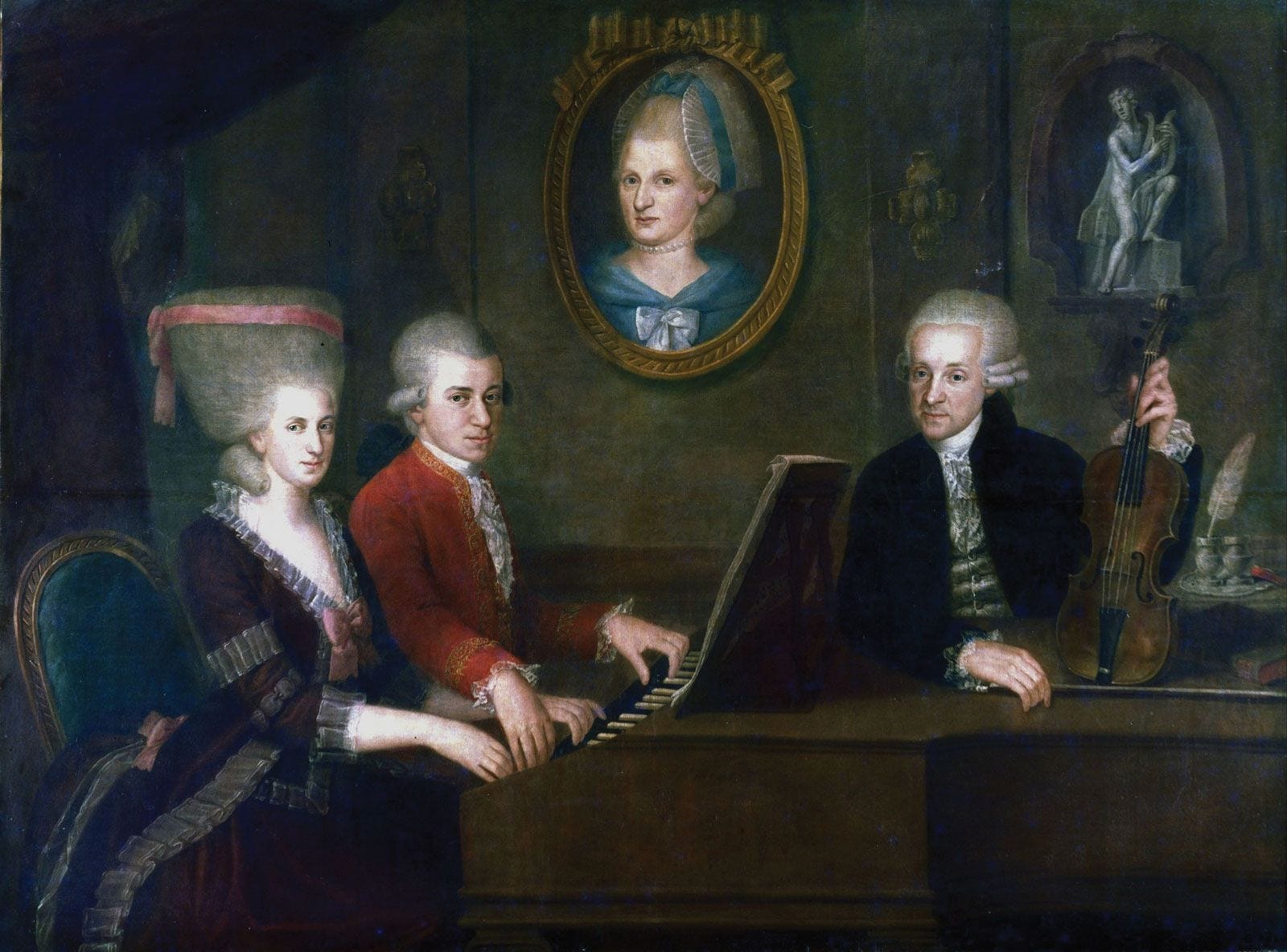
Then the names of Amadeus Wolfgang Mozart and Ludwig van Beethoven came in and introduced what modern society considers “classical music.” This genre nowadays has become somewhat “high culture” to the masses, with its complex structures and long-form compositions that require training to perform and understand (which we have to admit, the house-trap style or hip-hop/EDM of modern Spotify is much easier for the human ear to “groove” with).
Thus, over time, this music became closely tied to elite institutions — royal courts, churches, conservatories, universities, and concert halls. Combined with the fact that learning, performing, and accessing this music demanded education, money, and leisure, it gradually became associated with status and intellect, rather than everyday life.
This framed “classical” as high culture: serious…prestigious…and symbolic of refinement.
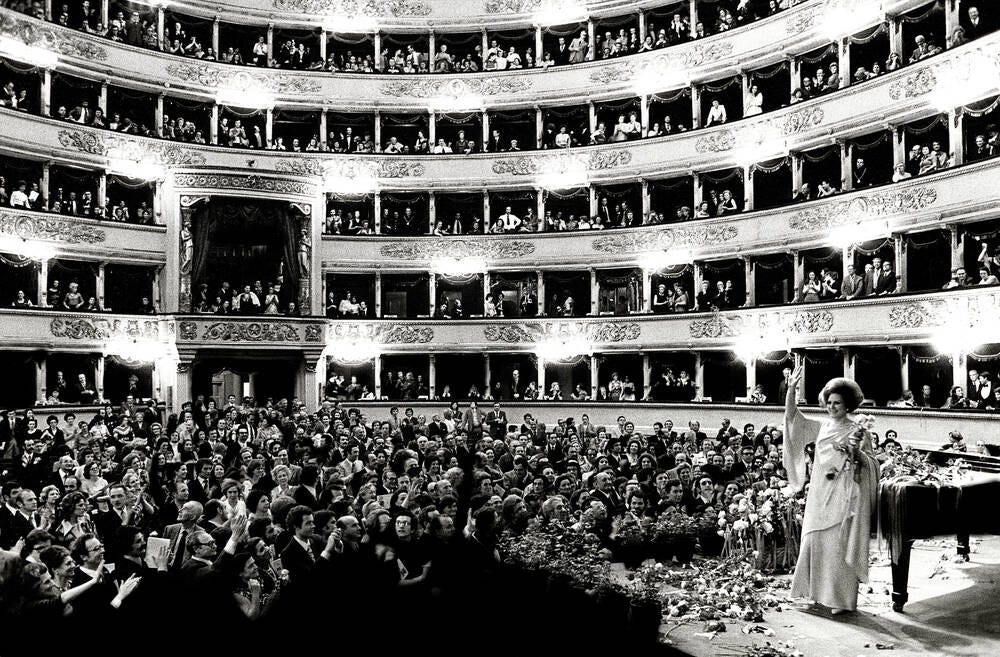
The same thing happened to theater, which once belonged to public festivals and popular entertainment, but later became refined, formalized, and preserved for educated audiences in places like Teatro alla Scala; or literature, where stories that were originally oral or widely read became “classic literature” once universities and scholars canonized certain authors, framing their work as intellectually superior and worthy of study rather than casual enjoyment.
Ladies and gentlemen, what is currently happening to cinema is about to be the same as those cultures of the bygone era — especially the kind that is still made through the lens of “auteurs.”
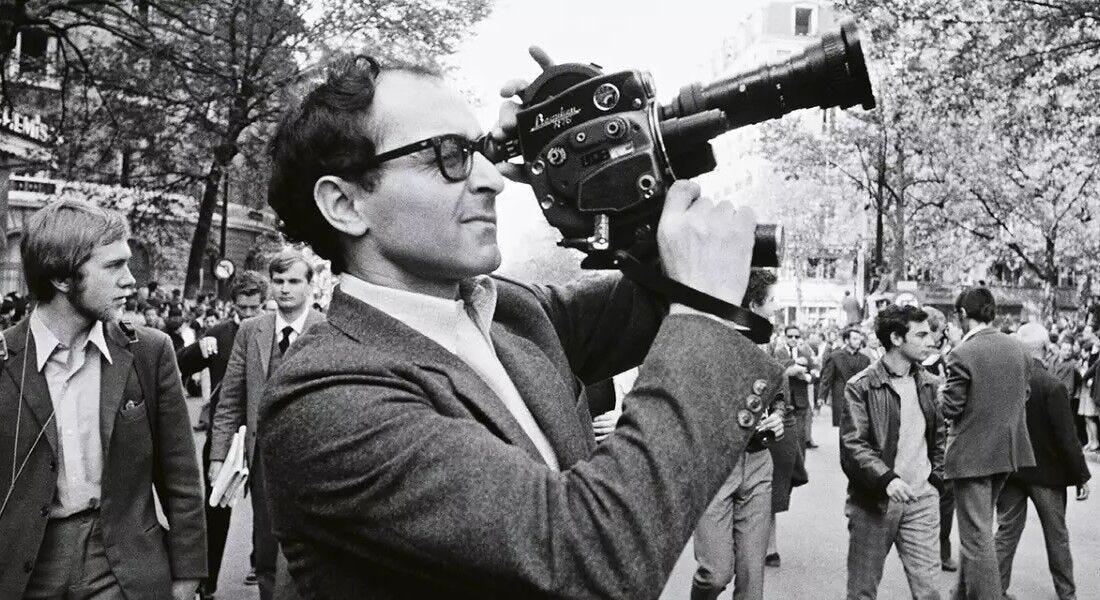
An auteur is a director whose films feel authored, not manufactured; they reflect a distinct, personal creative vision, to the point where the director is considered the primary author of the film — even though filmmaking is collaborative. First properly coined by Cahiers du Cinéma, a French film magazine in the 1950s, the term argued that some directors leave such consistent fingerprints on their work that you can recognize their films the way you recognize a novelist’s flair or a painter’s style. All of this can take the form of recurring ideas across their films, or a signature presentation style through storytelling and cinematography.
Now, I would like you to look at these names…
Quentin Tarantino
Wes Anderson
Denis Villeneuve
Christopher Nolan
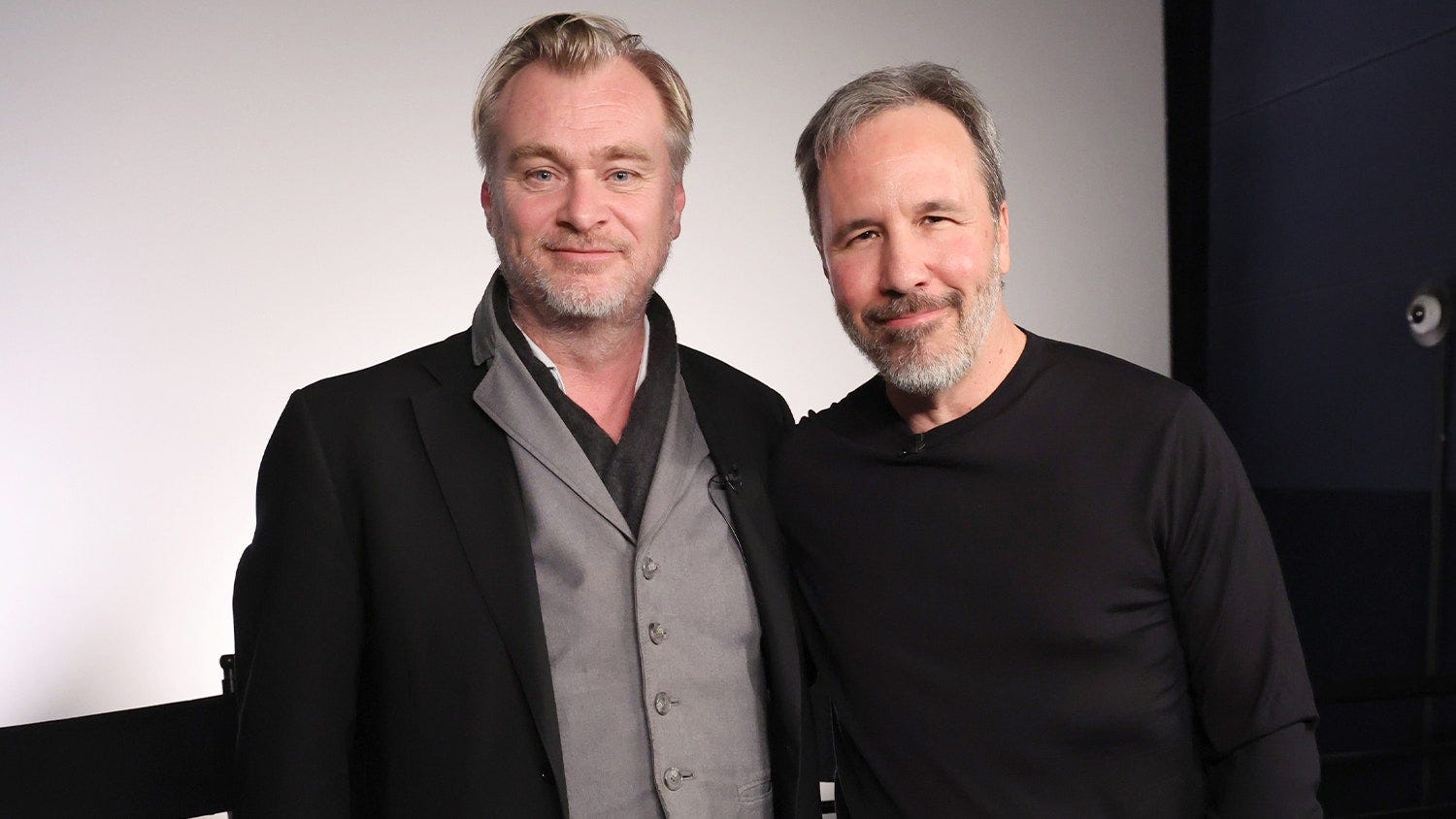
These names are considered directors (usually also writers in many of their films) who are arguably at the forefront of auteur cinema — those who balance current demands of taste in consumption with a “distinct” personal view directly injected into the films they direct (especially Nolan, who somewhat perfectly walks the line between blockbuster and auteur flair with grace).
But let’s look at other names…
Apichatpong Weerasethakul
Ryusuke Hamaguchi
Jim Jarmusch
(and many from Cannes, Venice, or Berlin that only cause confused faces when people hearing their names)
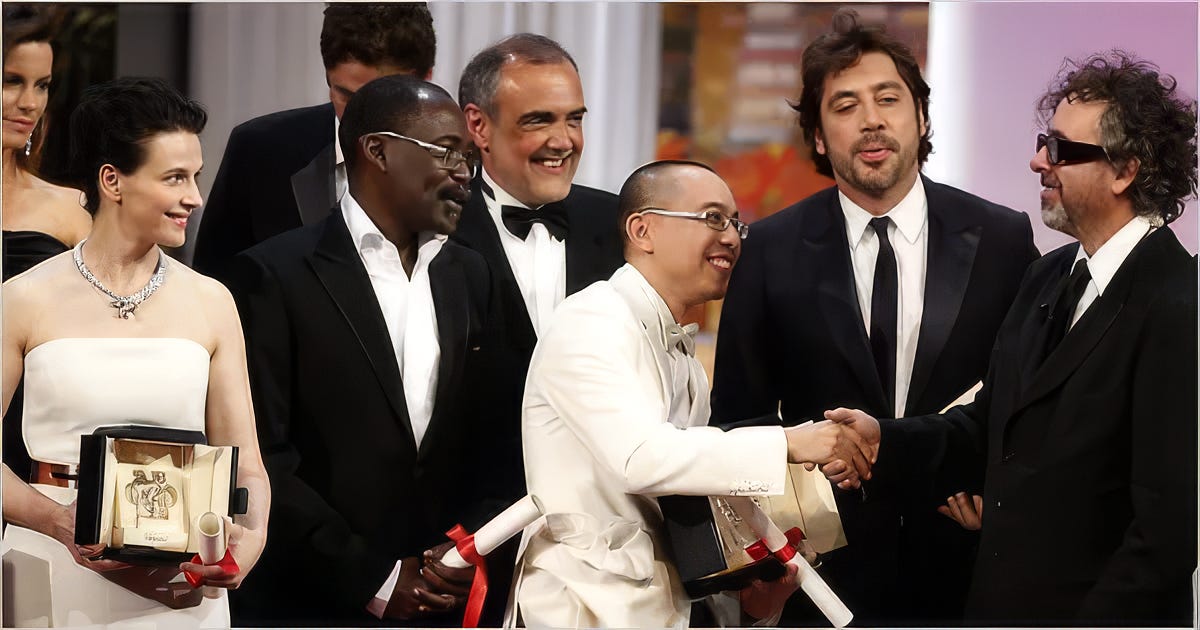
These auteurs are getting less and less “spotlight” from the cinema industry sphere — and the consequence is the decadence of films that do more than deliver instant gratification. While it’s not a law or a wrongdoing for a man or a woman to consume cinema for pure joy and let go of thinking or thought, it reflects a shift in the role of film itself. The clearest analogy is the distance between Paolo Sorrentino’s films — which made a name on an international level, like La Grande Bellezza — and the far greater domestic recognition received by comedies made by Zalone. Nothing wrong in that sense, but it’s a sign that’s not so bright for the future of cinema.
If we travel back to the last century, the industry — even in Hollywood (whether during the Golden Age or New Hollywood) — was full of films made with vision, purpose, and depth.
![Ben-Hur | Epic Historical Drama by Wyler [1959] | Britannica](https://substackcdn.com/image/fetch/$s_!bKKG!,f_auto,q_auto:good,fl_progressive:steep/https%3A%2F%2Fsubstack-post-media.s3.amazonaws.com%2Fpublic%2Fimages%2F9f1d864c-e75e-4253-ab65-01220dad717c_1353x1600.jpeg "Ben-Hur | Epic Historical Drama by Wyler [1959] | Britannica")
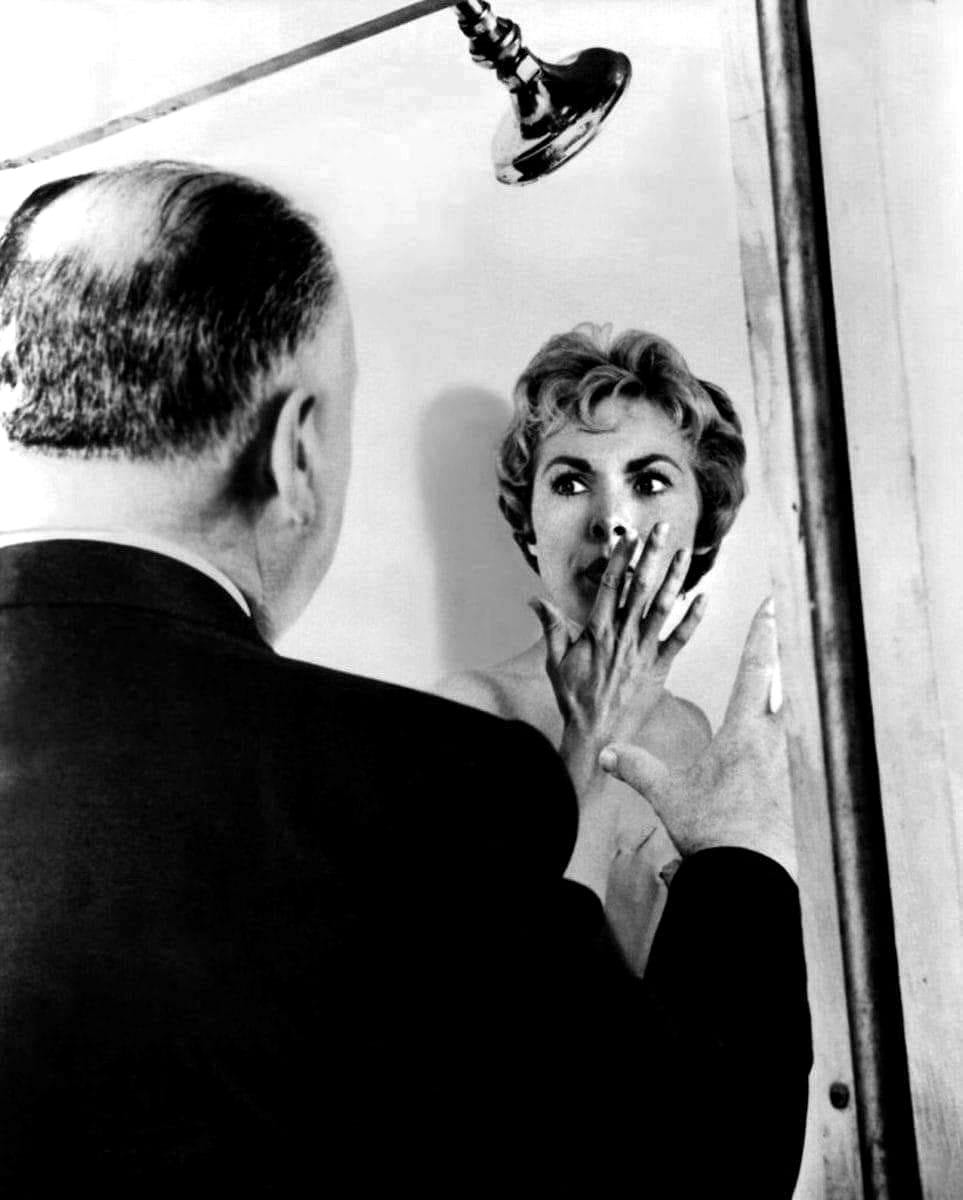
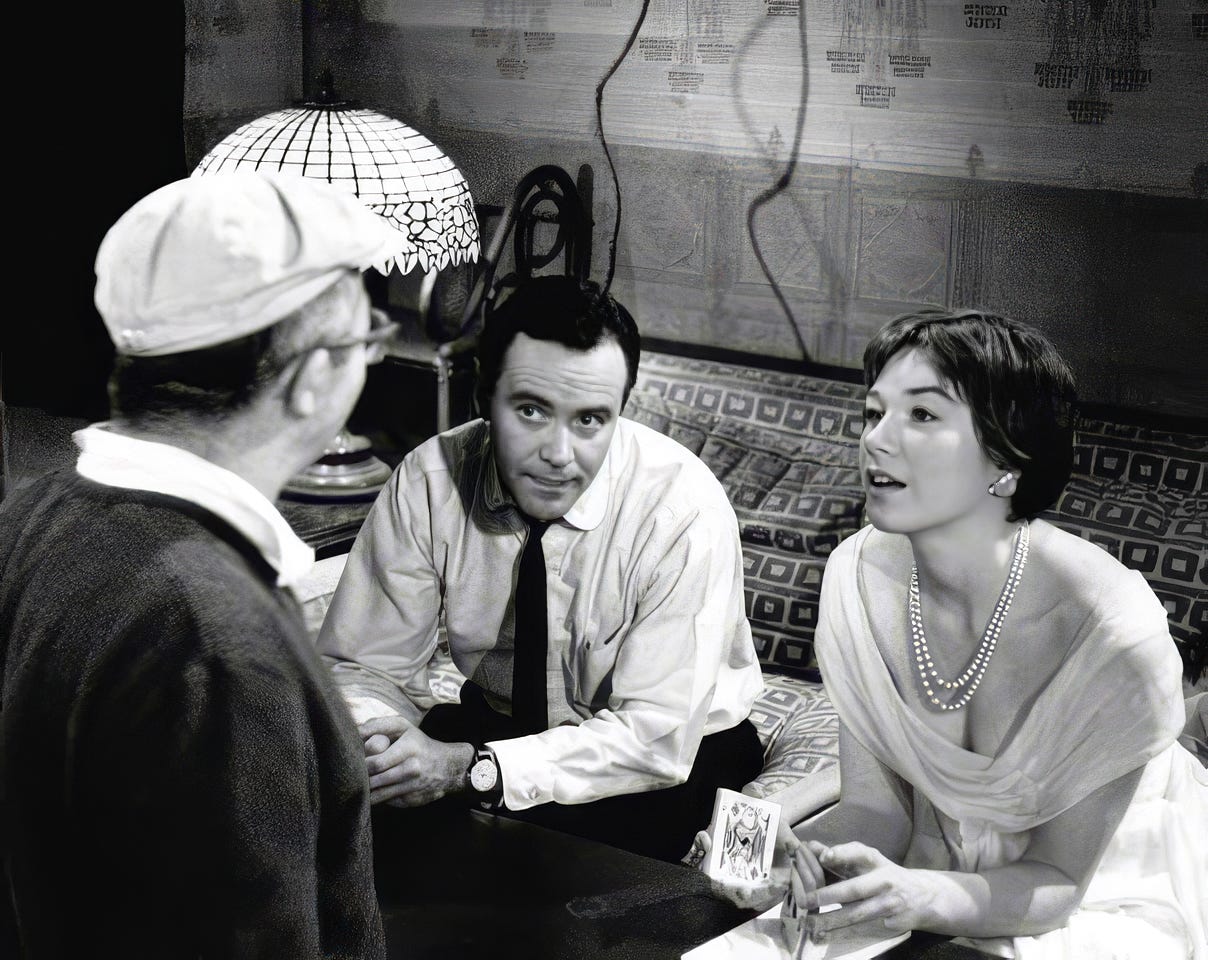
Behind recognizable genres, artistry was always hiding. And with New Wave cinema, or Italian cinema in the 60s — oh…ladies and gentlemen — it revolutionized this medium…and became the pure embodiment of auteur theory.
![The Soft Skin [La peau douce] (Original photograph of François Truffaut, Françoise Dorleac, and Raoul Coutard on the set of the 1964 French film) da François Truffaut (director, screenwriter); Jean-Louis Richard (screenwriter);](https://substackcdn.com/image/fetch/$s_!FuKE!,f_auto,q_auto:good,fl_progressive:steep/https%3A%2F%2Fsubstack-post-media.s3.amazonaws.com%2Fpublic%2Fimages%2F4185f2f2-e04b-4b45-93e0-d80775b7b07c_2000x1493.jpeg "The Soft Skin [La peau douce] (Original photograph of François Truffaut, Françoise Dorleac, and Raoul Coutard on the set of the 1964 French film) da François Truffaut (director, screenwriter); Jean-Louis Richard (screenwriter);")
In France, filmmakers like Jean-Luc Godard and François Truffaut broke away from polished studio filmmaking and treated film like a living language. Handheld cameras, jump cuts (which were anomalies at the time), natural light, direct sound, ambiguous endings.
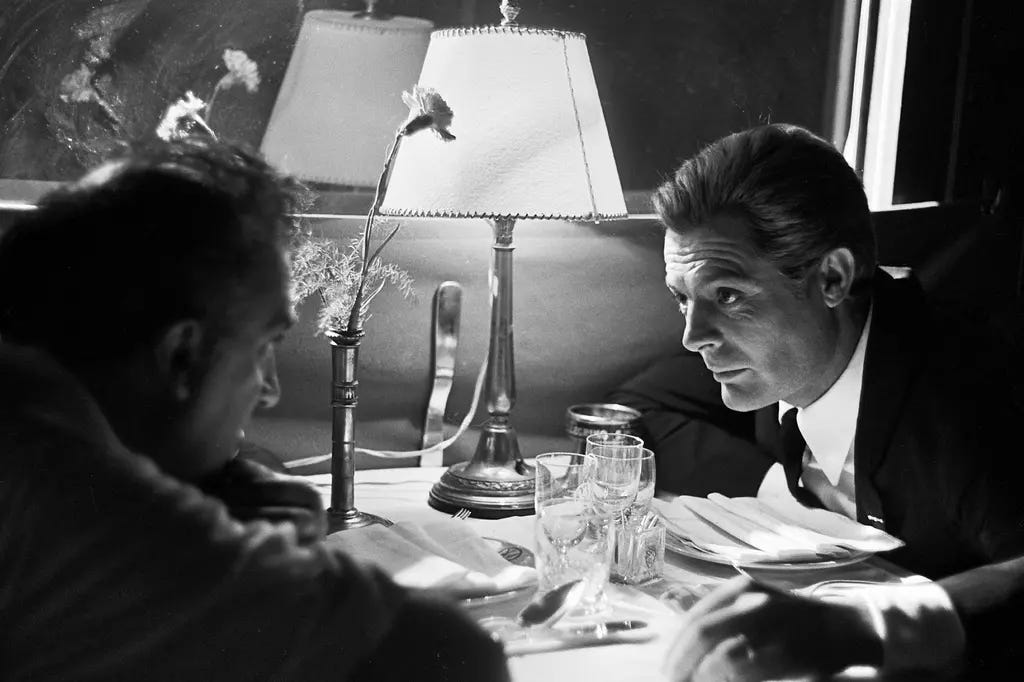
In Italy, figures such as Michelangelo Antonioni and Federico Fellini pushed cinema inward. Instead of plot-driven spectacle, films explored alienation, memory, desire, boredom — the inner life of modern people. Stories slowed down. Silence mattered. Meaning came from mood, framing, and absence as much as from action.
And many more — Akira Kurosawa, Ingmar Bergman, Andrei Tarkovsky, etc. — made films a medium for telling their own thoughts and stories, which people, though not on a mass scale, appreciated and were willing to “sit down” with.
However, auteur cinema is now slowly moving into the same cultural lane as classical music, fine art, and literary fiction. Film schools teach it, festivals curate it, critics defend it, and museums archive it. Once that happens, the audience narrows — not because the films get worse, but because they demand time, literacy, and patience in a culture optimized for speed.
Today’s mass cinema is driven by franchises, algorithms, and spectacle — instantly legible, globally marketable, low-risk…guaranteed return on investment (which must be judged immediately, since the end goal of film is now to end up on streaming — often very soon after its premiere). Auteur films, meanwhile, circulate through festivals, retrospectives, boutique theaters, and streaming “prestige” sections. They’re framed less as entertainment and more as art to be interpreted. That framing alone turns them into “high culture” — something most people immediately scroll past or walk away from when seeing the poster or teaser.
The root of the current issue also lies in the nature of modern filmmaking and how it has shifted in the past decade. Big studios no longer need directors as selling points; they need IP. Franchises, sequels, and cinematic universes are safer bets than individual vision. This leads to the collapse of the mid-budget film space — where auteur cinema used to live, with $10–40M films that could take risks but still reach theaters widely. Now, that tier has mostly vanished. What’s left is either giant blockbusters or small prestige films that circulate through festivals, critics, and niche streaming sections — basically pre-filtered for cinephiles.
Considering the nature of how modern audiences consume culture now, algorithms push what’s familiar, fast, and already popular. Auteur films, on the other hand, ask for attention, patience, and context — things modern platforms actively discard.
While auteurs aren’t gone (since Nolan, Villeneuve, and a few others in Hollywood still stand tall as the last grail), most of them are now hidden. Their films still exist, but the pathways that once carried them into mainstream culture — theaters, critics, shared media moments — are almost gone.
The twist?
This invisibility is exactly how high culture forms. When art stops competing for mass attention and instead survives through institutions, archives, festivals, and schools, it becomes prestigious — but distant…and somehow, still matters.
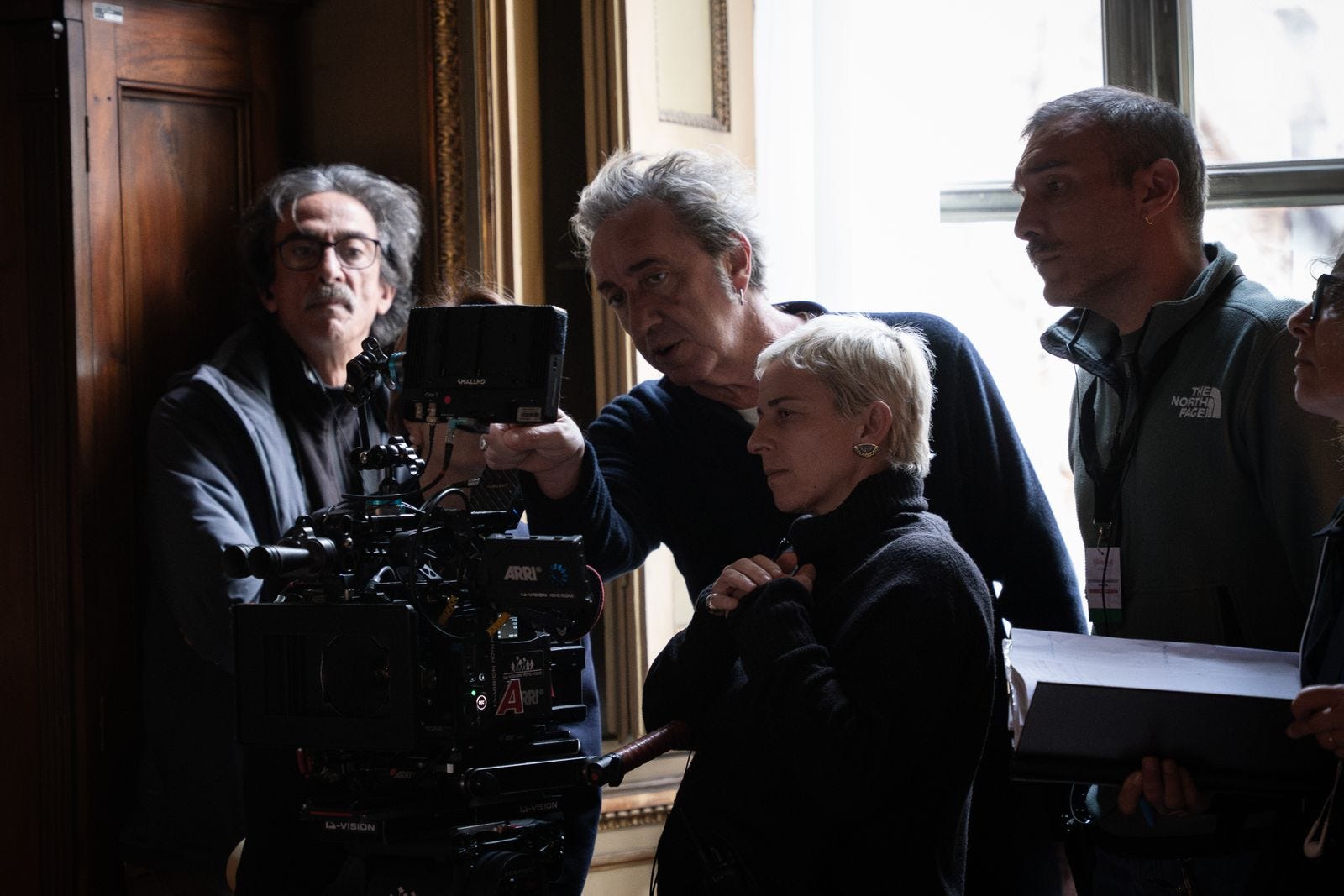
“The purpose of art is washing the dust of daily life off our souls” — Pablo Picasso
While culture, in the form of cinema, is far from mandatory for physical survival, in terms of spirit and soul, it’s undeniably crucial. Humans are not driven merely by instinct or biology. What makes us human is our ability to construct symbolic realities — narratives, myths, values, dreams.
Cinema is one of the most potent tools we’ve ever created to encode and transmit this symbolic software. Through it, we see ourselves — reinterpreted, idealized, deconstructed. It is not optional if one truly cares about having a mind that does more than eat, breed, and die.
Take away meaning, and you don’t get civilized humans. Instead, you get hollow ones — numb, violent, compliant, or self-destructive. What I’m calling “soul” here is not a mystical entity — it’s the interior architecture of symbols and values. And cinema is one of its master builders.
Ladies and gentlemen, the thing is, no one really wants to live just to exist. We all, in some way, desire to live for something.
And the vision of that something?
Often comes to us flickering in the dark of a theater, or on a screen late at night.
From Kubrick to Kurosawa, cinema has always been a philosophical scalpel, peeling back the lies we live under. It makes us look, even when it hurts. It awakens reflection — and sometimes revolution.
Now, the heart of the matter: how do we actually see, feel, and enjoy auteur cinema — screens that serve as the integrity of a man or a woman willing to say what they really think, no matter how studios or production teams believe it won’t survive on a streaming platform?
The brutal truth is — most people want escape, not confrontation. But truth is not always pretty, and genuine art is not anesthesia — it’s a mirror, a scalpel, a torch. It doesn’t numb pain; it names it, reflects it, and sometimes even transcends it.
“Why do I have to feel even more stress than I already have in my own life, or watch someone else’s ideology, when I have so much happening in my real life?”
This is the main objection modern audiences usually raise when it comes to certain kinds of films.
Well, auteur cinema, when you look at it for what it is, is not stress. It’s confrontation with buried emotion. The grief one never processed. The questions one never asked. The beauty one sometimes forgot existed. It doesn’t offer escape like a blockbuster — but it surely offers resonance.
Humans don’t grow by watching what confirms their comfort zones. They grow by being moved, disturbed, reassembled.
You watch La Dolce Vita and question the purpose of the “sweet life” within higher social echelons.
You see Hiroshima mon Amour and wonder how far a scar from war can travel, down to the most fragmented, intimate level.
This is not “stress.” This is depth.
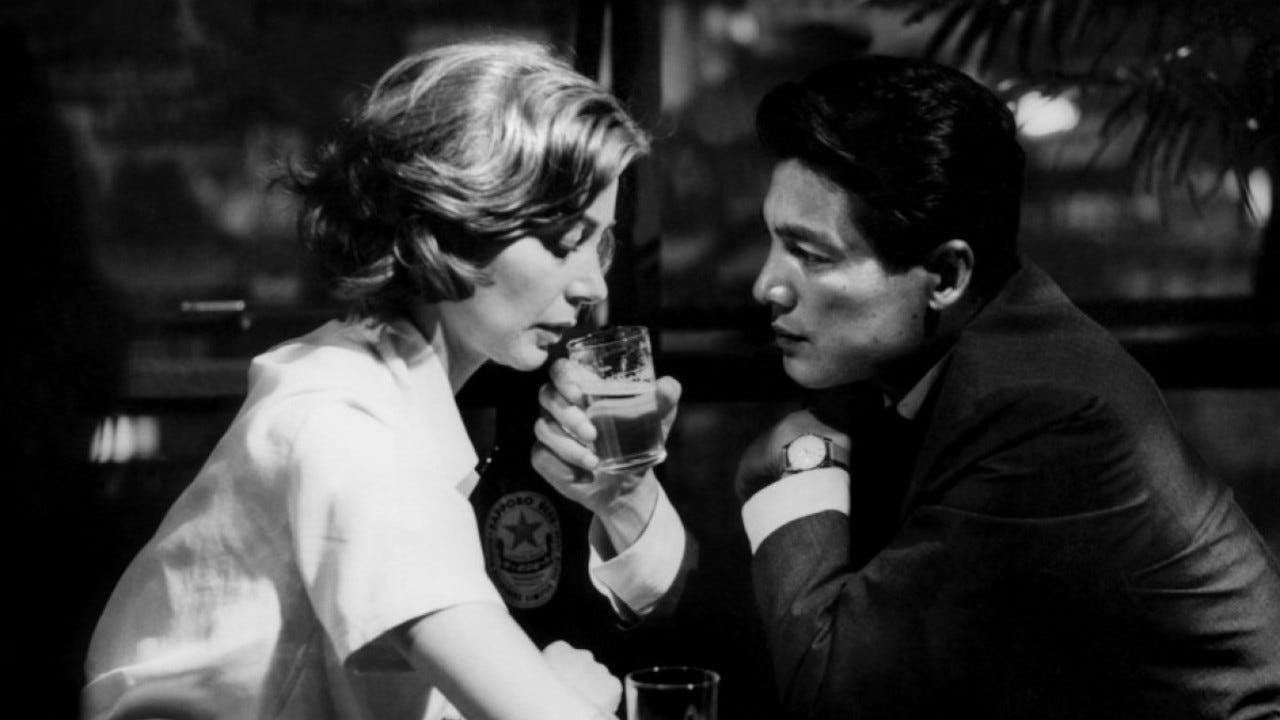
People avoid difficult art for the same reason they avoid silence: it reveals too much. The fear isn’t really about stress — it’s about being seen too clearly, about not having the emotional tools to process what surfaces.
To enjoy it is not to “have fun” in the traditional sense. It’s to feel met, challenged, and seen.
If I have to leave this editorial with a revelation that allows me to sit still in front of either my laptop screen or a niche cinema in town, it is this:
Let go of passive pleasure
Approach it as dialogue, not product
Expect discomfort
Don’t watch to escape life
Let the film challenge you
The right film — seen with open eyes and a willing heart — can burn through the numbness and remind you that you’re still human.
In the end, keeping auteur cinema alive isn’t about saving “high culture.”
It’s about keeping cinema from forgetting that it can think, doubt, and speak in a human voice — not just entertain.
So if modern cinema ever becomes only what performs well, then auteur cinema will be the last screen where the medium still remembers why it exists at all.