


Recently, I have been diving deep into the world of ‘design’ — specifically, interior and architecture.
With some essential reason in my work, I needed to become fluent in it in order to accomplish the duty itself — and that has led me to ‘Taschen’, the publication that devotes itself to the world of ‘lesser-known’ art and makes it exposed to the public.
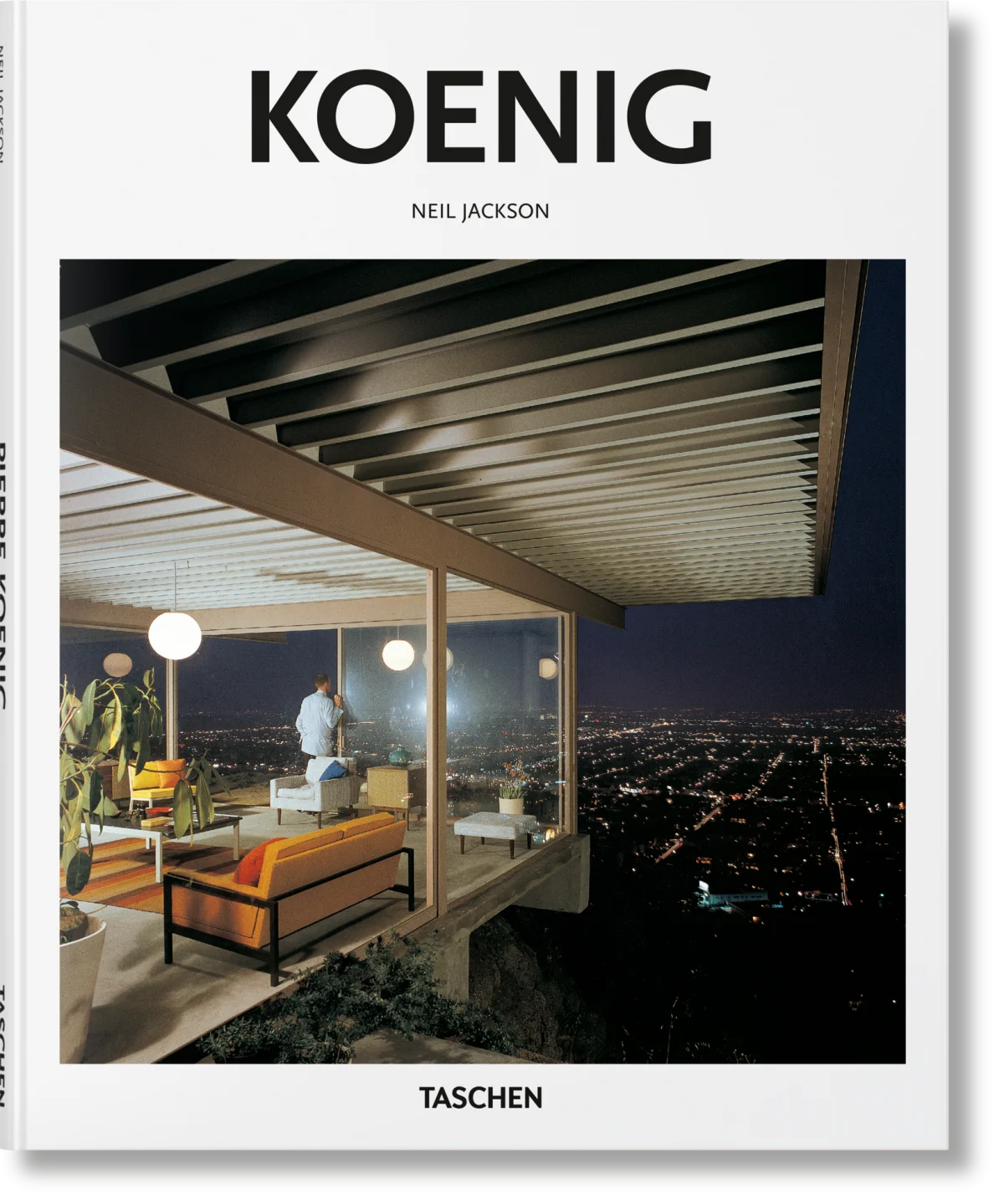
Even at first sight, it might seem like a typical coffee table book that serves more on the side of vanity than substantial message inside — but the one (or two) that I have read are far from it. Both contained iconic images of the Kaufmann House, featuring the name Neutra, and the other is none other than the Stahl House, with the name Koenig.
These two allowed me to understand and get used to the other language of ‘Mid-Century’ — the design world, from the ideology behind the architecture, to the very components of furniture, colour, and the dwelling experience one would have.
However, there was another thing that made me notice — the elegance of the professional class in the last century.
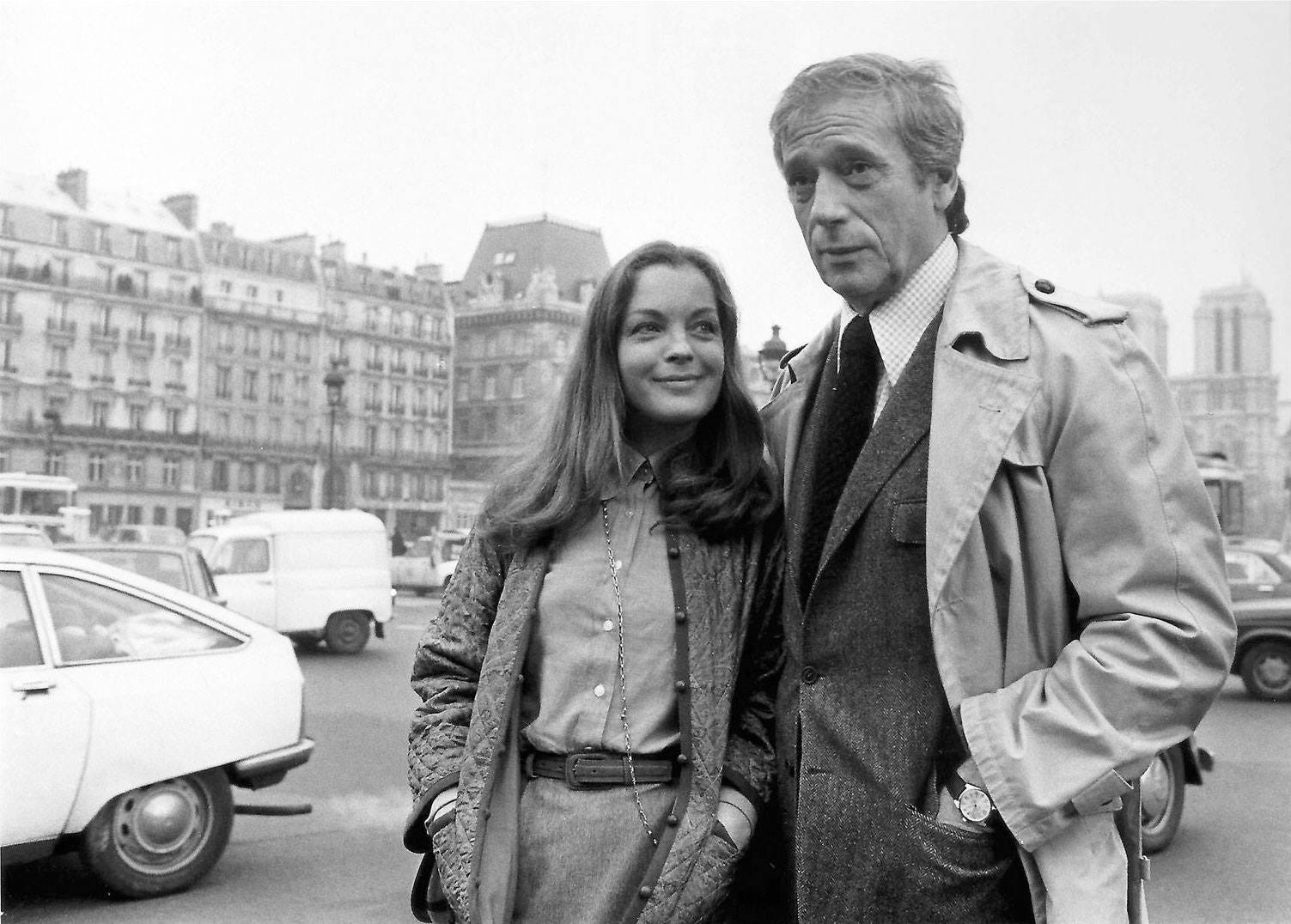
Ladies and gentlemen, take a look at these icons:
When you look at them — what do you see?
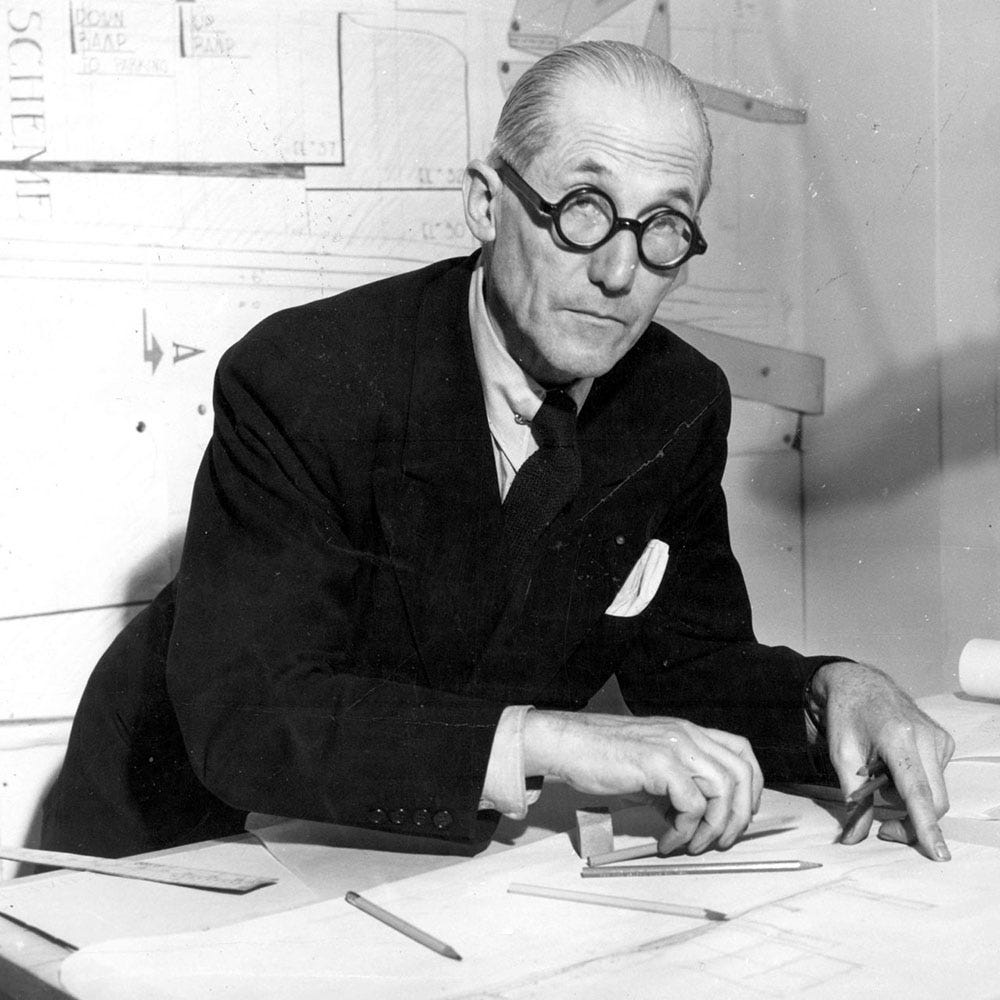

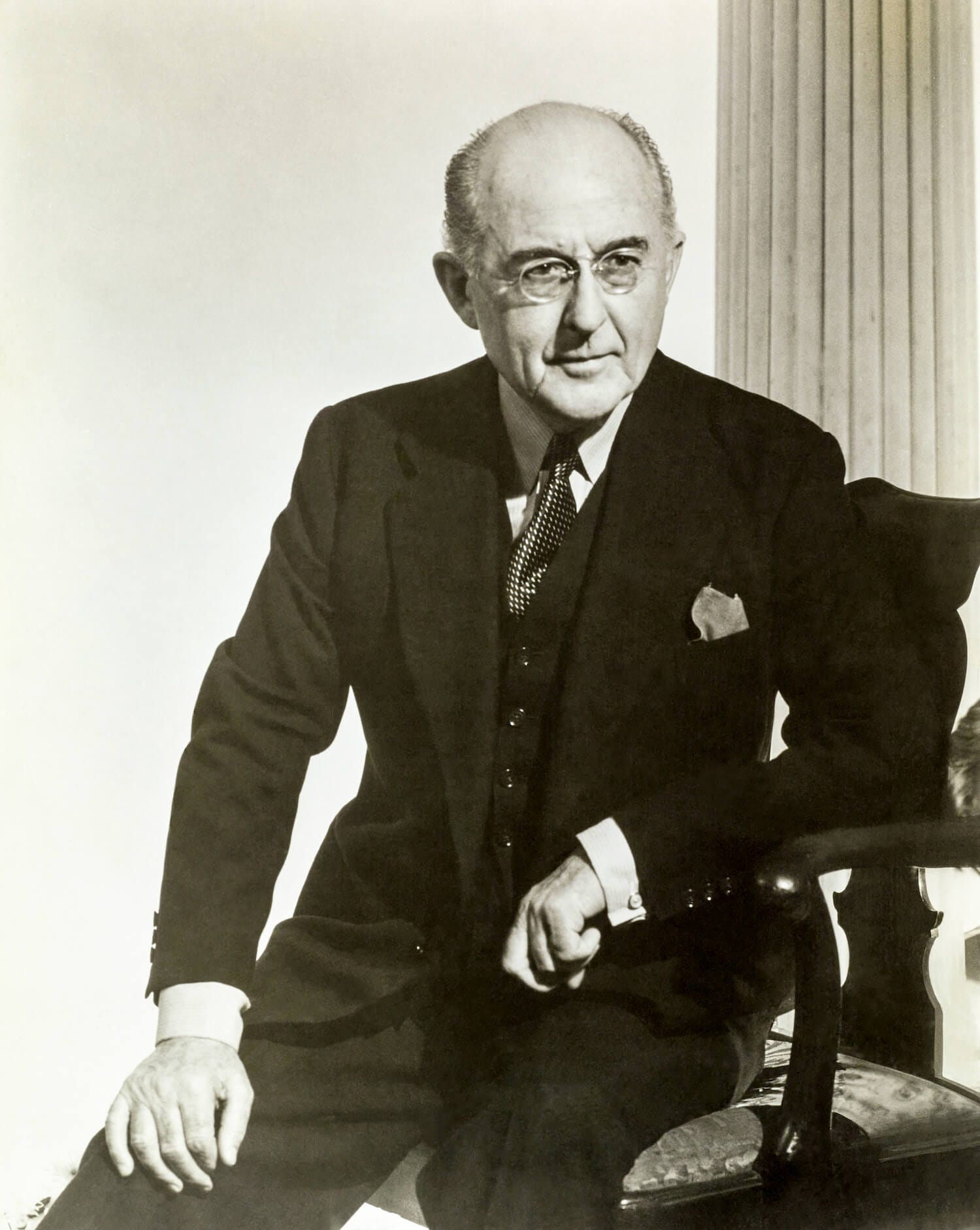
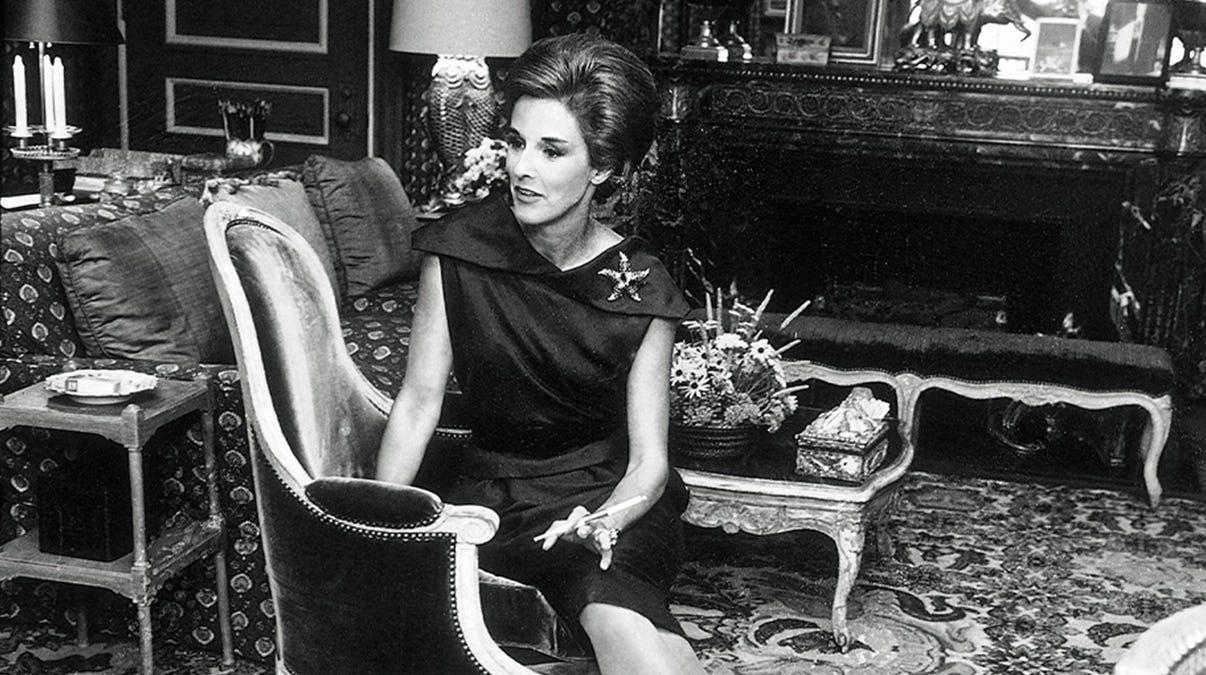
At Renaissance Flâneur, there have been plenty of times when I used the images of actors and actresses — icons who symbolised the ideal elegance of a bygone era — as the ‘appendix’ completing each editorial. But these figures I have named above, though their ‘faces’ and overall appearance are far from the gifted genetics that embody the ideal masculine and feminine, possess no less elegance than the eternal grace of Claudia Cardinale, or the composure of Gary Cooper.
The impression they leave is one of ‘competency’, ‘professionalism’, and the sense that ‘this man, or this woman, will get their job done in an excellent manner’.
The matter of interest is ‘Why?’
Why is the image of people who put intention into what they wear — to do the work — so significant, and so influential on the ‘perception’ we have of them?
And what are the qualities that modern day has — somewhat — forgotten to retain from those icons?
One thing I can reassure you of is this: it is more than just wearing tailoring, or high-quality clothes. (Though that affects it in some way.)
It is more about the fact that Identity, Appearance, and Elegance are inseparable. And contemporary life has somewhere discarded that along the way of civilizational progression.
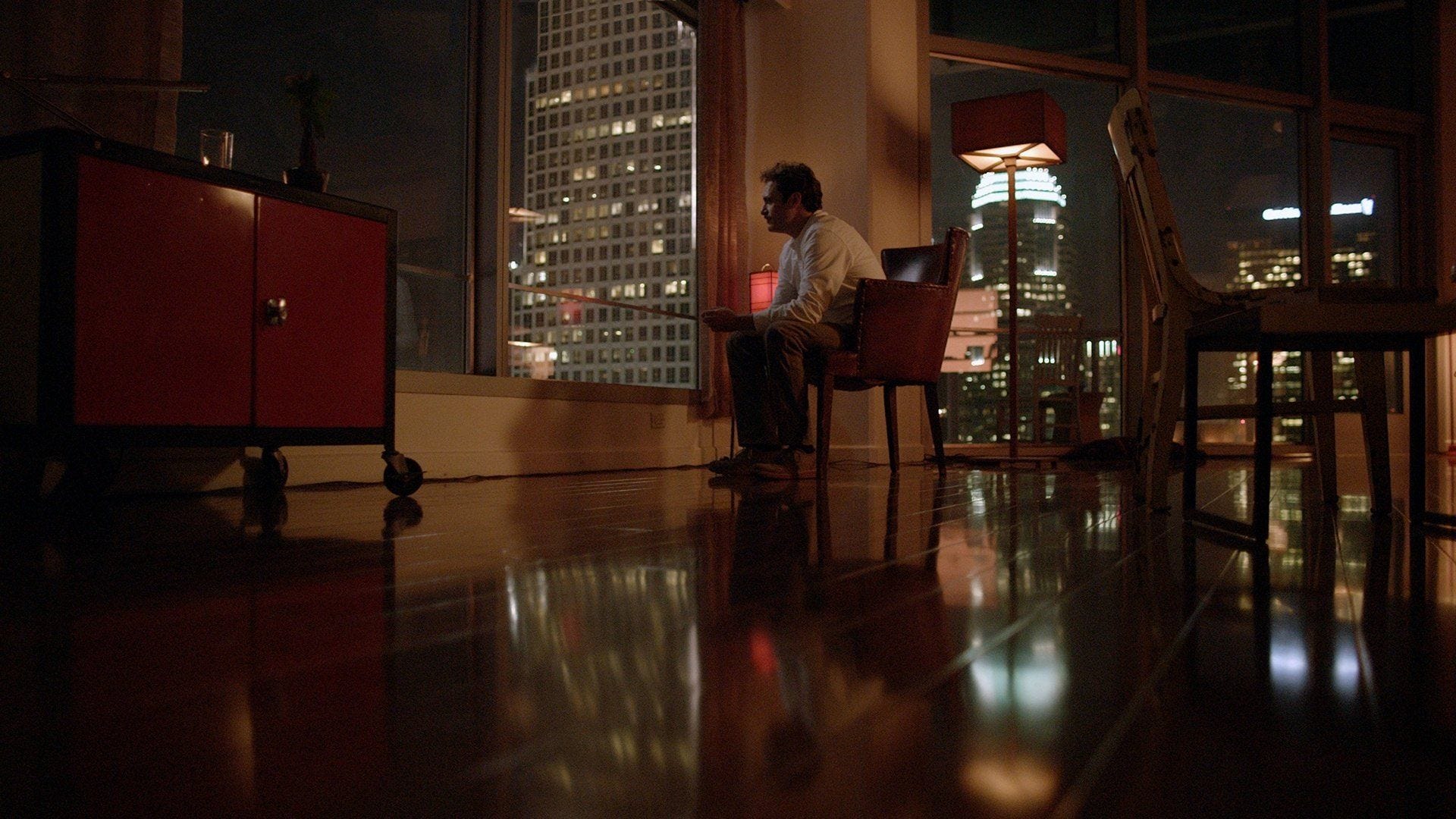
Look around you — what do you see from the current form of appearance on the people walking past, sitting still?
Though that certainly depends on the ‘place’ where you are right now, one thing that they likely have in common is ‘casualness’ — and by this word, I do not solely mean the behaviour of putting on the most comfortable top, bottoms, and footwear. I mean it as the paradigm of life.
When you consider that there are no restricted rules on how to dress when attending the classical theatre — which extends into the restraint of behaviour when one is within the performance itself…
When you realise that the scenery at the airport, and on the airplane, is now full of symbols that hail ‘comfort among all else’ — even when, many times, that ‘symbol’ is disturbing to others…
When you experience the ideology of ‘Casual Friday’ at the modern office — the act of slowing down, and turning the Friday into a weekly ritual of “let’s keep things a little more smooth”…
When all of these are considered a ‘norm’, then there is no doubt why the presence you have seen from Nast, Paley, and the many above can no longer be ‘normally’ observed these days.
The thing is — what has led us to this moment is the accumulation of societal revolution over many past decades.
In the early and mid-20th century, professionals were expected to project seriousness, discipline, hierarchy, and self-command. Their clothing, posture, speech, and restraint communicated that they belonged to a world of standards and judgement.
But since the 1980s, and further into the current millennium — as mass consumer culture, corporate bureaucracy, television, and eventually the internet reshaped society — institutions began rewarding people not for gravitas, but for relatability, adaptability, and emotional smoothness.
And this is where the ‘problem’ of the modern life lies.
Not that people stopped wearing tailoring itself, or became more relaxed in posture — but that we gradually stopped valuing the psychological qualities that formality was meant to reinforce.
The result?
Many institutions no longer project authority or seriousness in the way they once did.
When everything becomes casual, the distinctions between important and trivial begin to collapse — leaders speak like influencers, workplaces feel socially performative, and expertise starts competing with popularity.
So the issue here is not directly with casual clothing itself, but that a culture built entirely around comfort and informality often loses elegance, self-discipline, and the sense that some things should feel elevated, intentional, and worthy of respect.
The irony is — the easiest way to integrate those virtues into your life once again is through ‘clothing’ itself.
No matter how shallow, how superficial, how ‘fleeting’ it sounds — that “clothes matter more than fabric that regulates body temperature; they affect directly the perception within yourself and toward others” — that is the undeniable truth.
When you consider the idea we have covered so far — the ‘intentionality’ that reflects discipline, competency, and, ideally, elegance, once seen on the old figures — a huge portion of that ‘allure’ was created through their style.
Take David Ogilvy, the legendary advertising man of Madison Avenue, whose agency to this day still stands for ‘the best’ — the best in creativity, in efficiency, in ‘professionalism’. (At least, this is a perspective from an outsider of the industry.)
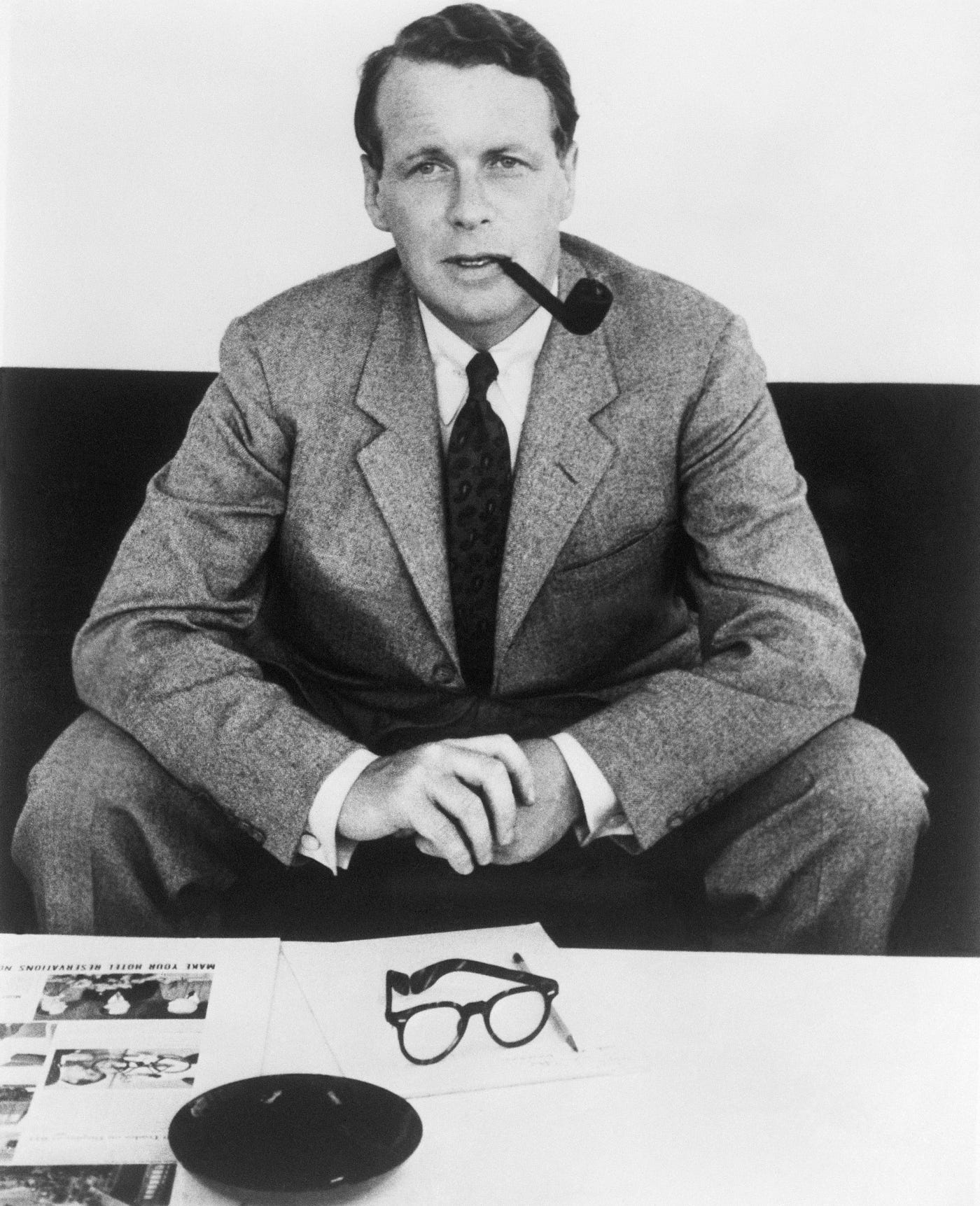
Look at how the man presented himself. A suit made of English flannel and the pipe that signals intellectual flair — garments that signal:
“I’m the embodiment of the sophistication you’ve seen from the British upper class. So does the work I do, and the agency I present, reflect that.”
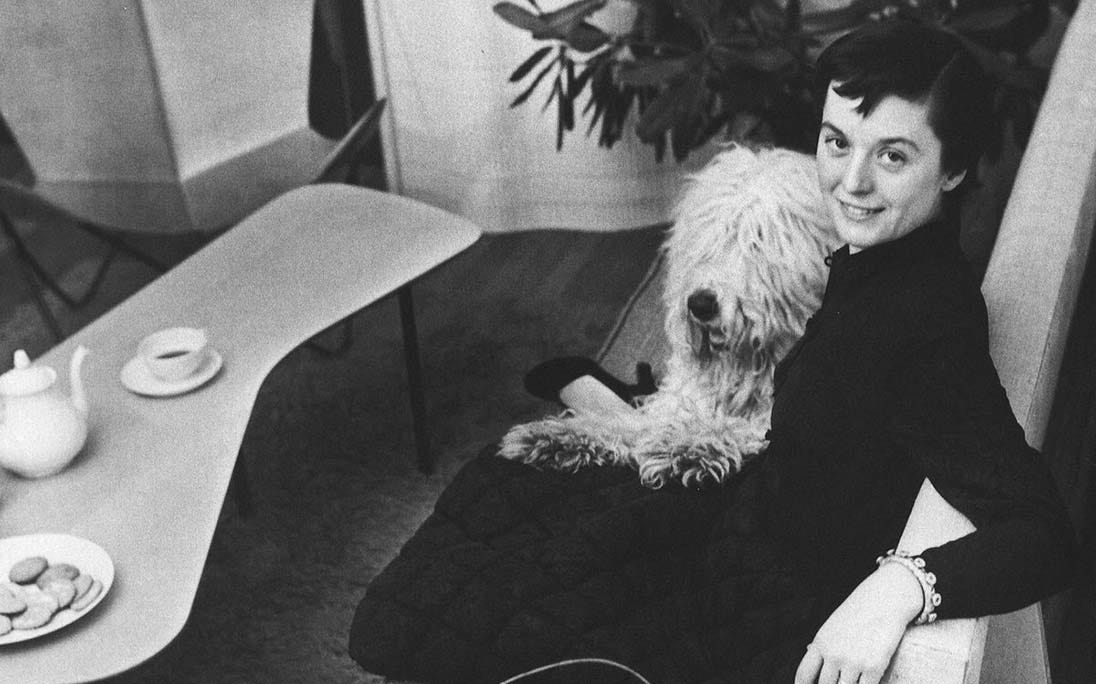
Another case is Florence Knoll — a very underrated name in the realm of the design world. Basically, she is the woman who created the modern workspace — eliminating silos, opening space, and integrating the ‘essence of life’ into the workplace. These days, her surname stands for the thoughtfully designed manufacturer that holds iconic pieces from masters like Ludwig Mies van der Rohe, Eero Saarinen, and Marcel Breuer — alongside her own designs.
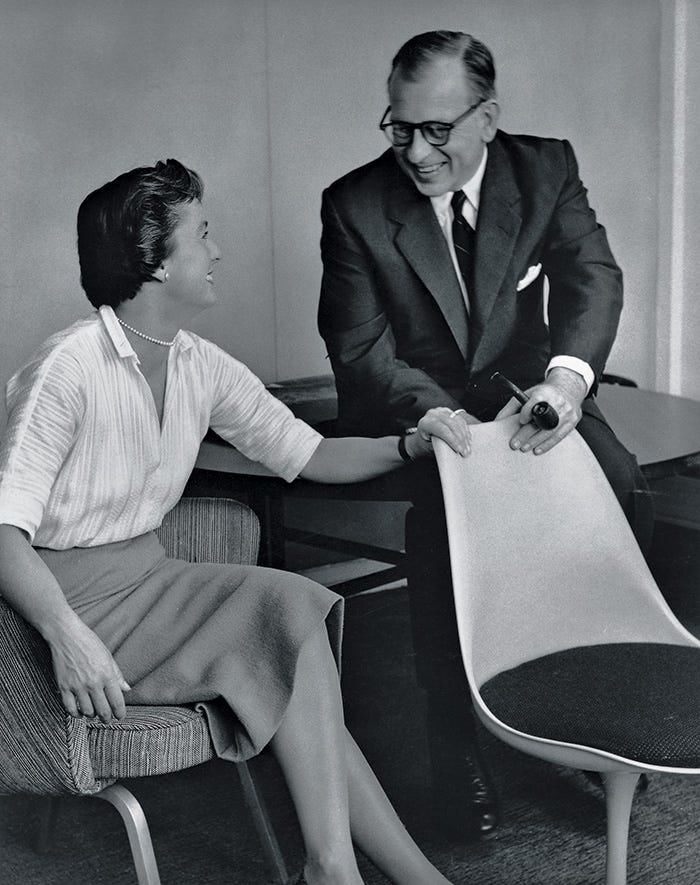
Considering that her years as an executive of a major enterprise — as a lady — were far from common, I do believe that the way she presented herself was deliberate. Not rigid, nor a masculine wrap thrown over her silhouette, but a grounded femininity influenced by the Dior New Look decade — only restrained, whispering. Enough for her to hold both her creative side, and the commanding side, of a lady who had to take her husband’s company into the future.
Now, I won’t tell you to put on a blazer every time you step out of the front door, or walk into the office. In the end, what people wear as a norm in the mid-century, compared to now, are vastly different. And elegance — cannot be achieved from one side alone. It must allow one to exist with ease, both within oneself, and in the way that ease reaches the others around.
So context matters.
I don’t know which sector of the work-field, or which city, you are currently in right now — so there is no universal metric on what to wear to ‘feel’ intentional, selective, and to signal competence both to the self and to others.
In the end, that is the combination of your personal taste (if you are wondering what the true meaning of it is, and how to find yours — check out this piece) and your surrounding.
But the big idea is this:
“When you put on clothes, shoes, fragrance, or anything that applies to your appearance — make sure it serves the identity you would not regret. Either on the day you are not meeting anyone, or at the social event of a lifetime.”
Basically — “How will I meet the world?”
And trust me, when you do answer that, every time you are dressing — your daily life will become more enjoyable. Both in the internal state of mind, and in the external feedback loop.
One thing we can all agree on now is that intentional presentation changes both your internal state, and the way the world responds to you. Because we, as human, are deeply shaped by atmosphere, ritual, texture, rhythm, and visual order.
When a person moves through life carelessly, their mental state often becomes careless. But when someone introduces deliberate form into everyday life — through clothing, posture, grooming, objects, or routines — ordinary existence begins to feel more structured, more grounded, more meaningful.
This means that a well-fitted coat, polished shoes, restrained colours, a thoughtfully arranged room, or simply carrying yourself with composure, can subtly change the way you think and behave. You will inevitably become more present, more selective, less psychologically scattered.
And externally, people respond to that coherence instinctively.
Someone who appears intentional and composed is often perceived as more competent, more trustworthy, more emotionally stable — before they even speak.
That is because human beings constantly read internal order through external order.
Modern culture tends to dismiss these things as superficial. But historically, refinement was always a way of resisting chaos. A way of saying that even in an exhausting and fragmented world, you will still choose to meet life with dignity, attention, and form.
Like the presence we can all sense from the figures of the bygone era — they have proved that being elegant has nothing to do with biological appearance. It is created through fabric, inner calibration, external gesture, and the willingness to stand for oneself at a standard so high that it automatically shifts the room into a singular concoction of energy.
Composure with Ease.