


At last comes the most wonderful time of the year. December is the season when celebration, joy, and gratitude fill the air, covering every corner of the street. Warm lights, the cold winter breeze—the perfect atmosphere. Yet, it is also a marker of an ending. The end of a year filled with incidents, both good and bad—depending on what one chooses to confront and absorb.
Of course, this piece will not be about the top five best moments of the year or the best purchases I acquired (though there were plenty of those). Instead, it is about remembering what we have lost—through the lens of elegance. Icons who symbolized this trait at its very best, perhaps knowing that this year would be their last before entering the realm of eternity.
For some time now—since the late 20th century—the idea of elegance has been in decadence. With the release from the constraints of old-world norms, tradition and discerning etiquette have been widely discarded. So too has a way of life been abandoned, replaced by casualness that often compromises class. Whenever one in the 2020s desires to learn, to cultivate such virtues, all that remains is to look backward—to what once was—through literature, art, cinema… culture as a whole.
And yet, ladies and gentlemen, 2025 has become another year that claimed significant icons of elegance—some of the last remnants of the old world.
There are three names to whom I would like to devote this piece.
The Last Gentleman: Robert Redford (1936–2025)
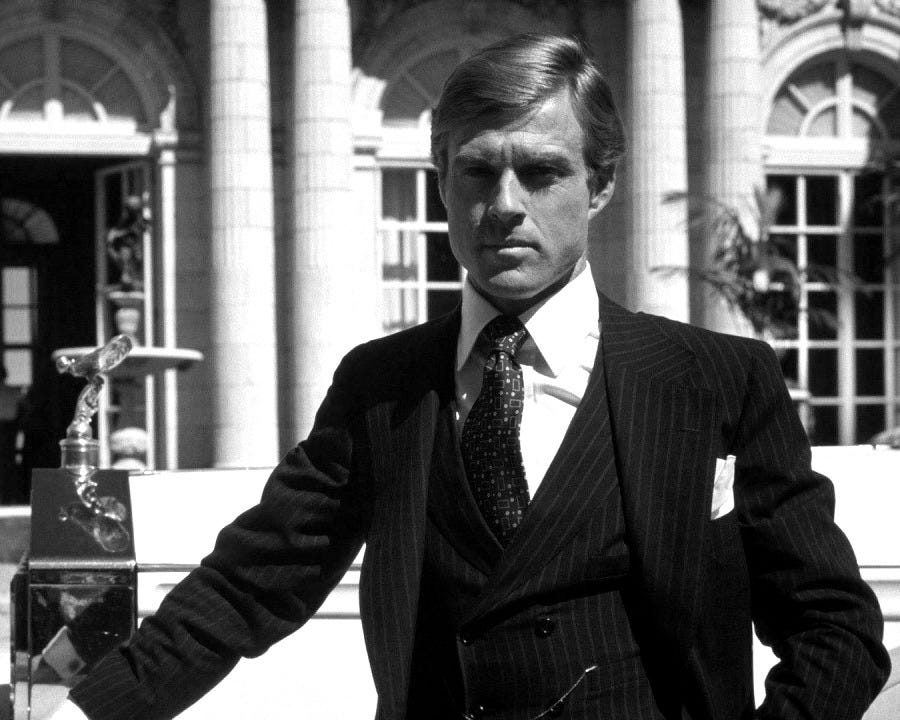
If you had asked me before last September whether there was a living role model of true gentlemanly virtue, my answer would have been Robert Redford. Though in later years his style leaned more toward the 21st century—loosening formality and presentation—and though he retreated into a quiet private life after five decades of dedication to Hollywood and cinema as a whole, his character and integrity remained unchanged.
He was still the same Redford I saw at the 1981 Academy Awards—the most handsome director in the history of the Dolby Theatre, walking in with quiet confidence and walking out with an Oscar.
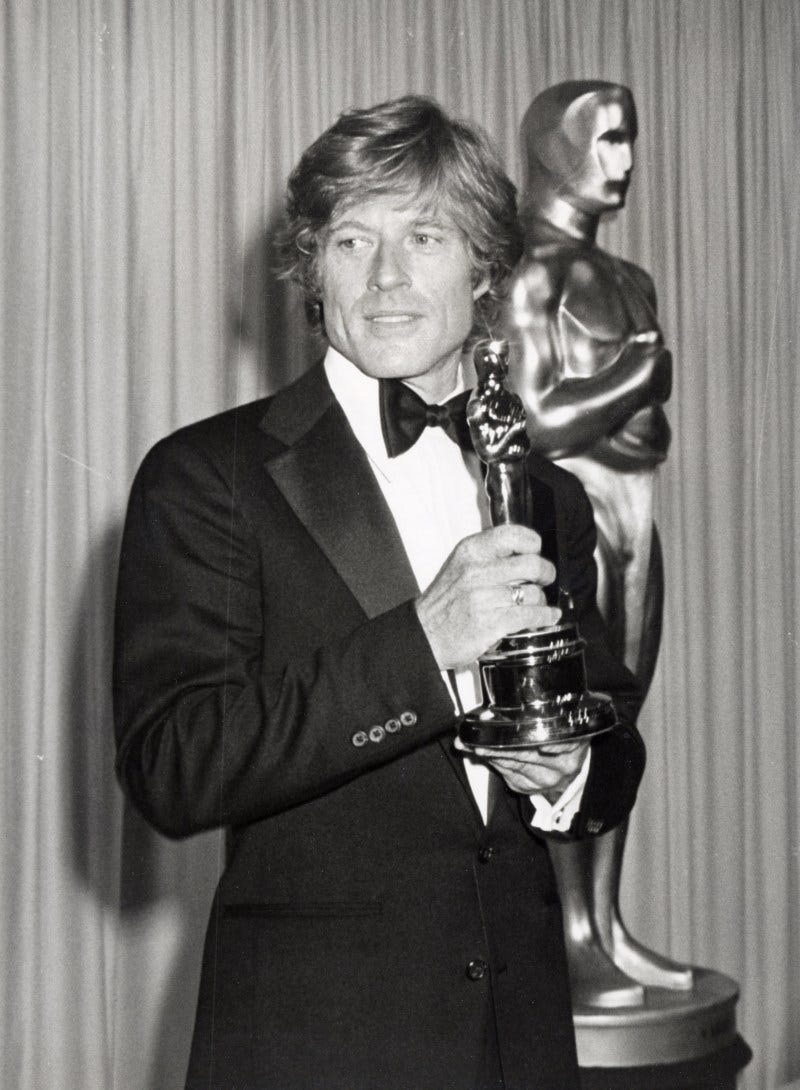
Passionate. Dedicated. Mr. Redford was the embodiment of a man who lived fully and true to himself. From his rise as a young star in This Property Is Condemned (1966) and Barefoot in the Park (1967), to becoming one of the defining figures of Hollywood in the 1970s—especially through his legendary collaborations with Paul Newman—he carried an effortless authority.
He later stepped behind the camera as a true auteur, directing Ordinary People, which earned him the industry’s highest honors. He went on to build one of the Big Four film festivals—Sundance—and devoted his influence to preserving things greater than himself, particularly in the realm of environmental advocacy.
In the way he dressed, the way he spoke, the way he carried himself—class was inseparable from the man. And in losing him this year, the world has undoubtedly lost one of its last true embodiments of elegance.
La Prima Donna: Claudia Cardinale (1938–2025)
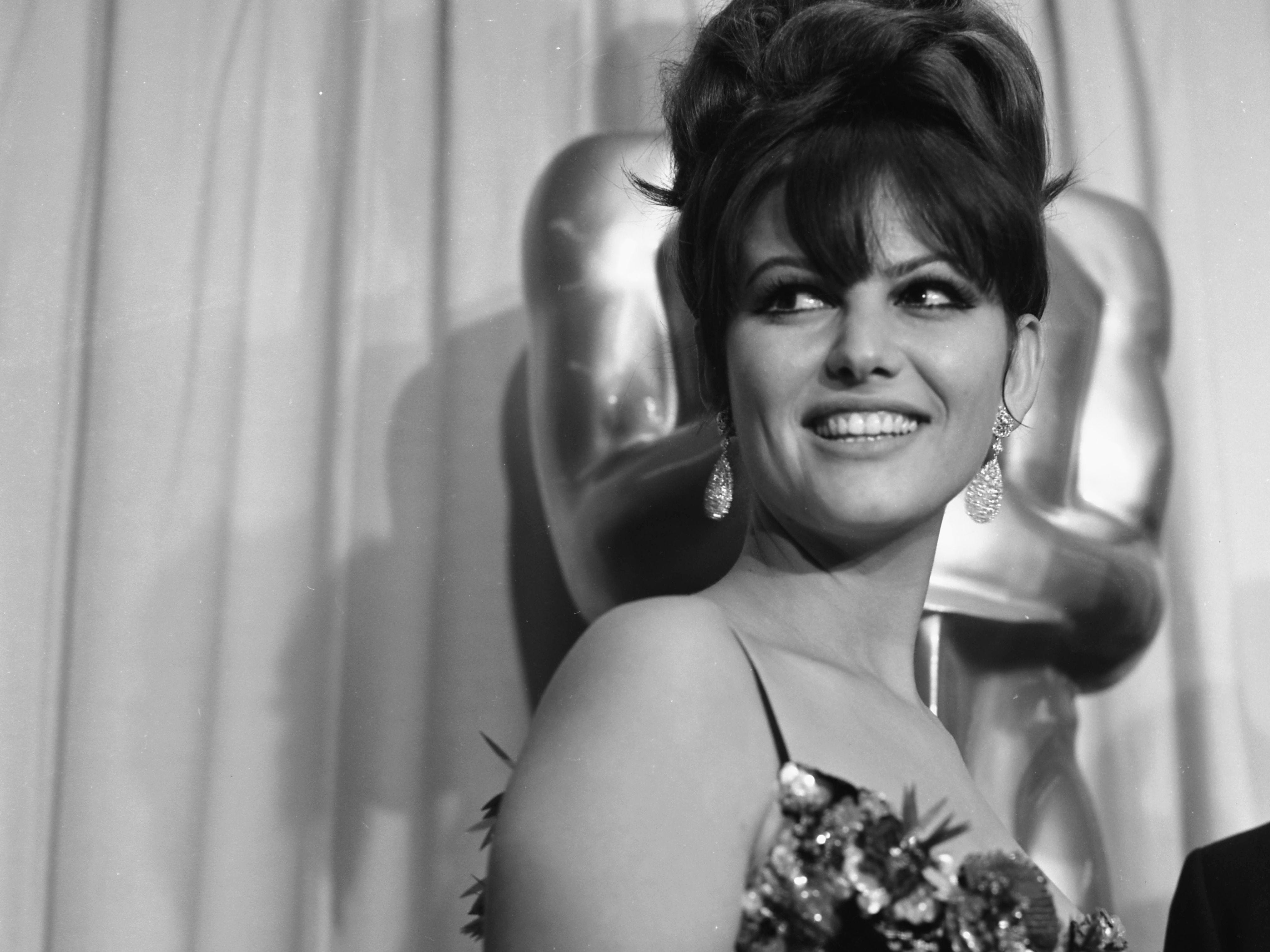
An eternal icon of mid-century continental cinema, Signorina Claudia Cardinale stood as one of the final frontiers of an era when enigmatic aura and divine femininity truly mattered—both on screen and in culture. Among Italian cultural figures who represented class, elegance, and the remnants of the old world—alongside Sophia Loren (whom I regard as the irreplaceable embodiment of la bella figura italiana) and Monica Vitti—the name Claudia Cardinale unquestionably belongs in the pantheon.
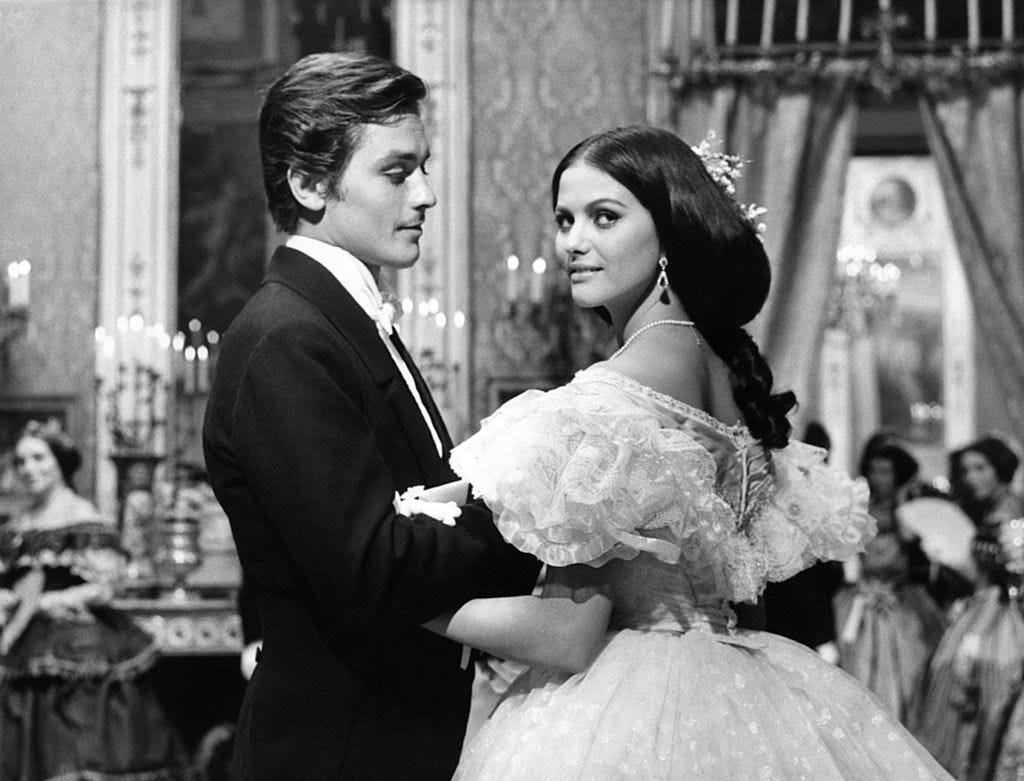
While the world may be most familiar with her face through Hollywood productions such as The Pink Panther, which captured continental beauty through American eyes (despite casting her as a princess from a Central Asian region), her true brilliance cannot be confined there. That radiance shone most profoundly through her collaborations with the legendary Luchino Visconti—from Rocco and His Brothers to The Leopard, both co-starring Monsieur Alain Delon.
Add to this her iconic portrayal of the ideal woman in 8½, Fellini’s masterpiece, and a filmography that spans over a hundred works beyond the 1960s. Though her roles varied widely, interpreted through countless personas, one element remained constant: the presence of an era’s creative vision. She was the embodiment of true femininity—an essence the world now unmistakably misses.
L’Architettura: Giorgio Armani (1934–2025)
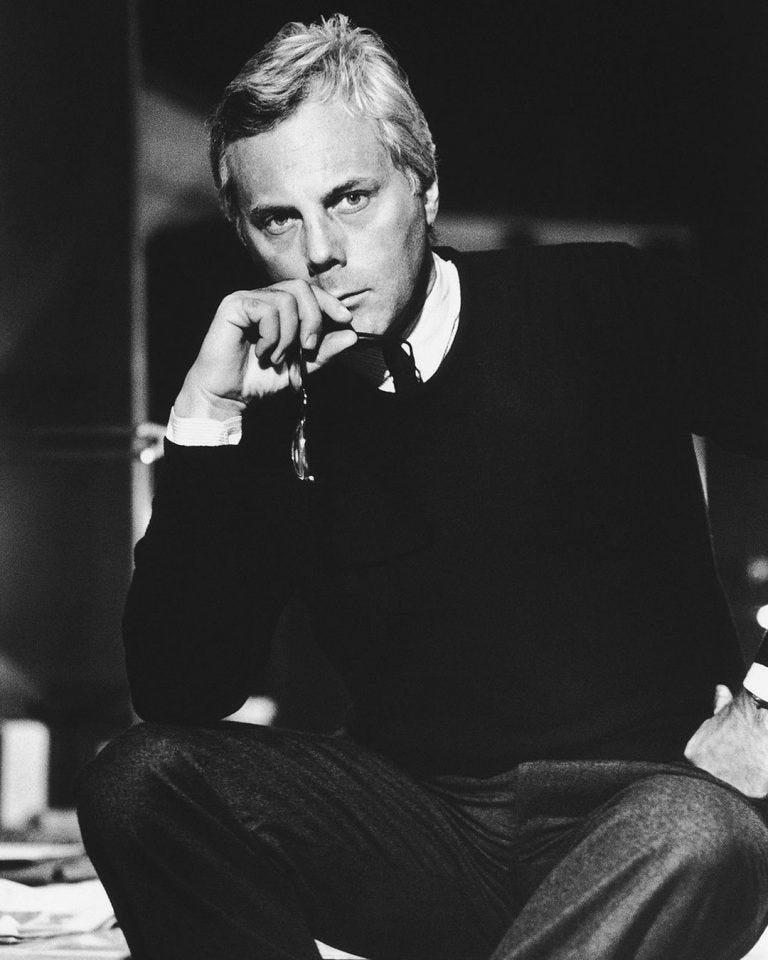
Throughout my entire sartorial journey, if there is one fashion designer—aside from Ralph Lauren—who convinced me that label and aesthetic can, at times, triumph over pure craftsmanship in the traditional sense, it is Armani.
It all began when I watched American Gigolo for the first time, during my early years in the sartorial realm, intentionally studying the fashion and style of the 1980s. That image of Richard Gere in a fluid double-breasted 4×1 with notch lapels struck me with surprise—and admiration. It was my first true encounter with Armani’s vision.
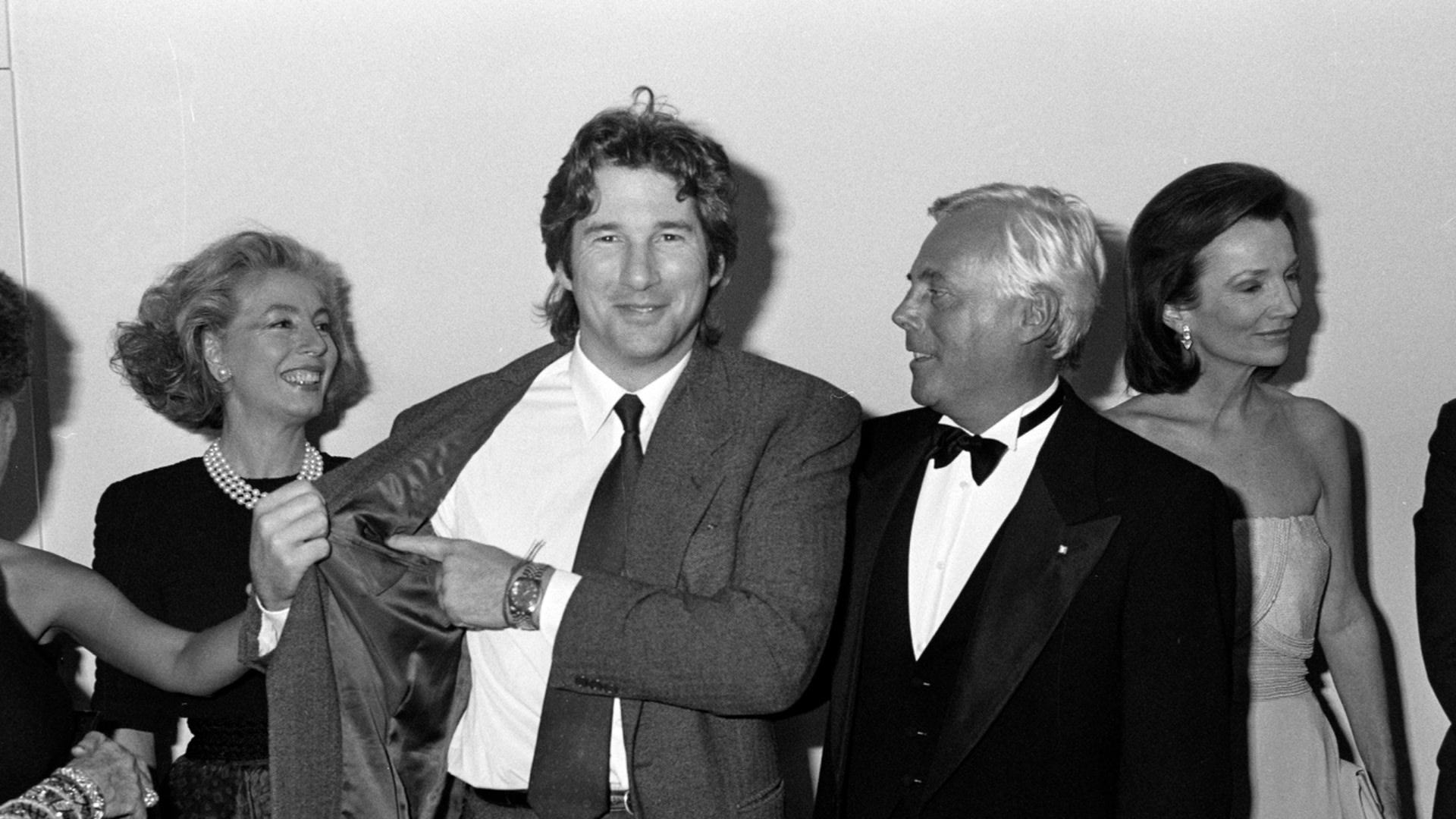
Trained and mentored by Nino Cerruti—an often-underrated figure in menswear—Giorgio Armani, particularly from the late 1970s through the late 1990s, revolutionized the world of tailoring and set the visual standard of the 1980s. Whenever one searches for “1980s suits” or “1980s style,” the same silhouette appears: broader shoulders, elongated lines, effortless drape—all born from his design philosophy.
His world—expressed through clothing, couture, and interiors—perfectly reflected his iconic words: “Elegance is not about being noticed, but being remembered.” I would argue that the name Giorgio Armani itself is the embodiment of that sentiment—one truly worthy of remembrance.
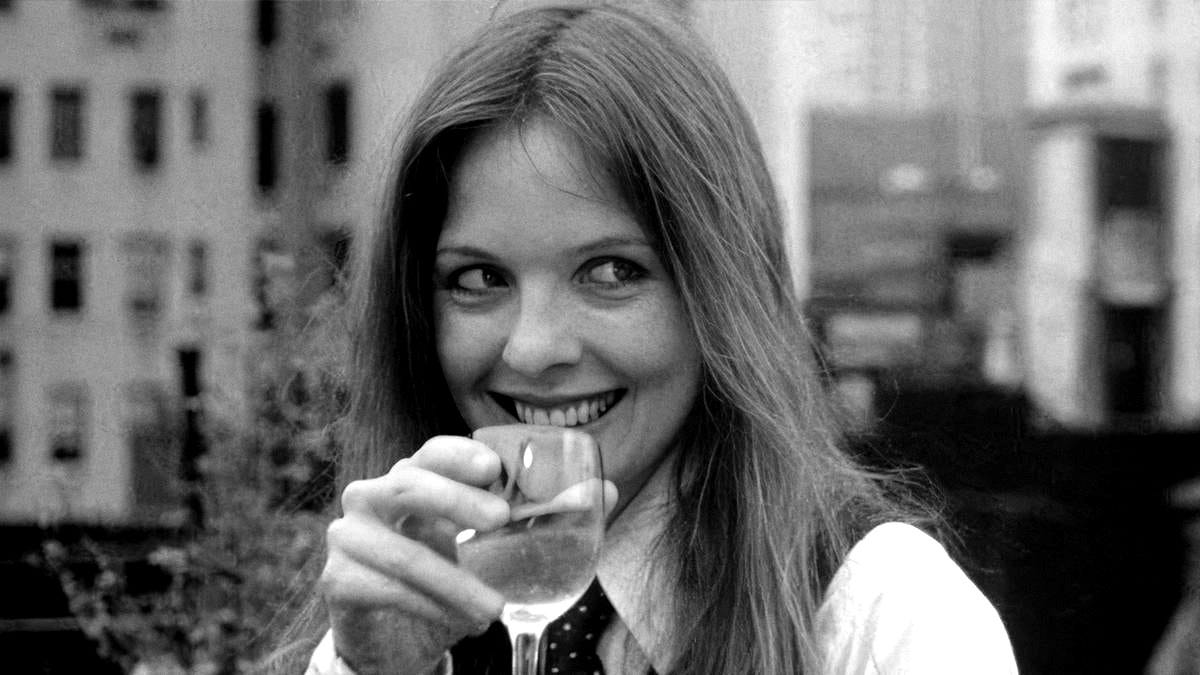
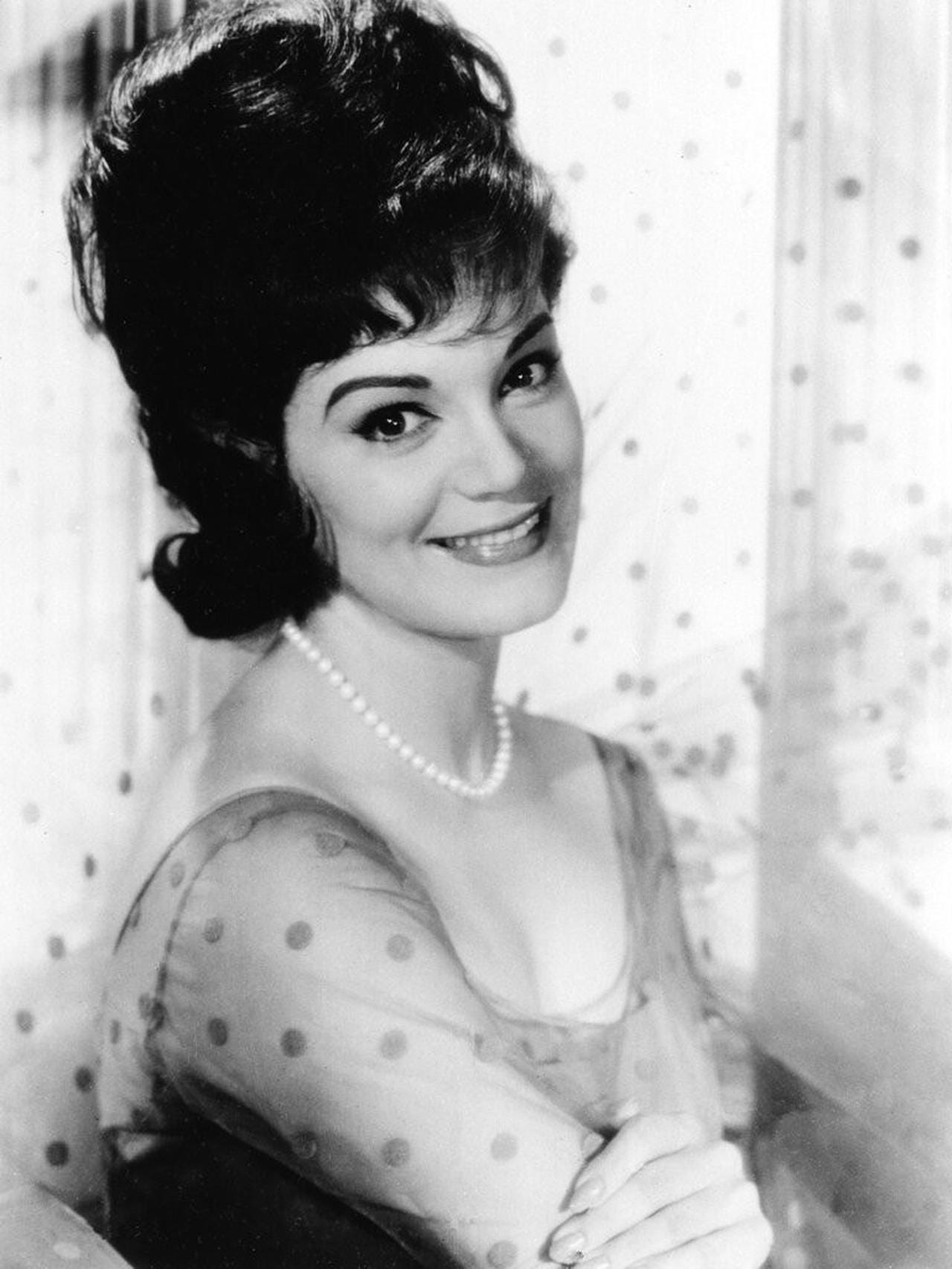
2025 did not only claim these three. It also marked the passing of figures such as Dame Diane Keaton, Dame Connie Francis, and many others—another year in which icons of a bygone era quietly departed.
The purpose of this piece, beyond paying tribute and honoring their virtue and character, is to remind us of what the world once possessed. What Redford, Cardinale, and Armani share—beyond being born in the 1930s—is the symbolism they upheld. They represented a time when elegance was expected, celebrated, and embedded in mass culture.
Each, in their own domain—cinema, fashion, personal conduct—expressed this ideal through distinct forms, styles, and characters. They remind us of old-world virtues that remain worth preserving, even as much of modern society has discarded them, or forgotten they ever existed.
This is precisely what Renaissance Flâneur stands for. And it is my hope that in the coming year, it will serve as a beacon of preservation in a world of elegance—to be a place that celebrates it, gives it voice, and allows it to survive amid the entropy of the overly casual.