


There was an unusual sight this morning.
Sunday, 4:57 a.m. I was driving to a local park near my place, having arranged to meet a friend there. What surprised me were the cars — the lot already full.
At this very spot, four years ago, when I was training for a full marathon and came here for the weekend long run, there would have been sixty per cent of the spaces still empty at this hour. At first I thought it might be more forgiving further in. That the long line of cars stacked at the park entrance was an anomaly, and the real crowd would only arrive with the dawn.
I had it wrong.
I drove on to another lot with more space and secured a place there. My friend had already arrived in his silver BMW. We looked at each other and asked, without any words first:
What on earth is happening?
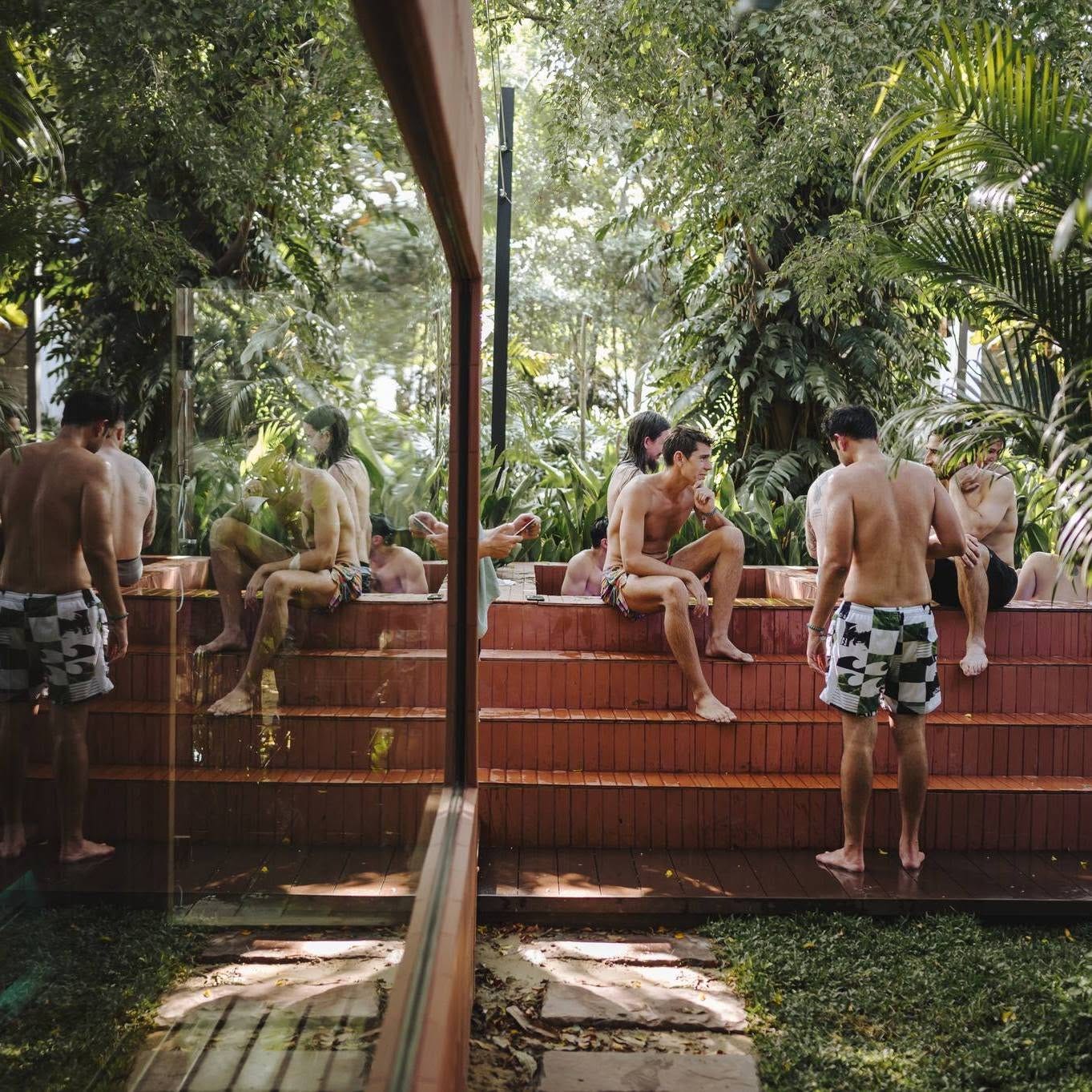
It is clear enough. A major global wave, and Bangkok is one of the cities that has taken it up entirely — mass-level health consciousness in urban civilian life.
Many have turned the volume down on alcohol. Running and community sport have become status symbols. For a certain set, this is simply the new cool thing in town. So it is no wonder that the park my friend and I thought of as private, a training ground for a 26.2-mile event, is now full of faces before sunrise.
There is also a word turning into a buzz in the social sphere here.
Longevity.
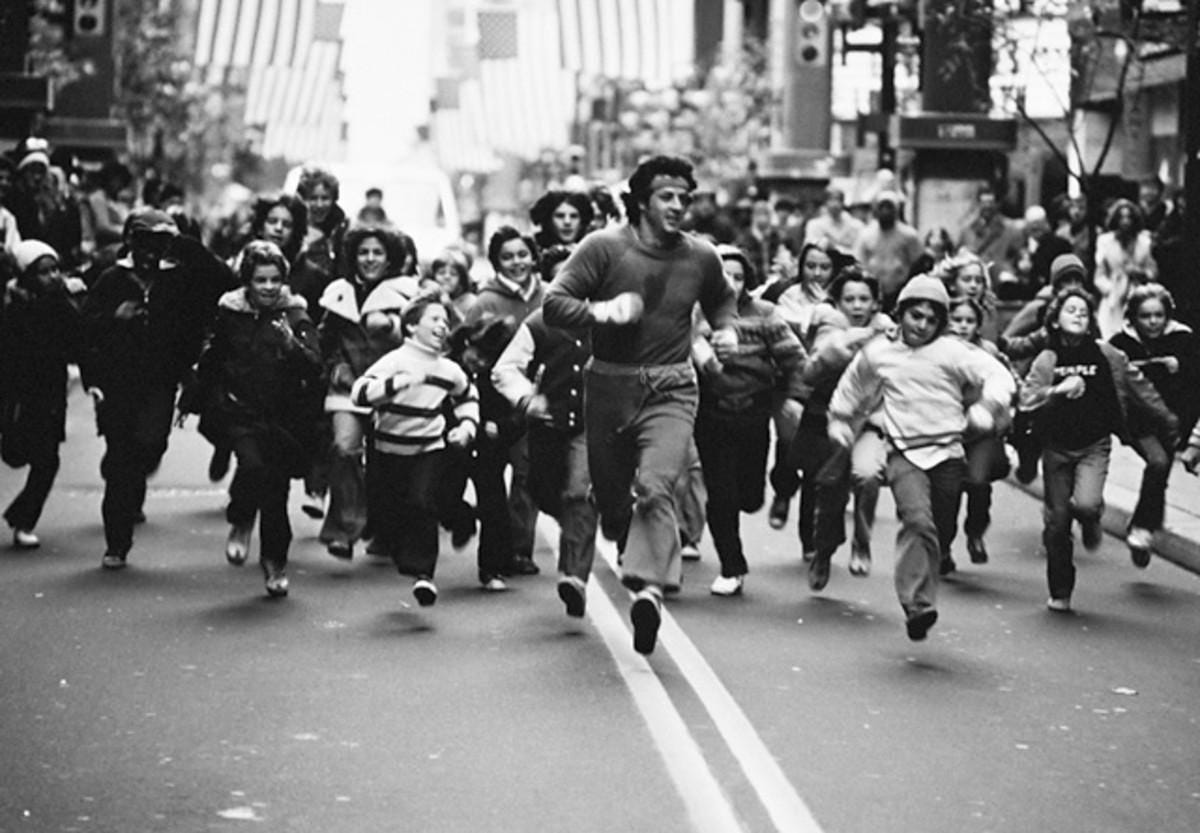
The purest meaning of it is something like remaining for an extended period. In this context: health span, and life span. Led, largely, by the nouveau riche of the twenty-first century — the body in the ice bath, the hyper-selected diet, the dozen pills taken daily, all of it documented.
I know how obsessive this can become. I was once the gym nerd tracking everything in MyFitnessPal, back in 2018.
But it leads me to something. The health-consciousness trend is a thing I have heard about for as long as my brain has been fully functioning. So the question is not whether it is new.
The question is: Since when did taking care of one’s health become an optimisation problem — a metric-driven pursuit, converted into a KPI for a good life?
Running is a score. Eating is a score. Sleeping is a score. Posting all of it to Instagram and TikTok is another score.
Since when did longevity become this much?
Because whenever I look at figures like Ralph Lauren or Robert Redford, they seem to represent the opposite position within the same lane.
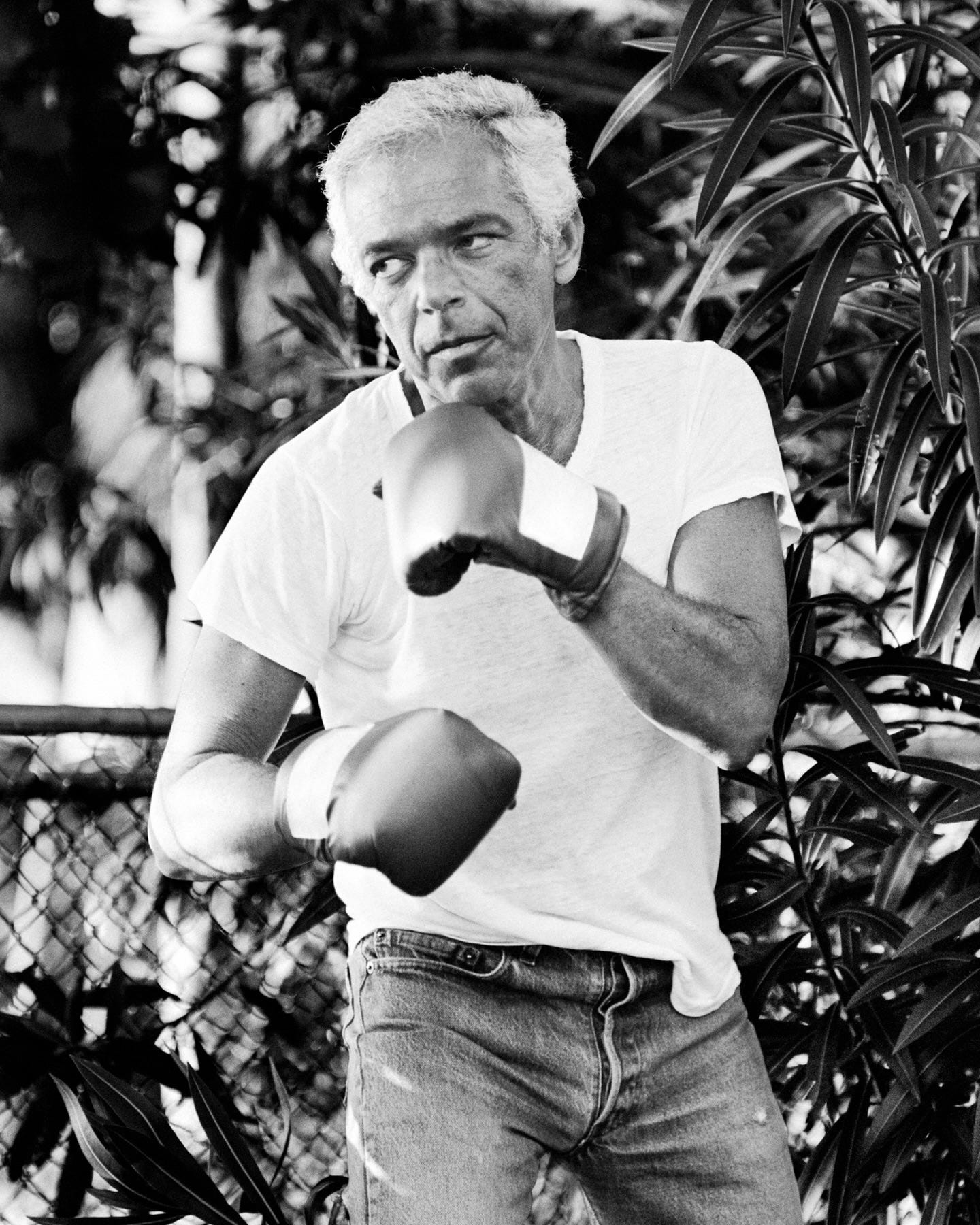
Of course they had means. They could afford excellent food, the advances in medicine, whatever supplements they wanted. They had more time and more capital than most people to put toward prioritising longevity at all.
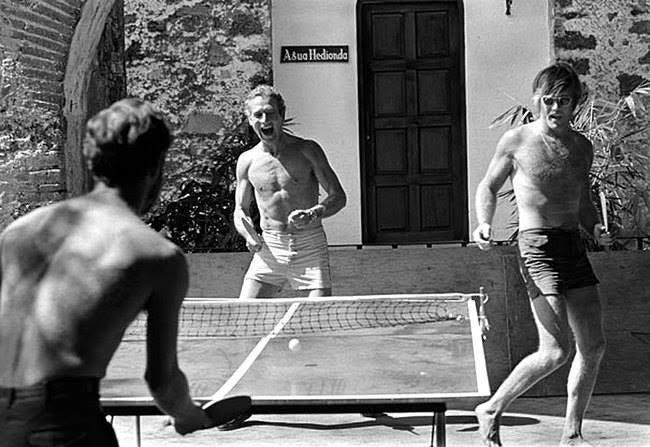
But look at the old black-and-white images. Redford playing ping-pong with Paul Newman, shirtless on a summer day in the late 1960s. Ralph Lauren through the 1970s — the athletic life, the adventuring, on campaign and off it, with his family.
Those men turned longevity into a lifestyle. Not into a specimen to be optimised.
Redford passed away last year, which I was sorry to see. And Ralph Lauren, though he still appeared at the end of his recent womenswear show, is a reminder of the same thing: nobody escapes the biology.
It remains worth taking care of anyway.
So the matter is this. What do people actually want from the phrase taking care?
A 100-out-of-100 scoreboard of optimal checkmarks? Or simply a life well lived, sustainably?
There is no absolute answer, I am afraid.
If the goal is to defy death and hack the biology, then perhaps that is the great life, for the person who holds it.
But if it is not — then a brief moment of zooming out, and deciding what a great life means by one’s own definition, seems worth the trouble.
In my case, for now and onward, it is to preserve the longness of life. To extend the time these organs keep functioning — in order to keep seeing how things evolve, to keep finding interesting things to do and subjects to read.
With that in mind, exercise and a conscious diet become part of life rather than a project. Not forced. Simply allowed to sit inside the identity.
That part feels effortless.
The only thing left to accept is that even at 5:30 in the morning, the park that used to be free and open for a Zone 2 run will not have space for much longer.