


There is no film festival in the realm of cinema that holds the ‘prestige’ of Festival de Cannes. While it is true that there are four other stages completing the ‘Big Five’ grand narrative of the world’s biggest film festivals — Venice, Berlin, Toronto, and Sundance — Cannes has always held a particular hold on my attention.
Back when the festival began in 1946, the intention was pure: “to create a political-free stage for films that existed without intention to involve a specific social agenda” — a founding principle that, ironically, somewhat contradicts the landscape Cannes has occupied in the past few years itself.
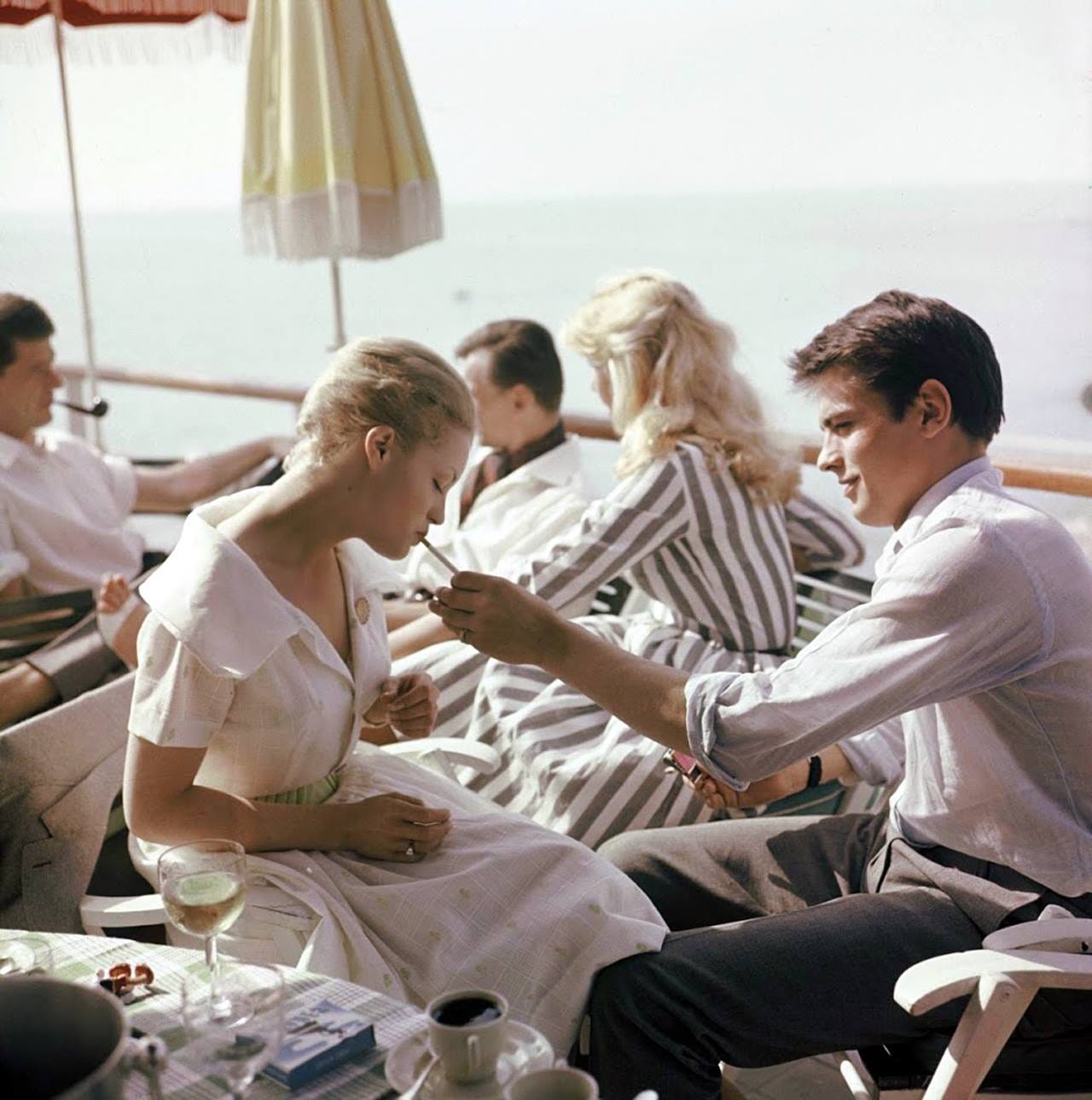
In those old days, the festival contained a unique combination of characters. Due to its famous jet-set destination, the Riviera glamour, and the rise of the French New Wave who disrupted the cinematic world from Hollywood during the Post-WWII era — Cannes stood as the place where filmmakers were stars. No less than the iconic actors and actresses.
The name Federico Fellini, and his La Dolce Vita which received the Palme d’Or in 1960, had an equally memorable presence as Marcello Mastroianni. Luchino Visconti’s The Leopard stands as the significant epic drama that left a mark on the stage with the Palme d’Or in 1963 — shared and equal stardom with Alain Delon himself.
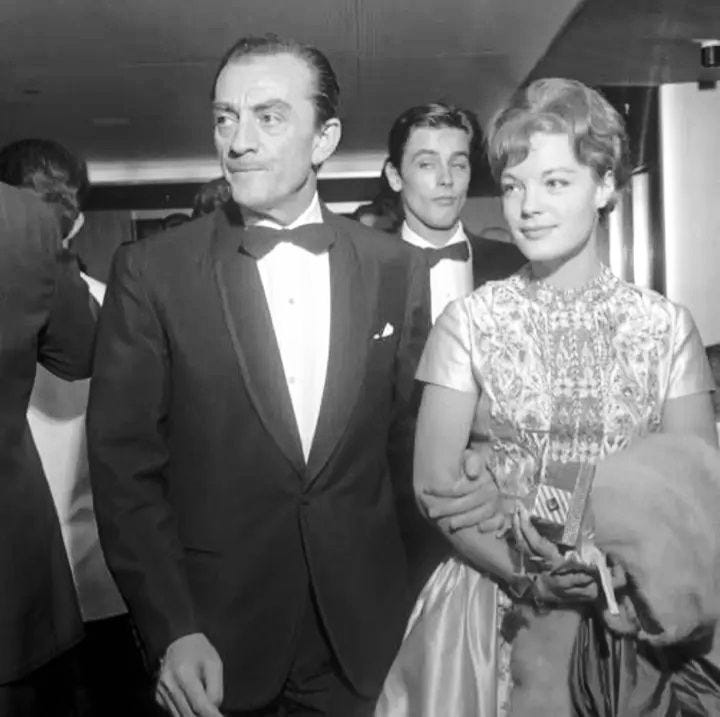
Nowadays, Cannes has somewhat turned into a commercial stage for aesthetic and vanity. The media puts its attention on individuals who have nothing to do directly with the film that received its premiere, or its award, rather than the actual people who worked on the piece. You can see the faces of pop-culture figures as brand ambassadors for so-called ‘luxury’ brands on any social media feed more than directors who proudly present their work at the festival itself.
Such is the nature of ‘art’ — it needs monetary capital to survive within capitalism. So the phenomenon of various sponsorships from apparel, cosmetics, and luxury goods, held as the main interest in the media, is justified — at least, it makes the festival ‘appealing’ and gets attention, so that the magnates can fund the tradition.
Only — back then, all the glamour existed to support cinema as the protagonist.
Now, cinema is just the rationale for the glamour to storm into each personalized algorithm.
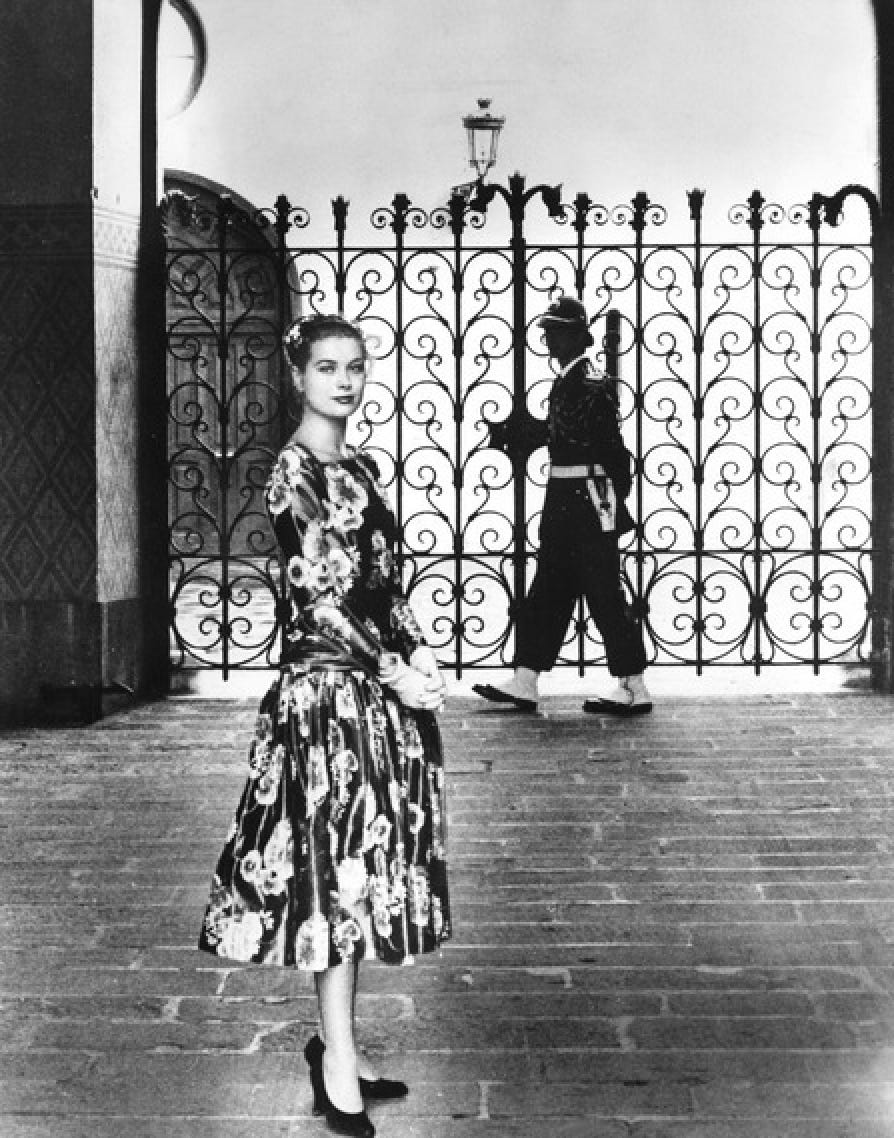
In the 1960s, the old photographs of Cannes suggested the ‘fantasy’ itself.
Brigitte Bardot on the beach.
Grace Kelly surrounded by photographers.
Alain Delon and his demeanor that captivated every eyesight.
But still—they were just the gateway to cinema.
Now, with a person like Bella Hadid — or any digital-age celebrity you can name — who can generate more global impressions in ten minutes on the Cannes red carpet than many competition films receive during their entire release cycle, no wonder the main spotlight has shifted to vanity instead of substance.
Cannes, just like many old-world traditions, has become a mirror of the broader civilizational shift itself. A reflection that modern mass culture no longer rewards a format that requires depth, attentiveness, and artistic flair — but turns instead to instant virality, recognizability, and the things of monetization.
The matter now, just like many other aspects of modern life, is dependent on the individual more than ever.
If the mainstream has stormed out the core essence of what Cannes really is — or at least the main substance of the festival itself, which is cinema by filmmakers from all around the world — then the job of the modern cultivated is to look through the surface beauty behind couture pieces, attention-demanding gestures, and loud makeup. Into what stories the directors have to present this year.