


“One thing I will do for sure, when I arrive back at my place in Bangkok, is to ‘integrate’ the well-considered design you have here into my own space.”
That was what I told my Airbnb host and friend—Alessandro—when I was in Milan last winter.
His apartment at Via Pasquale Sottocorno 9—while certainly spacious, with multiple rooms—held something more compelling: the idea of creating an atmosphere that felt calm, present, and serene within it. The thoughtful placement of lamps, a well-crafted chair from the late 20th century, and, of course, postmodern artwork—deeply regarded within Milan’s cultural sphere.
With that thought in mind, it ignited a new perspective in me; whether in observing fleeting life in the city, or in watching films, I began to find myself drawn to the materials—the chairs, the tables, the buildings—to feel the space through the visual language of cinema, particularly from the 1960s.
And just as I once fell completely, almost irrationally, in love with clothing and fashion—this time, it is design.
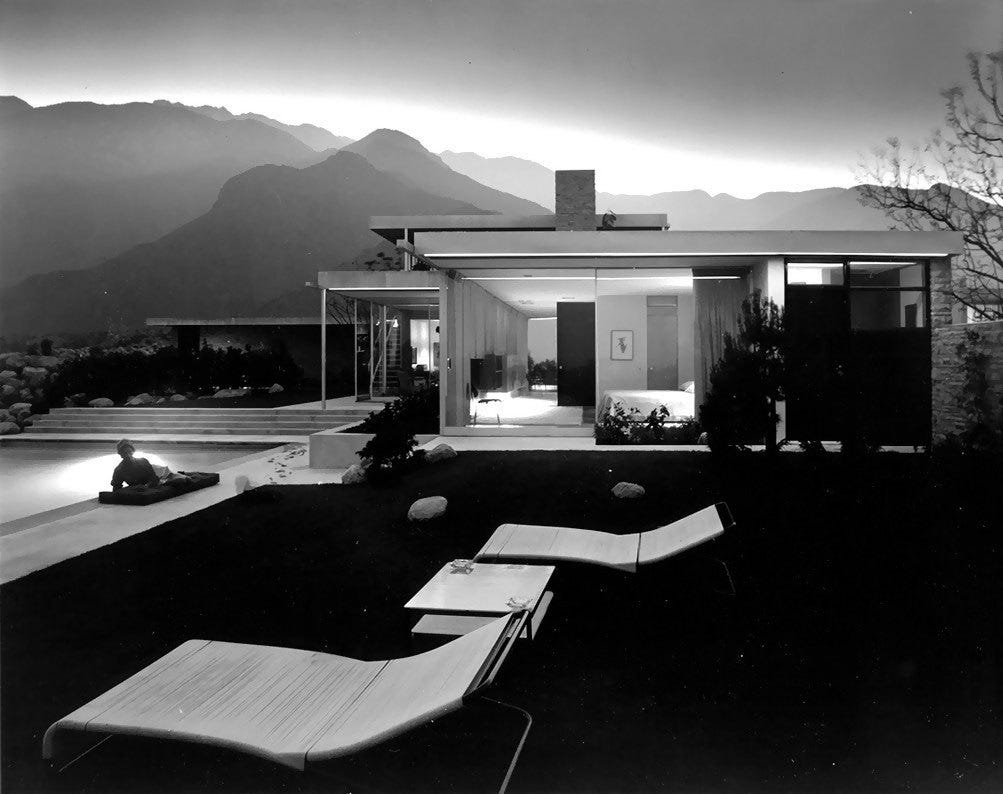
In recent weeks, whenever a cultural moment arises, I find myself leaning toward names such as Tadao Ando, Charles-Édouard Jeanneret, Julius Shulman—and, certainly, cinema that represents ‘design’ during the mid-century period I so admire.
Ladies and gentlemen, one thing I can firmly say to you here is this—design is a part of life that is worth every minute spent cultivating into one’s cultural fluency.
If you wonder why—then we must first clarify this term…
“What is Design, actually?”
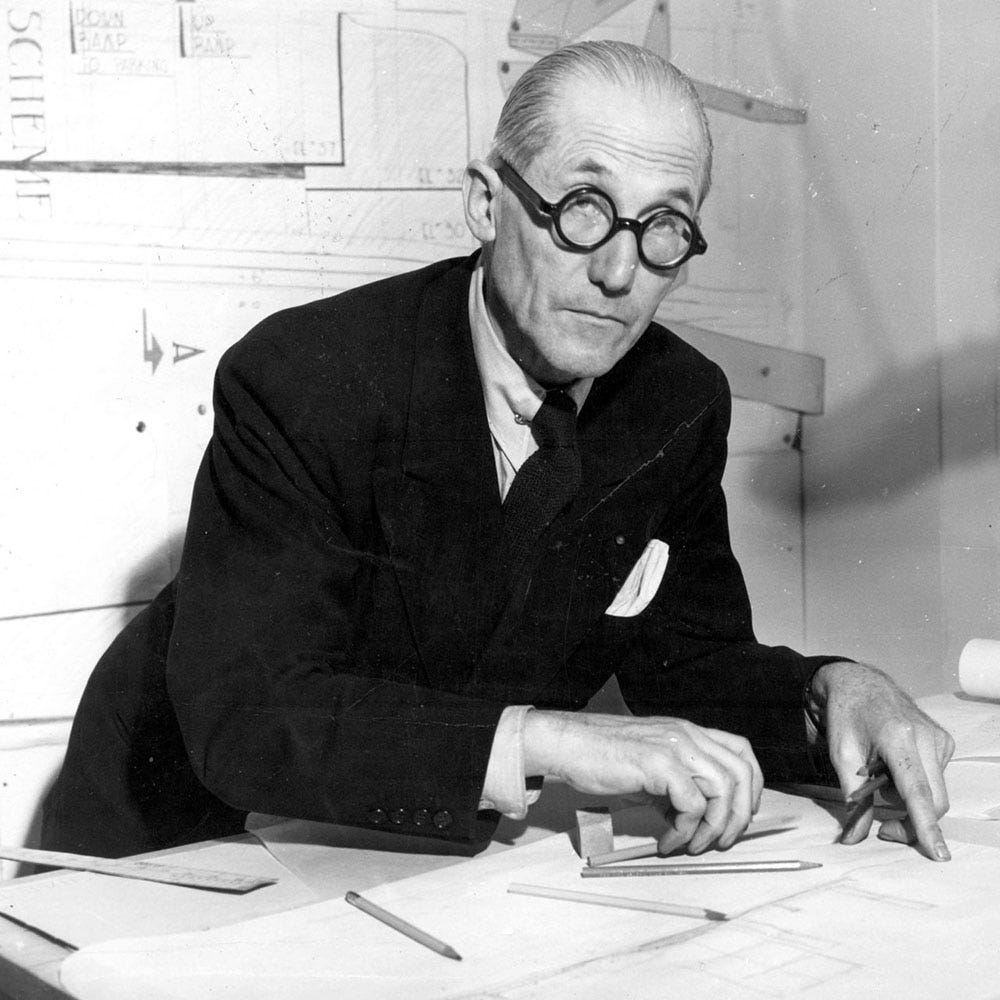
“A house is a machine for living in.” — Charles-Édouard ‘Le Corbusier’ Jeanneret
Design is one of those words people throw around as if it simply means decoration.
However, beyond this superficial interpretation, design is fundamentally about making things make sense.
At its core, design is the deliberate act of shaping form, function, and experience to solve a problem or express an intention. It sits at the intersection of logic and perception—part engineering, part psychology, part art.
When something is well-designed, you don’t notice it—you simply move through it effortlessly, because it aligns with how humans think, feel, and behave.
Now, the question is: why is design so tightly bound to architecture, interiors, and furniture?
If I were to answer from my personal worldview, it is because these disciplines deal directly with the human environment—the spaces we inhabit and the objects we constantly interact with.
Architecture is not merely about constructing buildings; it is about orchestrating space, light, movement, and emotion on a structural scale.
Interior design moves inward, shaping how those spaces function and feel—how a room guides behavior, comfort, and mood.
Furniture design becomes even more intimate, focusing on the objects the body physically engages with—chairs, tables, surfaces—where ergonomics, material, and form converge.
These fields are inseparable from design because they cannot exist without intentional decisions about human use.
A chair that looks stunning but destroys your spine is bad design.
A building that impresses visually but confuses movement is bad design.
A room that is stylish but emotionally sterile is bad design.
In all these cases, the failure is not aesthetic—it is conceptual.
So the real answer is this:
Design is the invisible intelligence behind everything built for human life.
Architecture, interiors, and furniture are simply its most tangible forms—where bad thinking becomes physically unavoidable, and good thinking becomes quietly indispensable.
This is why something remarkable occurred in the realm of design during the mid-century period—the idea of form and function converging into a kind of timeless harmony. One could argue it was the last moment when design, industry, and human life aligned without pretense.
After the chaos of war and the excess of ornament-heavy eras, designers stopped asking, “What looks impressive?” and began asking, “What actually works for living?”
That shift produced clarity.
Consider the Case Study Houses—especially the Stahl House by Pierre Koenig.
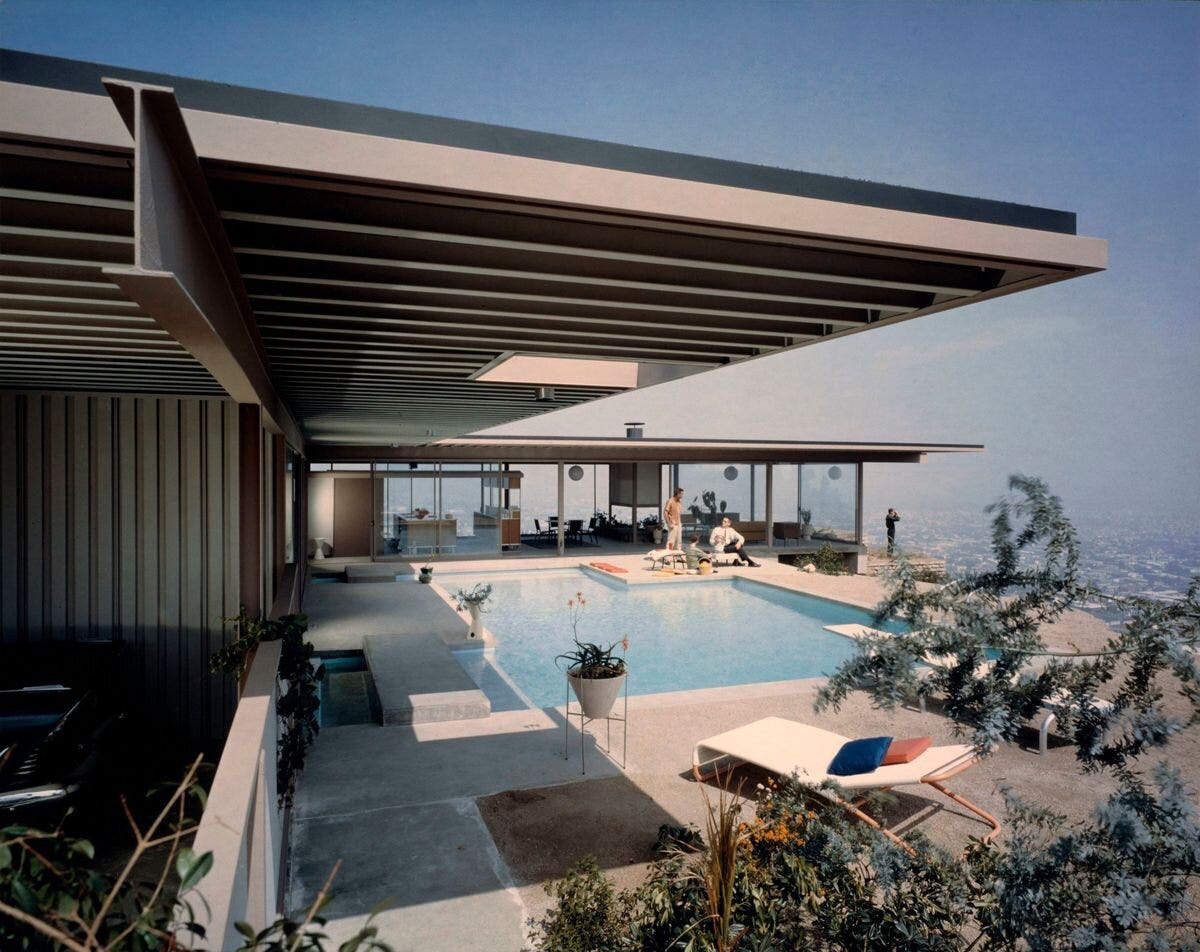
They were not just architectural statements, but prototypes for living: modular, efficient, open, and deeply connected to climate and landscape, as captured through the lens of Julius Shulman. While they appear cinematic, what you are truly seeing is logic made beautiful—glass walls not for spectacle, but to dissolve boundaries; open plans not for trend, but for flexibility.
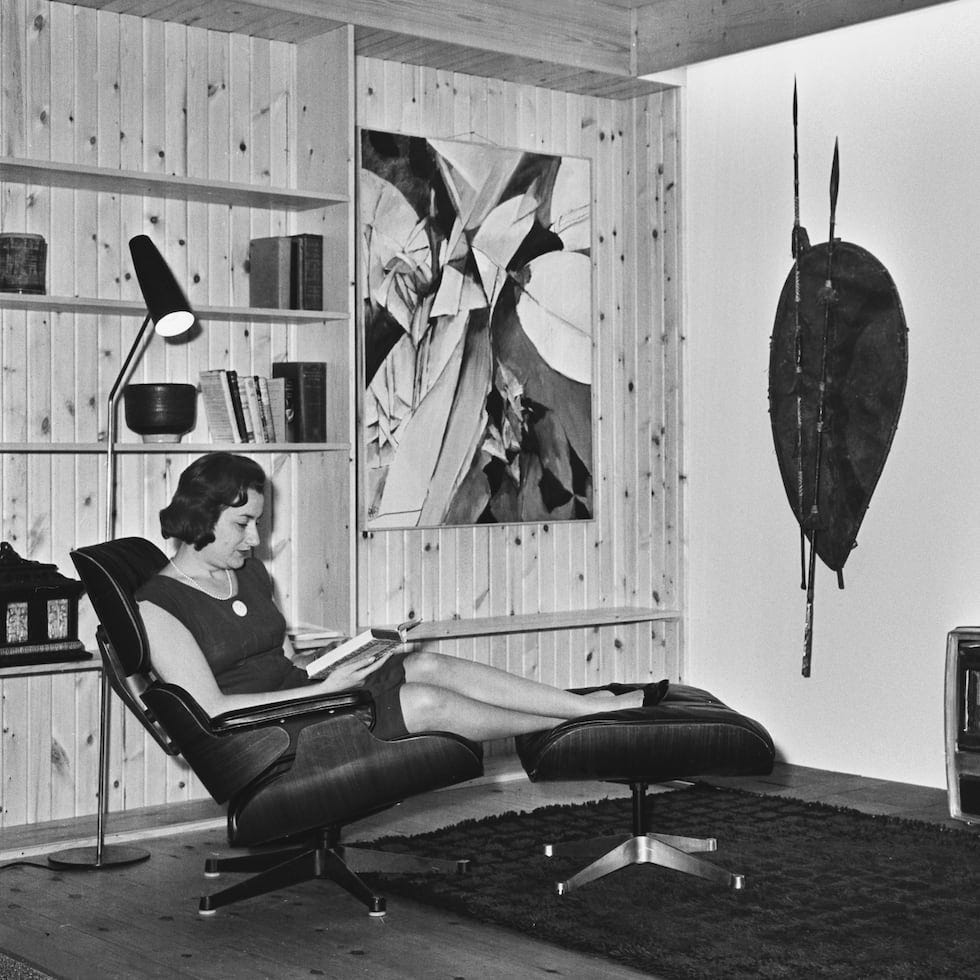
At the object scale, Charles and Ray Eames approached design with similar intent. The Eames Lounge Chair and Ottoman was not created to be iconic—it became iconic because it resolved problems with elegance. Molded plywood, ergonomic precision, and the ability to be mass-produced without sacrificing human comfort.
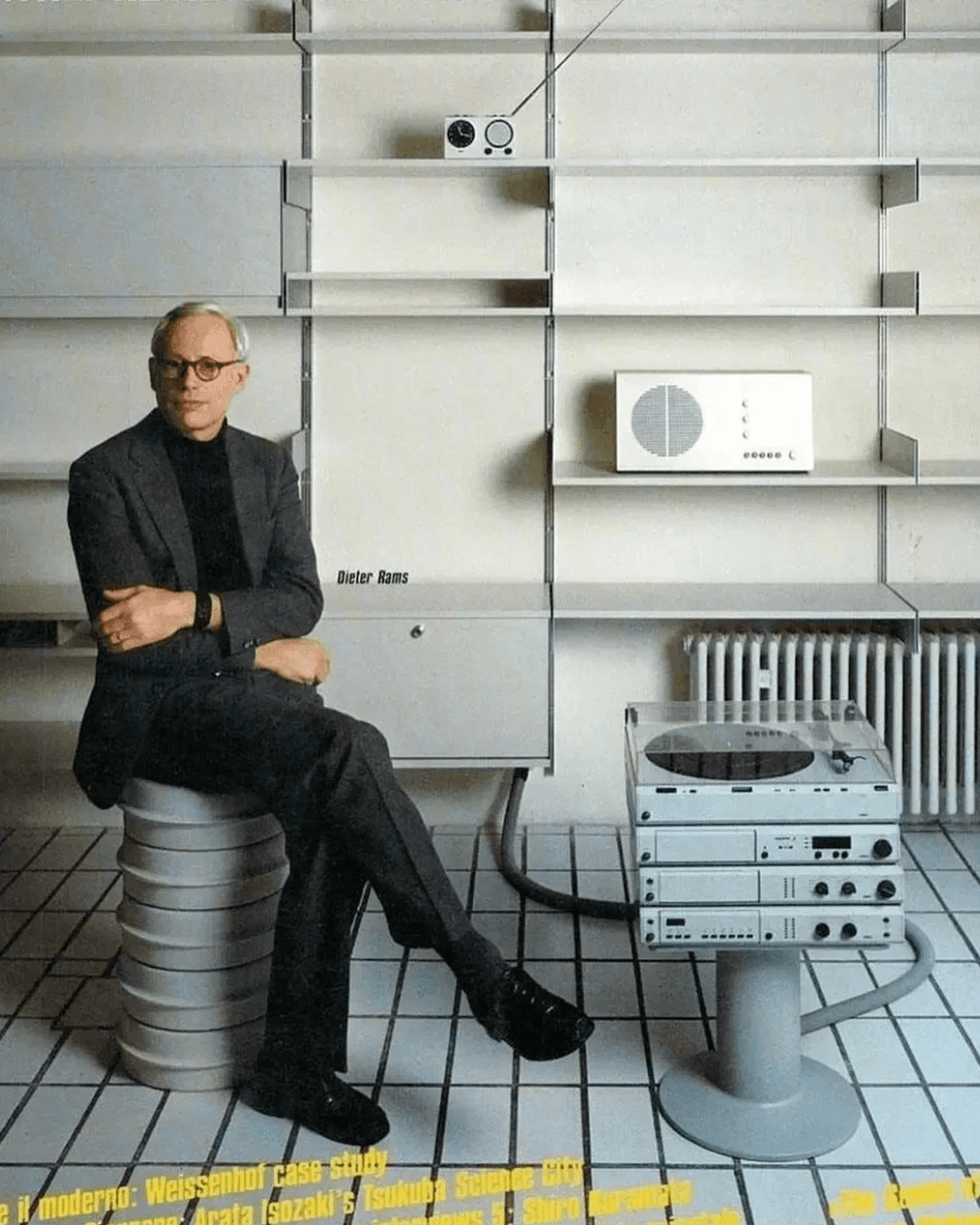
Or take Dieter Rams at Braun—he reduced products until only purpose remained, inadvertently defining a visual language that companies still emulate today, including the work seen in early Apple under Steve Jobs.
To say that mid-century design still feels modern and relevant today is to misunderstand it. It was never chasing “modernity” to begin with—it was pursuing coherence between form, function, material, and human behavior.
What is perhaps more troubling is how often design is overlooked as a meaningful part of everyday life—and there is a reason for that.
Design, in its true form, demands awareness: noticing why something works, why it feels right, why something frustrates you even if you cannot immediately explain it. This requires a level of perception most people are neither trained—nor willing—to develop.
It is easier to accept things as they are than to question why a door handle confuses you, why a room feels oppressive, or why a product subtly irritates you every day. These acts require presence and attention—qualities that are increasingly eroded in an age shaped by algorithmic culture.
Then there is the cultural layer—consumerism as shaped by capitalism, particularly in hyper-vibrant cities that amplify this condition. Most people are conditioned to ask, “Do I like this?” rather than “Does this work well?” or “Why was this made this way?” That shift—from passive liking to active understanding—is the real barrier.
So it is not that people cannot understand design—it is that understanding design requires effort, attention, and a willingness to see beyond the surface.
And most people, if we are being honest, optimize for ease and comfort.
Yet, like other forms of art—or even clothing—the purpose of great design is grounded in people, in experience, and in the cultivation of perception. To develop fluency in appreciating it is not a futile pursuit.
It is, quite simply, a way to make life more serene—to be lived with greater clarity, and quiet enjoyment.
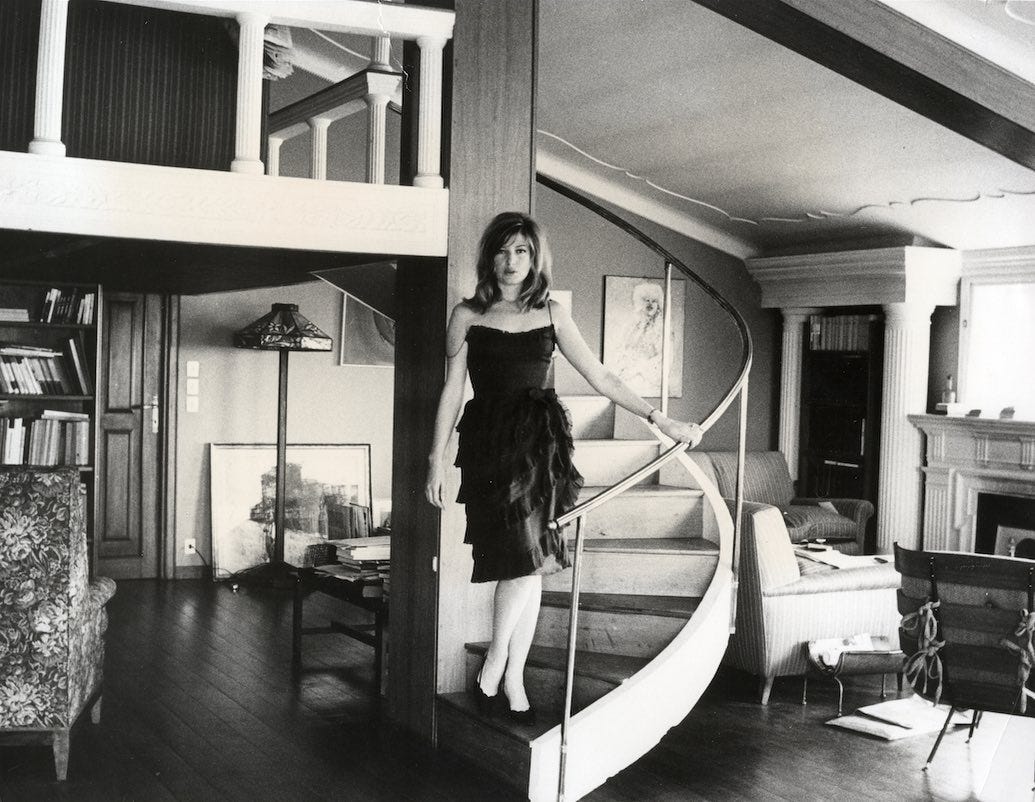
A quick note I must make—this is a personal perspective from someone who knows nothing, quite literally nothing, about design—or at least is far from fluent compared to clothing and fashion, which I’ve spent nearly half a decade immersed in.
But I think that’s precisely the point.
Because if you’ve read this far and are wondering how to begin cultivating your eye, your sense, and your taste in this realm—here are my direct experiences.
(All of this can be done with little to a very precise budget—far from requiring furniture or pieces that cost ten grand.)
And…I would begin with this:
Observe the life you are already living, and the media you are already consuming.
Simple as it sounds, there is a reason for it. There is a high chance that the things surrounding your life—the city you are in, the places you go, the films you watch—are already attuned to your preferences.
They are part of your identity. And what better place to begin understanding design than from what is already close to you?
For instance, Mad Men—this all-time great from the golden era of television became, in my case, a kind of “study in motion.” It made me fall in love with design long before I understood why.
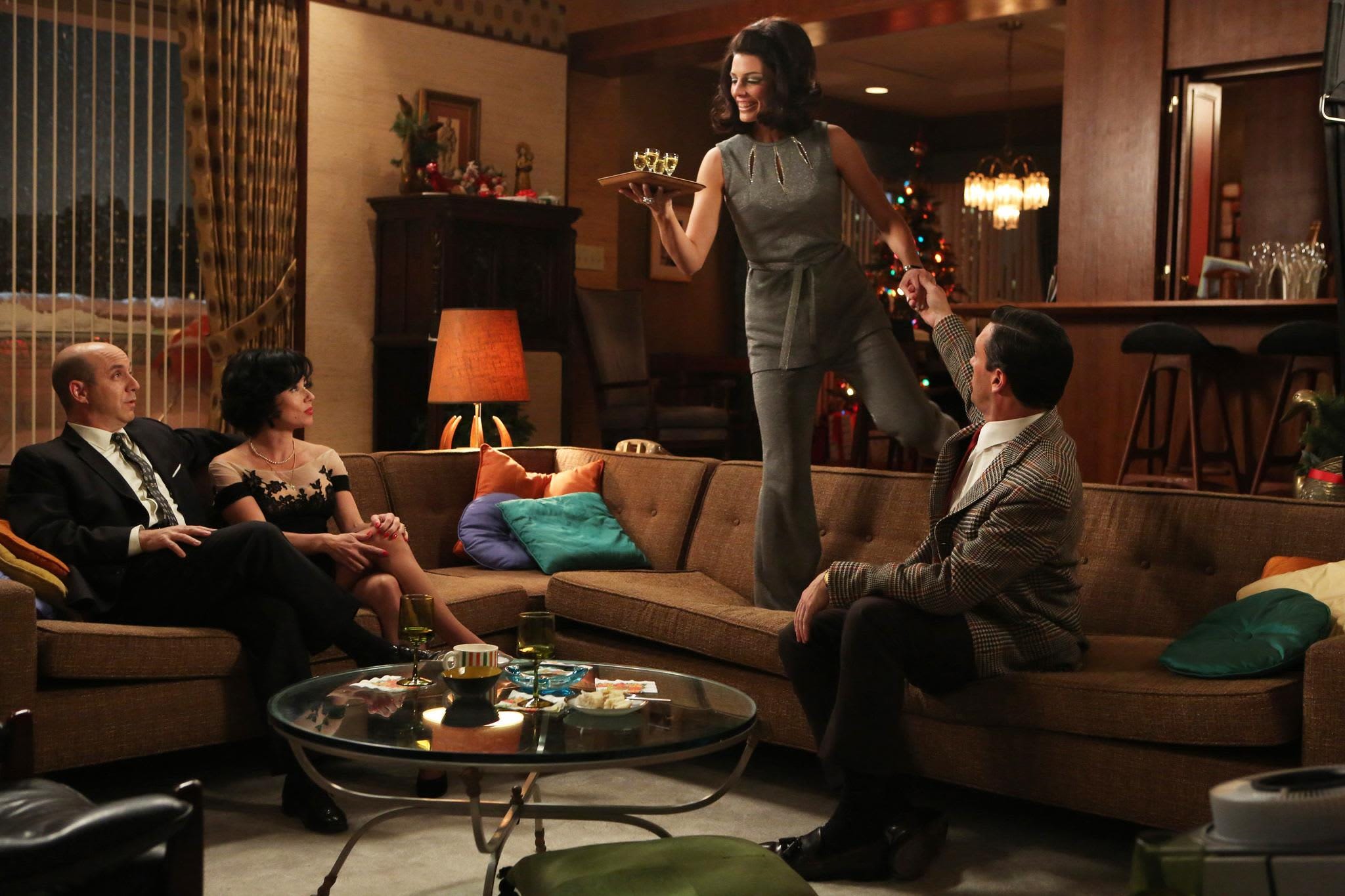
The interiors, the buildings, the artwork—they represent the era I am most drawn to: mid-century. Just like style, way of life, and the broader cultural landscape of that time, my design preference naturally gravitates there as a foundation.
The places that speak to me are those shaped by interiors of that era. The galleries that resonate are those presenting post-war art. And all of these spaces, without exception, leave behind cues—quiet lessons in design, waiting to be noticed.
So the real practice here is not to curate more—but to notice more, and to place greater intention on your everyday experience. Even if this feels difficult in a world that constantly pushes you to move, scroll, and consume.
My way of anchoring this—and one that has worked remarkably well—is to simply sit down with a book.
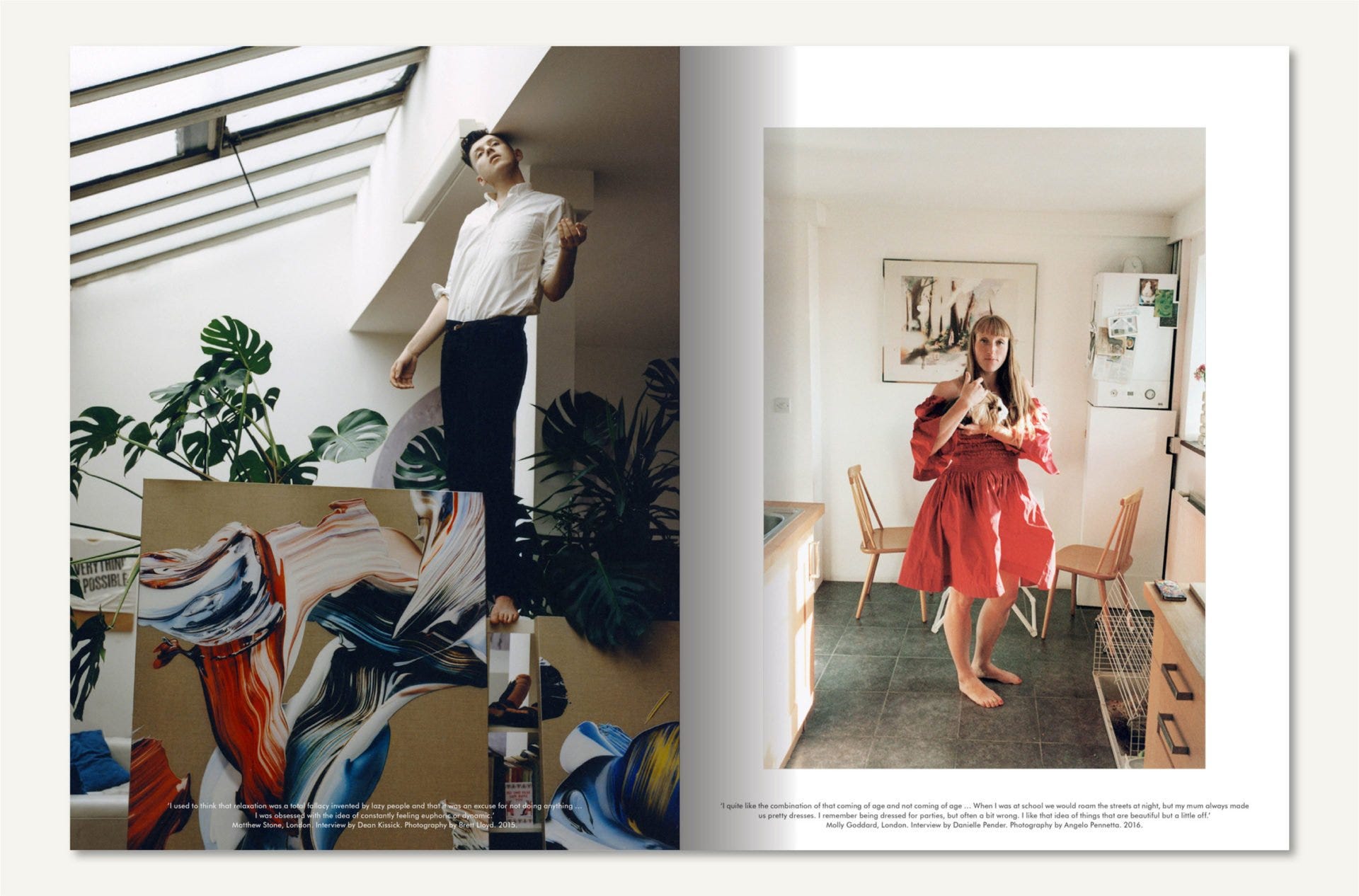
Within the realm of design, nothing is more quietly compelling than a coffee table book. As superficial as it may sound, these books are deeply visual and culturally dense—spanning fashion, lifestyle, and, of course, design.
From interiors to large-scale architecture, they allow you to sit still—with a coffee or a glass of wine—and move through them slowly. You begin to see details. And more importantly, you can return to them, again and again.
That act of returning is crucial. It stands in direct opposition to the algorithmic culture that constantly pushes newness without depth.
The only thing to keep in mind when approaching these books is this: slow down, and ask questions.
Why does this work?
What’s missing?
What would happen if this element were removed?
Then compare pages. Look for patterns across projects.
That is when your “eye” begins to evolve—from instinct into judgment.
It sharpens in the same way repeated exposure to a language sharpens your ear. You begin to notice proportion, restraint, material honesty, spatial rhythm—things most people remain blind to.
While this will not give you technical mastery, it does something just as important in the early stage:
It calibrates your internal compass—allowing you to recognize coherence.
Recently, a book like The World of Apartamento caught my attention. It turned out to be an investment in a very specific visual language—one that helped me understand what makes an interior feel alive, and how deeply it connects to the way we live.
Now, I find myself noticing things I once overlooked entirely—the way light hits a cracked wall and reflects into a room, the curvature of a chair designed with restraint, the presence of raw, brutalist pillars intersecting with everyday objects in a café that doubles as a roastery.
All of it forms a quiet coherence—a narrative.
And it is something I would not have seen, even on my twelfth visit to the same place, had I not begun cultivating this language of design.
Ladies and gentlemen, I suppose that is the true beauty of cultural fluency—
It allows you to understand the world more deeply.
Or, at the very least, the life you are already living.