


Metropolis has its own charm. Each in its own particular way.
When we hear the term, what comes to mind is the image of skyscrapers, cars running on the road in their hectic jam, millions of lives held together by two opposing pressures — the hope of a better life and the basic mechanics of survival. Both, at the same time.
Ask anyone who was born in such an environment, or has lived in it for a very long time, and they will likely admit to a quiet draining. A hidden desire to escape. At the very least, the wish to take a break — to a small town along a mountain creek, or a coastal boulevard.
Yet for those far from the noise of car horns, far from the countless mega-buildings raised in the International Style; the metropolis still appears as a sign of the advancement of humanity. The progression of mankind.
Which is not far from the truth. The metropolis is, in many ways, a direct by-product of the past two centuries of industrial revolution. But the price most people pay for it — is soul siphoning.
The phrase may sound exaggerated. But the phenomenon — of millions of people coexisting in dense proximity, and yet the loneliness crisis that has arisen alongside that density, and the never-ending pursuit of capitalist accumulation that defines modern metropolitan life — is not far from the experience of a soul being drained by the essence of the big city. New York. London. Tokyo. Whatever name you give it.
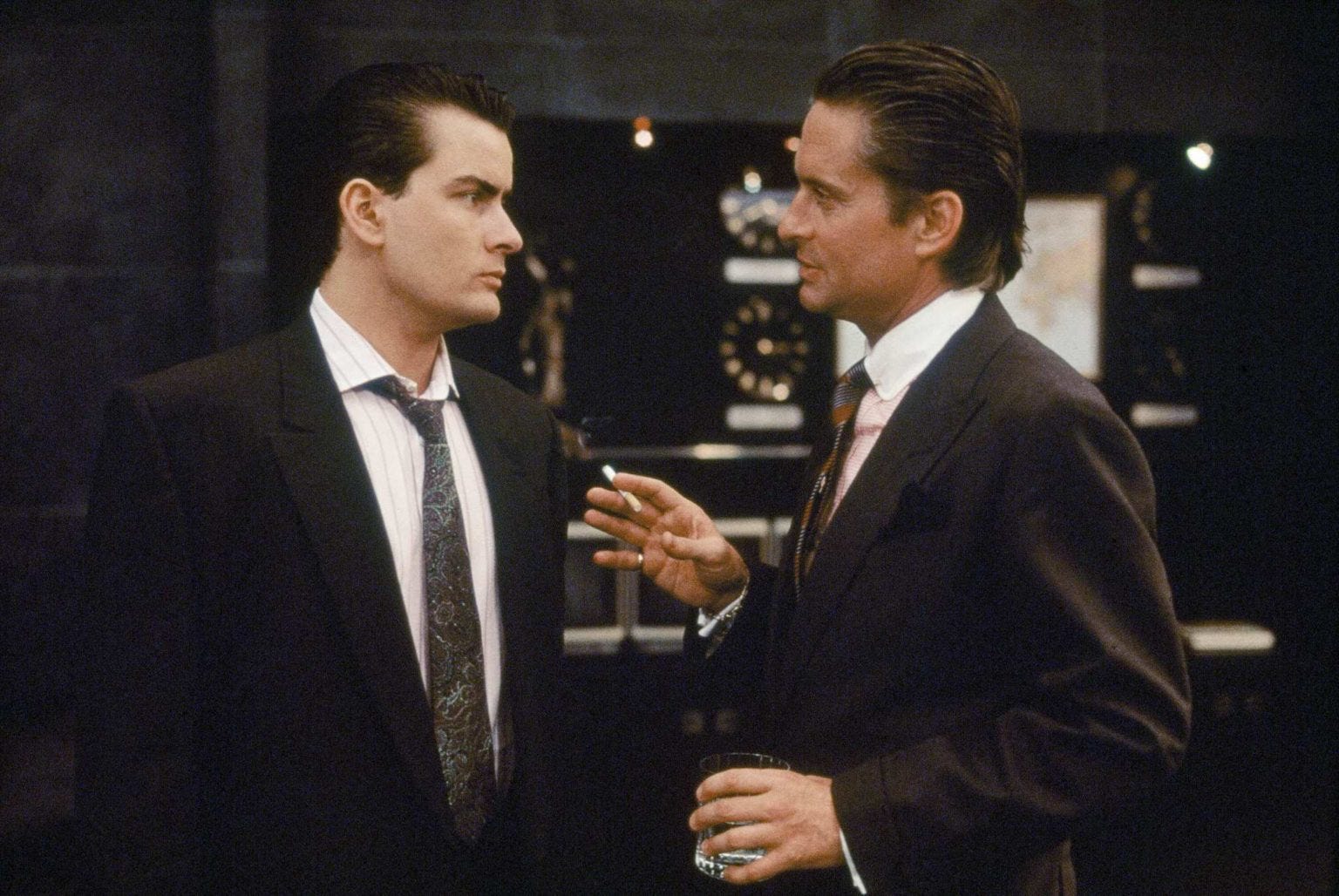
Ladies and gentlemen, I have no intention to revolt against the nature of the human condition — in this case, the form of capitalist economy, and the many modern phenomena that have grown out of the psychology of mankind. At the largest scale, it is what it is.
But for the metropolitan reader who is done with endlessly drifting through the city without joy, unable to find beauty in it — I think this piece will give you something worth carrying:
A way of living in the big city differently than others. And of finding the hidden beauty within it.
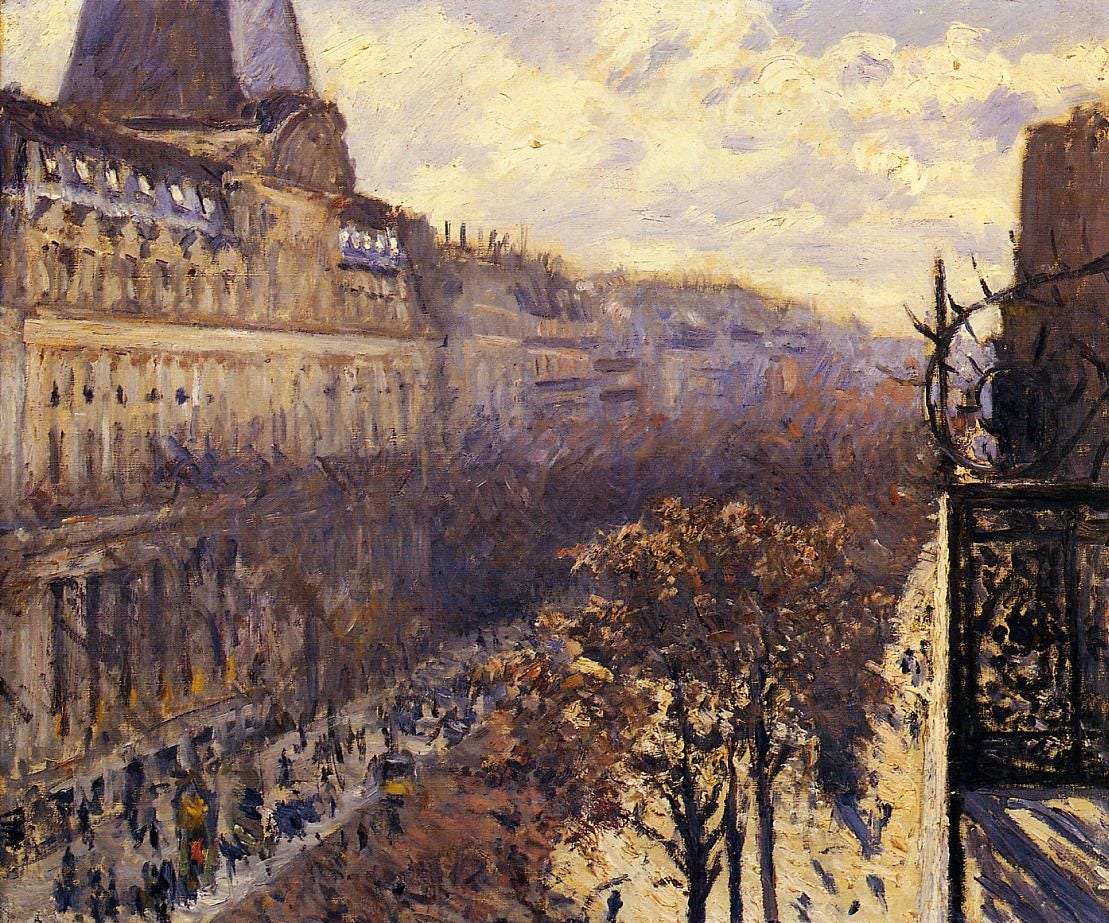
What is “Modernity”?
The word is widely used today — as the term that describes the present moment, the current years, the era one is living in. But when you look deeply into how it actually came about, it reveals a surprising character. One I expect most of you are already familiar with.
The word modern comes from the Latin modernus, meaning “just now” or “of the present age”. It was already being used in late antiquity to distinguish the present from the ancient past. But what historians call modernity really begins between the seventeenth and nineteenth centuries — with the Scientific Revolution, the Enlightenment, industrialisation, and the rise of the modern city.
“Enlightenment is man’s emergence from his self-incurred immaturity. Immaturity is the inability to use one’s own understanding without the guidance of another.” — Immanuel Kant, What is Enlightenment?, 1784
So to say: the deepest meaning of modernity is not technology. It is a new way of seeing reality.
Premodern societies generally looked backward for authority — to tradition, to religion, to ancestors, to established institutions like the monarchy. Modern societies increasingly look forward. They assume that the future can be different from the past. That knowledge can grow. That institutions can be redesigned. That individuals can question inherited truths.
In that sense, a person from eighteenth-century Paris and a person from twenty-first-century New York already share the same psychological world — even if their technologies are vastly different.
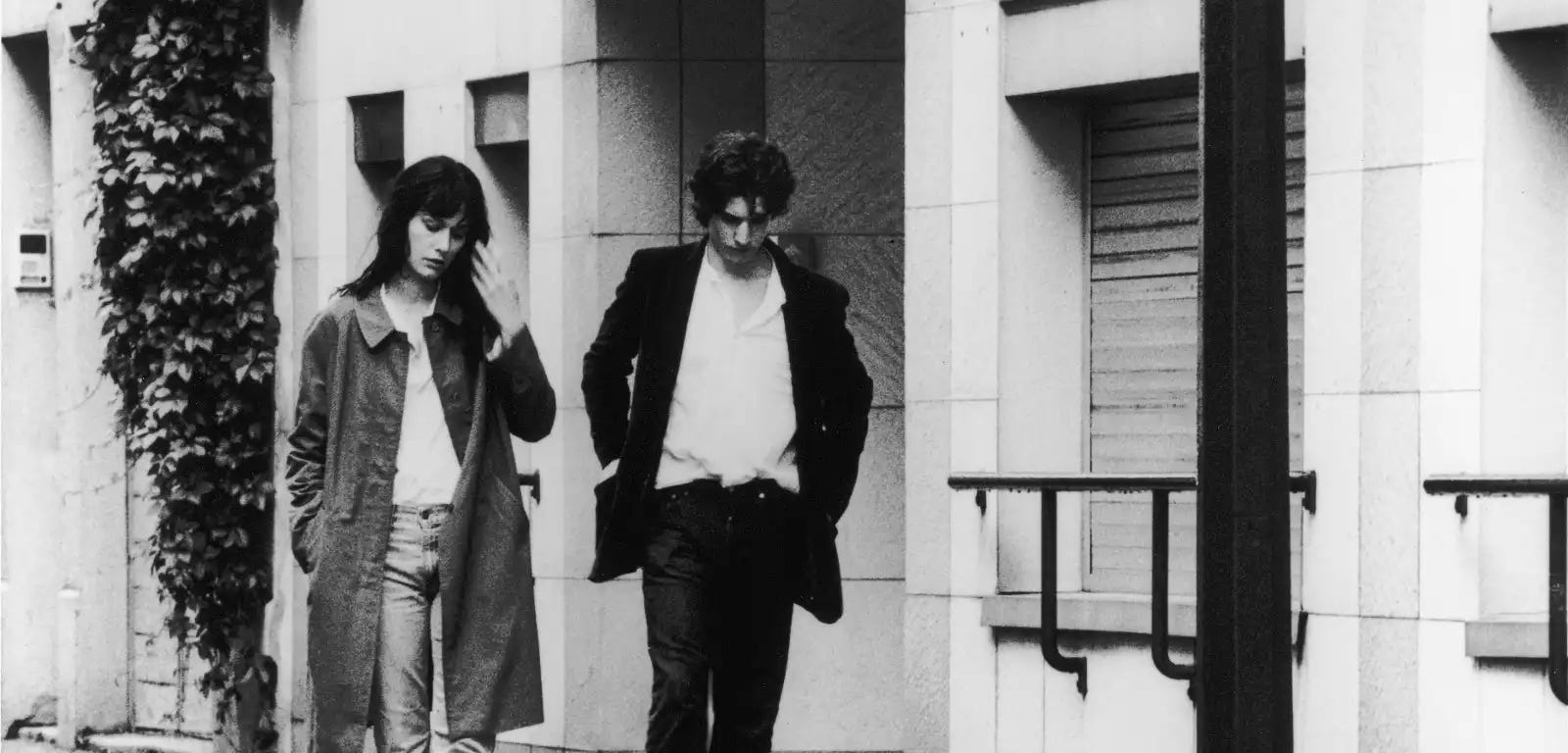
The most charming, and the most difficult, character of the modern is the rise of the individual.
In traditional societies, identity was largely given. You were born into a family, a religion, a social rank, and a place. In the modern world, identity becomes something to be constructed.
The question changes — from “What is my place?” to “Who am I?”
Yet while this shift creates freedom, anxiety also emerges in its shadow.
Many of the psychological struggles people associate with the twenty-first century — economic uncertainty, the crisis of purpose, the spike in loneliness — are all rooted in older questions. Questions of meaning, of authenticity, of self-expression, of alienation. None of these questions are new.
This, then, is the paradox of city life. One that has been going on for three hundred years.
And one that has not yet been solved.
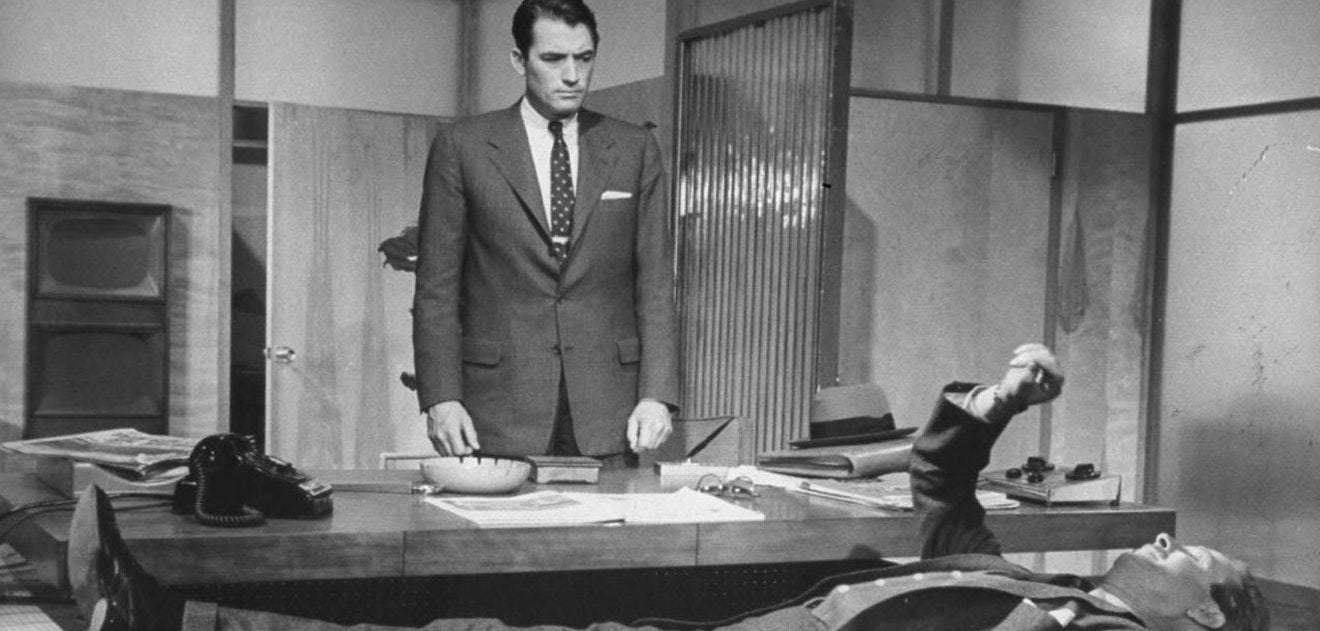
“The deepest problems of modern life derive from the claim of the individual to preserve the autonomy and individuality of his existence in the face of overwhelming social forces, of historical heritage, of external culture, and of the technique of life.” — Georg Simmel, The Metropolis and Mental Life, 1903
Metropolis — as famously rendered in the iconic 1927 film by the Austrian-born German director Fritz Lang — was a silent meditation on social-class differentiation. The elite versus the labour. The upper echelon versus the lower one. The very same story one can see in every major city, in the past century or even now.
The metropolis is a direct by-product of civilization entering the modern era. It concentrates capital, knowledge, labour, political power, innovation, and media — all within a single big city.
Without the metropolis, there is no industrial revolution in the form we know it. No mass journalism. No Silicon Valley. No Wall Street. No rapidly shifting creative industries.
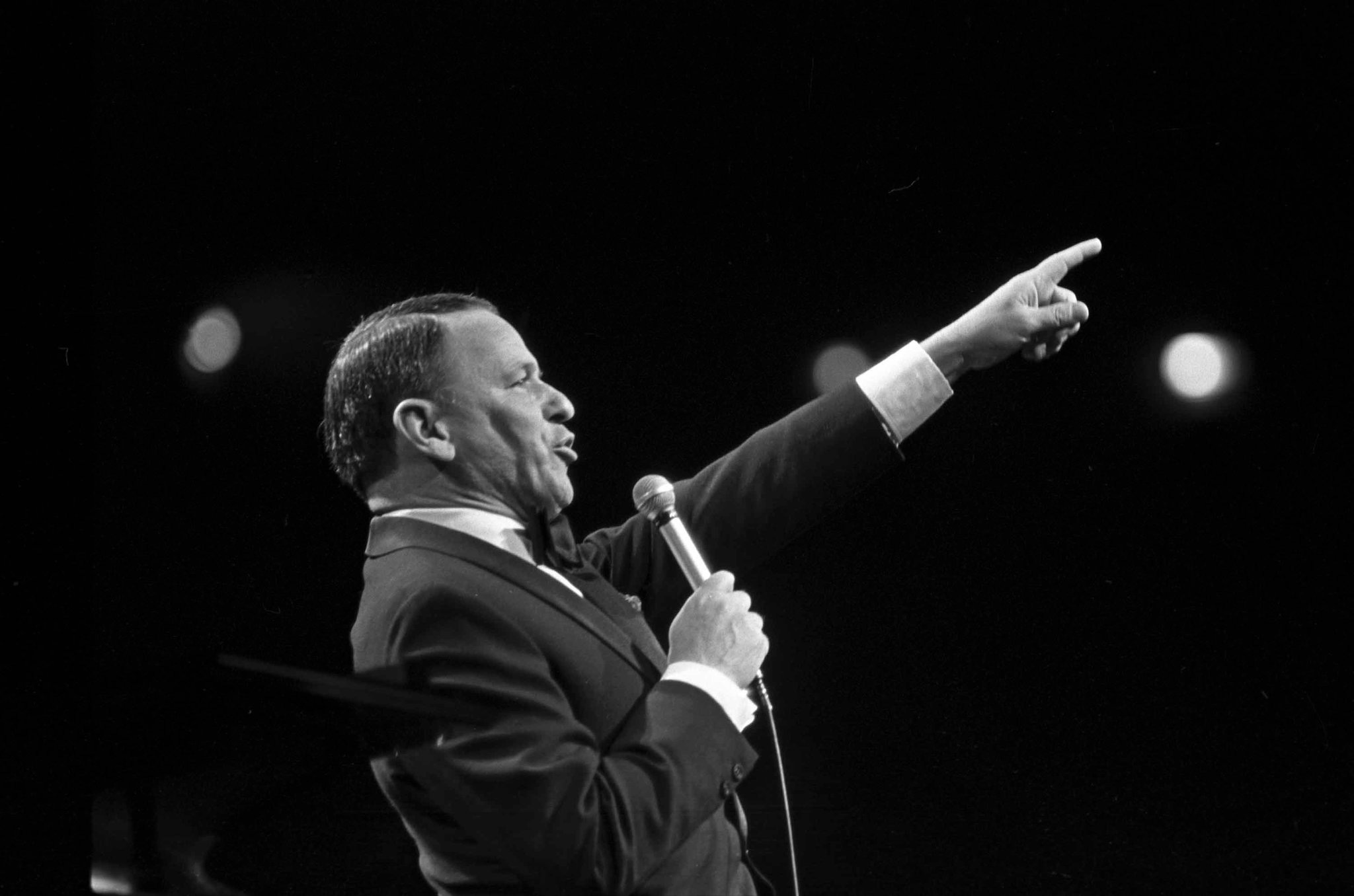
That said, there are seductive qualities to being metropolitan.
I do not personally know you, but I take it we have all heard, or experienced, the idea of “I’m going to make it in New York” — or in any major city of your country. The idea where people from all across the provinces aim, in some form, to move into the metropolis. To set the intention of making something significant there.
While the small village — the peaceful place many were born into — told them:
“This is who you are.”
The whisper from the metropolis tells them:
“Who do you want to become?”
It promises opportunity, reinvention, excitement, and the feeling that one is standing close to where the future is being made.
It also offers an endless stream of novelty. New cafés. New exhibitions. New technologies. New conversations. New fashions. New experiences. It is almost impossible to feel that one has exhausted everything a metropolis has to offer.
But this seduction comes with the paradox I have teased earlier.
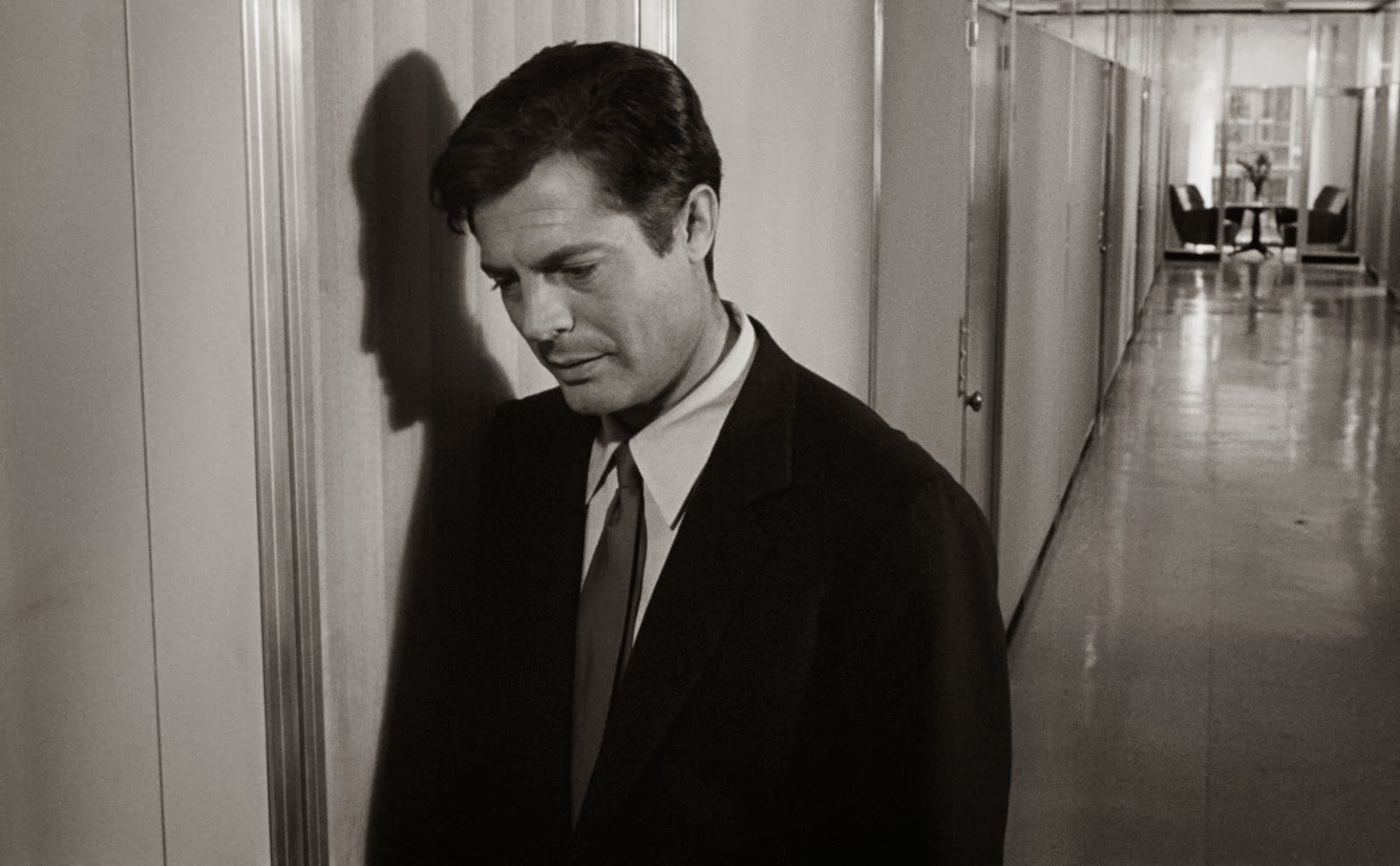
Infinite choice can become overwhelming. Constant movement can make it difficult to slow down. Anonymity gives you freedom — and can also leave you feeling invisible. Ambition surrounds you — and creates relentless competition.
The metropolis amplifies every aspect of human life. While it can make you feel more inspired, more connected, more ambitious — it also makes you more anxious, more isolated, more restless.
Perhaps that is why the metropolis has become one of the defining symbols of modernity itself — an endless source of cultural material for writers, filmmakers, and artists to observe, to study, and to express through their own forms. Cinema, in particular.
No matter the city — New York, Tokyo, London, Bangkok, or Dubai — they all project the same message:
The future is happening here.
And people are drawn to that message because, deep down, humans are attracted not just to comfort, but to possibility.
The metropolis’s true offer to us is the feeling that our life could become larger than it is today.
And also its greatest illusion.
Because while a metropolis can transform your circumstances, it cannot, by itself, answer the deeper human questions of meaning, belonging, or contentment.
Those have to come from somewhere else.
And this — is where the figure of the flâneur becomes important.
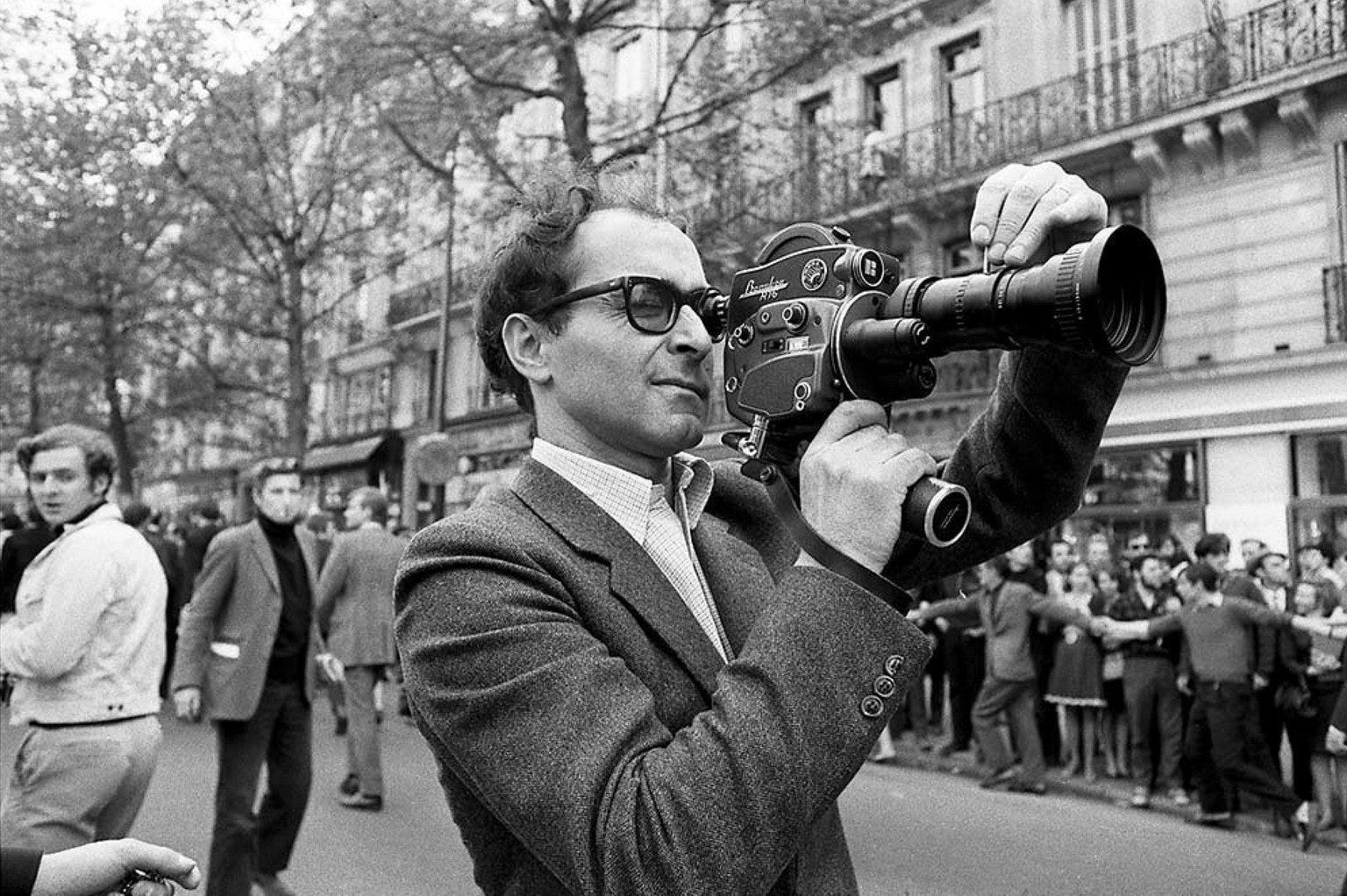
The flâneur emerged in nineteenth-century Paris precisely because the modern metropolis was becoming faster, busier, and increasingly driven by commerce. And while most people experienced the city as workers, consumers, or commuters — moving with a purpose — the flâneur did something radically different.
He wandered without destination. He observed without trying to possess. He turned the city into something to contemplate rather than something to conquer.
In other words: the flâneur slowed modernity down.
In a world obsessed with productivity, he chose attention. In a city driven by consumption, he practiced observation. In a society that measured people by what they did, he valued seeing over doing. He was not rejecting the metropolis — he was refusing to let its pace dictate his consciousness.
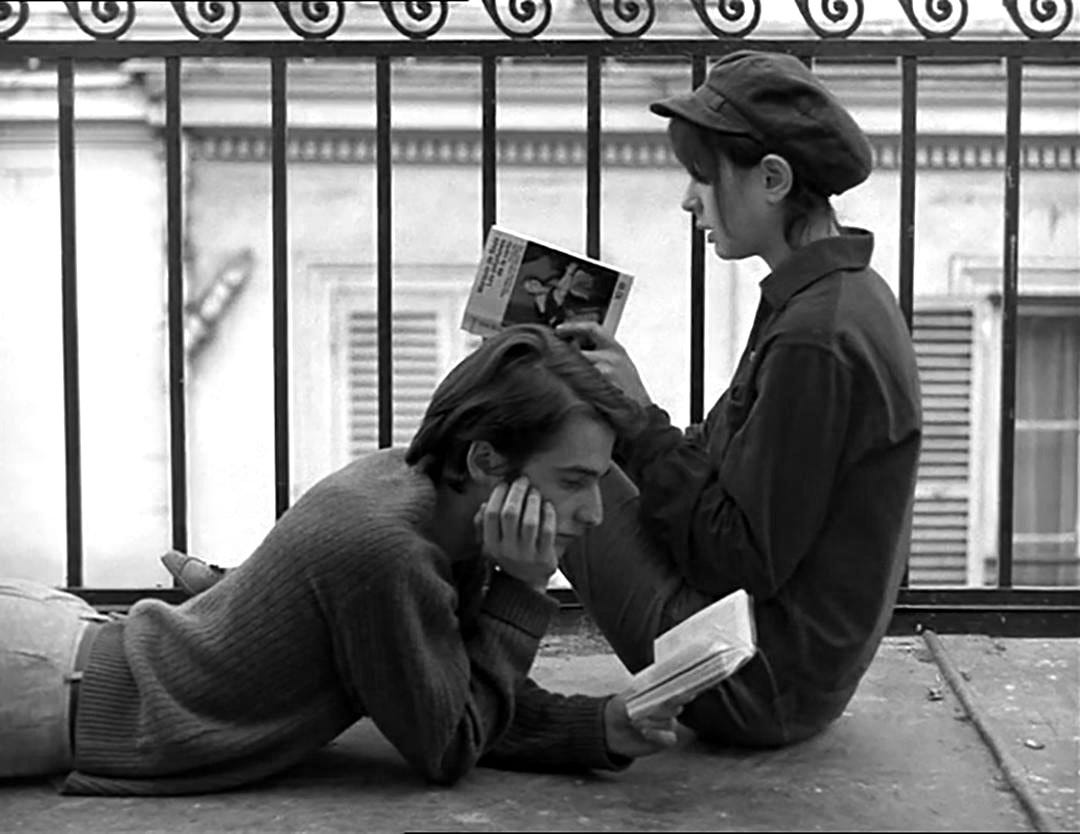
The flâneur concept remains applicable today, although the environment has changed.
The metropolis still rewards speed, efficiency, productivity, and constant movement. Most people unconsciously adopt that rhythm. But the city also contains quieter dimensions — ones that are easy to overlook.
My own practice begins with living the day at a different cadence than most people around me.
Not for the productivity-guru reason of waking at four in the morning to gain a competitive advantage. But to allow myself to gain autonomy over my own tempo — and to see the city move around me from a different angle.
The early morning drive to an old-town café with a balcony, to catch the golden morning sunlight. To see monks doing their alms-gathering walk. To sit still in a quiet city park in the late afternoon and read a good book. The walk along a quiet alley, where unexpected places, people, and events can be encountered without intention.
In essence: I have shifted from consuming the city to paying attention to it.
So, ladies and gentlemen — perhaps the real opposite of the metropolis is not the countryside.
It is mindlessness.
And the simple act of establishing a daily or weekly ritual — to walk, to drive, to move without destination, to put attention on what is actually there around you, beyond the abstract mass of millions in a square, beyond the abstract mass of big buildings — to the actual texture of a particular city, in its specific form —
I do think this alone can serve as a reminder that you can live in the metropolis without surrendering entirely to its rhythm.
The city may move at high speed.
But your mind does not have to.