


Since coming back from Milan and laying low in the tropical metropolis of Bangkok for a while now, I have begun to genuinely enjoy the act of putting on clothes more, on a daily basis, than I ever did before.
Previously, I used to believe that this city did not match the level of sophistication of the heritage capitals of Europe — at least within my own preferences and my advocacy for the classic register.
If you cannot quite imagine the level of difference, I will tell you this: whenever you put on a tailored jacket here — yes, the kind with proper lapels, construction, and structured fabric — no matter how casual the rest of your ensemble may be, you will automatically be dressing above the norm.
The perception is perfectly understandable.
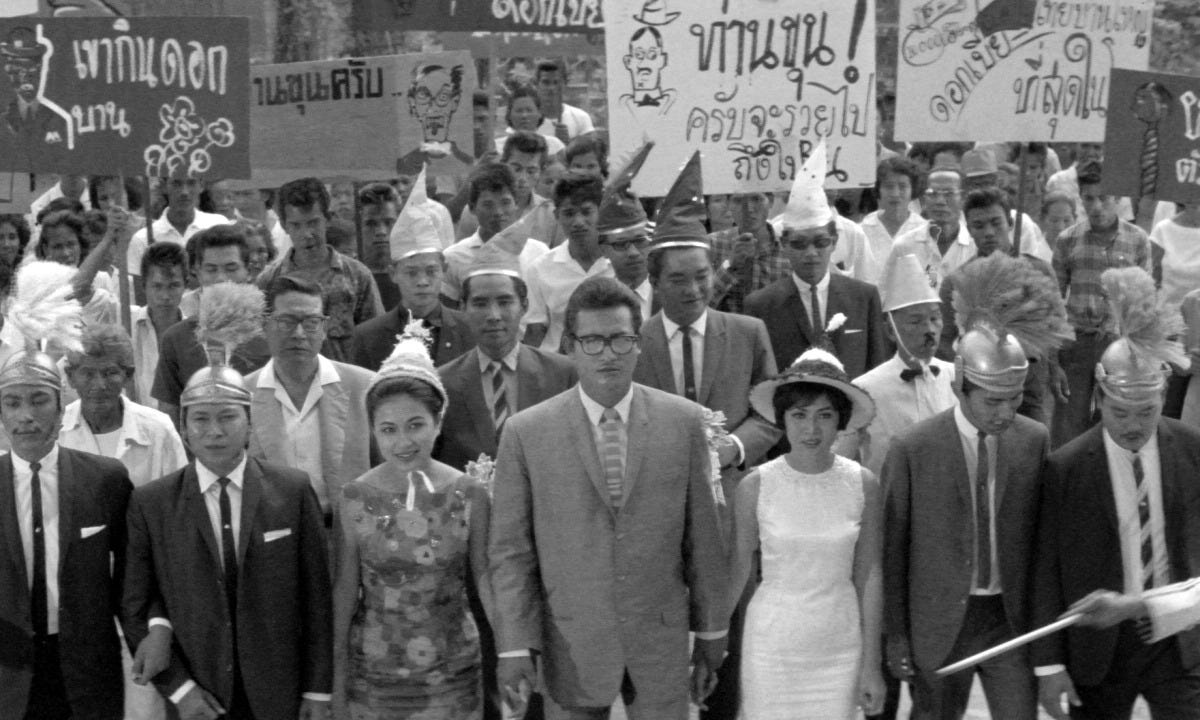
Bangkok is an oriental culture, not a continental one — and it is no wonder that jackets, dress shoes, and leather footwear are far from the typical sights of day-to-day life. For most of Bangkok’s history — and the city has only existed in its present form for roughly a century and a half — the Western aesthetic ideal has been operative only for about the last hundred years.
The style you might see in the archives of 1800s London, or 1900s Paris, was certainly not what the civilians of Bangkok were wearing — not even during the mid-century. (Social parties and business were usually the only contexts in which someone in 1960s Bangkok would put on a suit or evening wear.)
However, my recent approach to dressing here — and likely in Paris this coming autumn — has begun to overcome that asynchronous dressing language: between the modern and the old world, between the oriental and the continental.
Which has led me to the single component rarely talked about, or deeply discussed, in any fashion publication or by any style writer:
Silhouette — and how it connects with identity, with cultural register, and with the ability to achieve elegance regardless of how different the clothes you are wearing may be from what the people in your city, in the current era, are wearing.
It is, in short, the term that gives you access to a genuine personal approach to style.
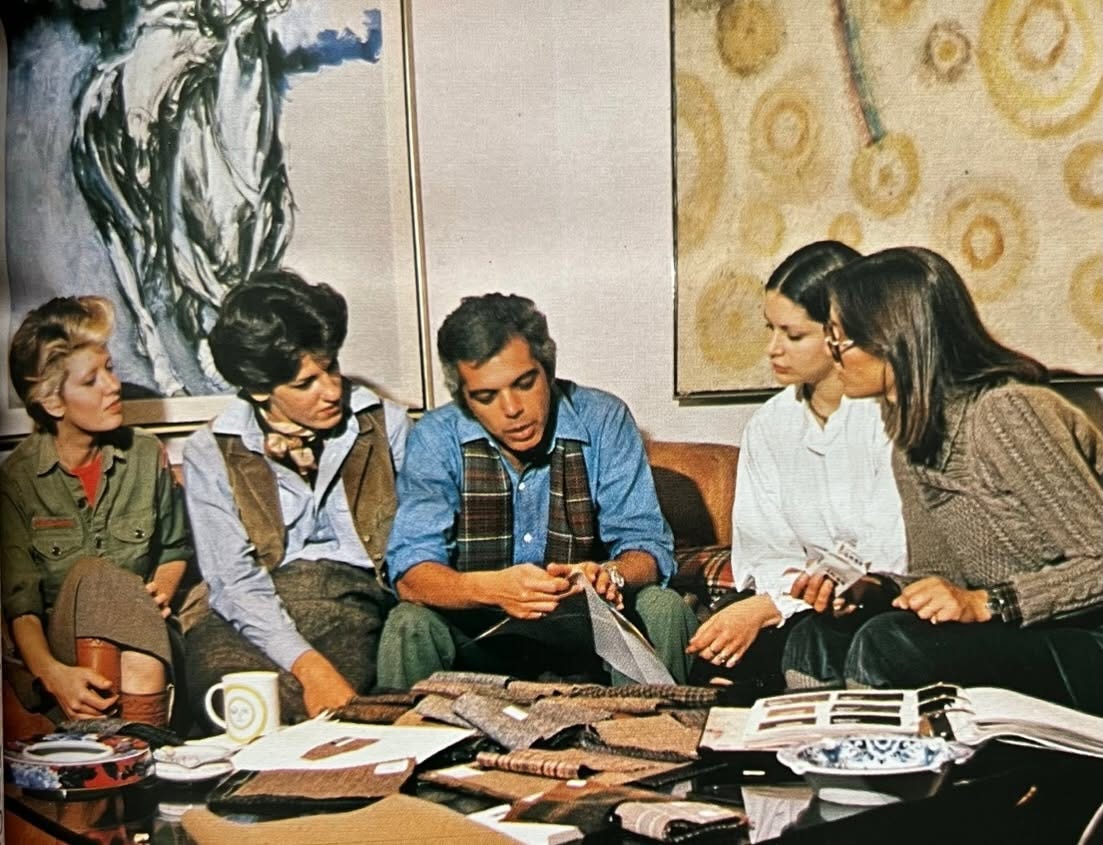
“Why do people care so much about style?”
Or, more plainly: why give so much thought to clothes when their only physical function is to regulate body temperature?
I do not know whether you, reading this, still hold that question — but if you do, or if you cannot fully articulate why investing mental energy on putting on clothes daily matters, then I hope this piece will clarify it.
I will begin with an analogy.
If the only purpose of clothing were temperature regulation, then by that logic architecture should not matter — because a concrete box keeps the rain out just as well as a cathedral. Music should not matter, because spoken words already communicate information. Art should not matter, because a blank wall serves the same structural function as a painted one.
Humans have never lived by function alone. We care about meaning, identity, beauty, symbolism, and expression. Clothing is one of the oldest forms of communication ever invented.
Before you say a single word, people already learn something about you from how you present yourself. Whether that is fair or unfair is a separate debate, but it is undeniably true. The way one dresses always communicates values, personality, attention to detail, cultural affiliation, profession, mood, and even ambition. Think of a military uniform, a judge’s robe, a doctor’s coat, a monk’s garment — none of these exist solely to regulate body temperature. They exist to transmit information.
Now, what is interesting is that many people who claim not to care about style actually have a style of their own.
The person who announces “I do not care about clothes” and then wears the same grey T-shirt every day is also communicating something — practicality, efficiency, indifference to fashion, or a focus on other priorities.
And yes, that is still a style.

What many people really object to is not style itself, but vanity, consumerism, and the obsession with status that sometimes surrounds fashion. Which is a fair criticism.
But style and vanity are not the same thing.
Function gets the job done. Style is what transforms function into meaning. And human beings have always cared about meaning far more than they admit.
Speaking of style — here is the interesting part.
While the internet bombards you with terminology like great style, classic style, old-money style — and then shows you images containing certain aesthetics that resemble those terms — the substance behind it is far beyond the actual clothes themselves.
Style starts from the inside out.
It begins with your values, your worldview, your ambitions, your taste, your standards, and the way you interpret life. The clothes are simply one of many ways those internal qualities become visible.
That is why truly stylish people often have consistency across everything they do. The way they dress, the way they speak, the way they work, the way they design something, the way they drive, the way they decorate a room, the way they solve a problem — even the way they make decisions — all seem connected by the same underlying philosophy.
What most people call style online is often just aesthetic imitation: copying the outer symbols of a lifestyle without embodying the beliefs that created it.
Someone can buy every piece associated with “old money style” and still not feel convincing — because they are wearing the appearance of a worldview rather than expressing their own. On the other hand, someone with a strong sense of self can wear very simple clothes and still come across as highly stylish, because there is coherence between who they are and how they present themselves.
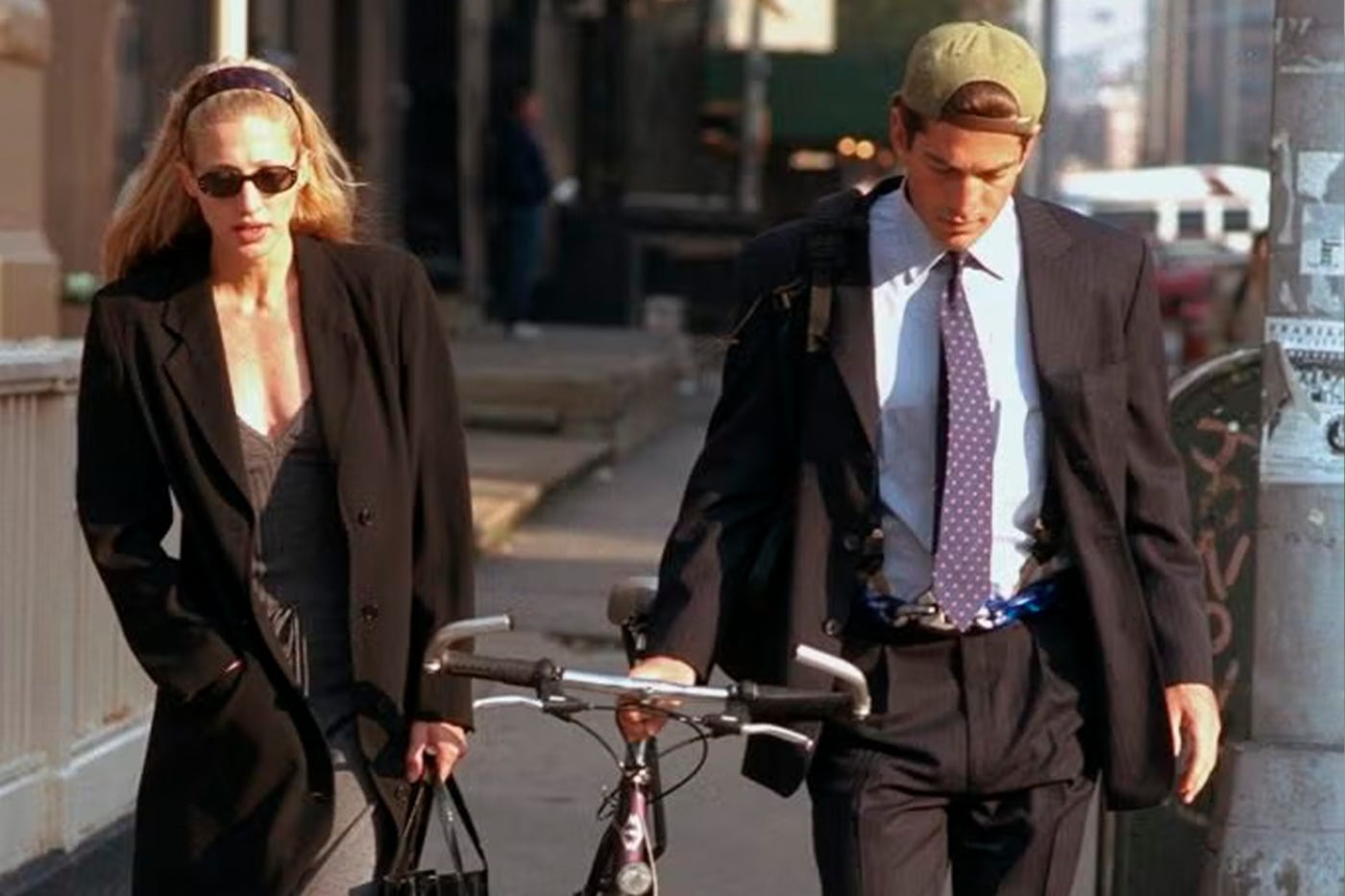
The empirical evidence is in the people the public has labelled style icons. Recently, two names have stormed the internet and their images appear everywhere you look: John F. Kennedy Jr. and Carolyn Bessette-Kennedy.
People usually analyse the minimalist coats, the sunglasses, the tailoring, the clean silhouettes — romanticising the aesthetic of the 1990s. But what they are really responding to is the mythology surrounding them. They represented youth, beauty, romance, privilege, tragedy, and a kind of effortless American aristocracy. The clothing became iconic because it appeared to be the natural extension of who they were. The style and the story were inseparable.
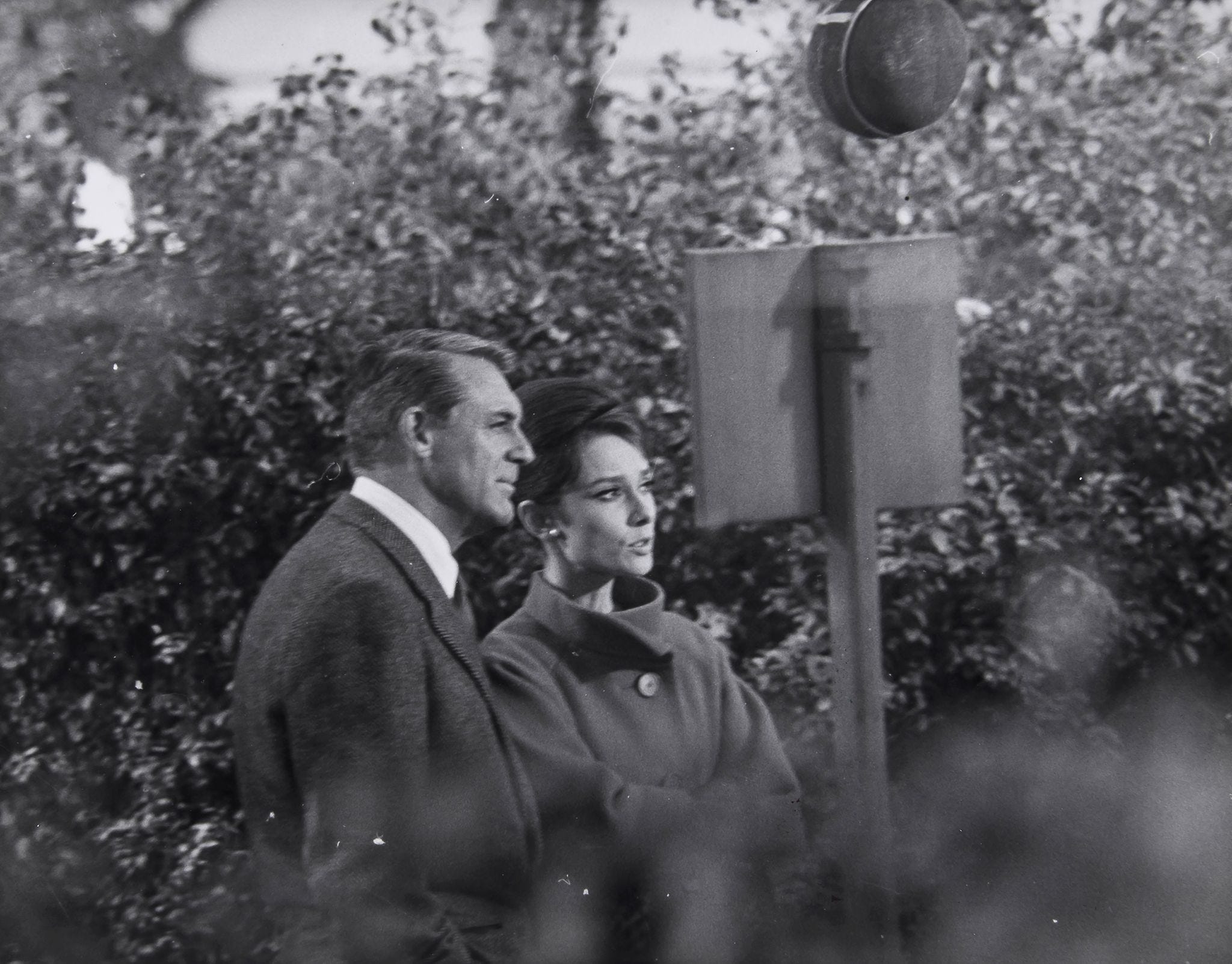
The same applies to Cary Grant, to Audrey Hepburn — the clothes worked because they seemed to belong to a character already fully formed.
That is why I do not see personal style as a fashion concept, or as an immense passion for fashion knowledge — otherwise, those names above would not be cherished as icons of style — but more as the consistent external expression of an internal identity, of which clothing is part.
In that sense, style is not really about dressing well. It is about becoming so clear about who you are and what you stand for that everything around you begins to reflect it naturally. The clothes then stop being the foundation of style and become merely one of its many visible consequences.
And perhaps this is the only secret to having a great style of your own:
To live a life so fully, so deeply, and so cultivated daily that it becomes unmistakably yours.
This is not to say that external influence does not come into play. In the end, environment, the details around you, and the information you expose yourself to all play a crucial role in shaping who you are — but you need to curate it. To choose what to expose yourself to. To bring real consciousness to what you absorb. To cultivate, in short, your own taste. (I have written separately on how to cultivate taste; here.)
Now — here is the big question I have left unanswered since the beginning:
How do you express your personal style, wearing the garments you advocate, without alienating yourself from modern culture, from your sub-tribe — and still achieve elegance?
This is the moment where silhouette enters our interest.
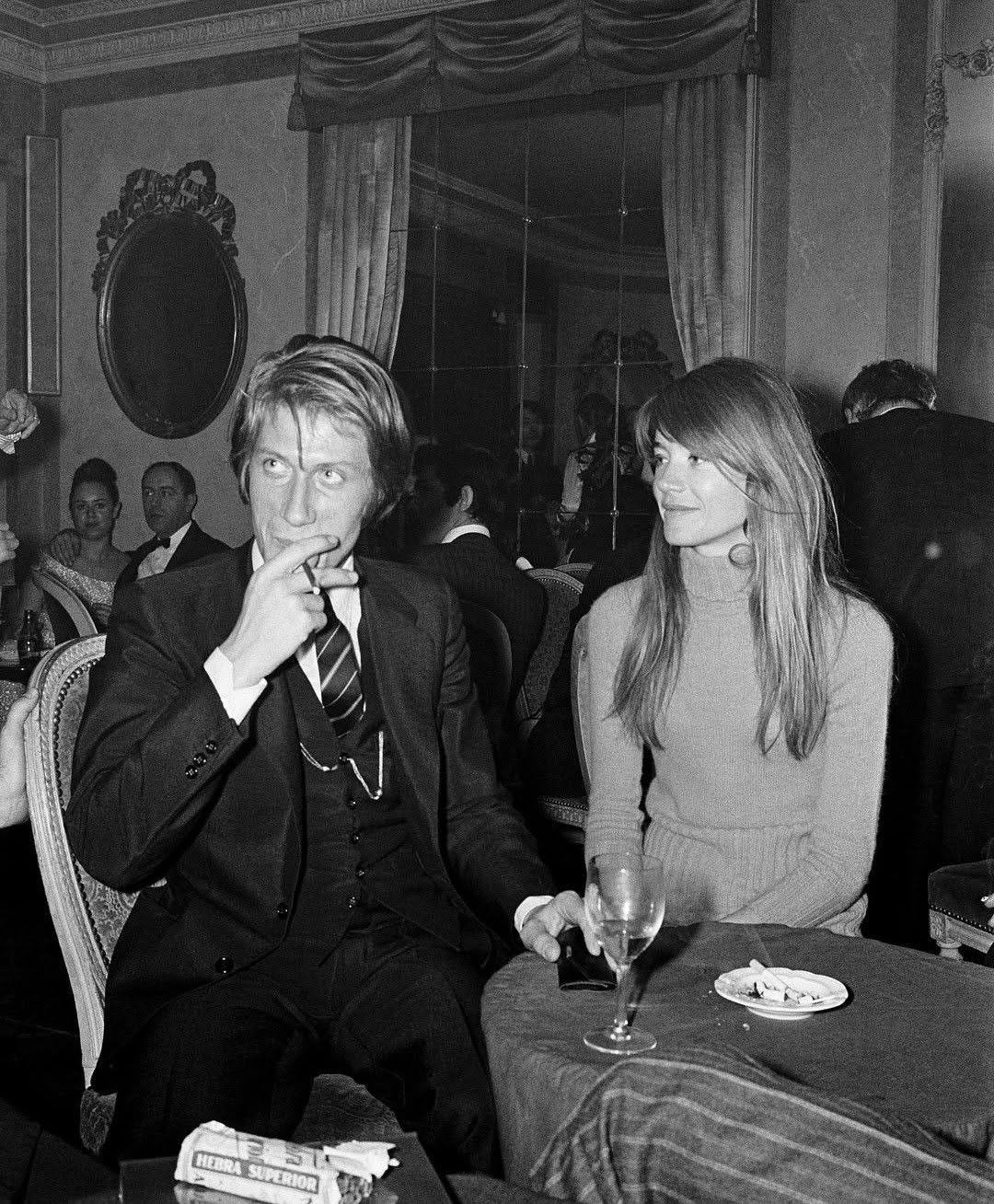
Personal style, as the term suggests, leans heavily on the individual side rather than the collective. Within the larger category of style, personal style serves as the specific way of doing a certain thing. In our matter, it is the specific way of dressing.
For a discerning mind — one who has begun to cultivate taste in clothes, or at least desires to put real intention into wearing them daily — the realm opens: from types of garment to colour, to material, to higher levels of fashion knowledge.
The thing is, not every garment applies elegantly to the contemporary era we are living in.
Speaking as a man who adores tailoring more than anything else, I can firmly say that the tailored jacket is one of the central pieces of this asynchrony in the present day. While you can get away with it in many capitals of Europe, or in other cities that have ingrained the tailoring language for centuries, many parts of the world do not support the fluency of tailoring.
You may have your own taste in a specific way of dressing, or a certain garment, that is out of sync with the modern — something the masses no longer wear on a daily basis.
Now, silhouette, as I have teased many times in this piece, comes into play as the changing element.
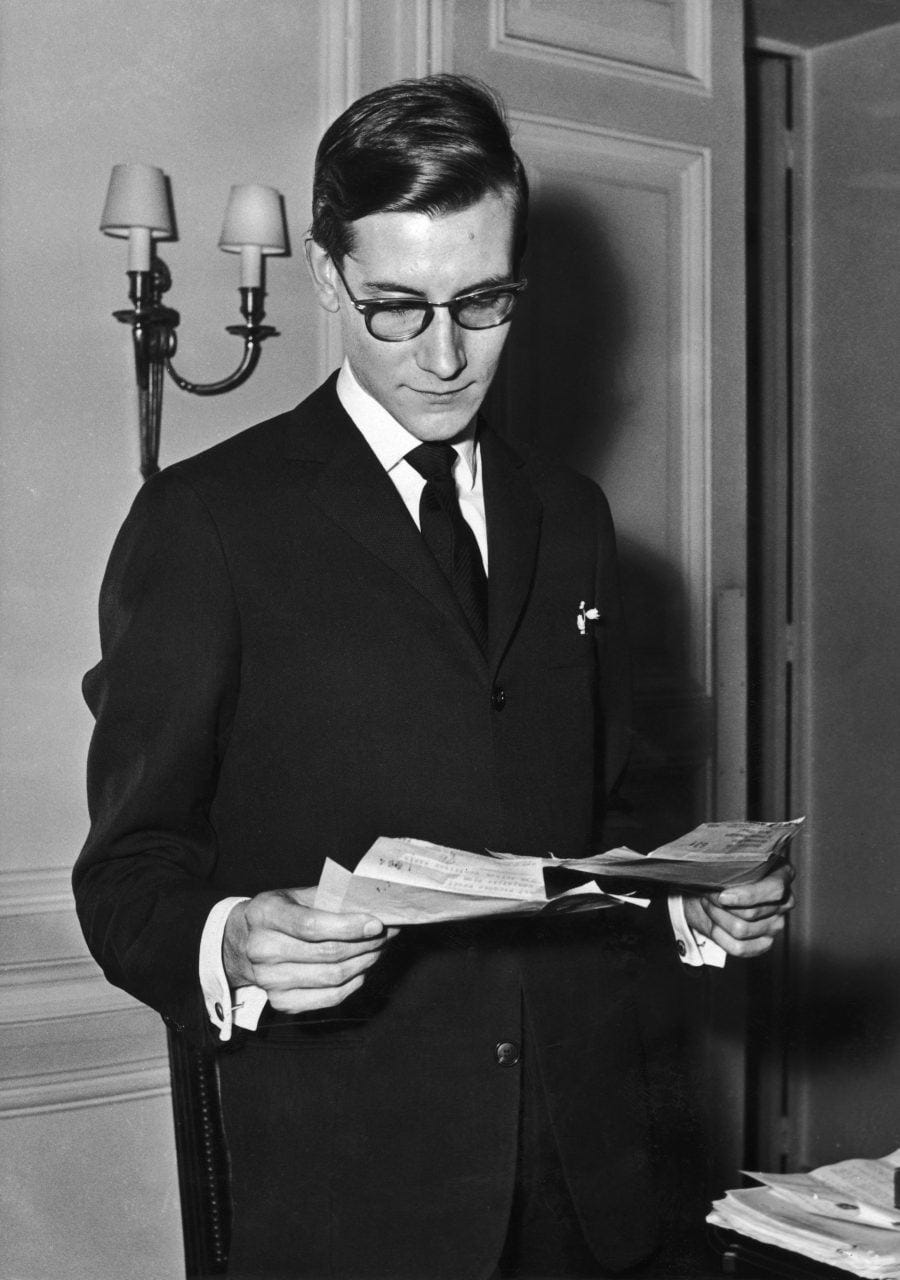
I want you to imagine standing in front of a bright light.
The visual that appears is that nobody can see your face, your clothing details, or any colours and patterns — not even the details of the fabric. All they can see is your outline.
That outline is your silhouette.
The simple definition of the term is this: the outline, or the overall shape, of a person, object, or figure as seen against a contrasting background. Applied to style, it is the overall shape created by the relationship between your body and your clothing.
For instance — a jacket can give the variety of shapes: boxy, V, straight. Trousers are the same — slim, straight, wide, flared. Basically: they change your outline, even though your exact body is the same.
And that is why the very same garments, by different designers, give you a different emotion.
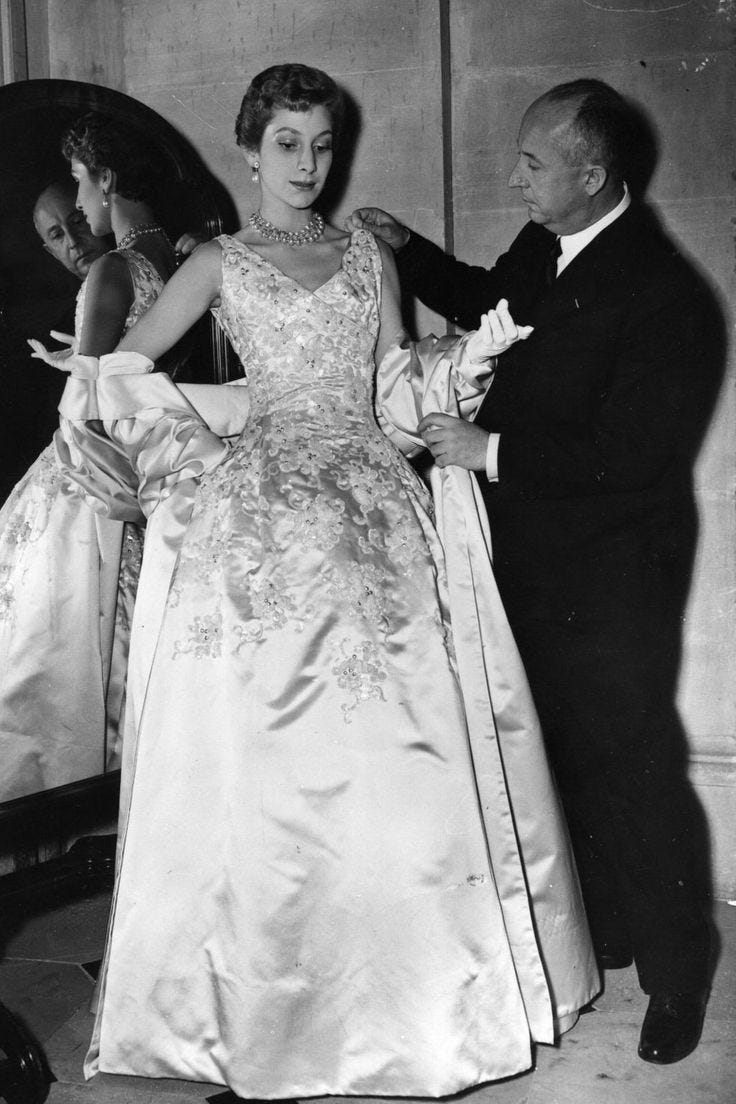
Classically, in the menswear scene — or in the traditional feminine wardrobe of the 1950s — one tradition shaped by Savile Row and another by Paris haute couture, both created the V-shape: a structured, distinct silhouette associated with authority, athleticism, and stability.
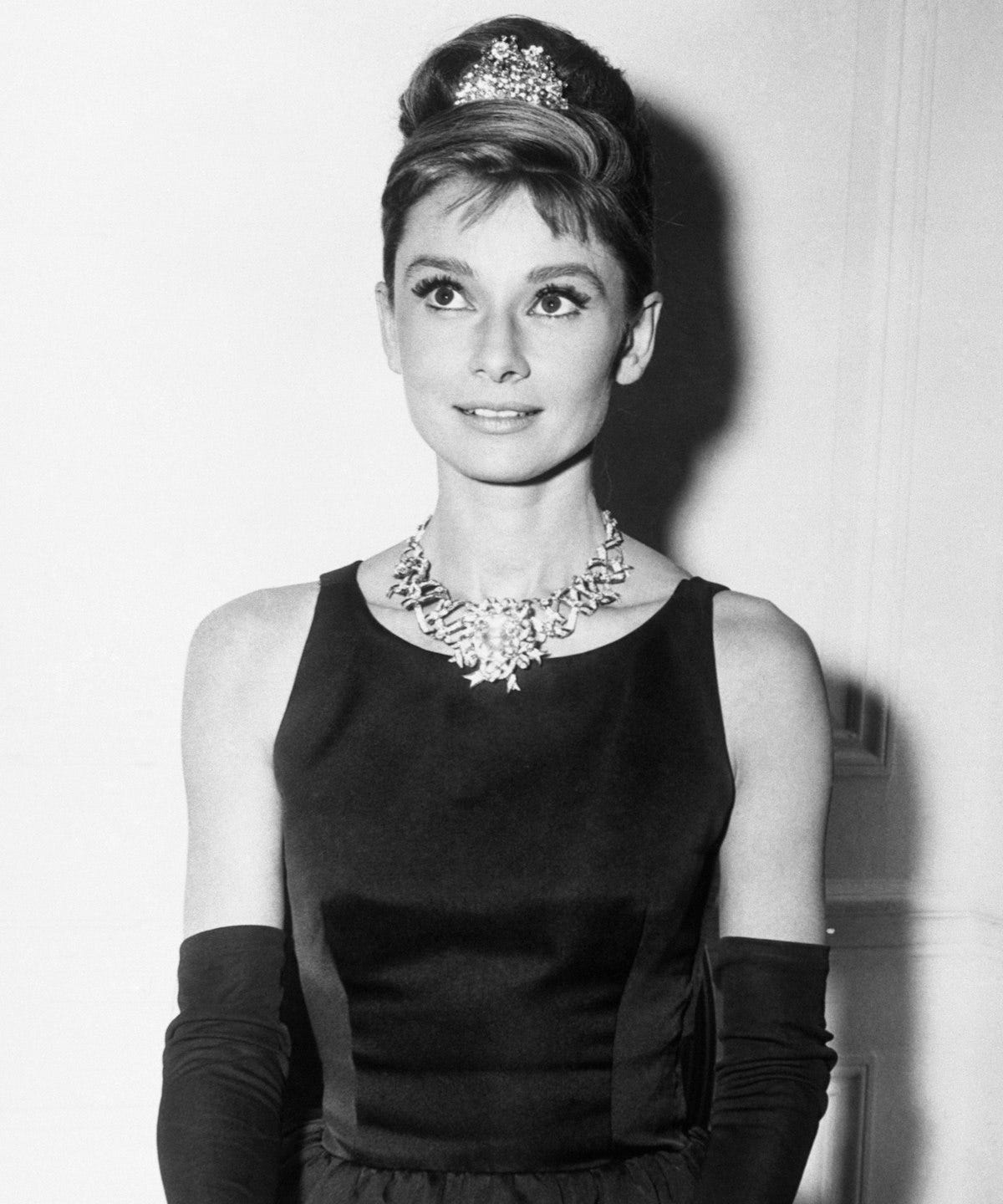
Later, the designer Hubert de Givenchy cast a spell on Audrey Hepburn, giving her elegance through the column — a long, uninterrupted vertical line.
![Yohji Yamamoto Designs Through The Years [PHOTOS]](https://substackcdn.com/image/fetch/$s_!DnXX!,f_auto,q_auto:good,fl_progressive:steep/https%3A%2F%2Fsubstack-post-media.s3.amazonaws.com%2Fpublic%2Fimages%2Fe66bc017-29ce-4d79-87b0-7f81d76aff2f_768x1200.jpeg "Yohji Yamamoto Designs Through The Years [PHOTOS]")
Or, later still, the famous 1980s fluid drape pioneered by Giorgio Armani and Yohji Yamamoto, which gave the same type of garment — the suit — a new character: a relaxed silhouette, letting fabric do the work in an almost excessive way, creating an effect that was creative, at ease, artistically expressive.
Now, here is the deeper part.
Most people think silhouette is a technical fashion concept.
I believe it is actually a psychological one.
Because silhouette determines how a person occupies space — and that influences how they are perceived. And that serves as the perfect bridge between personal affection and cultural relevance.
Many assume that if they love a particular garment, period, or aesthetic, they must preserve it exactly as it originally existed. But clothing does not exist in isolation. It exists within a cultural and visual environment. Every era develops its own sense of proportion, movement, formality, and visual language.
What made a garment feel natural in 1950 may feel theatrical in 2026 — not because the garment became worse (in many cases, far from it), but because the surrounding culture has changed. Because the dressing language of society no longer speaks in that manner.
This is where silhouette becomes powerful. It allows someone to preserve the emotional qualities that attracted them to a style in the first place, while adapting its visual form to contemporary life.
Rather than asking “How do I make this garment work today?” the more useful question becomes:
“What qualities does this garment represent, and what silhouette would express those qualities naturally in the modern world?”
In that sense, silhouette is a translation tool. One that allows affection for a specific aesthetic to remain alive in the day and night of the current era.
Take my own affection for classic menswear as an example.
I love the world of tailored jackets, pleated trousers, leather footwear, and the elegance associated with traditional menswear. But over time, I realised that what I loved was not necessarily the exact appearance of a 1956 English gentleman — more so the qualities. Confidence. Sophistication. Maturity. Ease. Masculinity. Presence.
The core problem was that the original silhouette of much traditional English tailoring was designed for a society that no longer exists. The highly structured drape suit, the heavy brogued oxford, the rigid business formality — all belonged to a different cultural ecosystem. When transplanted unchanged into modern life, they can sometimes feel more like historical re-enactment than personal style.
By contrast, the fluid tailoring of 1990s Armani retained many of the same values I admired — elegance, confidence, refinement, masculine ease — but expressed them through a silhouette that felt more compatible with contemporary sensibilities.
The same applies in womenswear.
While the admiration for Audrey Hepburn, Grace Kelly, and Jackie Kennedy Onassis can still be seen across any Pinterest board or Instagram feed, very few women today dress as exact reproductions of the 1960s.
A contemporary woman wearing a beautifully cut oversized blazer, straight-leg trousers, and minimalist flats — garments quite different from those of the mid-century — may actually capture more of Audrey Hepburn’s spirit than someone wearing a perfect vintage replica.
The real task, then, lies in the act of extracting the values hidden inside the garments and specific styles you have affection for, and asking:
“If I want to integrate these values into my own life and my own style — what would their silhouette look like today?”
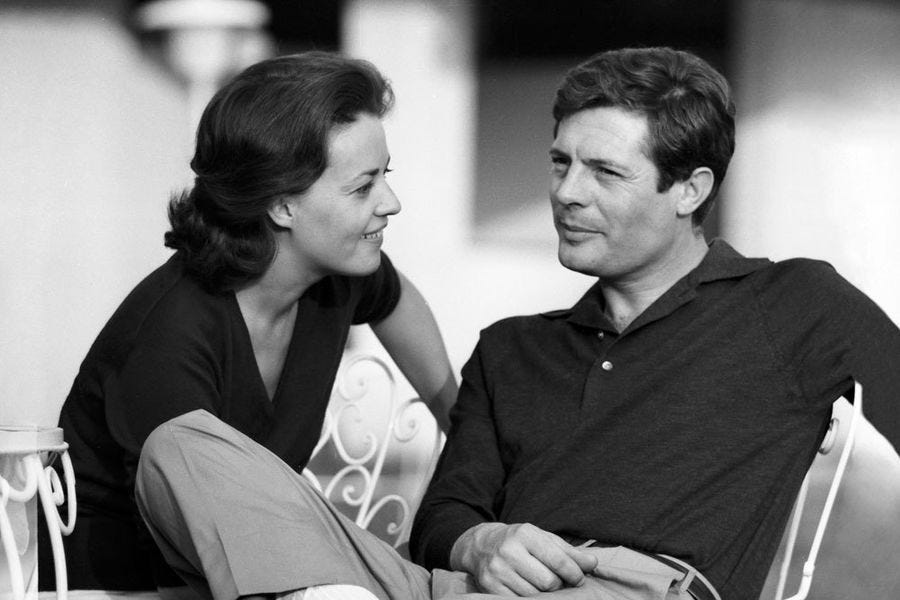
The best way — and this is what I have cultivated for myself — is to let yourself be exposed to media that goes beyond the norm. Specifically: beyond what the algorithm feeds you. To open yourself to both old and new, to still images and moving frames. You will begin to see the variety of silhouettes that reflect the culture of each era, and the identity of each figure.
In my case, it traces back to old Hollywood, then to the European New Wave of the mid-century, and now I have begun to study many of the blockbusters of the late century — surprisingly, even Soderbergh’s Ocean’s Eleven gave me a lesson on silhouette that shifted the way I approach tailoring.
Once you become clear on the qualities you aspire to, films, photography, architecture, art, advertisements, historical figures, contemporary creatives, and even objects outside of fashion will begin to give you recurring visual patterns — patterns you will begin to adopt into your daily approach to dressing.
You may notice that the people, places, and images that consistently captivate you all share similar proportions, shapes, rhythms, or ways of occupying space. Perhaps they have long vertical lines. Fluid movement. Relaxed structure. Strong geometric forms.
That is where silhouette enters the picture.
And when you look at the term through this lens, it becomes the common thread that transforms abstract values into visible form.
In my case, it is the person who admires the confidence of Cary Grant, the ease of 1990s Armani, the elegance of Italian architecture, and the restraint of mid-century design — and who has eventually discovered that all of those influences point toward the same silhouette: relaxed, elongated, understated, yet controlled.
At that point, finding clothes becomes much easier — because you are no longer searching for random pieces. Instead, you are searching for garments that contribute to a larger visual idea.
Discovering your silhouette is really the process of discovering your aesthetic identity.
And one thing you can be sure of: it is not invented in a fitting room. It is uncovered through a conversation between your inner values and the visual culture that speaks most deeply to you.
When that happens, the clothes become the final translation of something you first recognised through years of observing the world around you.
All of which, inevitably, makes every act of putting on clothes more romantic — an experience to look forward to, daily.