


“I used to wonder what kind of an armchair costs $2,500. Now I understand.”
That was a quote from my friend, who invited me to the showcase of vintage furniture and objects called Open (House) Vol. 1, presented by the curator and manufacturer Archives Design.
While my eyes and mind were far from functioning at 100% — since I had to direct a campaign at the airport at 4 a.m., and had not gotten any sleep — by the time I arrived at the showroom at 11 a.m., my brain was in less than an ideal state.
However, every piece there energised and fascinated me, just like when a boy sees an exotic car, or a girl sees a beautiful dress.
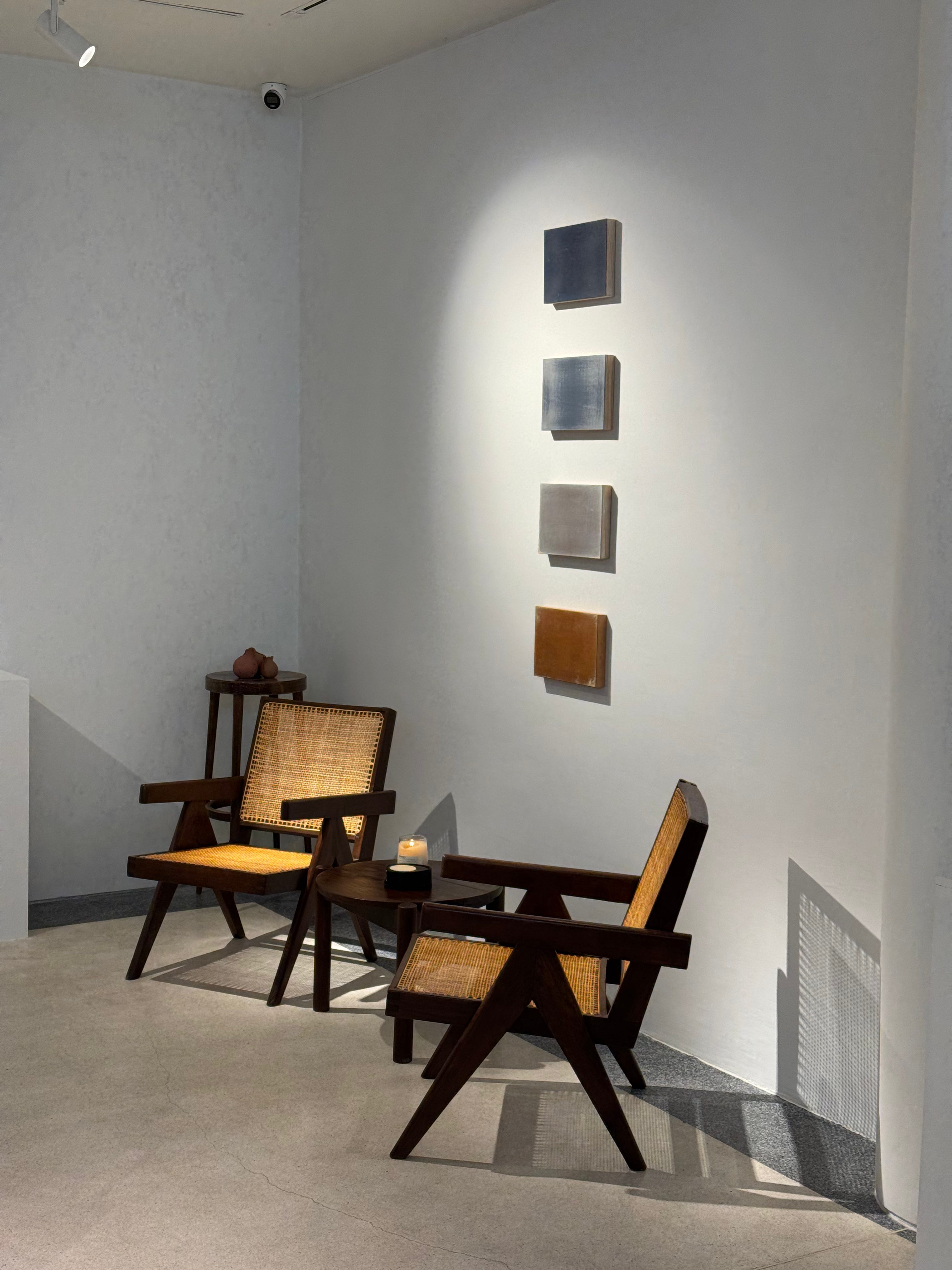
The highlight was certainly the Chandigarh works by Pierre Jeanneret — which have recently ridden a wave of hype among Bangkok’s upper-class, design-conscious crowd. Though, for me, they do not quite speak to my own taste.
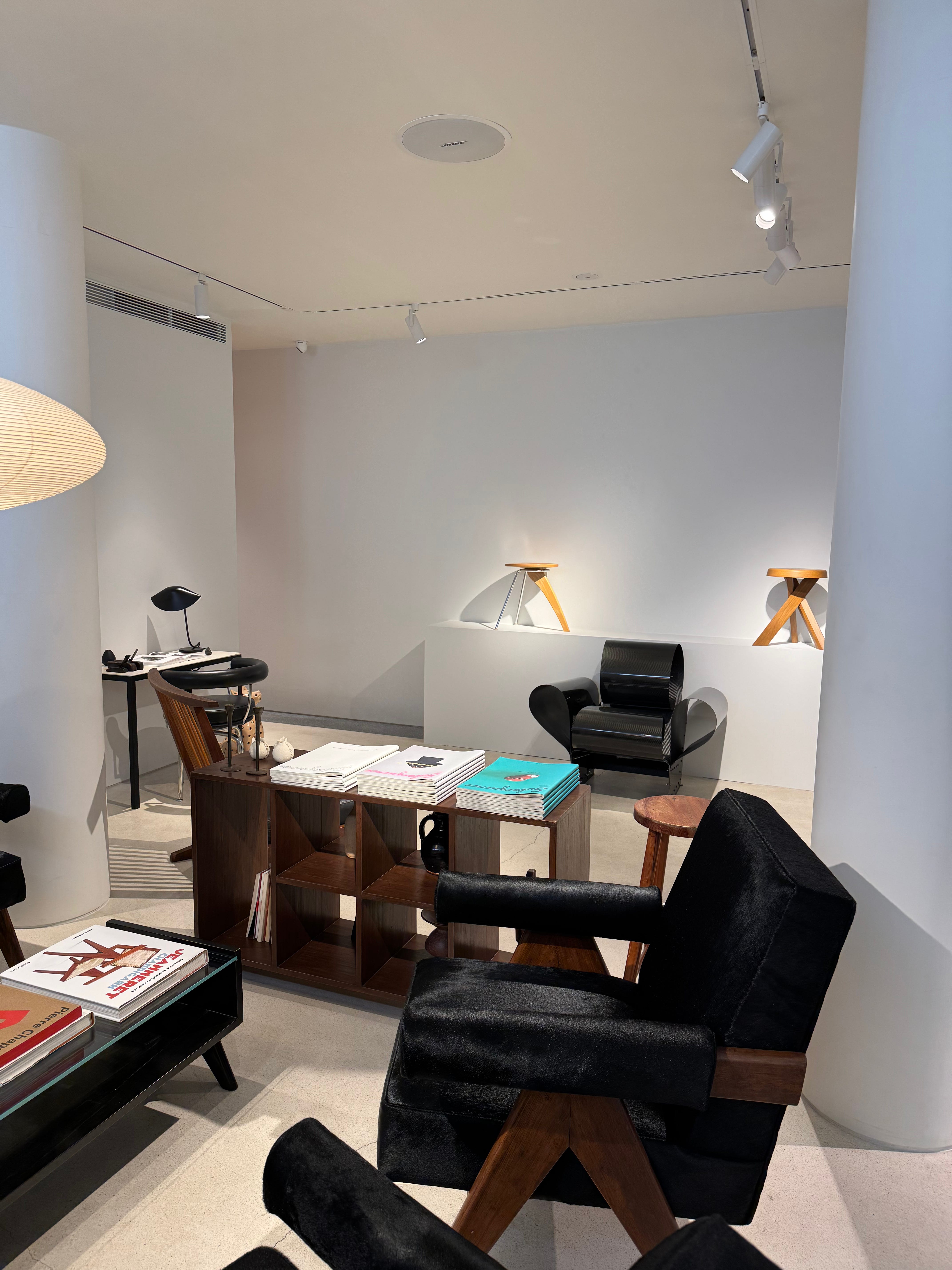
The others were from iconic names that any design-oriented person would recognise — Isamu Noguchi, Poul Henningsen, Le Corbusier. And I would say the prices of those pieces are very tempting. High enough to make them worthwhile as collectible vintage pieces, but not so overhyped or inflated as to become questionable. Of course, Pierre Jeanneret remains the exception. I still think the prices are relatively high compared to decades ago.
(Though it seems that almost every piece by the Frenchman has already been sold, based on what my friend told me.)
Then I finally asked her the thing I had been tempted to ask her — or anyone in this sector — for a very long time.
“Tell me….What do you think of replicas?”
The context is that there is an ongoing debate, both online and in real life, that I have encountered from two sides.

One side says that anyone who does not buy a vintage or officially licensed piece — like an Eames Lounge Chair from Herman Miller, or Mies van der Rohe’s Barcelona Chair from Knoll — is “just a pretentious broke person violating the designer’s copyright.”
The other side says:
“One of the core ideas behind furniture — or any well-designed object — from Eames, Wegner, and many other twentieth-century designers, was to make good design accessible to more people. Not just to a privileged few.”
“And a replica, if it is well-crafted and true to the original designer’s intentions, can be a direct homage to the core philosophy of mid-century design.”
The answer my friend gave me… I promised to keep between us.
But if I have to share my own take, it would be this:
As long as you truly appreciate the idea, the substance, and the narrative behind each iconic piece and its designer — then I do think it is acceptable, from the perspective of appreciating the object. Even if the piece is a replica. Provided it is made with authentic materials, and remains true to the original creation.
I like to think of it from the perspective of reproduction clothing in the workwear and vintage denim market.

Think of the Levi’s 501 during the golden era of denim in the 1960s. It inspired many purist Japanese denim makers to craft their own jeans as a tribute — recreating the authentic silhouette and details of Levi’s from that era. Something that Levi’s itself can no longer do. Or simply chooses not to.
But the difference between the reproduction of vintage clothing and the replica of iconic furniture probably lies in one harsh truth:
You can still buy a brand-new piece from the exact licensed manufacturer.
So by choosing not to do so, you are clearly not staying true to the commercial rights of the original design.
That remains an argument that cannot be denied.
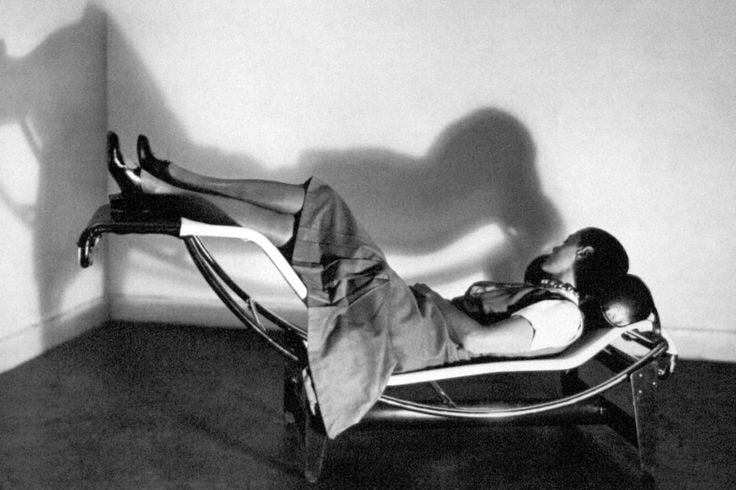
In the end, I do not think I have the right to judge someone for buying a replica of an LC4 Chaise Longue. They might genuinely admire the purist expression of modernism made famous by Le Corbusier — yet they are in their early twenties, living in a developing country, and do not come from a wealthy family with money to spare.
I do not own any replica pieces myself. Not yet.
Just like with clothing, when it comes to furniture of such iconic status, I would rather buy pre-owned. Though in cases like the Chandigarh series by Pierre Jeanneret — where there is no longer an official manufacturer, and the vintage market has pushed prices so high — ownership is reserved for only those who earn handsomely.