


There is something bizarre happening in modern life. We seem unable to live a simple life anymore without deliberately being willing to contradict everything around us.
Imagine this. If the definition of a good life — by universal norm — is decent health, mastery of some knowledge or skill, freedom from financial constraint (entirely different from reaching a particular net-worth figure), and a preferred social circle around you — then the essential acts of that good life are simple, are they not?
Train the body. Keep the diet simple. Focus proportionately on the career. Optimise financial behaviour. Top it up with the company of people who keep you connected.
What else could there be?
Unfortunately — as simple as they seem — the current capitalist economy, hyper-exposure, and algorithmic culture bombard you with a thousand components all saying the same thing:
You are not enough.
So the simple equation — health, mastery, wealth, relationship — blurs. Or worse: it remains a hidden treasure in the fog of alluring vanity, in all its forms.
If you read Renaissance Flâneur, you will know I have nothing against capitalism. I am an advocate of it. But the question of why it has become so hard to live a simple, great life in the modern world — why it feels like swimming against the tide — is worth investigating. And worth elaborating further, on how one might reach that state without pretending the inevitable natures of this age do not exist.
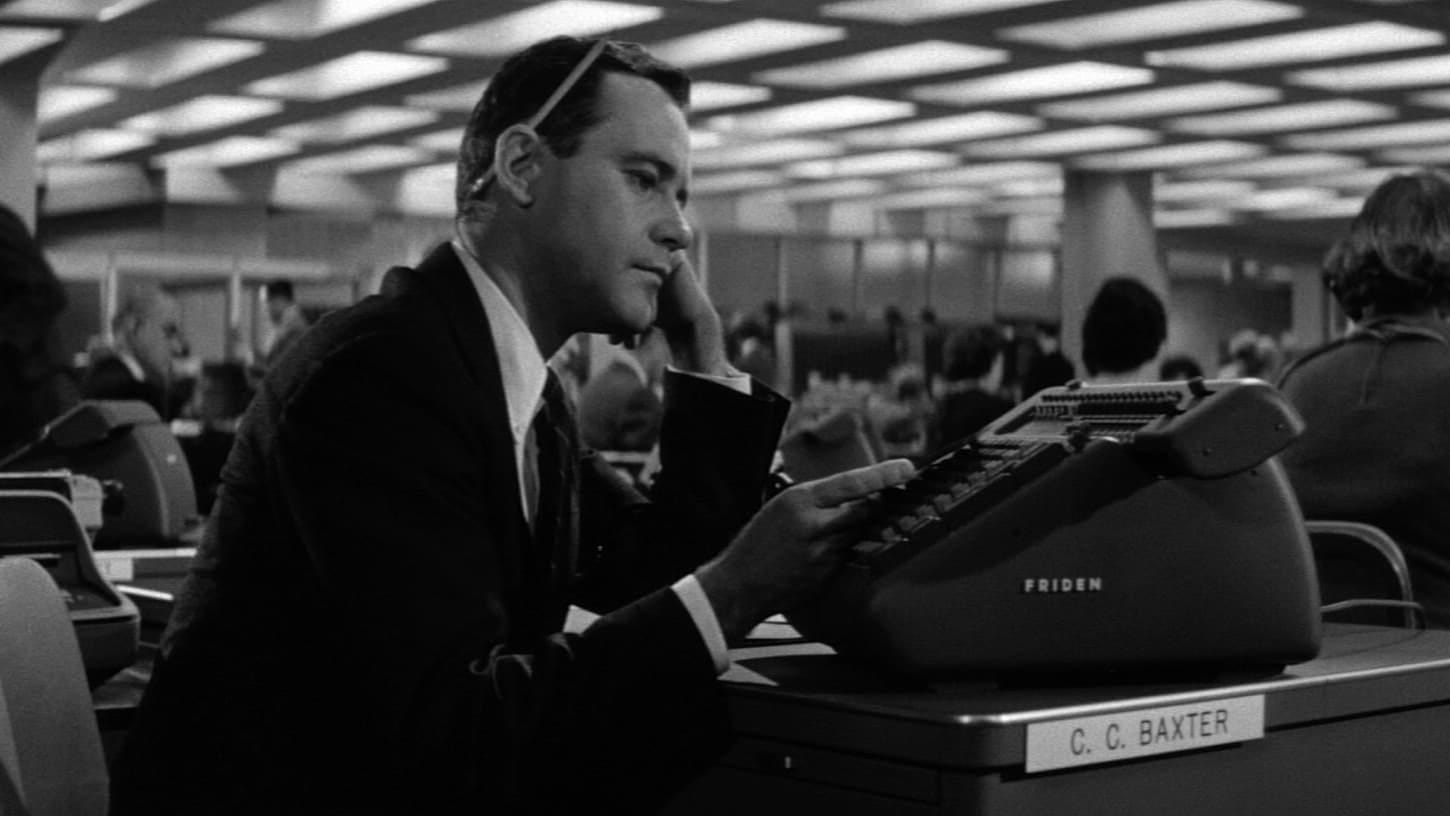
Back to those words. You are not enough, whispered constantly by the modern world. Here is what it actually looks like.
You make some money, and not long after, you realise you need more.
You buy a decent object, and there is already a better one on the way — or waiting further up the value ladder the brand built for exactly this purpose.
You finally reach a goal you chased for years, and instead of satisfaction, you look around and find somebody already ten steps ahead.
And social media makes it worse.
Because now you are not comparing your life to the people around you. You are comparing your ordinary, not-so-glamorous Tuesday morning to the best moments of several hundred other lives, within ten minutes.
The harsh truth is that this is the nature of consumption, of human beings, and of how capitalism works best: by keeping you slightly dissatisfied. A person who genuinely believes I have enough is incredibly difficult to sell things to. So everywhere you look, there is another message telling you that you were meant to have more than this.
And eventually even the things that were supposed to make life enjoyable become another form of work.
Exercise becomes numbers tracked in Strava. Reading becomes an annual target to post. Travel becomes content, an asset for status comparison. A hobby becomes a side hustle, far from the genuine pursuit of mastery for its own sake.
Suddenly you are optimising your entire existence instead of experiencing it.
Which is why living simply today takes a surprising amount of courage. Because you have to become comfortable with being unimpressive.
Be alright with the older car. With earning enough rather than endlessly chasing more. With saying no to the opportunity that offers status but takes your time. With letting other people misunderstand what you are doing with your life.
Because if you never decide what enough means for you, the modern world will decide it for you.
Which leaves the larger question. What should enough actually look like?
