


At the very early stage of my teenage years — apart from the idea of wanting to look like a grown-up individual by dressing in classic attire; the other vision I was so fond of — is ‘sitting at a bar, drinking a cocktail and listening to live jazz’.
For a mere teenager back then, that experience — the night spent alone, sipping a drink discreetly and watching the scene of ‘culture’ that I, at that time, had not articulated so well why I was drawn to it so much…
But the more I experience life, the more I absorb media — the more I can see the intersection between these… films, books, and shows. Whether Mad Men when I was 22, or classic 007 starring the man ‘Sean Connery’ at 23 years old — now half a decade has passed, and all the media I adored always led down the same ‘road’ that leads to the mid-century period.
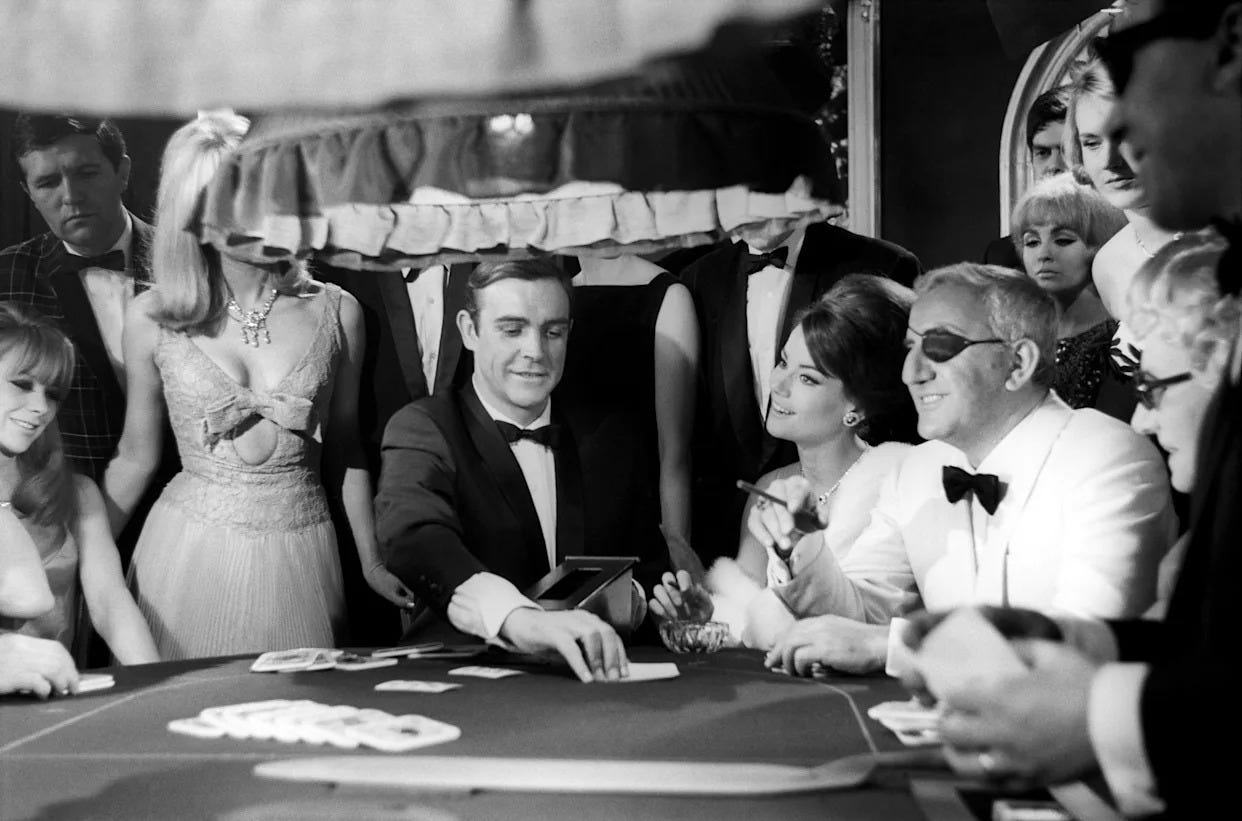
As once elaborated in this editorial of mine — the era represented the last era of virtue that the 2020s seem to have discarded or somewhat ‘forgotten’. The idea of holding elegance as the ‘standard’, not optional; the interaction with grace and manner during encounters and conversations; or even the atmosphere that still allowed people to sit, think, and stay with themselves without being diluted by the bombardment of algorithms all the time.
However — among all the forgotten rituals and entities that once gloried during the mid-century, there’s one scenario that still breathes and holds its little corner for me — and likely you — to be able to tap into the essence of that era:
‘The Bar’
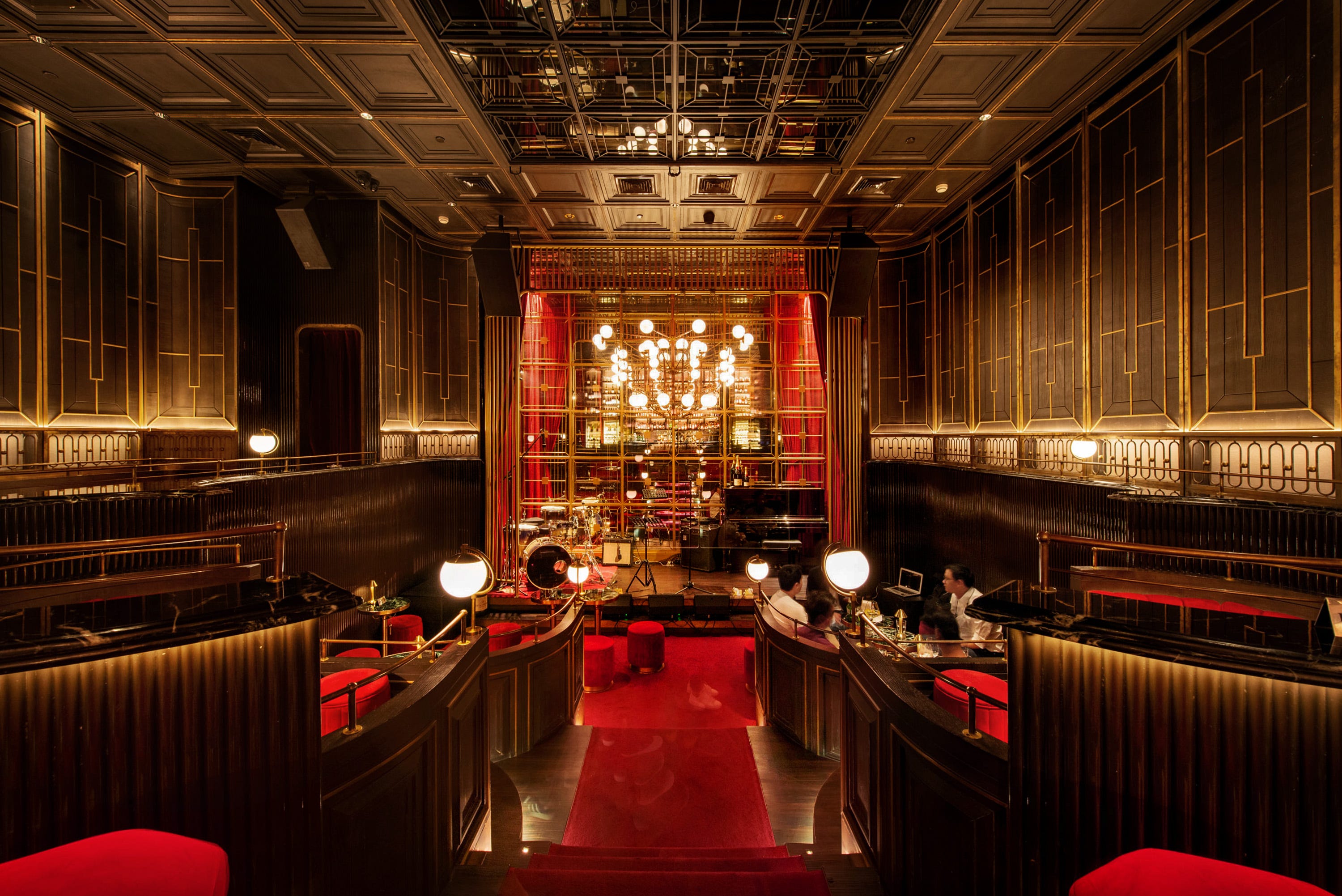
I still remember the first time I walked into the place so-called ‘Crimson Room’ when I was 20. I dressed in a poorly fitted oversized plain beige jacket, black slim-fit low-waist slacks, and dark brown horsebit loafers — to be honest, I would rate my ‘style’ very low — but in terms of the ‘courage’ to finally actualize the vision I had envisioned for so long, from a bar scene in New York in White Collar or Pierce Brosnan in a 1980s power suit as shown in Remington Steele — that was the ‘moment’ to remember.
Back then, my perception of ‘nightlife’ and ‘drinking’ culture was like most teenagers living in the new millennium — an outrageous, wild, and intense alcohol consumption with loud R&B music setting a vibrant atmosphere — but that night made me realize, or eventually tap into, another version of nightlife.
One that cherishes composure, intention, understated elegance, and a deliberate way of living.
A very few places where elegant attire and old-world virtue are still ‘accepted’ to be integrated with modernity — and certainly a place where nightlife, either in a big metropolis or a small town on any continent, will always have one.
The thing is — behind the tons of liquor on a shelf, the warm-lit interior — what’s the appeal of this ‘culture’? Why is it considered a transportation to a bygone era, without the need for a time machine?
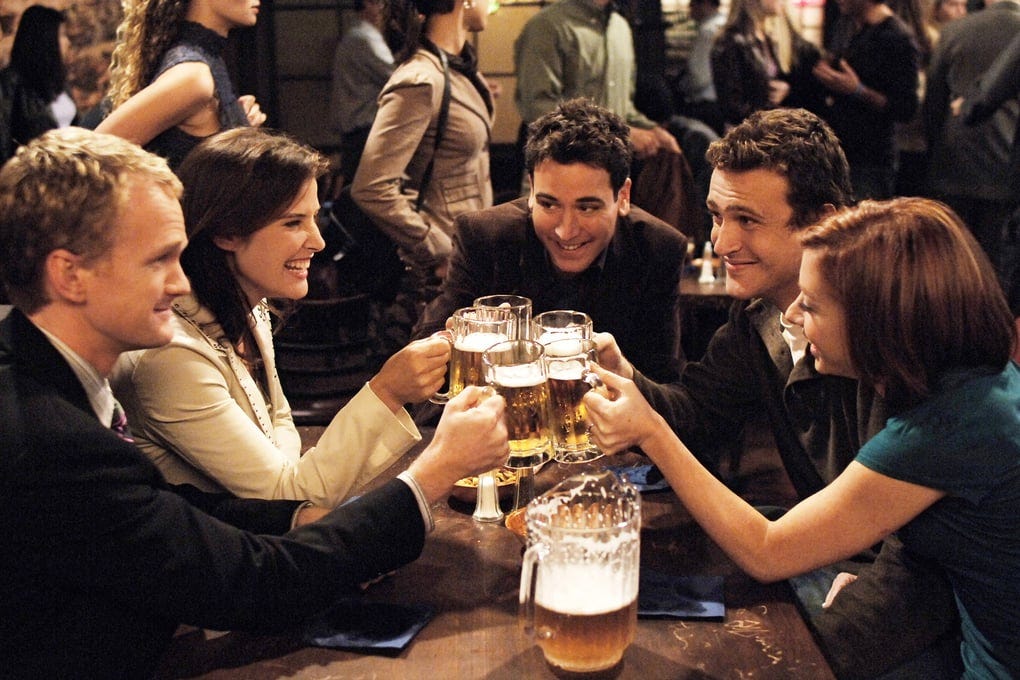
There are images you can imagine whenever the word ‘nightlife’ occurs in your mind… the straight, long line of people awaiting entry into the most ‘trending’ club of the season; the loud outdoor spaces full of individuals holding glasses of beer and ‘enjoying’ their time as dusk arrives, with the idea of ‘consuming’ as many drinks as possible.
In which, most of the time, is an act of escapism. Either from the reality they’re facing or from incidents that are disturbing their minds.
Truth is, in terms of legality and morality — there’s nothing wrong with those. In the end, that is how ‘taverns’ during the medieval period to nightclubs in these days came to exist in the first place as a ‘business’ — since it’s the way humans naturally lean toward temporarily ‘releasing’ the tension of their lives.
However, the problem with it is this:
The modern nightlife scene has been stripped of human texture and replaced with optimized consumption loops.
When most people talk about nightlife, they picture energy, freedom, and connection — but when you actually stand in the middle of it in the new millennium, something feels slightly off, like the whole thing is running on autopilot.
Ladies and gentlemen, again, it’s not that people are doing anything wrong; they’re just trying to unwind, to feel something, to escape the weight of their own thoughts. But instead of real release, it often turns into performance — people dressing, moving, even reacting in ways that feel subtly rehearsed, as if they’re more aware of how they’re being seen than what they’re actually experiencing.
The music is loud, the lights are designed to impress, the drinks flow endlessly — yet genuine connection feels rare, almost impossible to create. It’s as if the environment is engineered to simulate intensity rather than allow something real to emerge. And maybe that’s the unsettling part — you can sense that beneath all the stimulation, many people aren’t fully there; they’re negotiating with their own emptiness, trying to override it rather than face it.
So the whole scene of modern nightlife works, capitalistically — it’s lively, crowded, profitable — but it lacks a certain human depth, the kind that makes an experience feel meaningful rather than just momentarily distracting.
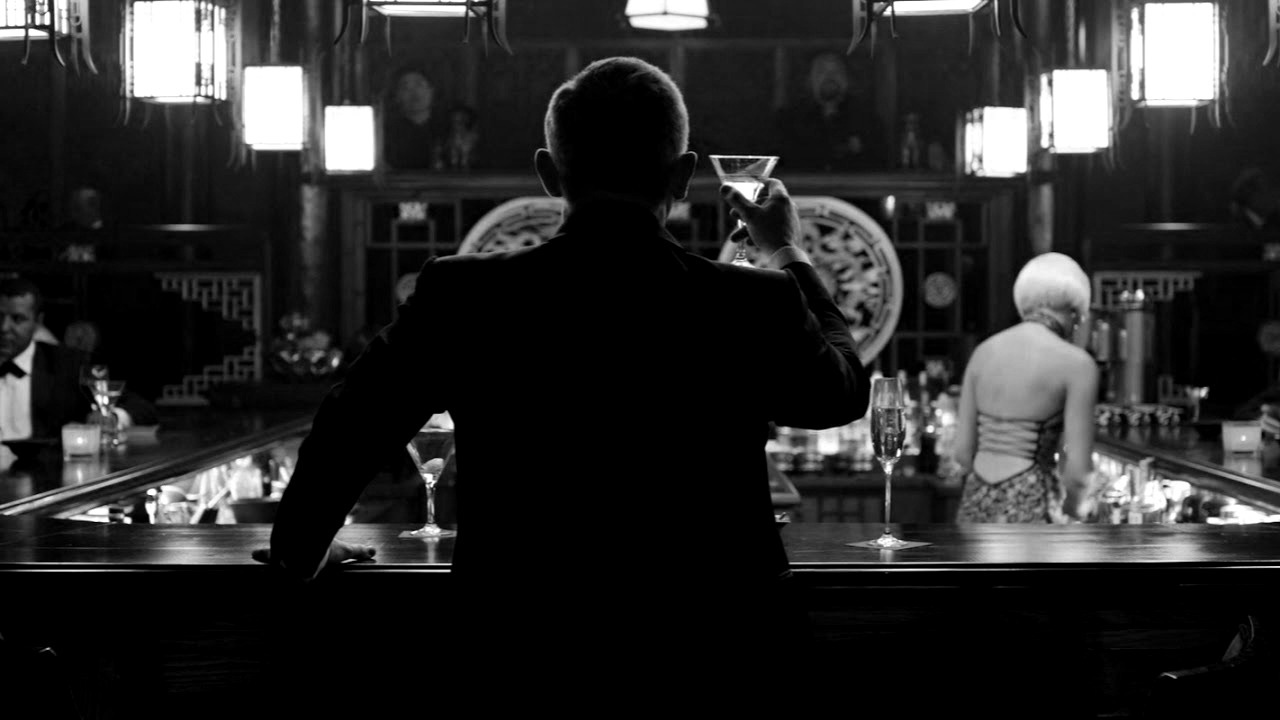
Now, allow me to introduce you to ‘bar culture’, the vision of mine that served as a time machine to the last frontier of elegance, where nightlife could still be a place for ‘genuine connection’, with an atmosphere that allowed it to happen.
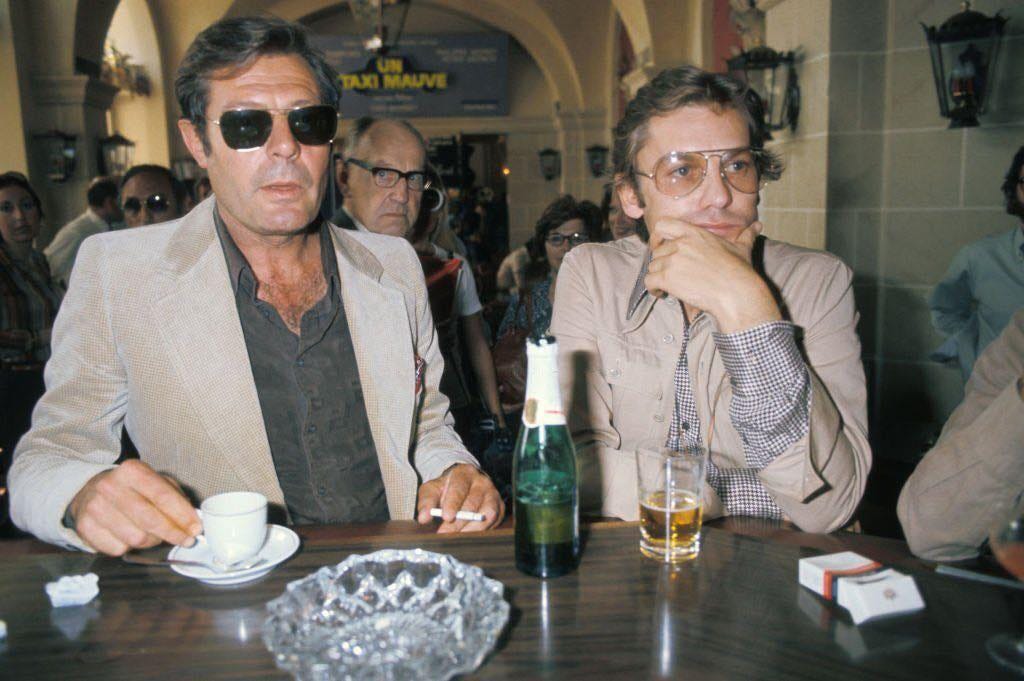
First, trust me that I am very aware that the visual of a man in a grey flannel suit in Mad Men, having 2–3 martinis, or Marcello Mastroianni in La Dolce Vita opening a bottle of champagne at a 1960s Roman social club, is not all glamour and purity in that sense. There is still the idea of escapism, the dynamic of social leverage and status games—the things that make ‘a human a human’.
But one obvious thing is that in those days—men and women were willing to hold onto consciousness and willing to adopt a subtle, understated way of releasing tension; all of which was reflected through the series of conversations, the varieties of cocktails, and elegance in attire—a reflection of quiet discipline.
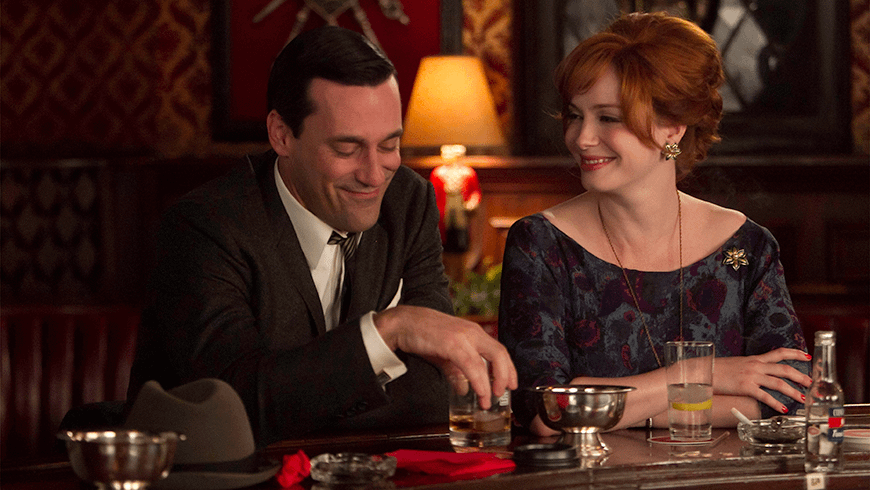
Conversation — The Intimacy through Substance
Dialogue during the evening wasn’t filler to pass time, but more of the event itself. People spoke with a kind of deliberate presence, where wit, restraint, and timing mattered as much as what was actually said. As you see it echoed in shows like Mad Men, where a single exchange could reveal more than an entire modern night out. There was intimacy in that—not because people overshared, but because they withheld just enough to make every word count, and were not afraid to go deep into the details of a conversation once it began.
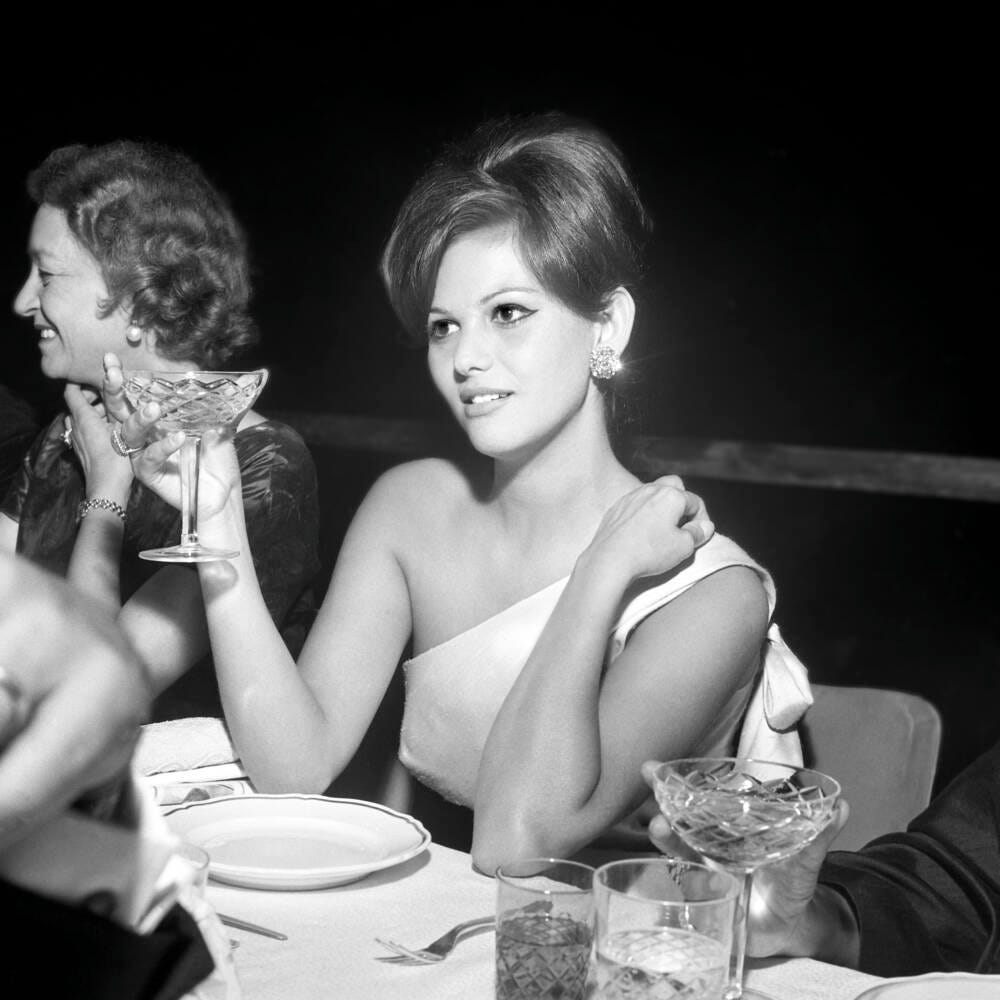
Cocktail — The Drink that Reflects Taste
Ordering a drink was a subtle declaration of taste, rhythm, even personality. I once elaborated on this in an editorial—but in a basic sense, there is the art of the cocktail, the depth behind each whisky, the composition behind each bottle of wine; one that required a discerning individual to curate and cultivate their taste, to master the way of ordering in each evening. It was a controlled accent to the atmosphere and companionship—both enhancing and reflecting the mood of the moment.
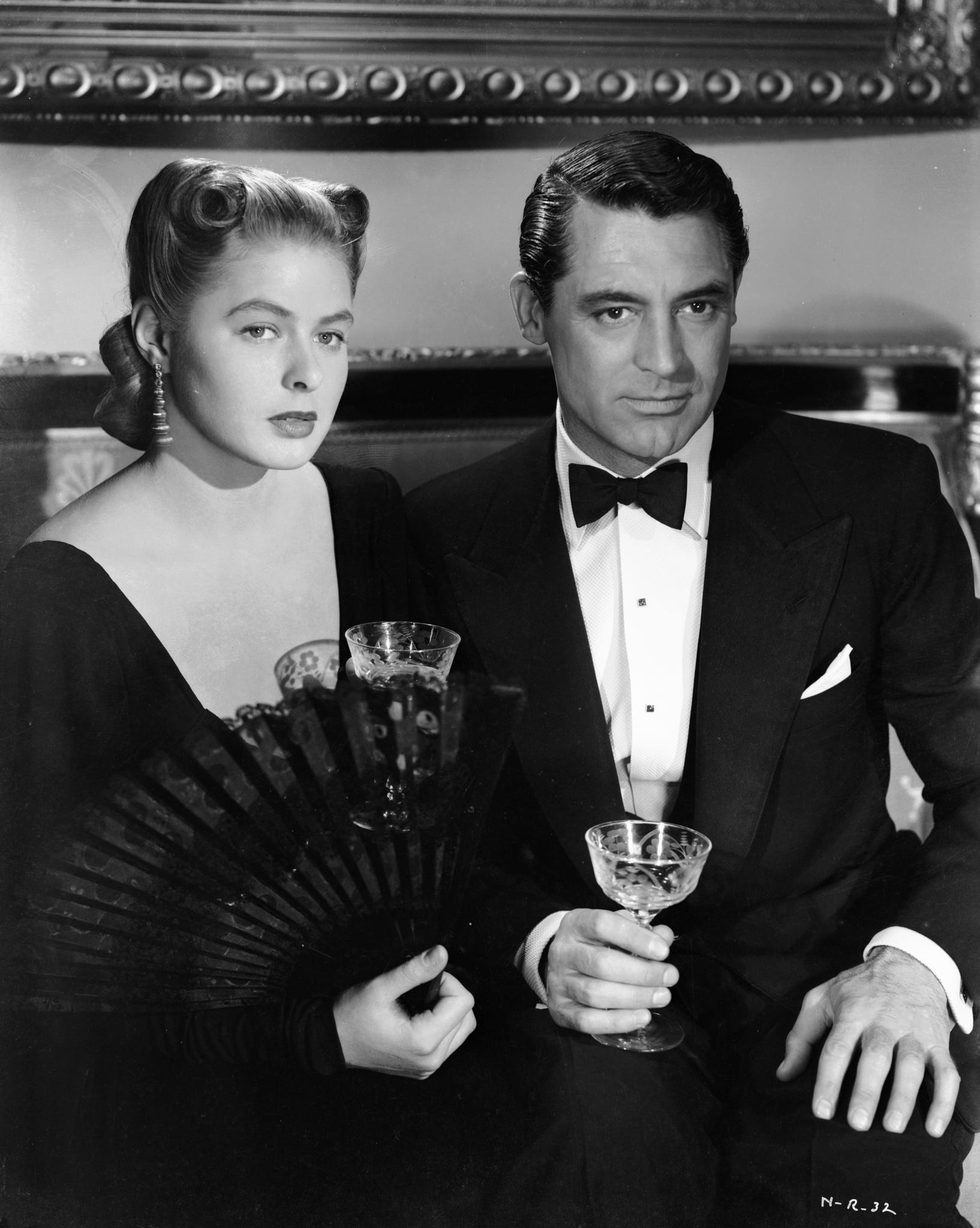
Elegance — The Symbol of Consciousness
The way people dressed, carried themselves, entered a room—back then, it was a signal that they understood the social fabric they were part of. Think of the composed presence of Cary Grant and Ingrid Bergman—two embodiments of mature grace at its peak form. The idea of elegance was about being in control of oneself in front of others.
Put together, these elements created a kind of evening culture where nothing was loud, but everything had weight—where tension, taste, and awareness turned even the simplest interaction into something that felt, unmistakably, human.
And all of those three—you can ‘actually’ find embodied in the place so-called ‘bar’.
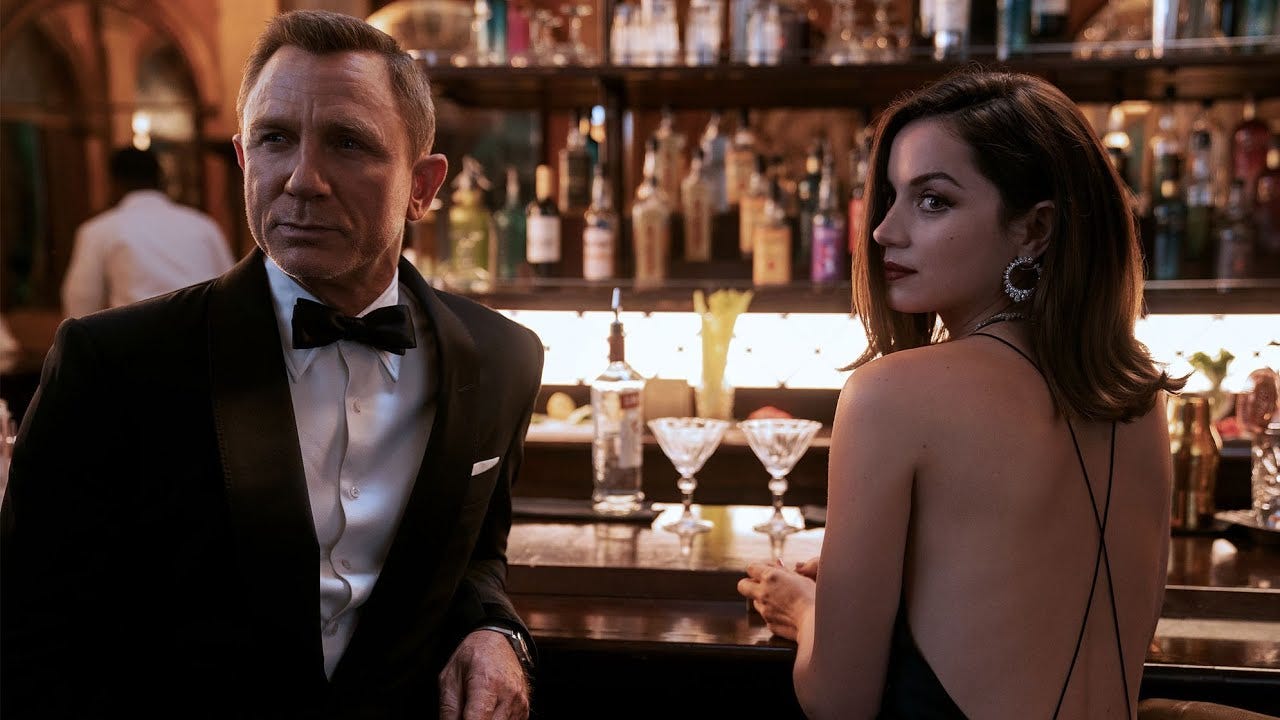
There’s nothing that beats the bizarre experience of stepping into this kind of place for the first time—for me, as a mere teenager back then, ‘overwhelming’ is the term that defines that memory.
Where to sit?
What to order?
How should I behave?
Many questions occurred—yet, when things began to stabilize, when it was the next time, and another, and another—I then realized for sure that ‘this is one of the best ways to spend the evening’.
It was far from a crowded atmosphere, far from hedonistic indulgence—though there were times I still saw those in such places—but very occasionally. This also depends on the ‘choice of bar’ you go to. Because… if it’s a mass spot, it’s hard for it not to be full of people (and the increasing chance of facing a chaotic mode).
However, that scenario can turn into a beauty of the Flâneur at its finest.
Imagine yourself composed through internal character and external appearance; complete in yourself, nothing shouting—and then simply finding a comfortable place at a bar, ordering a drink that lasts long enough to savor over an hour, and watching ‘modern’ life as it unfolds… without attachment.
Seeing it, observing it, questioning it—these are the joys themselves.
The beauty is that a place so-called ‘bar’ can serve many purposes—whether that flâneur act, lingering conversations with company, or deep introspection within the sphere of jazz or your favourite genres of music.
Again, the choice of bar truly matters—and the practice I can share is to “explore the very city” you’re in, since each one carries its own tempo and language.
In my case, there is a clear differentiation between bars in Milan and Bangkok—in other words, an old-world city and a new-world metropolis. When I was in Milan last winter, the mood of the place carried a consistent energy: intimacy, warmth, elegance, and a sense of passion—whether in the drinks or the people. Here in Bangkok now, it’s about experiencing the perspective of the metropolis—whether on a high floor of a grand skyscraper or discreetly tucked into a hidden street of the old town… but both operate on a similar philosophy: indulgence, extravagance, and vibrancy.
Now, the question remains—how do you integrate this idea of ‘bar culture’ into your own life without ending up as an alcoholic?
Trust me, that was the question I had before setting foot in Milan.
While I had heard the term ‘aperitivo’ or ‘aperitif’ before, I never truly understood it… “What is the idea of this period, in terms of having a drink in the early evening before a proper dinner?”
Until I walked along Porta Venezia, San Babila, and other districts in Milan—and finally came to understand this culture, which surprisingly aligns with the ‘Flâneur Bar Culture’ we have discussed.
The term “aperitivo” comes from the Latin aperire—to open. Biologically, it opens the appetite of the digestive system. And what better time to do so than after work, in the evening, in an open social setting? Seen this way, aperitivo hours become a kind of ‘break mechanism’ within modern work life—psychologically signaling that “today’s work period is done, and it can wait until tomorrow.”
Unfortunately, that kind of privilege, while still active in Western Europe, is not fully integrated in other parts of the world—especially major metropolises like the US, Tokyo, Bangkok, Singapore, and others. There’s a high chance that if you’re a knowledge worker with a full-time employment contract, while you’re sipping your Negroni, a Slack notification or a direct WhatsApp call will interrupt the moment.
Ladies and gentlemen, what I propose is this:
Take the philosophy of aperitivo hours—the idea of using it as a ‘break’ from the hectic nature of modern life—and reclaim control of it; integrate it into places like bars without falling into heavy consumption.
Again, if there’s a single culture that has fully survived and is still applicable from the mid-century to this very day—it is the elegance of having a drink at a bar.
In the end, this is a symbol of deliberate living, one that resists modern conditions. Where you choose to maintain elegance in a place that demands it; where you regain your personal time, or at least choose to spend it in conversational fulfillment with those you care about—and hopefully, where you are able to sit still and observe the people, the city, and yourself—even if it’s just for a few hours in a week.