Sometimes life takes you somewhere unexpected—yet quietly enriching.
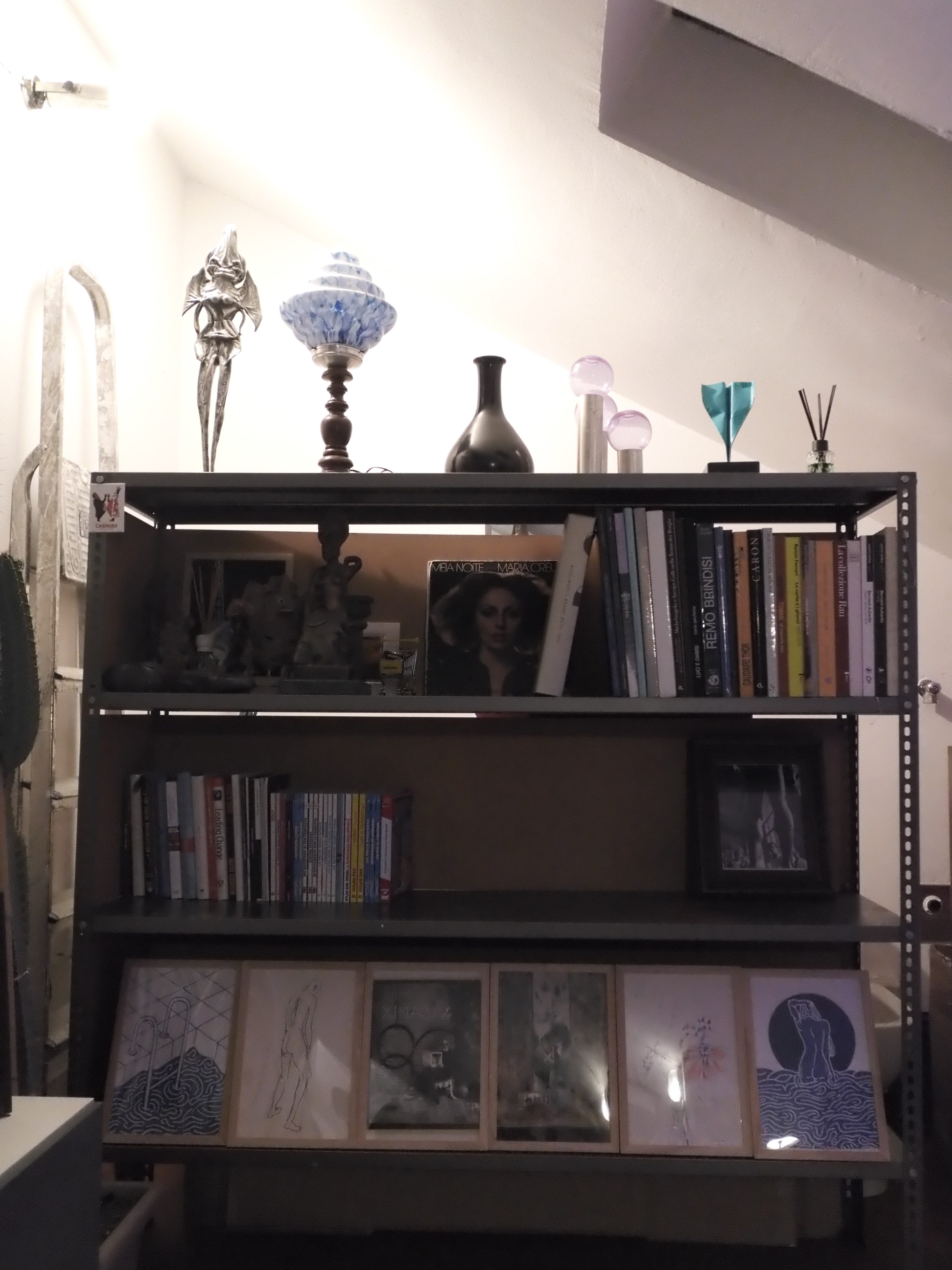
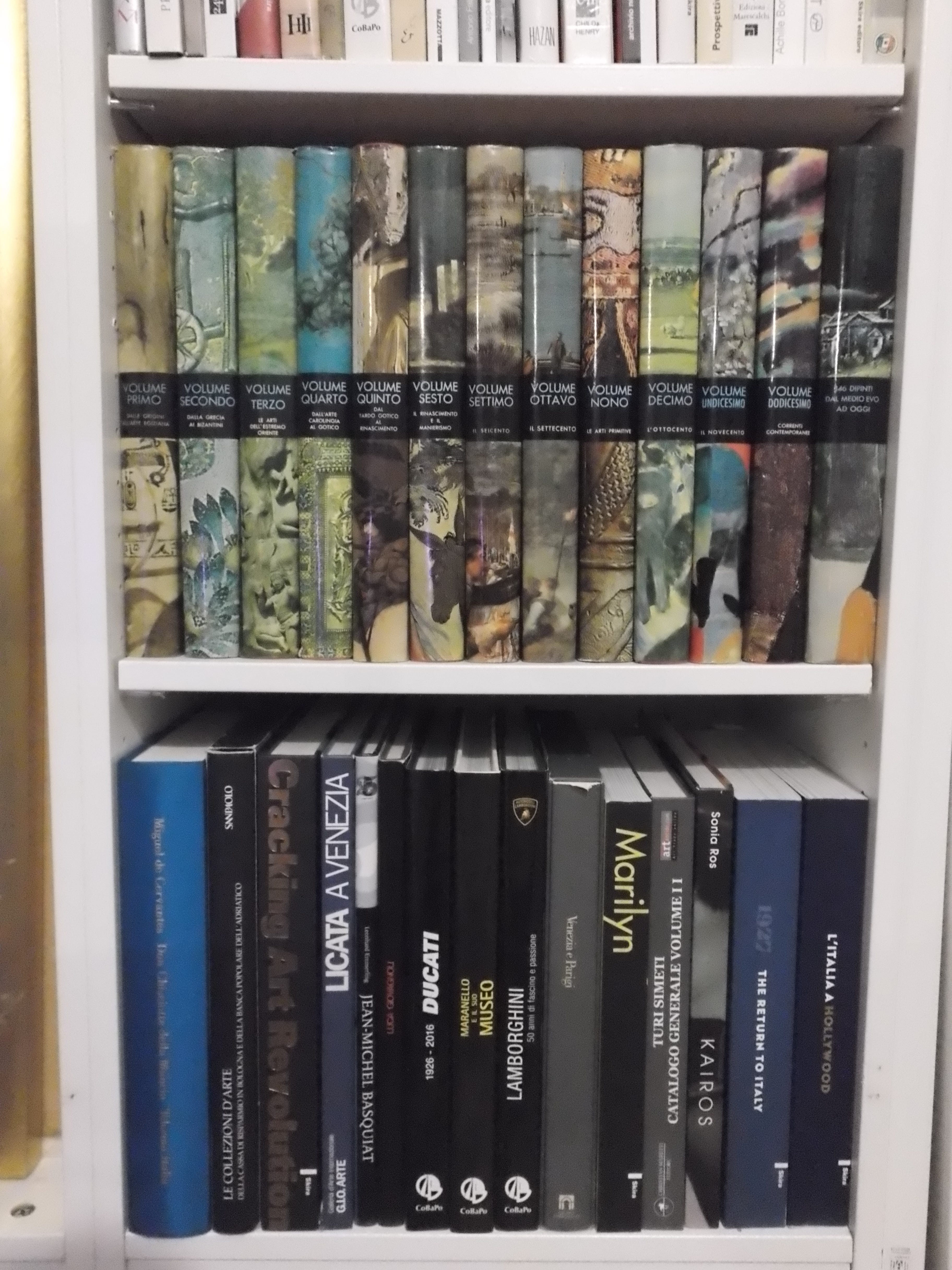
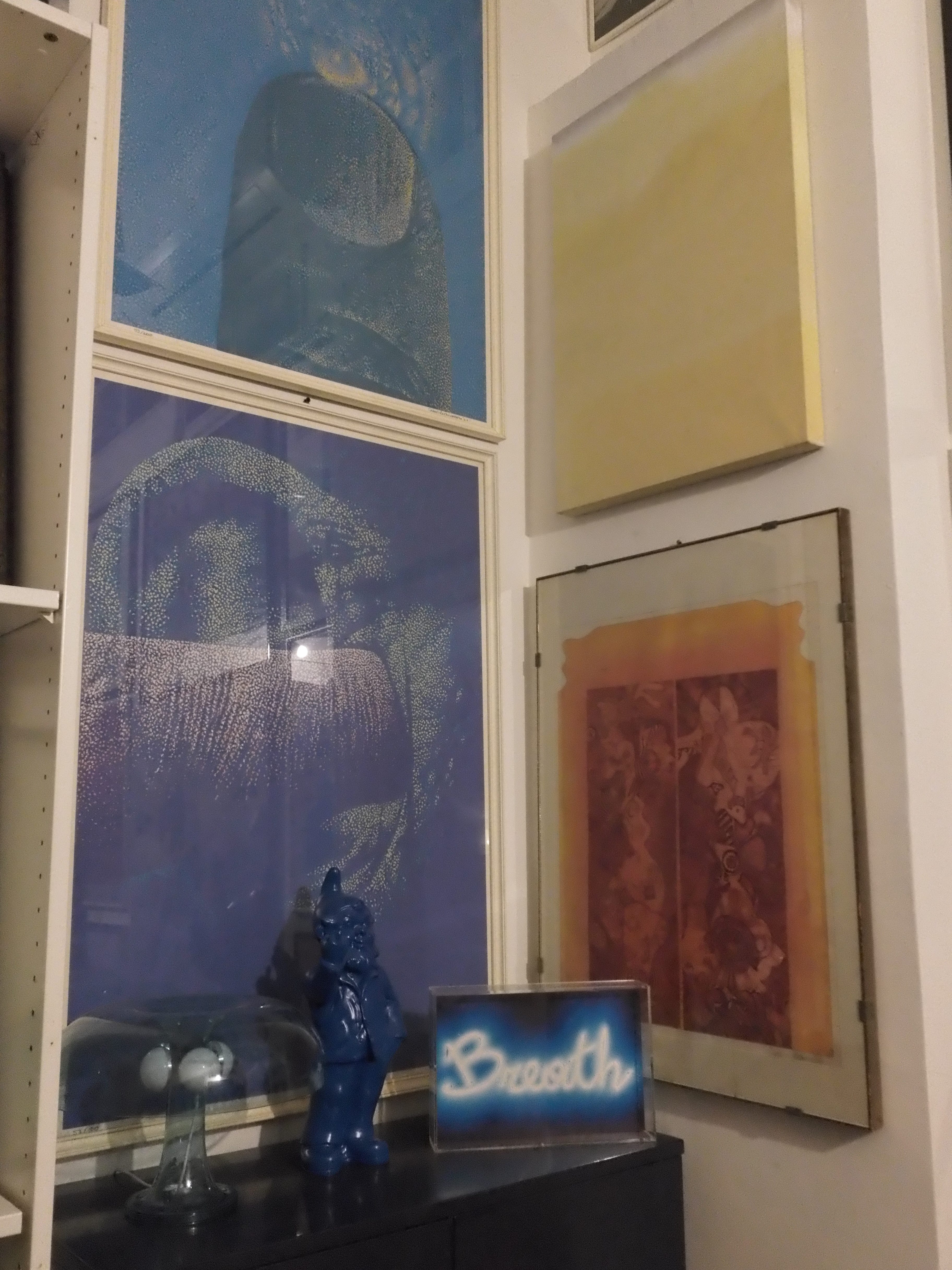
When I was searching for a place to stay during the Milan winter, I came across an apartment on Airbnb. At first glance, it had everything you would expect: a prime location between Porta Venezia and Porta Romana, with trams, metro lines, and easy access to Centrale and Linate. But what drew me in wasn’t convenience—it was presence.
From the images alone, something felt different. While many Milanese interiors lean toward a polished, post-war modern aesthetic, this space carried a deeper sense of intention. Every object seemed considered, every corner curated. It wasn’t just decoration—it was expression. And through that expression, I was led to the man behind it: Alessandro Brunelli.
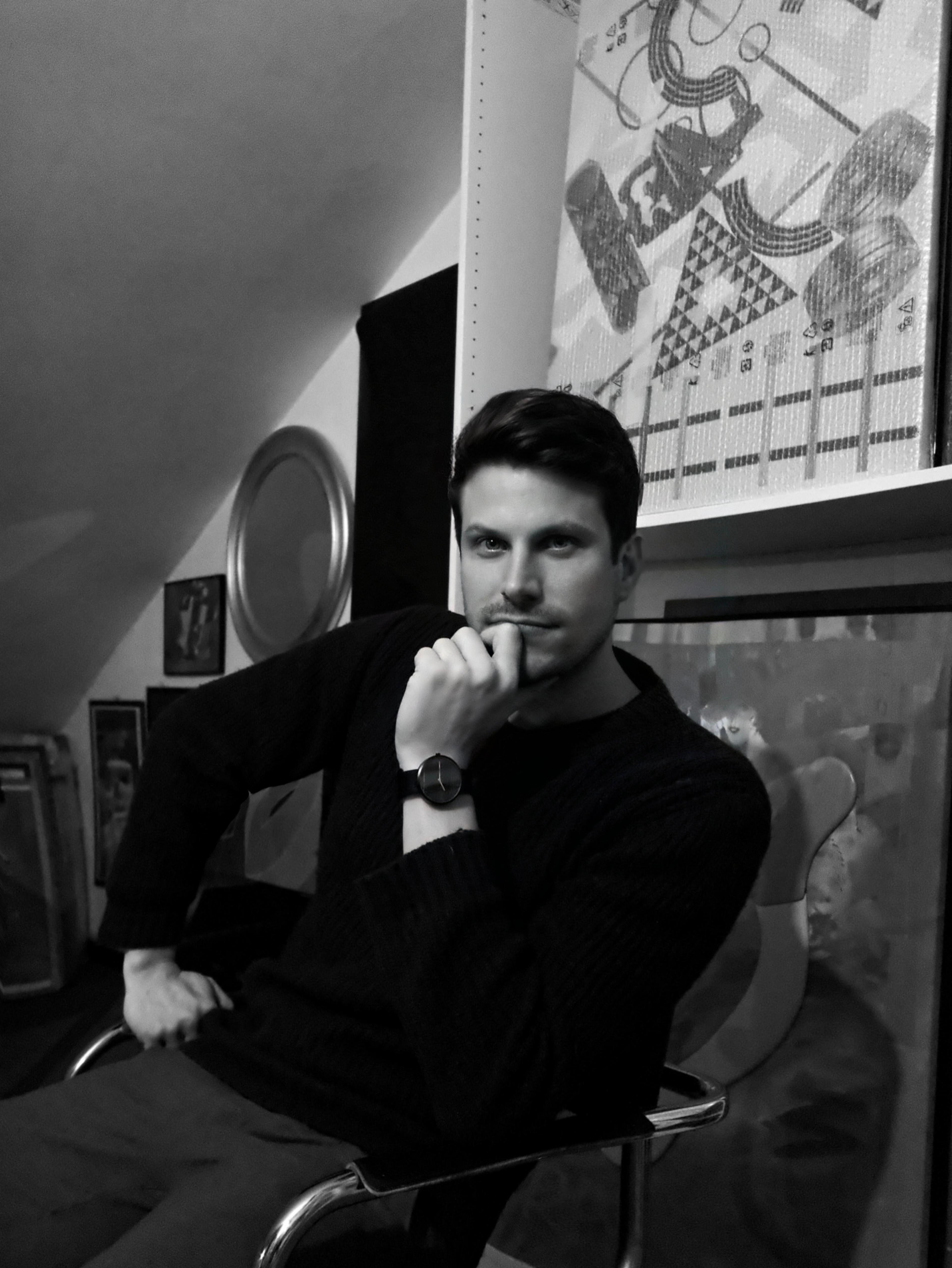
Alessandro—Ale—is Milanese by birth, with a quiet charisma that was already evident in our first exchanges on WhatsApp, while I was still in Bangkok. But what truly intrigued me came later, when we exchanged Instagram profiles. I noticed his background in engineering—structured, rational—but paired with something seemingly at odds: contributions to Style Magazine, and a global art platform, ITISARTIME, followed by hundreds of thousands.
That contrast stayed with me.
So I decided that before my time at his residence came to an end, we needed to sit down—not just for a casual chat, but for a proper conversation. And not just anywhere, but in his own salon on Via Francesco Guicciardini, over a glass of Sicilian wine. To talk about art, life, and the role of passion in shaping a human existence.
Ladies and gentlemen, I give you—Signore Alessandro Brunelli.
Patrick:
Before we even met, you gave me your Instagram, and I stumbled onto the account: ITISARTIME. What’s the story behind it?
Alessandro Brunelli:
It started in 2014, when I was 24—much younger than now, unfortunately. At that time, I needed something new in my life. I had already been collecting art for five years, and I was coming out of another project—the university page called “Spotted.”
It was a funny concept: people would write about someone they “spotted” at university. It wasn’t stupid—more like playful, romantic, and a little chaotic. But in the end, I had issues with a colleague who ran the pages with me, and I decided to step out of that business. Even if it was quite profitable, I gave full ownership to my ex co-founder and chose to start again from zero.
The key point is that Spotted wasn’t born from passion. It came from identifying a market opportunity. It was business—an idea we tested. Not a hobby, not something I loved. And I realized: if I’m starting from scratch again, I need something that truly excites me, so I can give 100% of myself. Because in the previous experience, I didn’t give everything—and I could feel it.
At that moment, art was the most important thing in my life outside university. And I thought: why not open a page where I can share what I genuinely like? In those years, everyone was sharing holidays and selfies. I wasn’t interested in showing off my life, but I did want to communicate something.
So I opened ITISARTIME. At the beginning I posted what I bought at auctions and what I collected, hoping to find people with the same passion, maybe even the same artists. But honestly, after three or four months, it felt like a big failure. The art I collected was too niche—mostly Italian artists from the post–Second World War period. If you know it, it’s interesting. But on social media, it doesn’t always hit immediately.
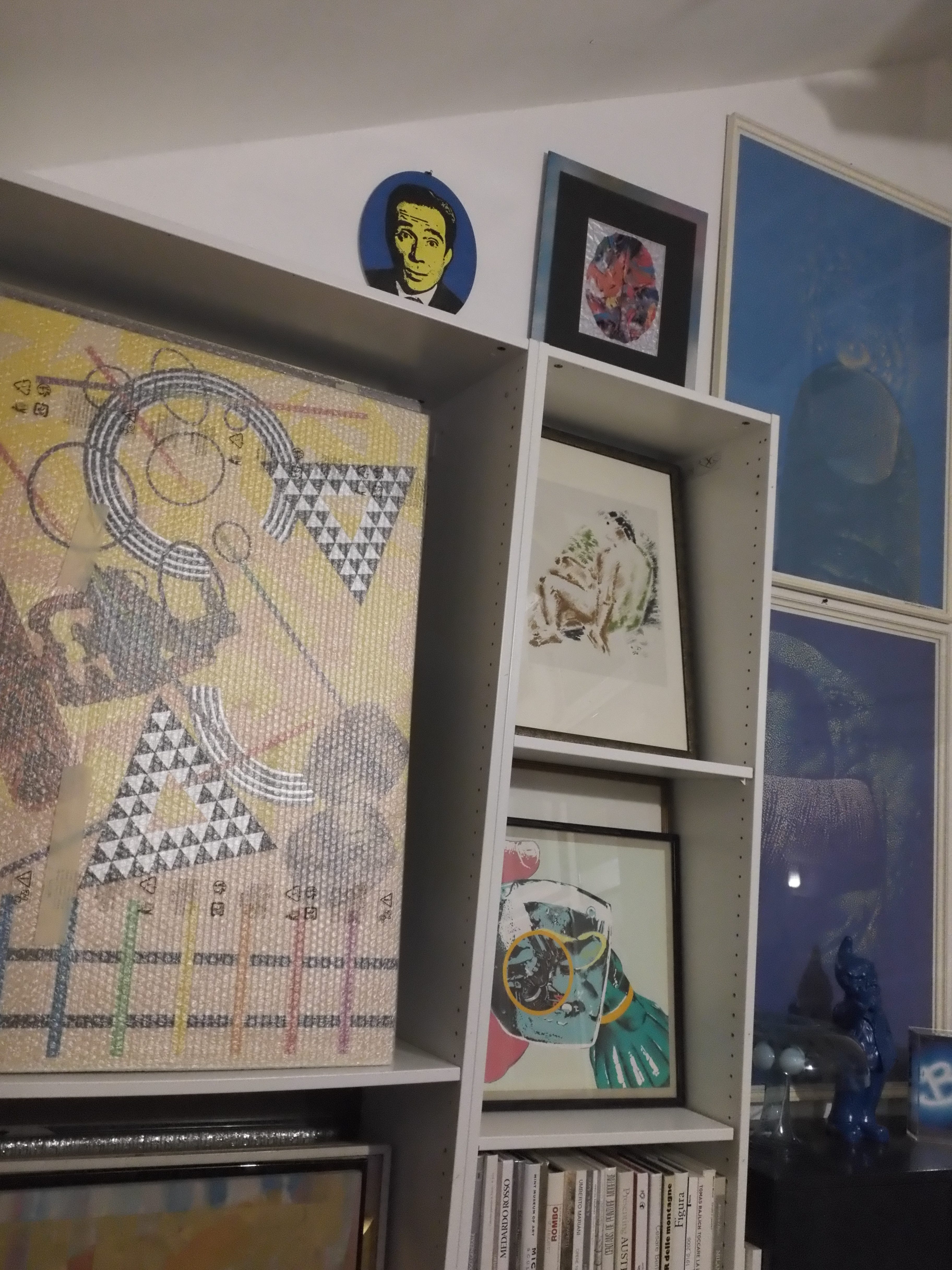
That’s when I understood there was a bigger potential outside my niche. And I realized something important: I didn’t need to show what I owned. My real need was to communicate what I was discovering—what I was seeing in the world, even if I would never be able to buy it. So I switched from showing my collection to curating what I found around me.
From that point, I started studying art online seriously. I spent hours—nights—after work and after university, searching for the best artists, new artists, fresh work. I tried to understand how dynamic the market was, and where it was going. It took effort and discipline, but people started to appreciate it. The audience grew constantly, and the growth was impressive.
After some years, I became one of the main art pages in Europe, maybe even in the world—not for historical art, but for new work, pushing young artists. And I always wanted to challenge that cliché we have in Italy, when people look at monuments and say: “We were so deep back then, and now we’re nothing.” Of course, Michelangelo and Leonardo happen once in a century. But that doesn’t mean there isn’t something incredible today. The world is more complex now—we just have to find what is worth looking at.
So I dedicated my leisure time—almost my life—to finding what works: collaborating with other pages, meeting artists, understanding them better, explaining them better. And that’s how we arrive at today: around 720k followers, a big community. It still impresses me every day, and it makes me proud of the research I’ve done for more than ten years.
Patrick:
If there’s one word for what you do, it’s “curation.” And you touched something important: doing business from passion versus doing it from market demand—but we’ll come back to that later.
For now—when people think of art, especially conservative people, they think of classic works—Renaissance painting, the big museums. I just visited the Pinacoteca di Brera yesterday—beautiful, grand, intense. In France, maybe people think of Impressionism: Monet, Degas. But you’re saying art isn’t only about looking backward. In your definition, what does art mean to you personally?
Alessandro Brunelli:
For me, art is not a strict definition or one concept. It’s more about emotion. Art can be almost anything that moves something inside you—something ordinary life doesn’t move.
If you feel a strong impression—positive, negative, deep—then someone has taken something from a standard level to a higher level. That can be painting and sculpture, of course, but it can also be photography, literature, even food. Art is a different kind of communication: it makes you absorb something in a way you don’t normally absorb it.
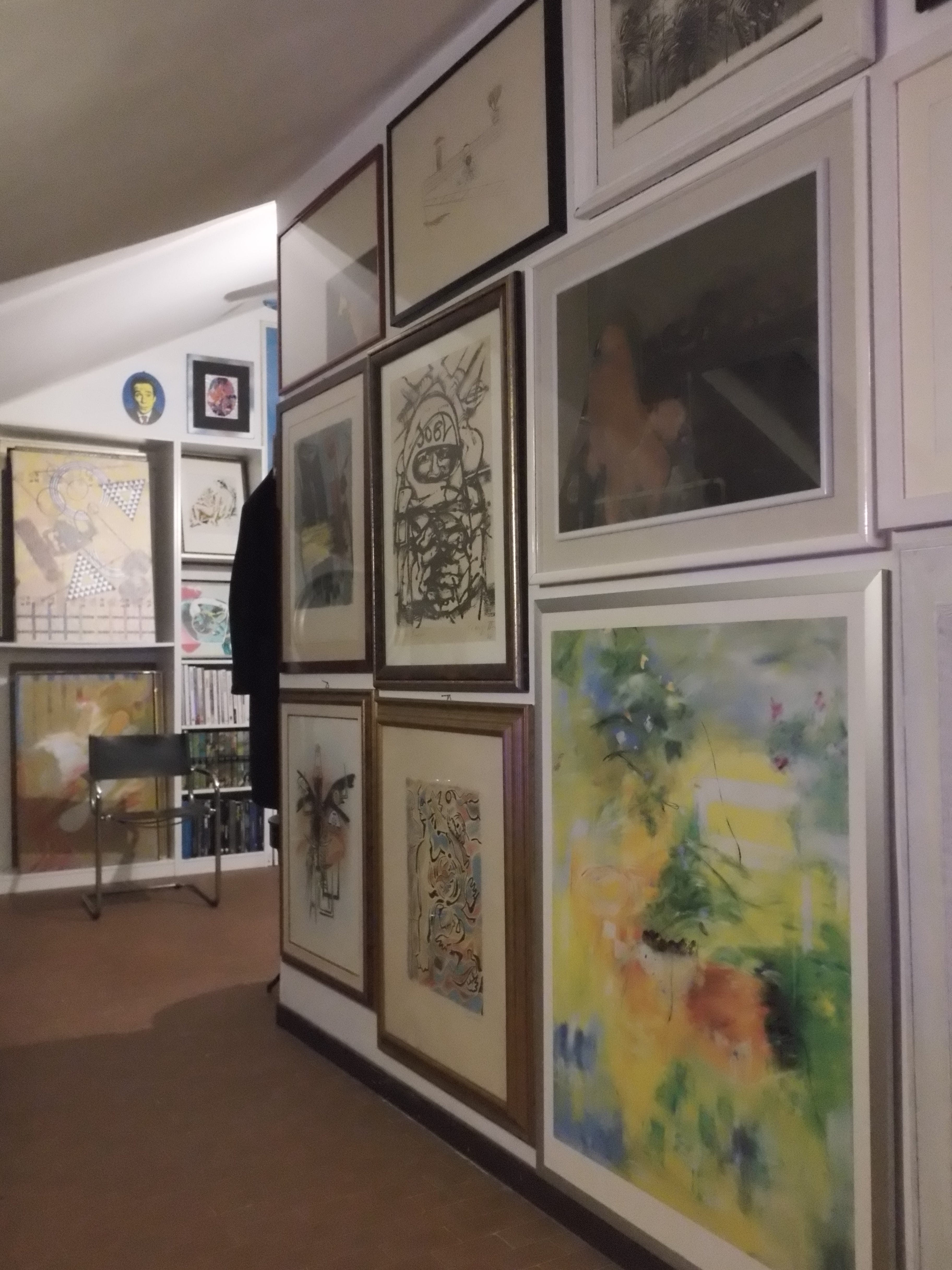
For me, art is a vector of communication. It tells you: this message, this activity, this object—it was done with excellence, at a level beyond the usual. Sometimes I can’t even explain why something is good, but my feeling recognizes it. My emotion recognizes it. And when that happens, I say: “This is real art.”
It can be like a three-Michelin-star dish, or a painting. You can’t fully explain it, but you can recognize it in different sectors. The common thread is exactly that: emotion moved by excellence. And that’s how I interpret art.
Patrick:
So if someone wants to actually appreciate art—really connect to it—how should they approach it? Because people go to museums for two reasons. One is to truly appreciate the work. The second is to take a photo and post it—proof they were there. But many of those people don’t know how to engage with the piece. In your case, if there’s a painting in front of you, what should a “normal person” do to understand or connect with it?
Alessandro Brunelli:
There’s something called the Stendhal effect—when you’re in front of an artwork and you feel an overwhelming emotion. Some people cry. Some people feel almost an “attack,” like they can’t explain what’s happening. That’s exactly the concept I mentioned.
So first: give yourself time. Look at details. Respect the artwork by slowing down. You make yourself smaller and you let the artwork become bigger. You put yourself in a humble position—almost like you’re “naked” in front of art. That’s how you get absorbed.
I personally like going to museums right at opening or near closing time, because there are fewer people. When you’re alone in front of the work, you can absorb it without distractions.
Second—and I know this is not always popular, but I think it’s necessary, especially for contemporary art—try to understand the artist’s life, their mood, what they lived, and what moved them to create that work. Some artists create their best work in the worst periods of their lives. Suffering can produce something beautiful. It’s strange, but it happens.
If you don’t understand what moved the artist, you lose part of the meaning. So: take your time, remove the ego—stop thinking about who is watching you, how you look, what photo will match your outfit. Remove everything. Be “naked” in front of art.
And then connect it to your own experience. We’re all human: we all have pain, joy, balance, imbalance. You can recognize yourself in someone else’s life. If you connect with the artist, you receive the emotion that created the work—and you make it yours. That’s my approach.
Patrick
“Naked in front of art”—I love that.
Now I want to shift to something personal. I’ve seen your routine here in Milan: you’re a key account manager in an energy sector—an engineer mindset, rational work. But art has been with you for a long time: you started the page in 2014, and you were already collecting years before that. So what keeps pulling you back to art, even with a career that could have taken you in a completely different direction?
Alessandro Brunelli:
Art taught me that everything is connected. Even if neuroscience says certain parts of the brain do different things, developing both sides helps me. It allows me to look at rational things in a more creative way—and to look at art in a more structured way.
For example, I like figurative art—art you can recognize. People say figurative art peaked in the past, like with Caravaggio, and then it’s finished. But I don’t agree. Today you can still make figurative art and inject new emotion into it. Even the choice of “white”—pure white versus a dirty white, cream, vanilla—communicates something. Maybe the light is different. Maybe the subject’s emotion is dark. These choices matter.
Caravaggio is full of emotion. His paintings are like a video frame—you can feel what’s about to happen. It’s incredible. But today, some artists can communicate emotion without the traditional technical school. That’s what I like: the contamination between two worlds—rational and creative.
As an engineer, I can also “read” figurative art more easily than abstract. Abstract often requires more context—more concept. But in general, I need both sides: when I’m too impulsive or emotional, I need rational calm; when life feels too flat, I need emotion and creativity to lift it to another level.
Patrick:
That brings me to the future of art. You mentioned figurative art evolving through a modern lens. I relate to that because my domain is fashion. I used to believe classic dressing should be exactly the same as classic menswear from the past. But after living in Milan, I realized: to keep classic style alive, it has to adapt. It has to evolve.
So the future of art—AI, digital art, all of it. What do you think? You have a teenager in a basement prompting a tool, and suddenly they generate “fantasy art” and post it. What’s your take?
Alessandro Brunelli:
This is the one-million question. It’s the biggest trend of the last decade—and maybe the most disruptive moment for art.
We already passed through NFTs, through digital art hype, and in many cases… nothing really stayed. But AI is different. And I’ll tell you my unpopular opinion: I see it as a big opportunity.
There’s a Picasso quote people love: “Good artists copy, great artists steal.” The point is: artists who are scared of AI often don’t understand that you still need to be a great artist to produce something truly impressive—even with a laptop. AI doesn’t automatically create genius. It changes the tool. It expands access.
It enlarges the group of people who can bring ideas to reality. Because many people have strong concepts in their mind but don’t have the technique. Technique is a bridge between idea and result. It’s useful—but it can also be a limit.
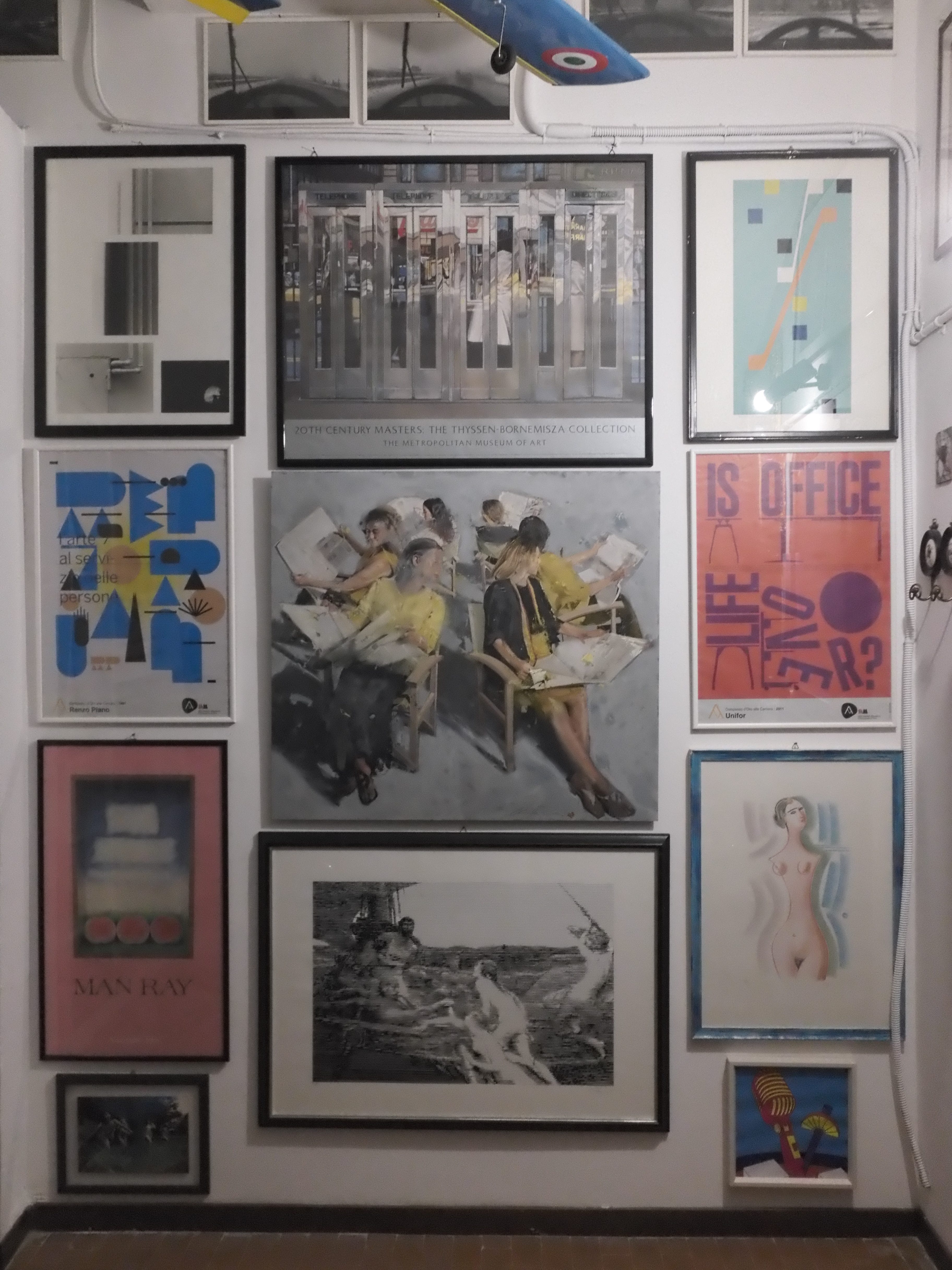
For me, art is first of all a message. A good painting without a message is still good. But a good painting with a message that moves you becomes a masterpiece.
Also, we were already moving toward concept long before AI. Conceptual art proved that the idea can be central. Many important contemporary artists don’t physically make the work alone—sometimes they don’t touch it at all. They direct it. The message is the core.
So why should AI scare us? It’s just a new tool, like photography was. When photography arrived, artists were terrified: “Now what do we do?” But art didn’t die. Art evolved. It found new ways to communicate emotion.
AI will do the same. It will push us into a new “blue ocean,” a new area where people create what we haven’t seen before. Genius will still be genius—maybe discovered even more. Average will remain average.
I know this opinion is unpopular. When I post AI work, people attack me and I sometimes lose thousands of followers. They say: “This isn’t real art.” But I believe it’s a tool that can reveal artists who would otherwise never be seen—people who might have become engineers instead.
Patrick:
I agree with you. The purist argument is always: “True art needs mastery, dedication, the hand.” But I think the core is perspective—an individual vision that becomes form, and that form transfers emotion.
That’s why I now admire fashion designers in a different way, especially Giorgio Armani. I went to Brera yesterday and saw an Armani exhibition—pieces from the 1980s to 2010s. Armani didn’t worship the classic menswear rules. He expressed a vision: extended shoulders, longer lines, new proportions. The technique matters, yes—but what makes it art is the idea and the emotional message.
Alessandro Brunelli:
Exactly. And if tomorrow a new technology changes tailoring, Armani is still Armani because of his ideas. If he can’t use the tool, he finds technicians who can. Same with artists: the best idea wins.
That’s why I’m not scared of new tools. I’m excited. People who are scared are often afraid of losing their position—because the field is opening. But if you already understand that concept is central, you won’t panic.
Hyper-realistic painting is a good example. I respect the technique, but it doesn’t always move me. Hyper-realism was already challenged the moment photography was invented. Art had to evolve to survive—to communicate emotion differently. AI is similar. It will force evolution, and we’ll see a new generation that can finally move from idea to reality faster.
Patrick:
Let’s widen the scope. Something I admire about Europe is how art is present in daily life. In some places, art—and wine, books, fashion—are seen as “elite.” People work 9 to 5, they’re tired, and when they have time they scroll TikTok instead of spending energy on something that “requires understanding.”
So what’s your take? Is art essential? Or is it optional—something reserved for elites?
Alessandro Brunelli:
It’s a crucial point. Collecting art with a capital “A” is still related to the elite—because if you want to invest and not lose money, usually you need to invest a lot in single works. That’s the reality. Some artists keep stable value. And galleries are businesses: if they sell a painting for 10k, they invite people who can buy. It’s not charity—it’s a market.
Also, museums sometimes cost too much compared to entertainment. Not because the ticket is crazy, but because the “effort” is higher. Cinema is easier. The museum can feel “poorer” to people because not all senses are involved, and the intellectual work is heavier.
But I love what Milan does: one Sunday a month, museums are free. That removes excuses. The risk becomes zero, and people can discover art.
The deeper issue is that people forget leisure time is valuable. We deserve to spend it well. Restaurants are comfortable: you’re served, you feel like a king, you control the experience. Museums are different: you can experience emotions that aren’t always pleasant. A painting can remind you of pain. You might leave with a bad mood. But later you understand: managing that emotion helps you grow.
So yes—art can feel elitist by nature of the market. But people also need to make an effort to go toward excellence. If both sides move—institutions creating access, and individuals choosing to engage—then art can become more open.
Patrick:
That makes sense. We live in a world of distraction. Attention disappears into scrolling, and suddenly half an hour is gone. But exposing yourself to challenging work—even uncomfortable emotions—trains you. It develops you.
Alessandro Brunelli:
And that’s why social media is the real comparison—not cinema. Social media is zero effort, zero cost, and it becomes a drug. I work on social networks too, but I try to clean the space by showing valuable things. Still, we’re in a sea where 90% is trash. That’s the reality of our moment.
Patrick:
Final question—let’s return to the beginning. You said you left a profitable project because it wasn’t passion, then you built ITISARTIME from something you loved.
In real life, we all live that tension: practicality versus passion, stability versus expression. For you—balancing engineering life with this art life—how important is passion? Do you follow it fully, or do you manage it, negotiate with it?
Alessandro Brunelli:
I want to say something positive about routine. People always say: escape routine, leave your comfort zone, live a special life. But routine is valuable. Routine is like the trunk of a tree—it gives structure, stability, resilience.
And passion is like the branches and leaves. A trunk without leaves is ugly—it’s dry. But branches without a trunk also don’t stand.
So the balance matters. Routine helps you become mature, build a family, build a project, build a life. If I only followed emotion, I would maybe be immature—or destroyed. I don’t want to stay a teenager forever.
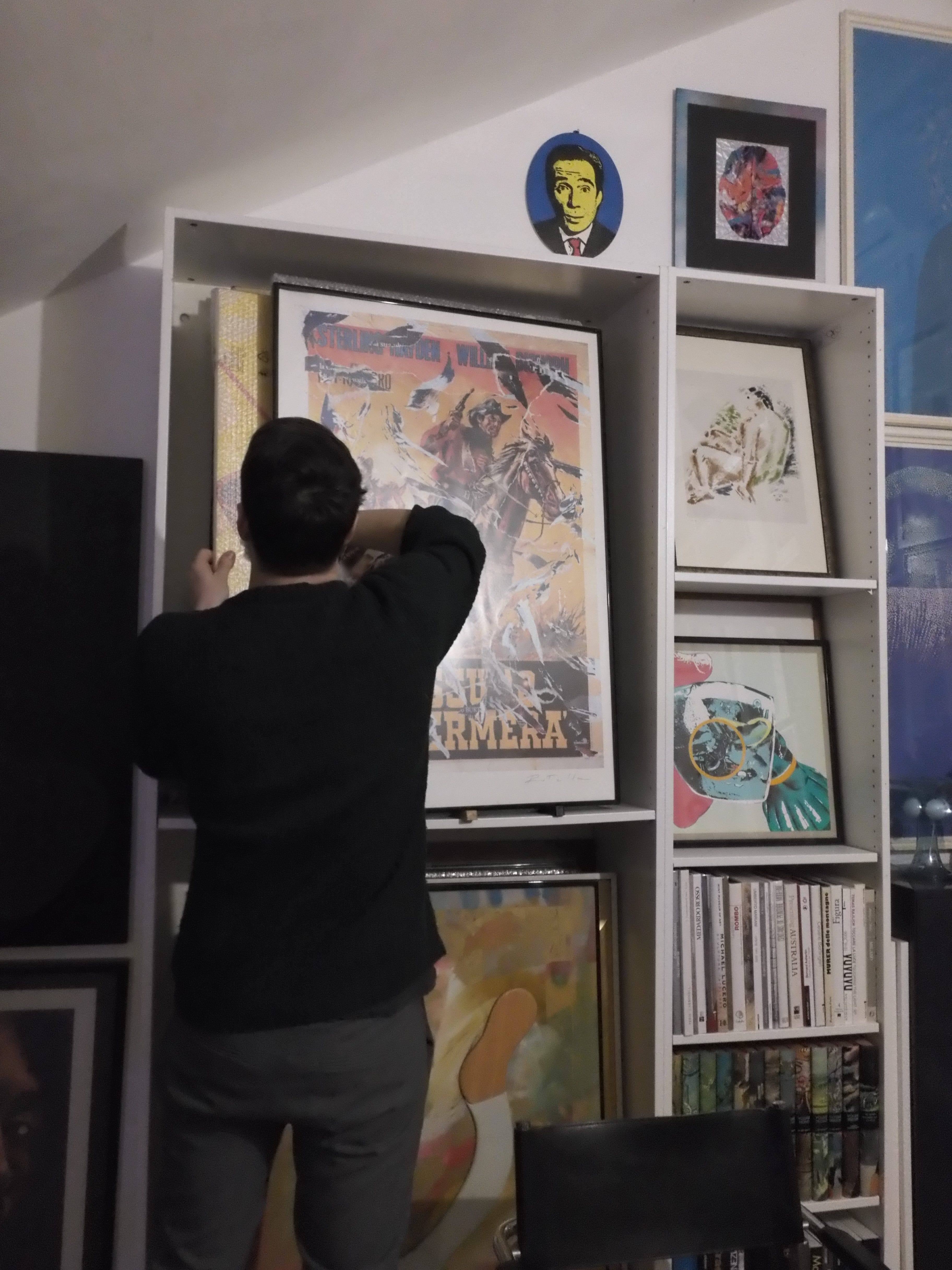
At the same time, I see people who put 100% into routine—work, family, repetition—and they become narrow. They only have one topic: their job, their chores. That’s a poor view of life. Without passion, you lose something essential.
So I can’t give you a perfect percentage—everyone has their own balance. But the message is: routine is as important as passion. You’re obliged to yourself to use leisure time well—time for people you love, and time for what makes you alive.
Everyone has a passion, shaped by experience. We’re like tabula rasa—experience writes on us. And when you find what you love, you must go deeper. Without passion, you become like an AI agent: work, home, sleep, repeat. The AI might even do it better than you.
So you need a real reason beyond routine. Keep the routine—but don’t forget to live.
Patrick:
I love that analogy—the trunk and the branches. Because sometimes a branch can become its own tree. If you have stability, and your passion grows strong enough, maybe it becomes a new trunk—its own life.
I’ve lived both extremes. Pure routine with no branches—it felt robotic. And then I also went all-in on passion and went broke. My life is better now: I have stability, and I can fund my own creative work without begging for permission.
So yes—this feels like the clearest answer. And here we are: one hour and twenty-five minutes later. I think we got a decent conversation.
Follow Alessandro Brunelli
Appendix: