


I still remember a day from my youth.
Around 2009, I was still in school, waiting for the school bus to leave on schedule. My usual habit was to find a snack, sit down with friends, and talk about everything boys talk about.
Then my best friend, who is still my best friend now, said:
“I have to go. My mother has arrived.”
We waved. He walked toward a car I had never seen before. Not a bus, not a sedan, not an SUV. A comfortable car, not large, modest in size. And its door slid open on its own. My friend stepped in, and it drove off.
That car was an MPV: the Toyota Alphard.
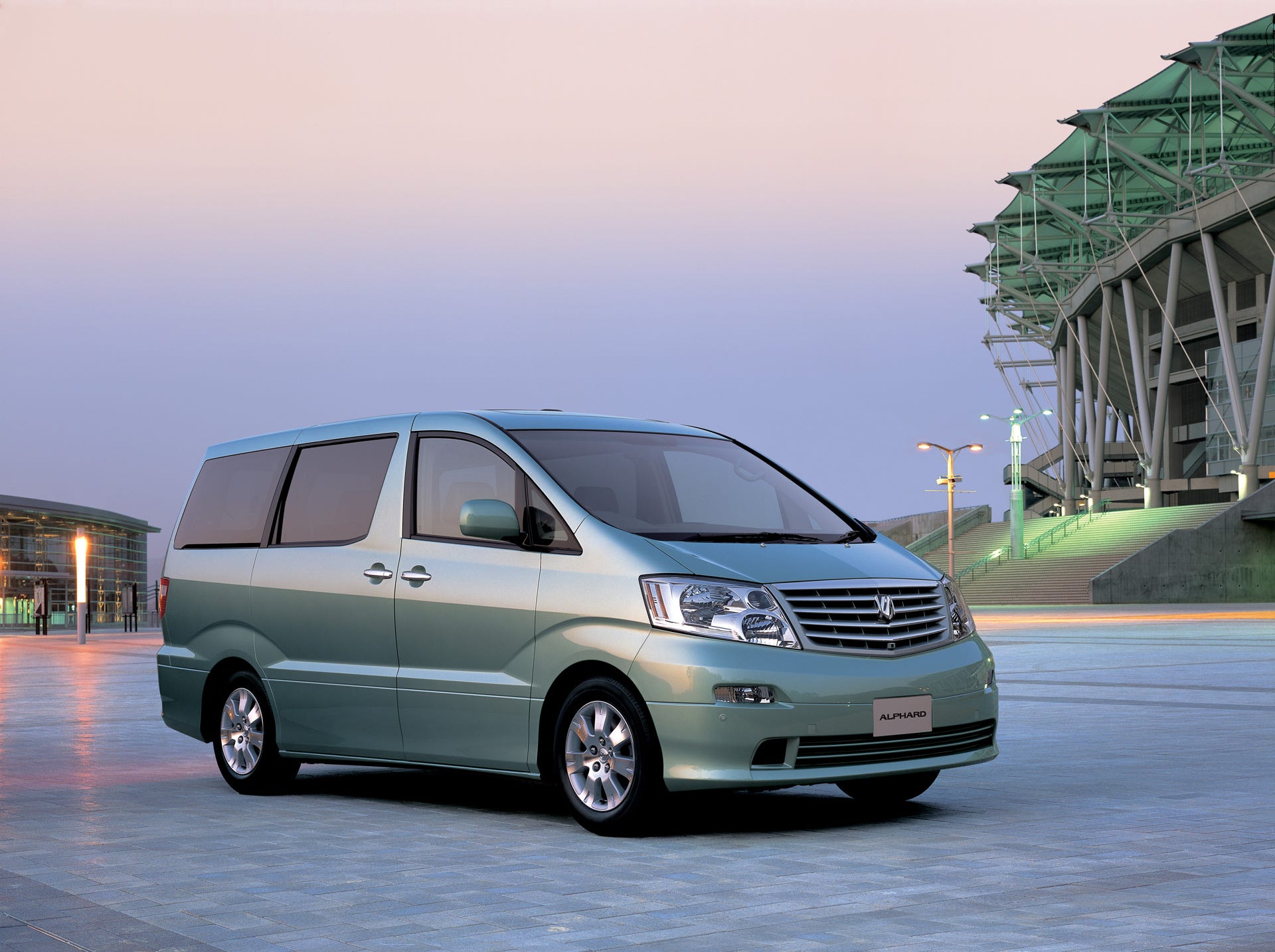
If you have visited Asia, Singapore, Hong Kong, Japan, you will have seen plenty of them. And the symbolism is usually the same. It is the car of the upper middle class.
The family that made it in capitalism.
Not necessarily billionaires, but with enough to hire a private chauffeur and spare a down payment of around thirty-five thousand dollars.
That Alphard, the one I watched my best friend step into, has stayed with me ever since. It is the state I have lived in until this day: the man in between.

Have you heard the phrase so near, yet so far?
For me, it is the fact that I physically stand, breathe, and live in the same space as my friend, whose family had an Alphard drive him every day. As the guests at a vintage watch event I once moderated, most of whom could effortlessly buy the Patek Philippe Golden Ellipse lying in the showcase. And I could not.
To see the life, the finer possibilities, in front of my own eyes for more than twenty years, and not yet reach it, creates an accumulated desire. Not purely discontent, and certainly not self-negative. An eagerness to transcend the social class, the status anxiety. Or, put precisely, the limitation I was born with.
