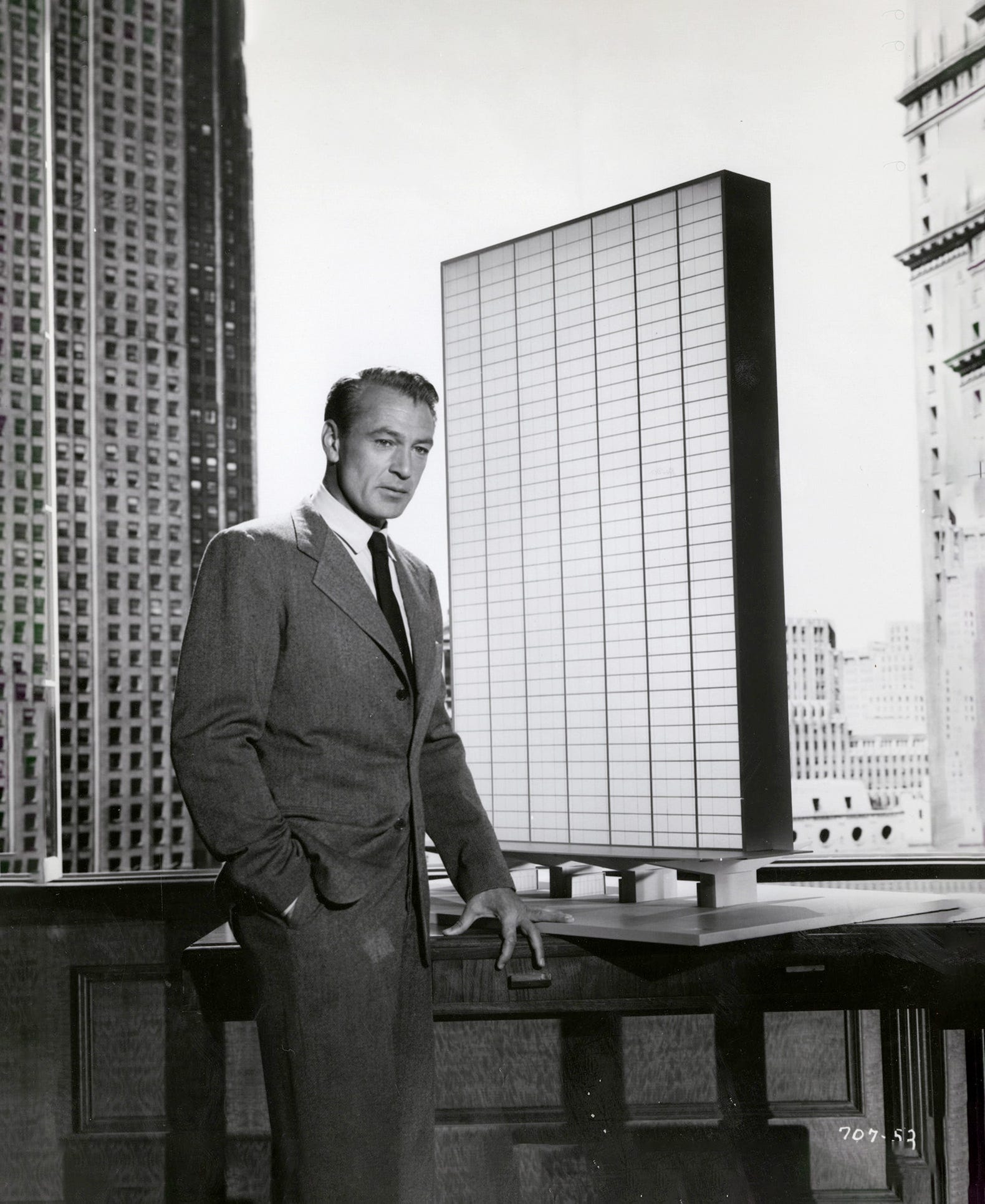
Literature is the medium to entering the new world, the world of the author. One that allows you to seek what is happening in the mind of the man or the woman who writes the piece; especially something that is considered a “classic.” Classic means timeless; it stands through the test of time—and it’s not a coincidence. This means the virtue—no matter how different the context between reader and writer era or society actually is—both parties can still connect. Plenty of pieces so-called classic got read through my eyes in past years. Started with American Lost Generation of Fitzgerald, whom I relate to his worldview since the very first novel that broke through into a new echelon for him—This Side of Paradise; a story of a naive young man who deeply knows to himself he’s got “what it takes,” but the world just keeps saying “no” to him, from work life to women’s hearts. To heavy philosophical-based during the mid-century, in the name of Albert Camus’s L’Étranger or Sartre’s La Nausée — yet none of them actually hit my soul, made me chill, and “agreed” with every single thing that a character in a story—AKA, the author paradigm—had thought, said, and done; more than, arguably, the assertive, anarchistic—yet celebrating “human” like no one else—The Fountainhead.
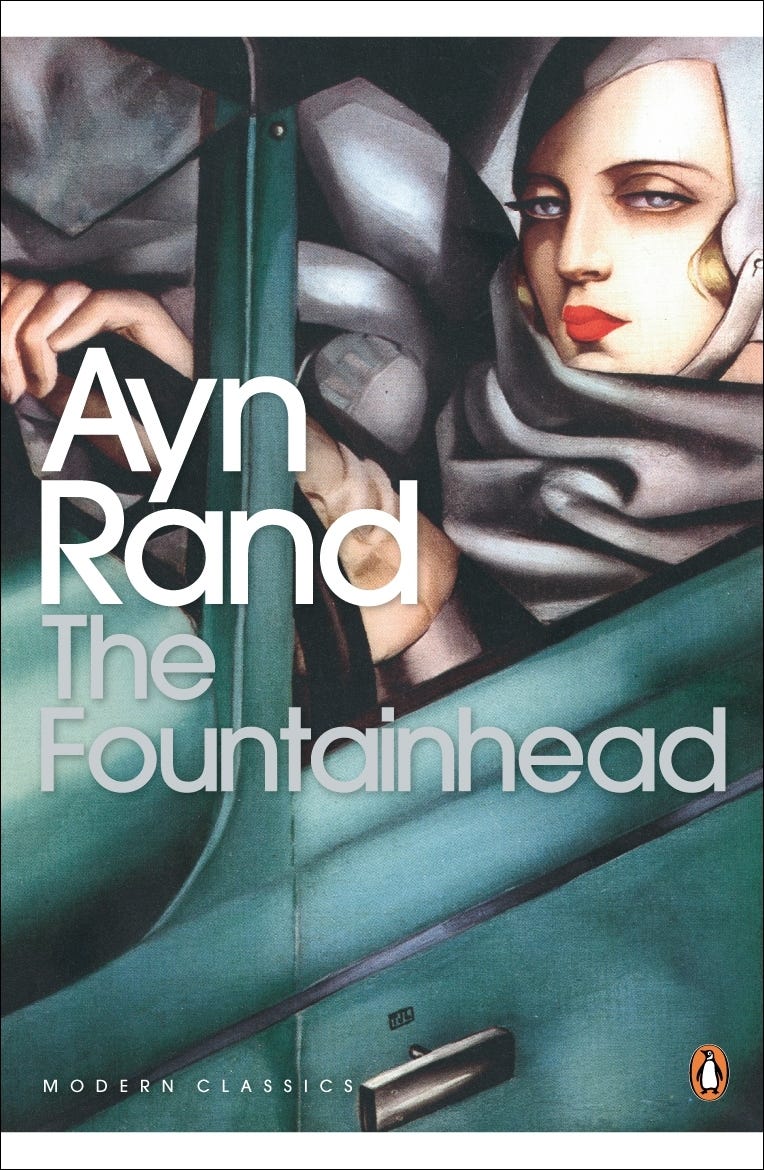
I have a confession… I haven’t got the ability to finish Atlas Shrugged, the most famous and best-selling piece of the same author—Ayn Rand. Its exaggerated, wide array of words and slow pace of story are some factors to that. From almost a thousand pages—it can be ended with half of that. But the main reason couldn’t be further than the fact that she intended to focus on “consequences” and the big picture in the role of a non-conformist creator and thinker within society and what will happen when they decided to leave… unlike The Fountainhead—where every single page is dedicated to the protagonist Howard Roark and his integrity that cannot be broken.
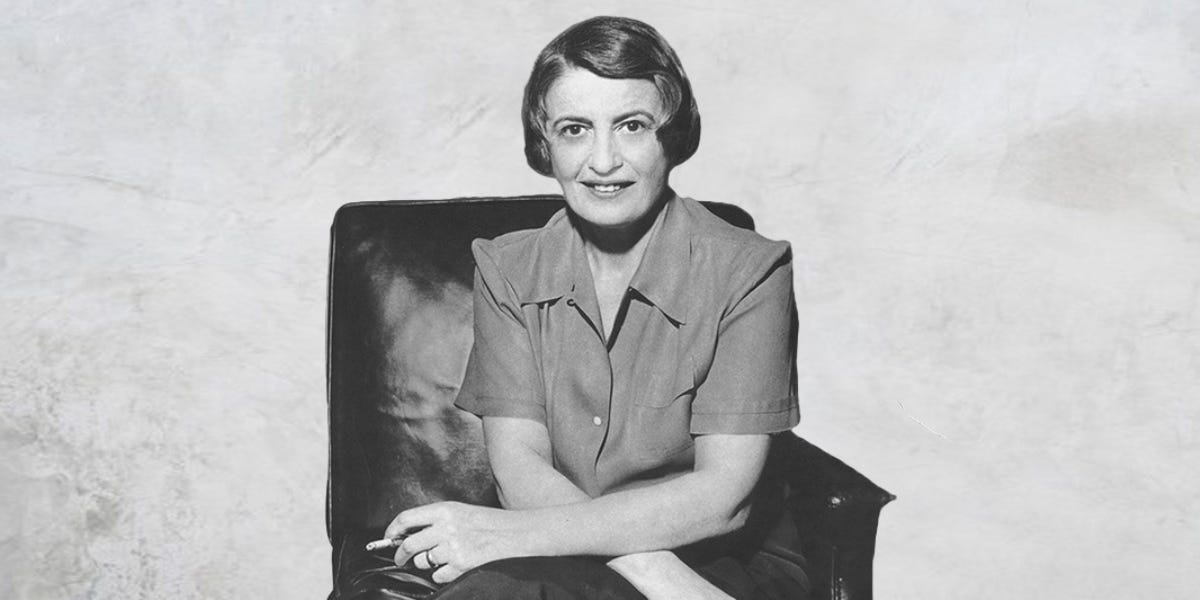
The writer, Ayn Rand, was well known for her articulated philosophy so-called “Objectivism,” an uncompromising philosophy of reality, reason, and individualism. It asserts that reality exists independent of consciousness, that reason is man’s only means of knowledge, and that the moral purpose of life is the rational pursuit of one’s own happiness—not sacrifice for others. Standing point for rejecting altruism and collectivism, it hails rational self-interest, personal responsibility, and laissez-faire capitalism as the only moral political system. The philosophy acts as a call to live by objective facts, not feelings; to think independently, not conform; and to rise by your own effort, not at the expense—or mercy—of others.
Despite criticisms—some calling Objectivism too radical, anarchistic, or even accusing Ayn Rand herself of being sexist (a charge that collapses under scrutiny, given her unapologetic celebration of strong, independent women and her rejection of identity politics)—her philosophy is profoundly virtuous and deeply humanistic. Objectivism honors the individual as a sovereign being, capable of reason, deserving of freedom, and entitled to live for their own sake. It defends the dignity of human life—not through sacrifice or servitude, but through self-directed purpose, creativity, and moral ambition. It is a fierce affirmation of what makes human a “noble creature,” one that celebrates the mind, the agency, and the potential to flourish based on individual free thought.
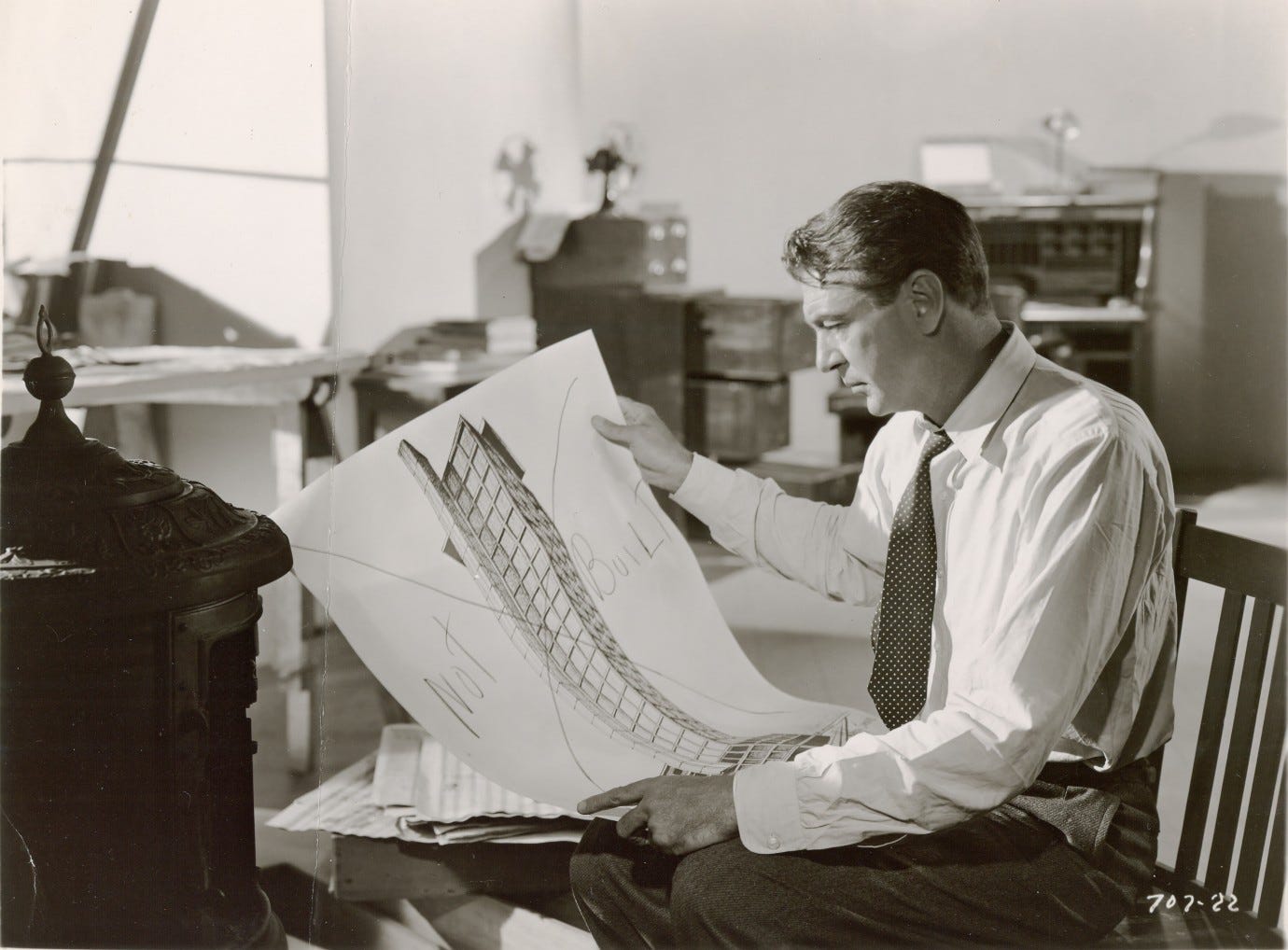
All of those can be seen in the novel The Fountainhead and the very protagonist Howard Roark, an uncompromising architect who strictly holds on to his principle, mind, and soul in every situation that no man nor woman—no matter how much beauty or intellect they have—can break or tame him.
During the early 20th century, the architecture landscape before modernism became dominant was strikingly eclectic, mixing lingering historicist revivals (Neo-Classical, Gothic, Edwardian Baroque) with new decorative movements like Art Nouveau and the Vienna Secession. Those such can be seen through the handcrafted humanism of the Arts & Crafts movement, and regionally distinctive innovations such as Frank Lloyd Wright’s Prairie School and German Expressionism; meanwhile, Beaux-Arts classicism still defined grand public buildings, even as proto-modernists like Adolf Loos, the Amsterdam School, De Stijl, and early Bauhaus began stripping ornament and experimenting with new materials.
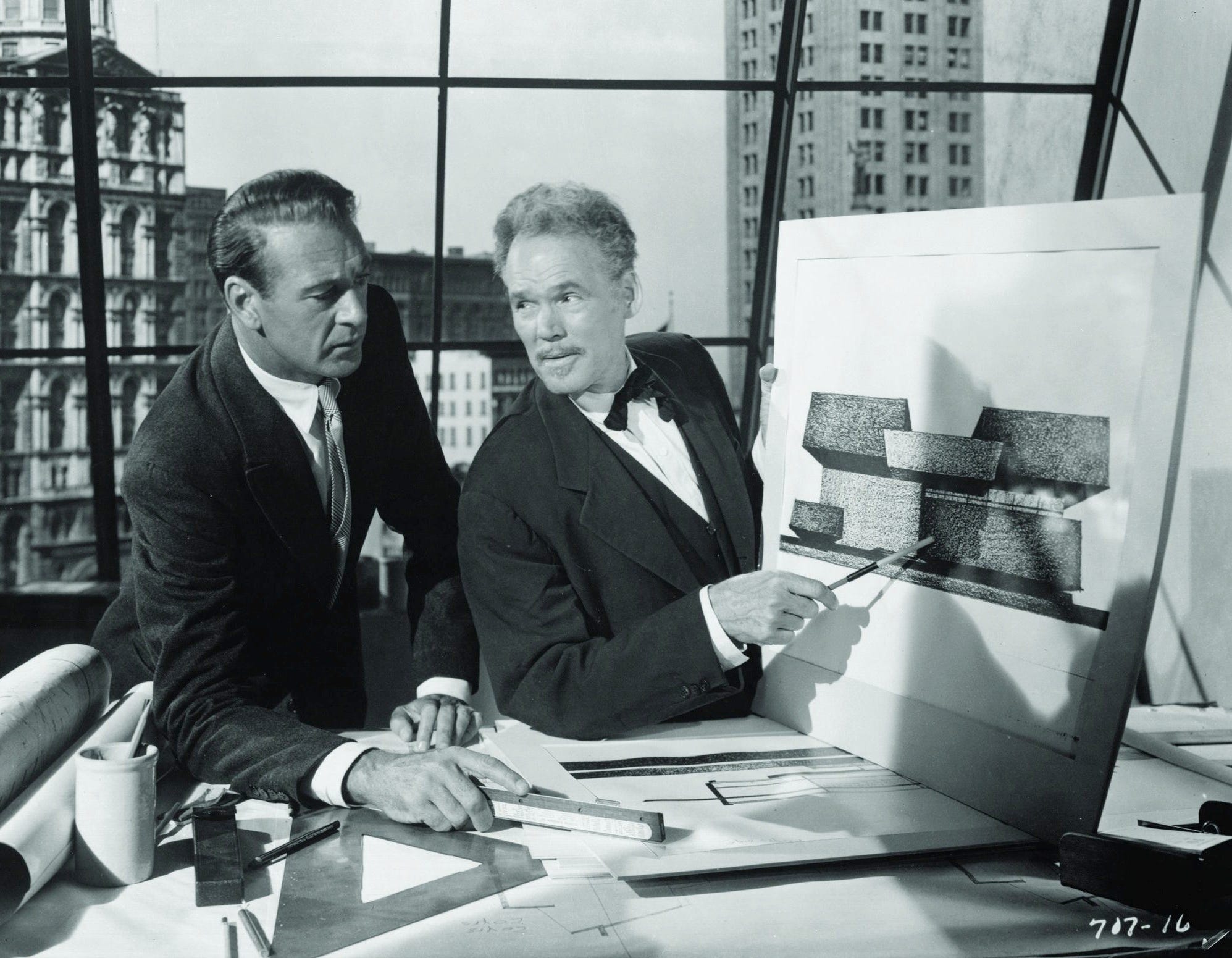
However, it is this very idea that buildings still relied on the old-world paradigm and worldview that stuck with classic principles from the previous centuries; Roman Empire, Renaissance… so in The Fountainhead, the author designed Howard Roark to be the counterforce of architecture fashion at that time. He is a symbol of uncompromising personal integrity. Since Rand needed a style that could stand in sharp moral contrast to tradition, conformity, and committee-designed buildings, modernism—clean, functional, non-ornamental—was perfect for that symbolism. It visually dramatizes the idea of a creator who refuses to imitate the past or please the crowd. His architecture is a metaphor for moral independence.
At first, when I read the synopsis, I wondered, “How would a radical architect shape the drama, the tone, and make the story interesting?” — but even on the first page when the story is set at the University where Roark got expelled by the Dean because of not compromising to the norm of the curriculum — I knew for sure, this piece is going to give humanity a worldview unlike anything else.
“Dean: My dear fellow, who will let you (building things that do not follow the traditions of architecture)?”
Roark: That’s not the point. The point is, who will stop me?”
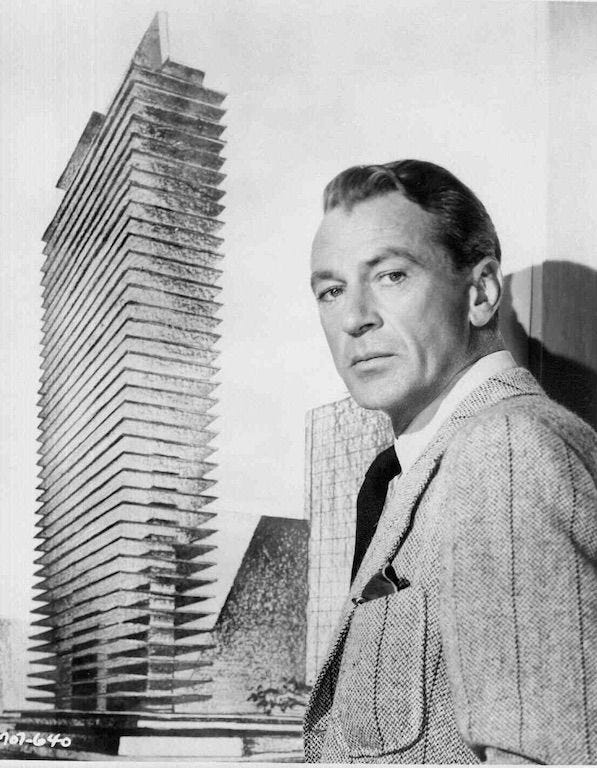
One thing I can promise: by the end of this book or the film of the same name in 1949—written by Ayn Rand herself and starring mature Gary Cooper as Howard Roark, though not quite the best performance of his—they both will surely make you see the ideal embodiment of human beings at their peak.
A man who refuses to bend, refuses to fake, and refuses to live for anyone but himself. A creator who answers only to reality and his own rational judgment, not to tradition, public opinion, or institutional authority.
Every major conflict Roark faces—against the media, the establishment, the parasites (anyone who lives off the mind, effort, or achievements of others without creating anything themselves) who demand his “sacrifice”—is a dramatization of Objectivist ethics: the clash between independent, creative man and the second-handers who live through others. Howard Roark represents rational egoism, not selfishness in the vulgar sense, but self-esteem earned through productive achievement and moral clarity.
The main conflicts you can expect would be seen in these following examples:
To choose between desirable love versus personal calling
To choose between reality of clout, capital, and fame but must compromise
To choose between selling out and getting a life like others versus staying on the lonesome road that has no light to shine on.
And the answer of the man named Howard Roark can be all summarized by one of dozens of iconic quotes you can find in Ayn Rand’s, personally, magnum opus in the realm of modern literature:
“I have, let’s say, sixty years to live. Most of that time will be spent working. I’ve chosen the work I want to do. If I find no joy in it, then I’m only condemning myself to sixty years of torture. And I can find the joy only if I do my work in the best way possible to me. But the best is a matter of standards—and I set my own standards. I inherit nothing. I stand at the end of no tradition. I may, perhaps, stand at the beginning of one.”