


I’ve just watched the sequel of The Devil Wears Prada — quite a surprise that this is the title that brought me back to the theatre for the first time in the past 3 months.
Looking beyond the hype that social media has stormed it with, and the flamboyant fashion appeal, it turned out that ‘the film spoke with me’ more than many I’ve witnessed — perhaps more than the first one in 2006.
A little context on the film: it is basically based on a novel written by the assistant of the fashion magnate ‘Anna Wintour’ — on the ‘experience’ of what it actually feels like to work for her.
So the first film of the franchise was like a ‘worldview’ of a junior white-collar standing in the same room as the title — overwhelming, thrilling, depressing. But the second one is different. It’s less about the hardship of work, and more about the hardship of the ‘creative industry’ in the technocracy era.
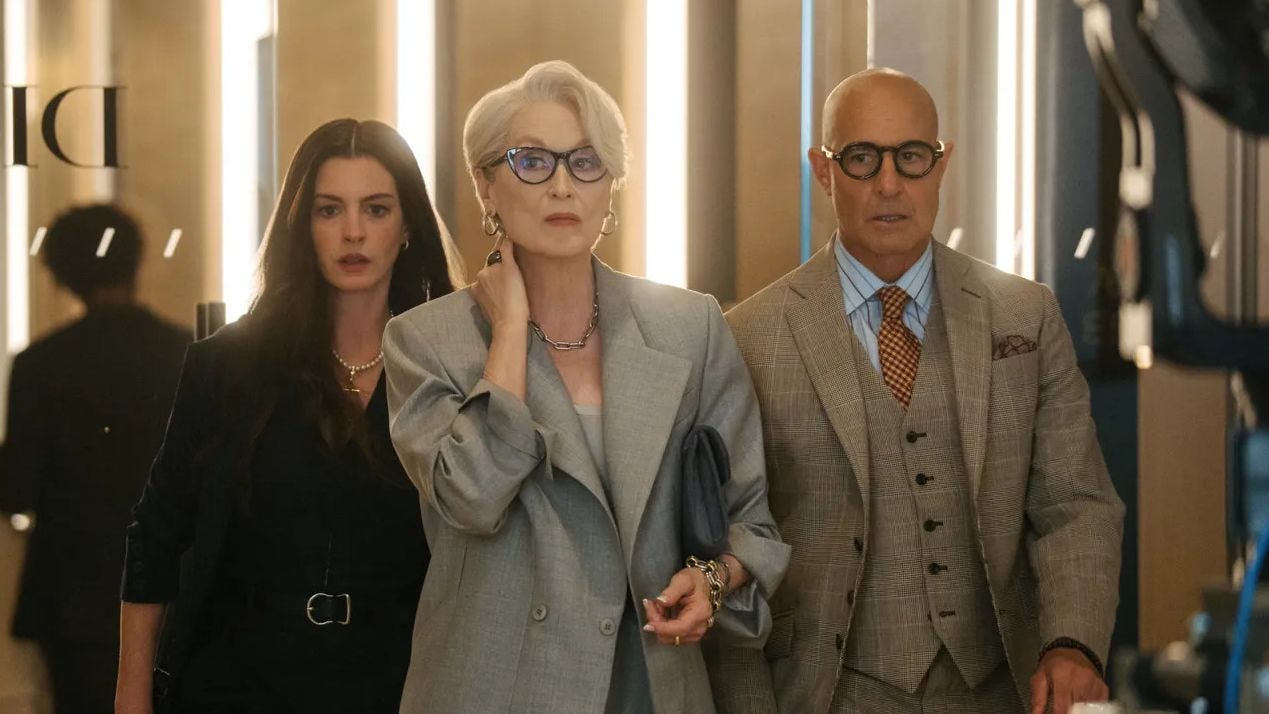
From the changed media landscape — where the voice of authority and the role of shaper of society are no longer in the hands of a few establishments, but in the ‘hands’ of people through social media — to the very current disruption of an A.I. that has flipped over the creative sector like humans have never seen before.
Seriously, many of the panel ads that I’ve seen these days in Bangkok turn out to be made with ‘AI generative motion’. So if even the commerce world has already adopted this — even at the first stage of revolution — no wonder the role of the ‘creative individual’ has been called into question by the people with monetary capital: ‘are they still worth it for my capital to invest in, or not?’
And there is the problem with this phenomenon:
It just makes life ‘soulless’.
The current evidence you can witness now is ‘writing’.
While I hate to say this — because I love the power of ‘—’ (the em-dash), which allows the reader to follow the tempo I intend to create, or the hook of “It’s not… It’s…” (very sharp, used by the character Don Draper in Mad Men in his signature pitches a lot) — the modern internet writing has come to follow these patterns too much, and has made ‘all editorial’ somewhat look — and worse, feel — all the same.
There is no perspective. No ideation of the creator.
While I am far from against technology, to ‘delegate’ all of the creative output to it is the fastest way to strip the essence of ‘life’ from humanity.
This might be a little spoiler for the sequel of The Devil Wears Prada — but the conclusion of the film, where the main tension is the disruption of new money, new paradigm of power, new perspective on the creative industry, is not so different from the Renaissance period, where the Medici family did artists a favour by providing resources; or where Universal Pictures is giving everything ‘Christopher Nolan’ desires to make his newest title The Odyssey, even though it has already cost them $250 million. (For an auteur-based cinema in the 2020s, that is the boldest move a production company can make.)
The absolute truth we can all agree on is that art will never detach from monetary power.
So the question is: ‘What will happen when the people who withhold that power do not see it as worthy for them anymore?’
And I can tease you that — it will not be in the good scenery.
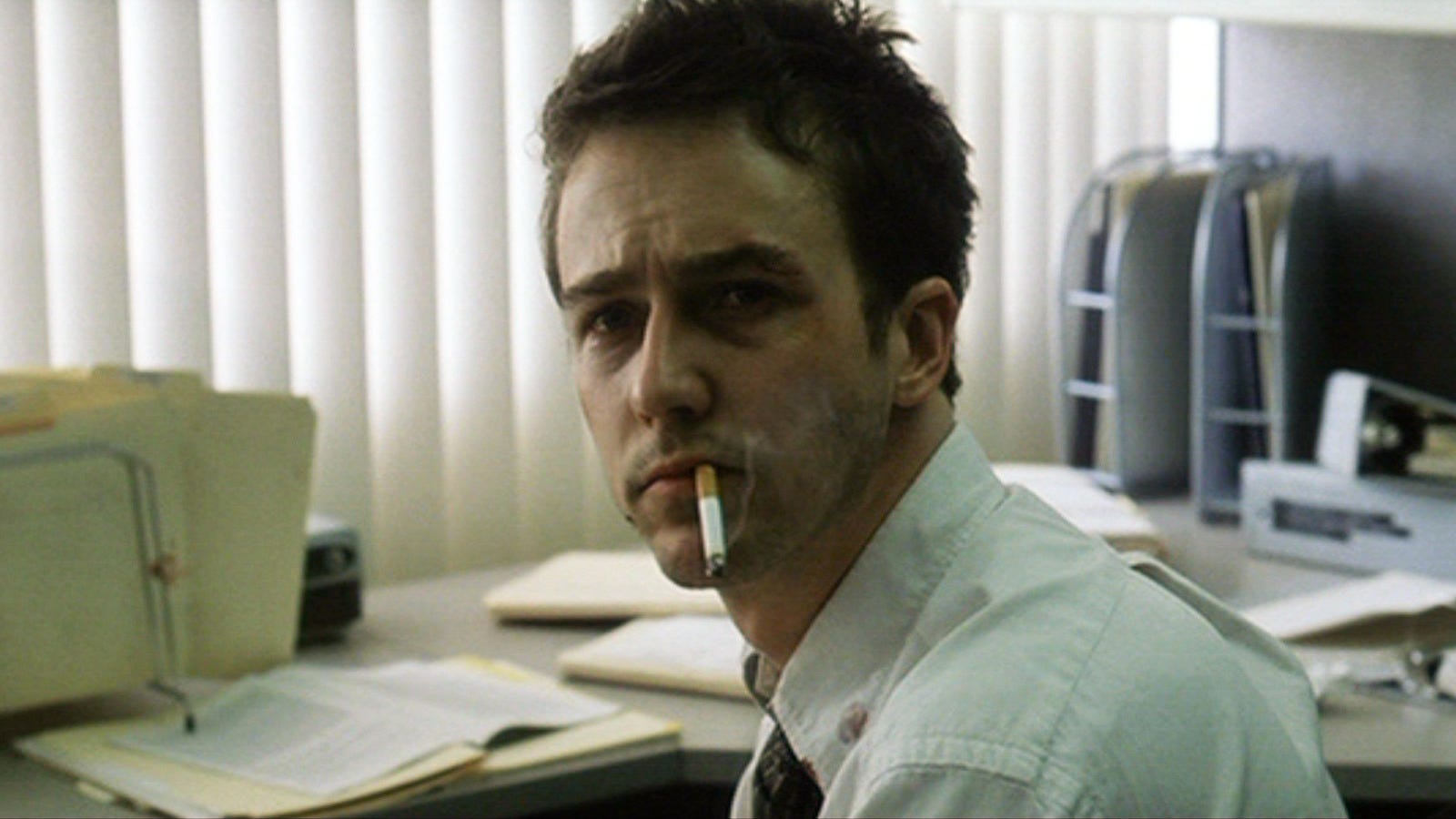
First, I do believe that to understand the true cause of the current phenomenon of ‘Technocracy’, we have to see how we actually got here in the first place.
"It has become appallingly obvious that our technology has exceeded our humanity." — Albert Einstein
Back in the early days of the internet on a macro scale, during the 1990s, people created things on this channel because they could. It was messy, uneven, often amateur — but it was human. Value wasn’t fully defined yet, and more importantly, it wasn’t fully measured.
That changed the moment platforms figured out how to track behaviour at scale.
Once clicks, likes, shares, and watch time became visible, those metrics started shaping the work itself. Decisions began to favour whatever produced the highest measurable return — not the interpreted meaning that required the deep intellectual engagement within the human mind anymore.
That’s where a kind of practical technocracy took over — when systems reward what can be counted.
Well… that naturally aligns with the logic of Utilitarianism, doesn’t it?
Maximise outcomes, quantify success, optimise relentlessly.
But here’s the flaw: the most meaningful aspects of human experience don’t translate cleanly into metrics. Depth, originality, emotional resonance — these don’t scale neatly into dashboards. So they start losing ground, not because they are less important, but because they are harder to quantify.
Then social media industrialised this process.
Platforms like Instagram and TikTok didn’t just give people tools to create — they built environments where visibility is governed by algorithms. And algorithms don’t care about meaning; they care about retention and spread.
So creativity adapts.
It becomes faster, more digestible, more familiar.
Taking risks in creating a new format, a new idea, a new way of doing certain things gets punished — because it doesn’t perform predictably.
Over time, art, or creative endeavour as a whole, gets reshaped into something optimised for circulation rather than expression. That’s why everything starts to feel similar on your screen these days.
The harsh truth is that money follows a logic of ‘capital flows toward things that scale.’
A piece of software can be copied endlessly and distributed globally at almost no cost. A painting can’t. A fashion collection requires materials, labour, timing, physical presence.
Tech companies like Apple or Google dominate not because they are culturally superior, but because they fit the economic machine perfectly. They produce exponential returns. Art, by contrast, is stubbornly inefficient. It resists replication. And in a system obsessed with growth curves, inefficiency gets sidelined.
Then comes the final seal, so called ‘AI’.
The power that allows vast amounts of past human creativity to be taken and turned into something that can be reproduced instantly, endlessly, and cheaply.
The result is a flood. Images, music, writing — produced at a scale no human system can compete with. And when supply becomes effectively infinite, the baseline value of any single piece drops.
When the dominant systems of value — economic and algorithmic — are built to prioritise efficiency, predictability, and scale, art doesn’t naturally fit those criteria. So it gets pushed to the margins, or reshaped to comply.
So the uncomfortable truth is this:
We’re witnessing a world that has become so fixated on measurable output that it temporarily forgets how to recognise meaning beyond metric. And people internalise that framework, until they start believing that if something isn’t scalable or profitable, it must not matter.
That belief is the real distortion.
Not the decline of art itself — but more the narrowing of what we allow ourselves to value.
Advertising is the cleanest real-world proof of that shift.
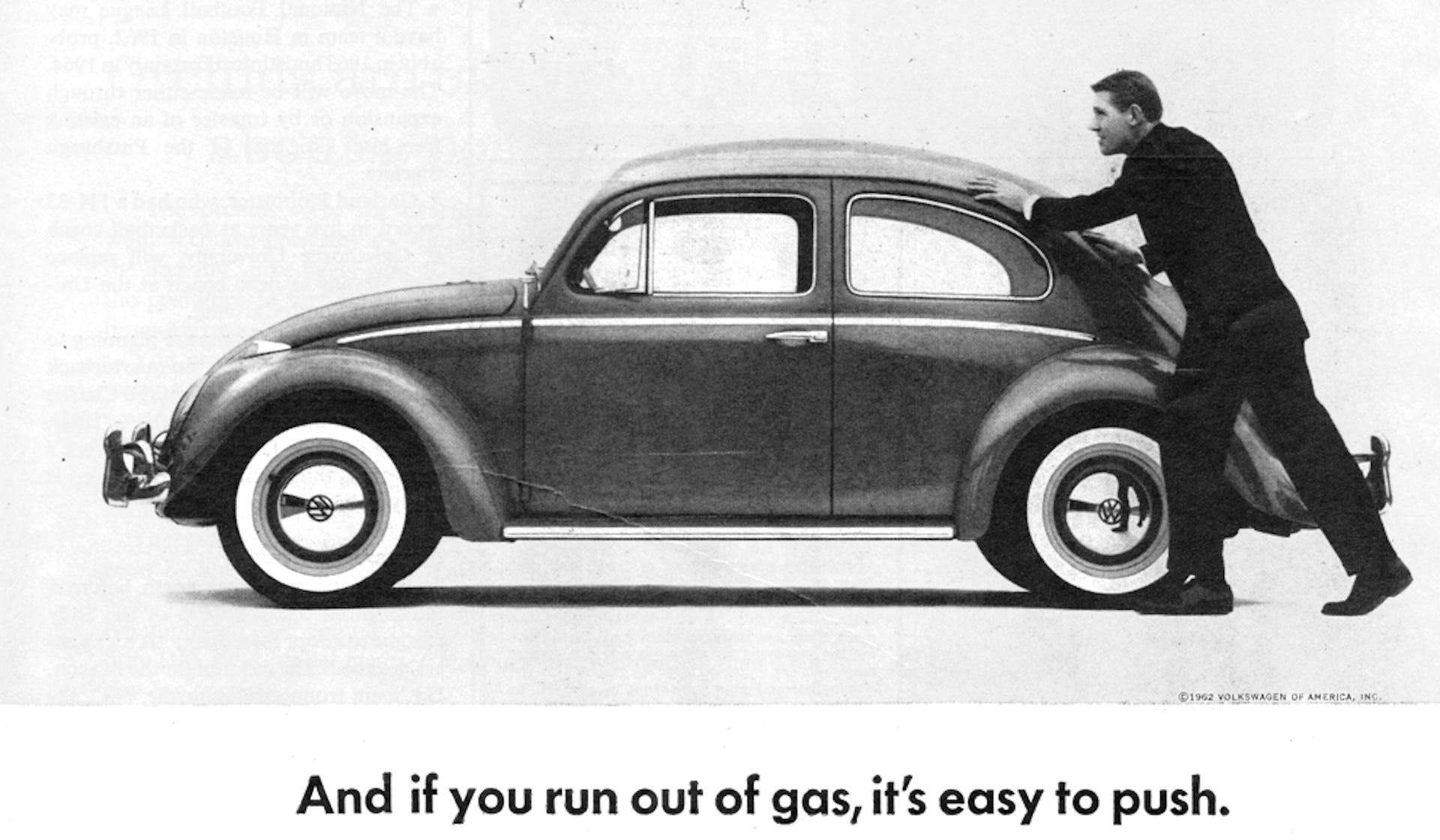
In the 1960s, the era romanticised in Mad Men, advertisers operated in uncertainty. They couldn’t track every reaction, so they leaned on instinct, cultural awareness, and bold ideas.
And yet, that lack of measurement was what gave creativity room to breathe. Campaigns could be strange, risky, even polarising — because success wasn’t immediately reducible to numbers, and human judgement still had authority.
Fast forward to the present, shaped by platforms like Instagram and TikTok, and the entire system flips.
Now every action is tracked, every outcome quantified, every decision justified through data. Advertising becomes less about persuasion as an art, and more about optimisation as a system.
You don’t trust a bold idea — you test ten variations and scale the one that performs best.
You don’t build a message slowly — you front-load attention using celebrities, because attention itself has become the most measurable and tradable asset.
The result is efficient, predictable, and profitable communication — but also flatter, more repetitive, and less culturally meaningful.
Now, the consequence — the ‘negative effect’ — is that when people live inside systems where value is constantly measured, they begin to internalise that logic.
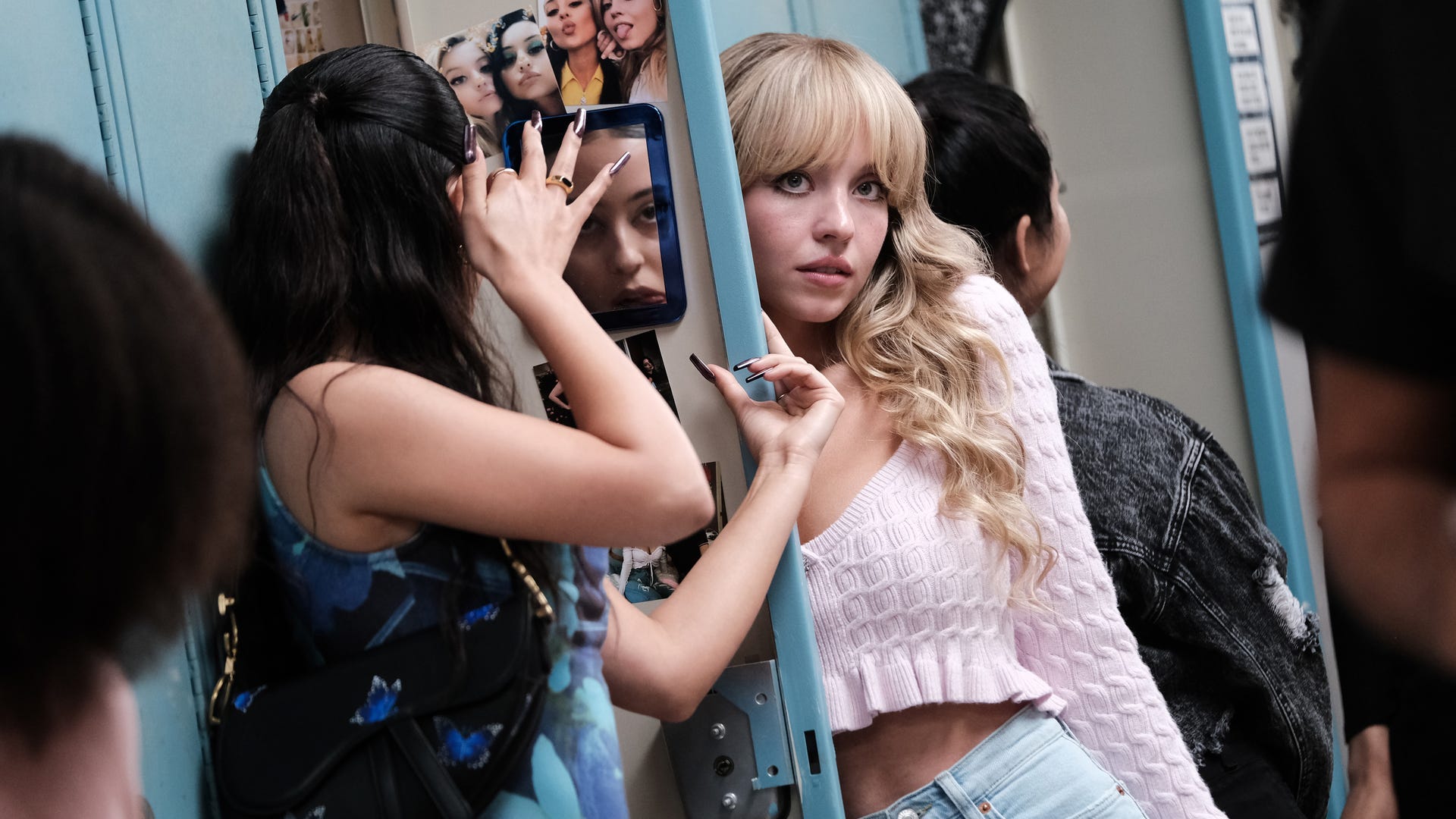
They start treating their own lives the way advertisers treat campaigns — optimising for visibility, approval, and performance. Risk declines, because failure is immediately visible. Originality declines, because it doesn’t reliably outperform proven patterns.
When Utilitarianism is operationalised through technology, you get systems that are extraordinarily good at maximising measurable outcomes, and simultaneously blind to anything that can’t be easily quantified.
A world where everything functions, everything performs, everything is optimised… and yet much of it feels interchangeable, somewhat irrelevant beyond the material — because the very process that maximises efficiency also filters out the kind of unpredictability that gives things meaning in the first place.
However, I would argue that the thing so called ‘art’, or the creative — the creative act of a human — still matters. Because it is likely the missing puzzle in modern life, the answer to ‘why we got everything more than ever, but somehow feel emptier than ever?’
What’s really going on is that we need some way to define ourselves that doesn’t come from external systems — and in today’s world, those systems are increasingly built on measurable, utilitarian logic rooted in Utilitarianism — not from ‘ART’, or whatever form of creation that is individually humane.
And when that happens, life quietly shifts — experiences become tools for outcomes, creativity becomes content, and self-worth becomes tied to numbers.
That’s where the sense of emptiness creeps in. Not as dramatic despair, but as a kind of flattening — where everything functions, but very little feels meaningful. And ‘art’ is one form of expression that exists outside measurement — something you are not optimising, not performing, just articulating something internal.
One that is no longer reinforced by the system, but becomes a personal choice rather than a default mode of living.
This is where the identity of the Flâneur comes in — as the antidote. On how to appreciate, and live fully, in modern life — without rejecting the reality of what it is.
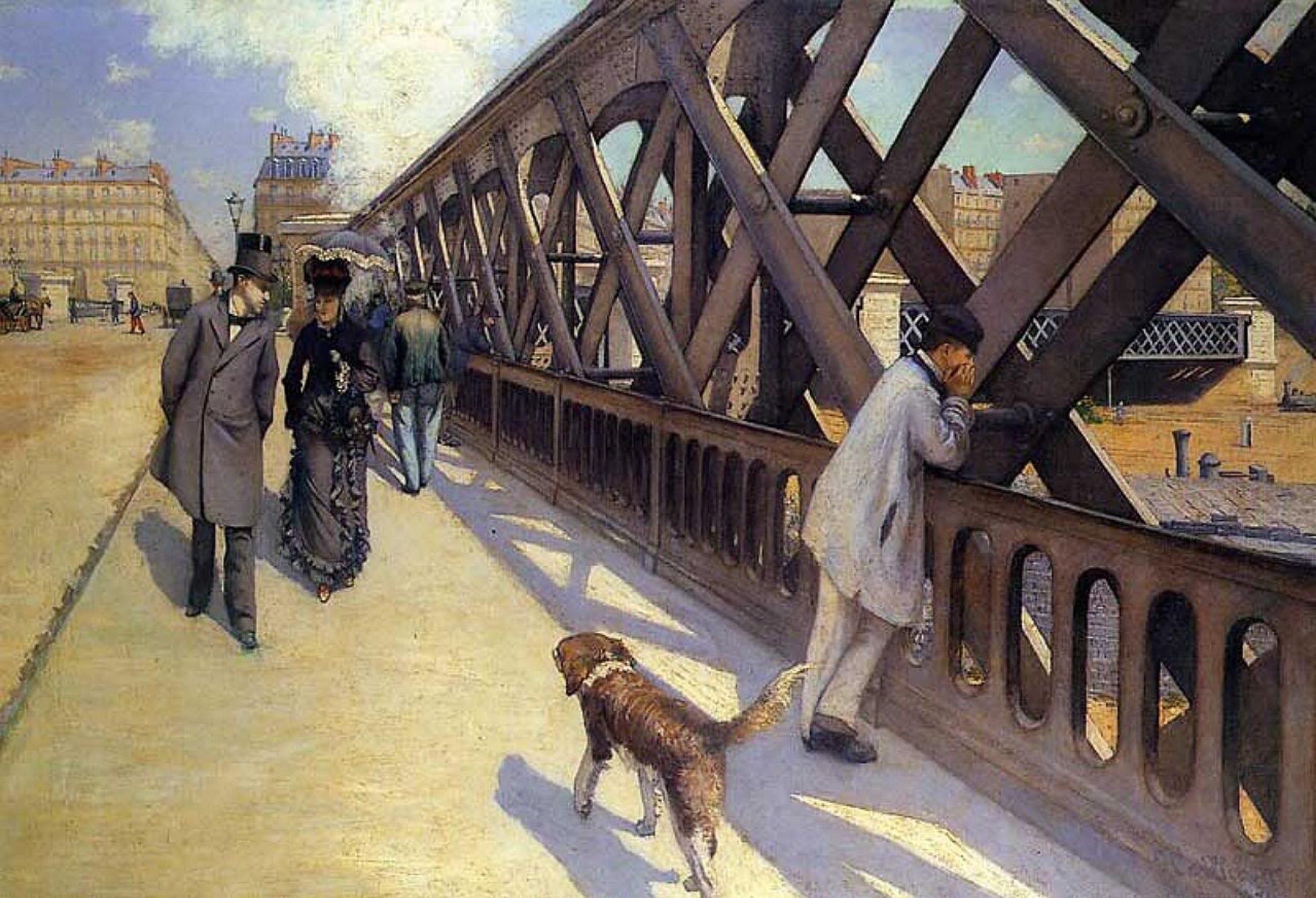
While I have mentioned this French word — Flâneur — many times, including in my first ever editorial, the principle behind it lies as the direct antidote to the current landscape of Utilitarianism.
Actually, something similar once happened during the rise of the Romantic era in the early 19th century — where artists and thinkers began to advocate for the importance of individuality, imagination, and the appreciation of nature in society and culture. As a direct response to the pure scientific rationalism of the Age of Enlightenment, and to the Industrial Revolution that turned society into a bio-machine.
The Flâneur — just like a figure of historical record — was an identity created to counter the ‘modern world’ at its finest. What is important is that right now, it is no longer just about dressing well in a well-cut coat, walking in Paris, or writing poems like Charles Baudelaire. It is about applying his main definition of the term:
“A mirror as vast as the crowd itself; a kaleidoscope gifted with consciousness, responding to each one of its movements, and reproducing the multiplicity of life and the flickering grace of all the elements of life.”
Essentially: someone who moves through modern society without completely surrendering their perception to it. They do not reject the city, technology, capitalism, or modernity itself; they simply refuse to let those systems fully dictate how they see the world, or define their identity.
Because if the main problem of current days and nights is that people stop asking whether something feels meaningful, beautiful, or personally resonant — and instead ask whether it performs well, gains approval, or produces utility — then…
The Flâneur resists that pressure by reclaiming attention and observation for their own sake.
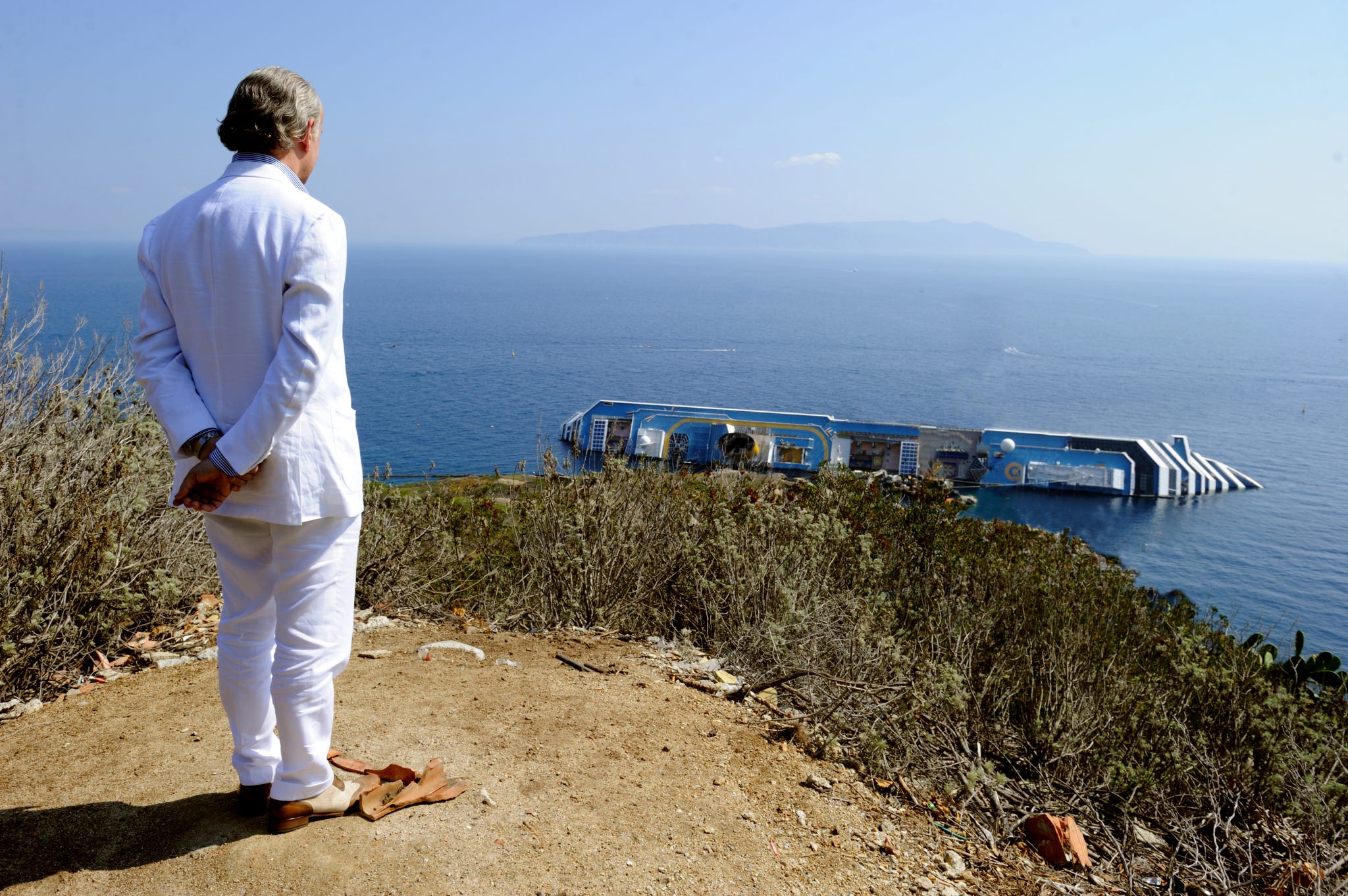
By walking, noticing, reflecting, appreciating beauty, lingering in ambiguity, allowing experiences to exist without immediately monetising or posting them. Sure, these are small acts. But psychologically, they matter — because they restore a relationship to life that is not entirely mediated by systems of measurement.
And the interesting part is that this is not escapism, nor nostalgia. It serves as an act of maintaining an inner space that remains human, even while living inside highly optimised structures.
In that sense, the Flâneur is less a lifestyle, and more a discipline of perception — the ability to remain conscious, attentive, and internally grounded in a world constantly trying to convert human experience into data, performance, and consumption.
From my direct experience, there are three main things that — once I had fully integrated them with my own tempo and life cadence — allowed me to become detached without carelessness, grounded in reality but also able to embrace the beauty of life in many ways.
Observation. Taste. Expression.
Let me explain one by one.
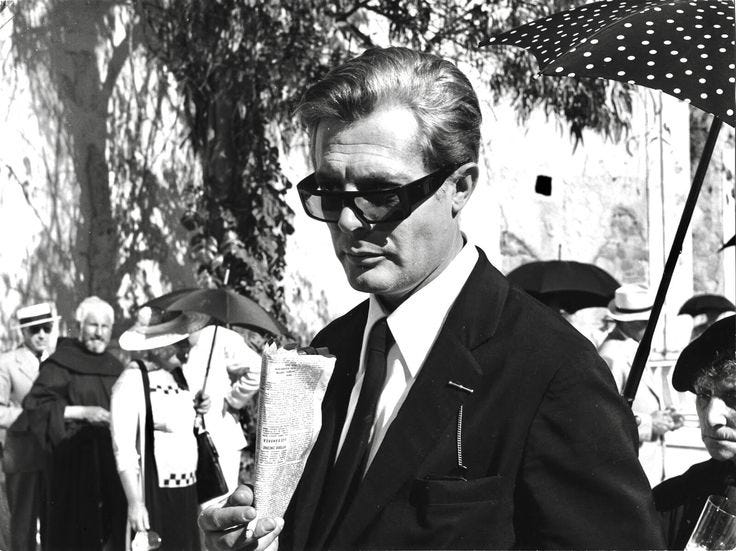
#1 — On Reclaiming Unstructured Observation
Walking without destination. Sitting in public spaces without constant stimulation. Noticing architecture, conversations, moods, textures, weather, people — basically anything happening around you.
Not as content. But as direct experience.
While that sounds simple, psychologically it is difficult — because people have become uncomfortable with moments that produce no measurable return.
My own practice is to ‘commit’ to myself a daily routine of ‘walking’ into the city — either a place I am familiar with, or one whose street names I do not even know yet. And trust me, I have done this both in a city ‘perfect’ for strolling, like Milan or Rimini, and in a megalopolis like Bangkok — where walking gets you nowhere, and transportation is essential. They can all be done.
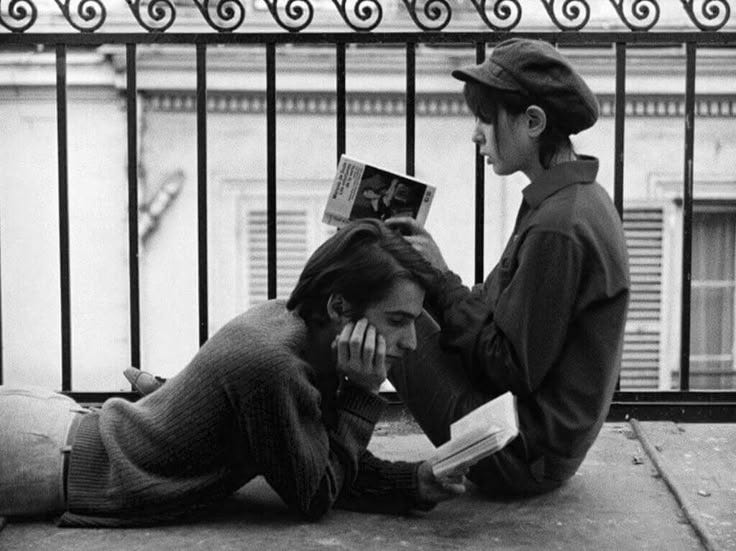
#2 — On Developing Private Taste, instead of Algorithmic Taste
Most people now discover what they should like through recommendation systems, trends, engagement loops, and social consensus.
You need to intentionally interrupt that process.
Read books nobody is discussing. Listen to music without checking popularity. Explore cities without optimising routes for efficiency. And form opinions before seeing the comment section.
And… this is not contrarianism for its own sake. Think of it more as an attempt to preserve independent perception in environments engineered toward behavioural convergence.
(I have fully elaborated on this topic in this editorial, if you want to explore more.)
#3 — On Protecting Forms of Expression that are not tied to Validation
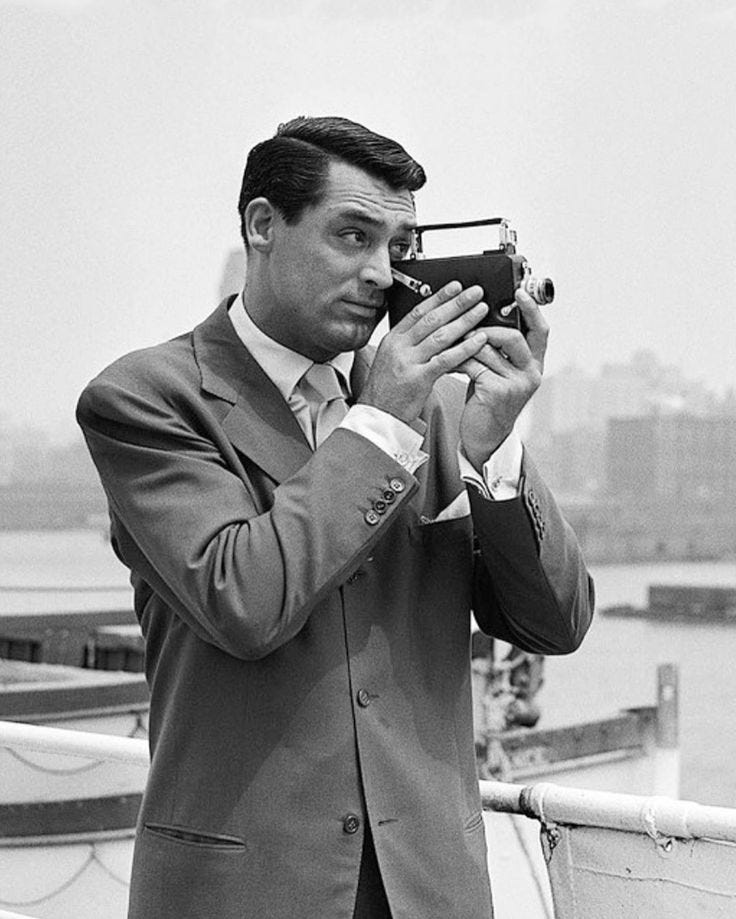
Writing privately. Taking photographs that are never uploaded. Sketching, journaling, designing, collecting thoughts — these become important, because they create a relationship with self-expression outside of audience feedback.
Once all creativity becomes public-facing, identity quietly becomes performative.
You, instead, maintain some interiority — some space where experience is processed, rather than displayed.
In my case, I have another pile of writing — more raw, more ‘personal’ than what you read here on Renaissance Flâneur. I like to think of them as the material that fills and waits for a surgical articulation, eventually turning into this weekly editorial.
Now, what is congruent among all three is this: a protecting of forms of attention, perception, and identity that modern systems constantly try to compress into measurable outputs. A deliberate choice to leave parts of life economically and algorithmically unoptimised.
However, this does not mean an irresponsibility toward productivity.
The Flâneur still understands reality. Still works, survives, and functions within society. But they resist turning every hour into optimisation. They understand that constantly maximising efficiency often destroys sensitivity, reflection, and depth.
And sometimes — the most important experiences in life emerge from what measurable systems would classify as “unproductive”: wandering, reflection, conversation, silence, boredom, curiosity. Those are the states where perception deepens, and actually returns into a depth that cultivates an intelligence which gains more value in an age where everyone is seeing, expressing, and thinking the same.
While the entropy of this society — leaning toward utility above all else — will only continue to increase, there is always a path you can choose. One that does not let you be consumed by it, without leaning toward nihilism or hedonism. One you take as a distinctive position: deliberate, and free from it.
And that path — which many great figures have explored, and which I have experienced myself — is being a modern Flâneur.
A terminology that is less about style, and more about sovereignty over perception — the practice of remaining internally alive, in a culture increasingly organised around speed, measurement, and external validation.