


“I don’t have any client right now.”
That was the line I heard from a friend and mentor as we sat beside a wide panel window, looking out at a waterfall over a cup of Americano. He is a very talented writer and storyteller, with one of the most unique voices I have ever encountered. But with the reality of capitalism, the arrival of AI, and every other reason on earth for brands to question the value of the creative mind more than ever, it was not a line that surprised me.
“Can’t we just use AI for this?”
“Why don’t you just prompt Claude with a line or two and do what it says?”
I have heard many versions of this from the efficiency-driven executive. I am no longer sure whether the integrity of human creation still matters to this economy. But I am certain it did its job of triggering something, in my friend and in me: a questioning of our reason to exist. As independent creative professionals in a hyper-optimised economy, and as humans.
Who are we, exactly?
For the past year I pursued an image: the creative director behind the scenes, an archetype that looks so cool, especially in European creative culture. Then I decided not to extend that role to one of my long-standing clients. The image, it turns out, was not for me. Not in how the work feels, and not in whether it leaves me fulfilled.
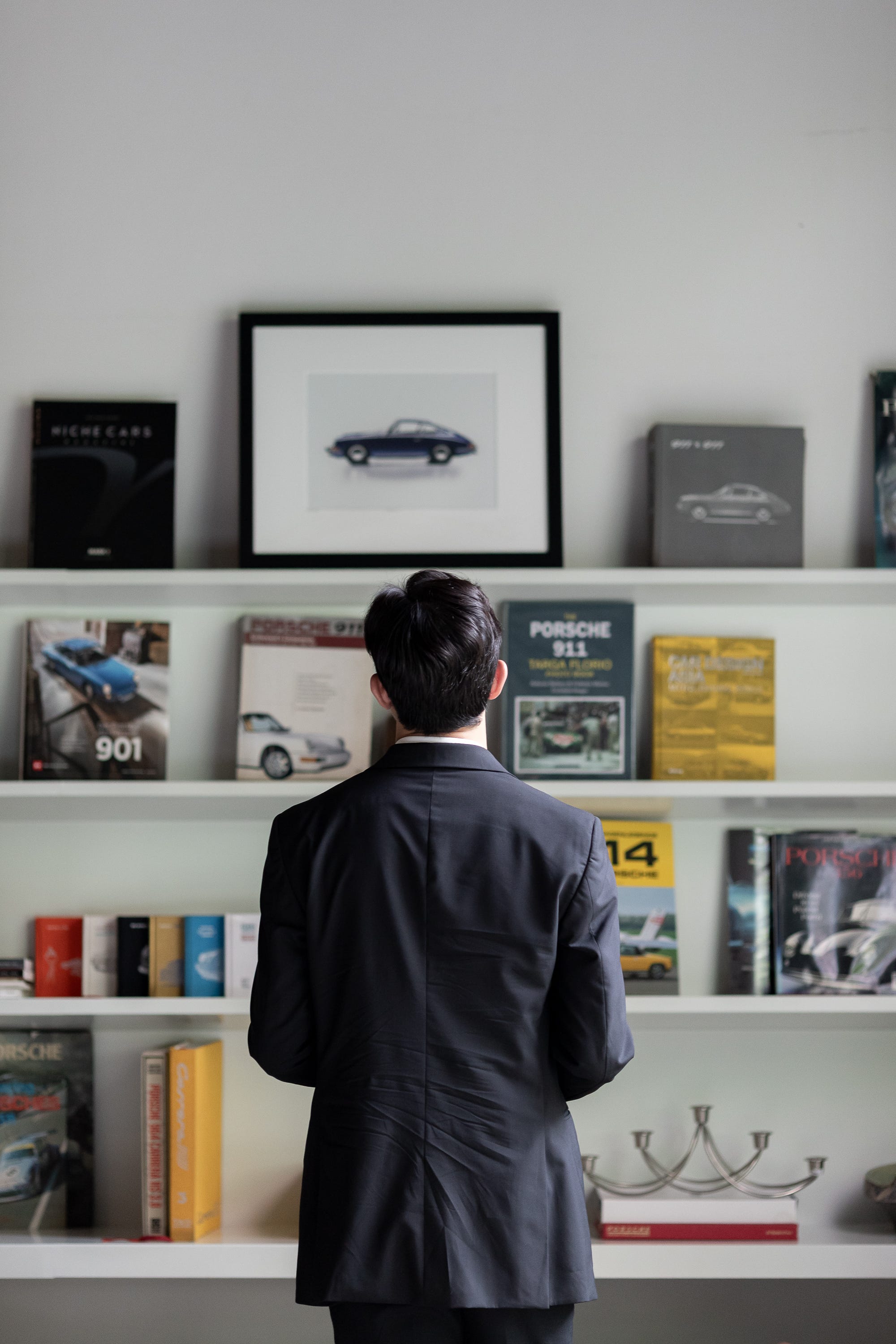
An idea I explored recently came back to me: the modern human has tied identity to performance. Job title. KPI. Income. Success. (And who defines success, anyway? The image that comes to mind is a Porsche 911 parked outside a house in Beverly Hills.)
I won’t deny the importance of monetary capital, particularly having enough of it that it can run on its own and turn into wealth. I think that is a noble pursuit, perhaps simply natural to human beings. But what I saw in my friend, the quiet overwhelm and the fracture in his sense of self after losing his channel to contribute to the capitalist machine, is worth investigating.
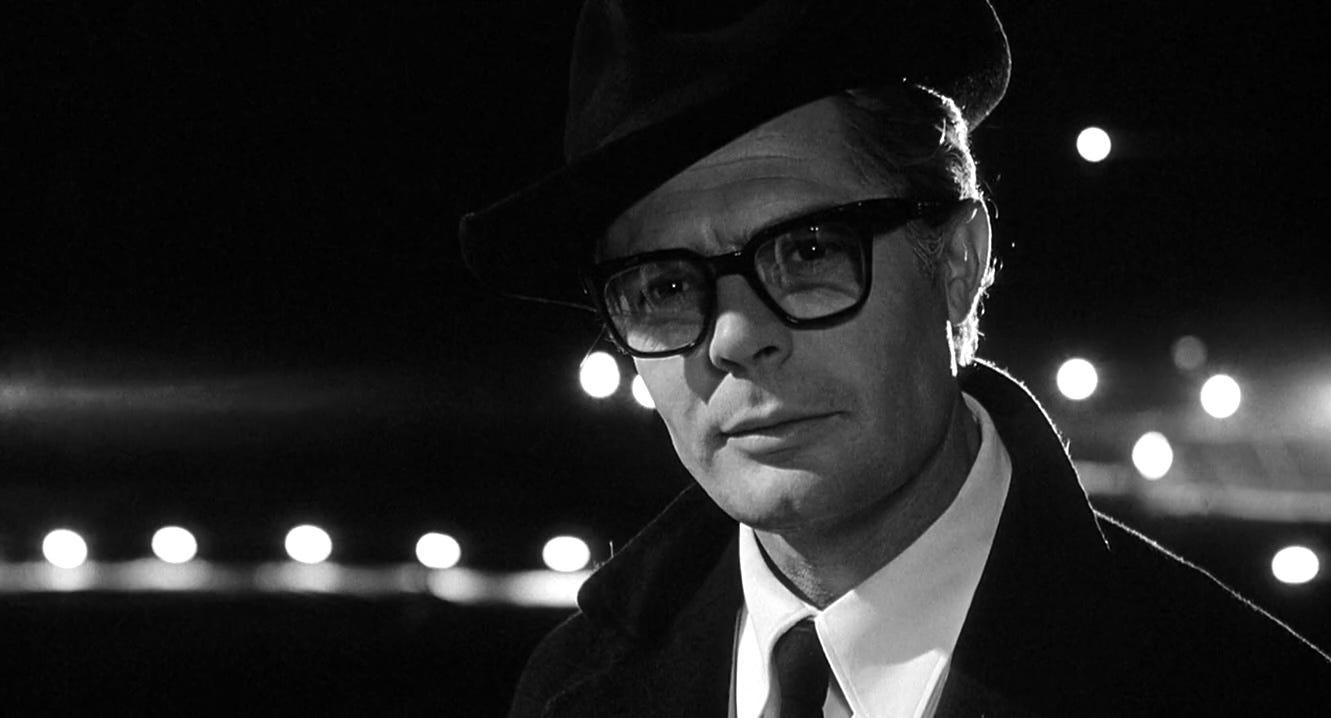
Someone once told me that we are always evolving. The self of last year is not the self of today, and the present self is not the future one. What once excited or provoked something in you will likely change over time.
Modernity is very good at carrying us through life, day and night, without a pause to sit still, to get in touch with ourselves, to introspect. To see how we really are these days. To see whether the work, the relationships, the purpose, the activities we used to love are still intact.
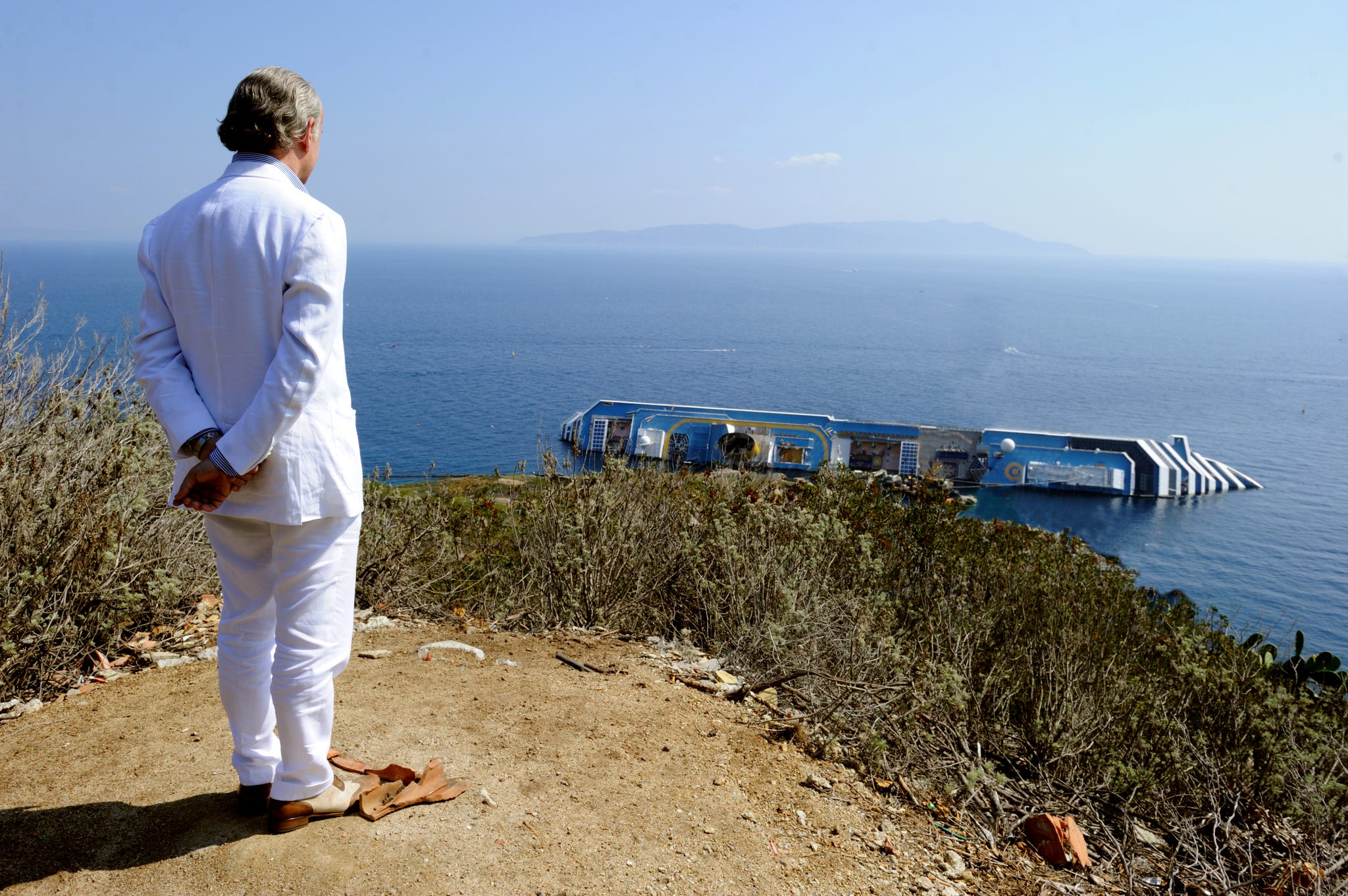
Practising the flâneur, strolling through the city without attachment, letting the mind wander and trusting it to do the work, has always been my way of finding myself again. Through a hard stretch in a career, through the loss of connection within the metropolis, through the bombardment of screens, it all begins to quiet and vanish. Then the clarity arrives, a voice from nowhere, showing what comes next.
It is a method that requires very little monetary capital.
But it takes more courage, to stand against the tide.
So I think it is an essential act though not an easy one.
To find oneself, to rediscover after a year, and to listen honestly to what comes back. As my friend and I do, once in a while.
The destination is likely to be something unfamiliar, something that brings discomfort and uncertainty. The grass over there might not be greener. But it is worth exploring.
To find oneself once again, especially in the turbulence of life.