


I was scrolling Facebook, looking for a vintage jacket.
Two, in fact.
A Belvest in light grey, unstructured, 96% wool and 4% nylon, which looks and feels very light for the tropics. And a vintage Giorgio Armani from the 2000s, grey pinstripe, 70% wool, 25% rayon, 5% spandex. Two expressions of grey I wanted in the wardrobe at that moment.
Then the feed began to change.
“Robert Pattinson is James Bond.”
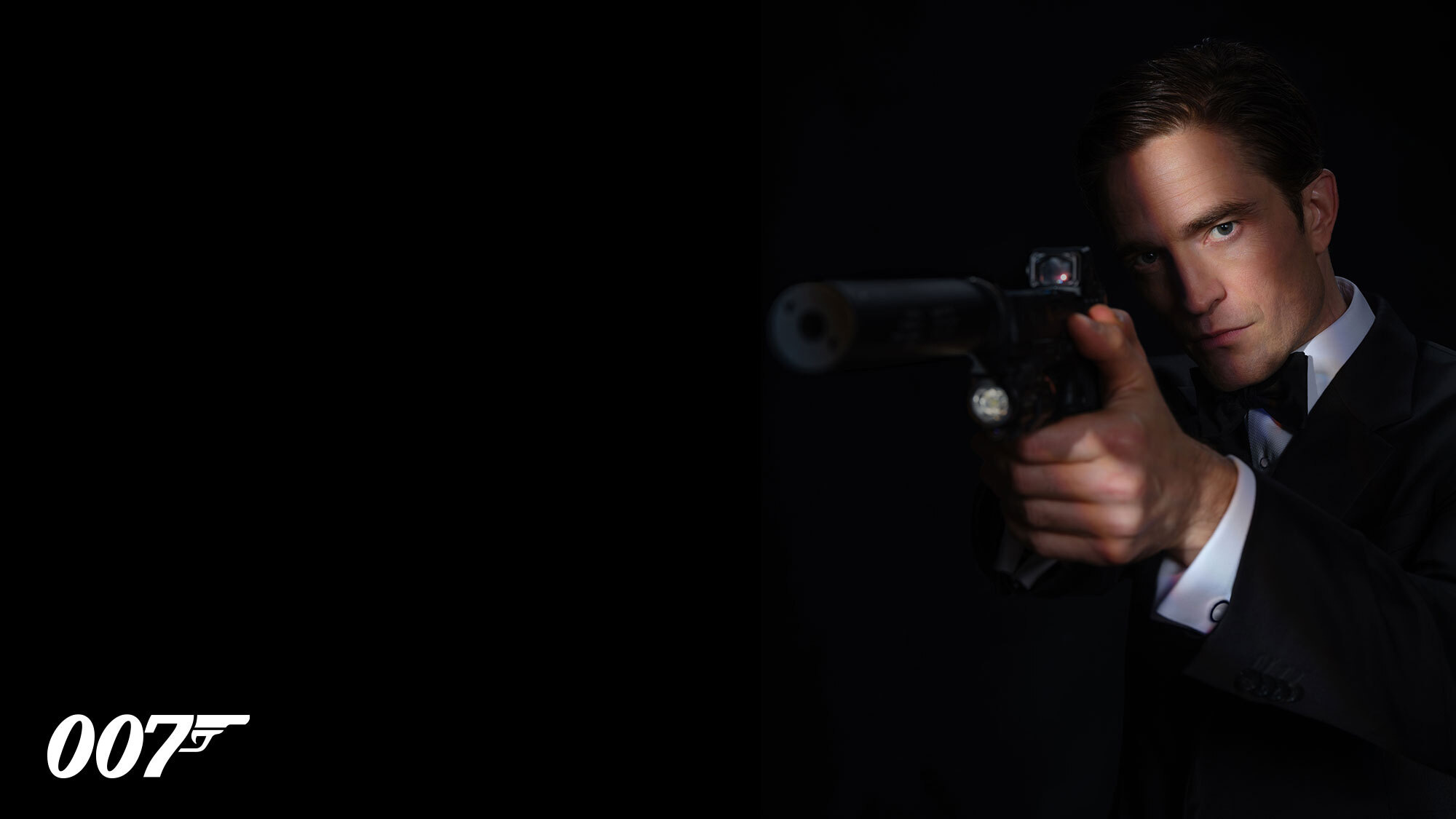
My reaction was mixed.
The first part was not surprise.
His name had been ahead of every other candidate in the rumours for weeks. And given the new direction under Amazon, a venture that prioritises the commercial and wants a guaranteed franchise, who would be a safer choice than an actor who has already carried franchises of his own?
The other part is uncertainty.
I advocated for Henry Cavill. His Napoleon Solo, in Guy Ritchie’s film, was already Bond material. But I also have real hope for Pattinson. He is comfortable in tailoring, and debonair in Nolan’s Tenet, which makes me think I can see what his Bond might look like.
What I cannot tell is whether it leans toward the classic Bond I hope for, or turns into a modern one.
Also, I do not know how Denis Villeneuve will shape the twenty-sixth film, or how the seventh actor in the Eon line will portray the character. But one thing I am certain of: Bond will continue to be Bond, no matter how the era changes.
Lately I have been turning over a question.
How do you carry the virtues of a bygone era into the present, and keep them relevant, and still admirable? Or is it possible at all?
Renaissance Flâneur began from a very big, very simple idea. To be the last place where elegance still breathes. To make elegance desirable again, and relatable, in a century where it is no longer the norm.
I have explored many dimensions of it. One has clearly proven itself: tailoring.
Perhaps it is luck, or the nature of menswear, which moves more slowly than womenswear. But tailoring has found its way into every era of how men dress. The silhouette changed. The meaning changed. The context no longer requires it, or even supports it. Nobody needs the lightest unstructured single-breasted jacket on a daily basis. And still there is a way to make it congruent. Worn with proper classic denim. Integrated with how the locals dress.
Just like how Anthony Sinclair’s cut on Connery is not Tom Ford’s on Craig, and neither is the same suit.
Tailoring has shown that the elegance of a bygone era can survive into modernity, as long as it is willing to change its form.
So does James Bond.
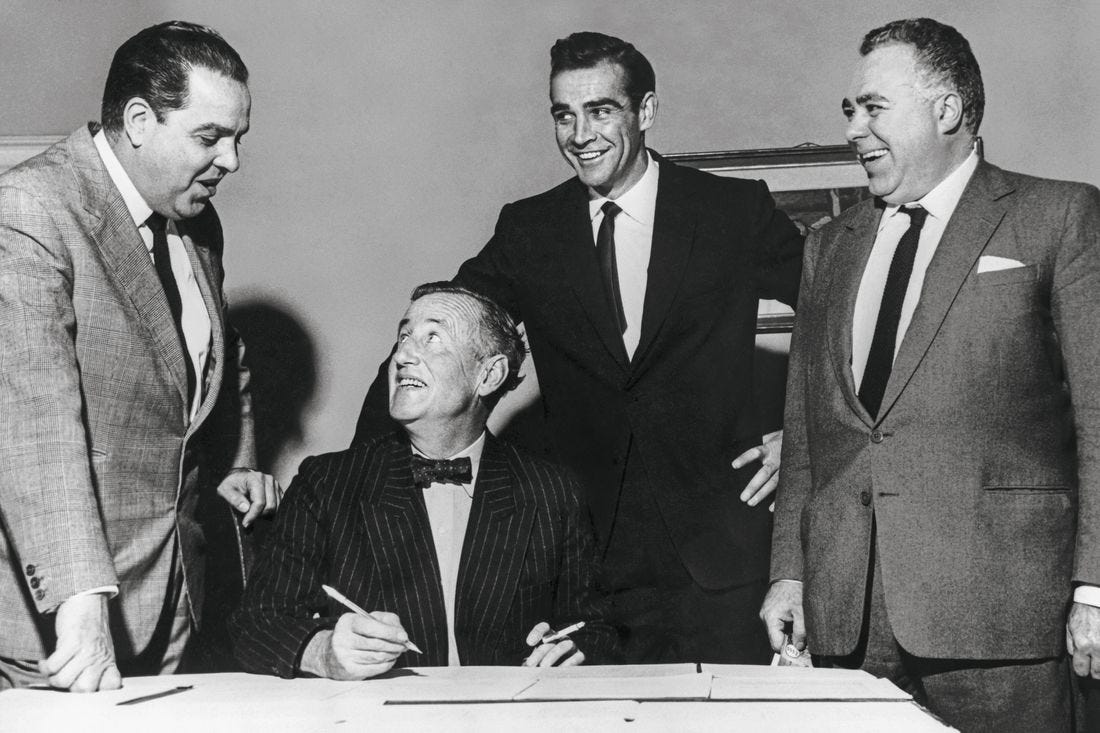
The world has changed a great deal in the six or seven decades since Ian Fleming wrote Casino Royale and Sean Connery debuted in Dr. No. I still adore the mid-century. I still believe it was the final frontier of elegance as a daily standard for a civilisation. But the world has moved.
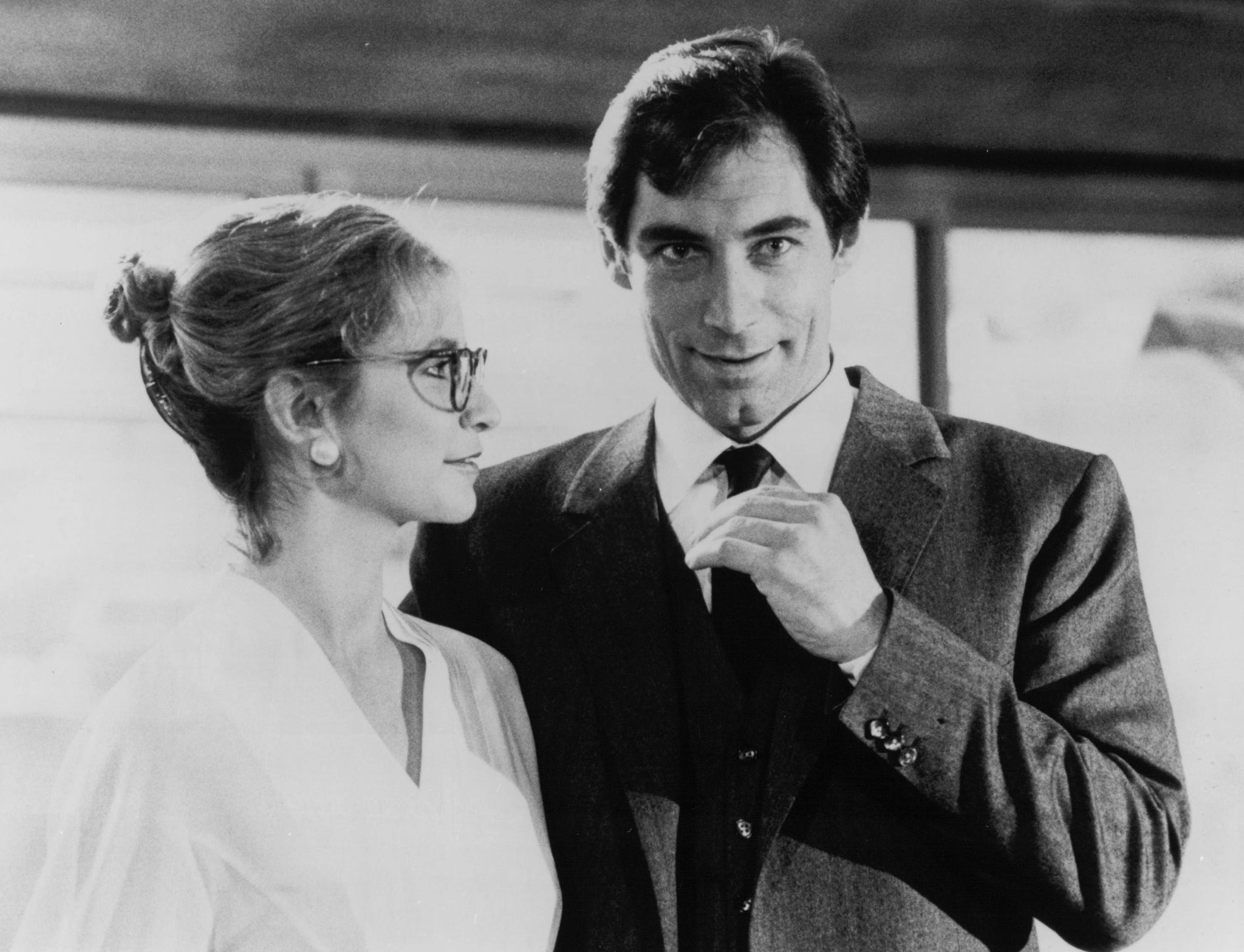
What made Connery’s Bond appealing to the audience of the 1960s is not what made Dalton’s appealing in the 1980s. Nor Brosnan’s in the 1990s, nor Craig’s across the 2000s and 2010s. The sentiment of people changed. The belief in sexual roles. The meaning of being a gentleman. Even the way the character dresses, because clothes always carry a meaning beyond the visual.
What remains, beyond the Aston Martin, the dinner jacket and the martini, is the quality behind the name.
Say “Bond. James Bond.” and you immediately picture something aspirational. The eloquent, competent, charismatic man. The man who knows things, speaks several languages, and carries a self-assurance that does not break.
Those qualities survive in the modern Bond. They are what let audiences, old and new, still enjoy the character and the franchise.
Which is why, that night, the effect of the news was simple.
I re-watched the 007 announcement teaser. Pattinson in a dinner jacket, bow tie, cufflinked shirt, a Walther in hand.
More than five times in a row.
Which made it quite clear that, mixed feelings or not, I am excited.
And I forgot to go back and check the two jackets.