


There’s a remnant from the last editorial — The Honest Way to Love Tailoring.
In that piece, I spent time deeply crystallizing the true meaning of ‘craftsmanship’ and the value behind a sartorial piece — that ‘artistry and design’ are also a great part of what makes a garment ‘meaningful’. And that has led to the current issue you’re going to discover.
Suits — tailoring as a whole — are a form of clothing that has stayed with civilization for many centuries by now. Timelessness is the term usually brought up to describe the allure of this type of garment — that it can stand through the test of time, transcend borders across multiple cultures, and always have a place in a gentleman’s wardrobe.
Well, I couldn’t disagree with that.
From the experience of traveling and living in multiple cities — not many, but several significant capitals — I can guarantee that ‘sartorial garments’ always have a place everywhere (though you might need to learn the social cues and language of each city — which I once articulated about Milan in this editorial).
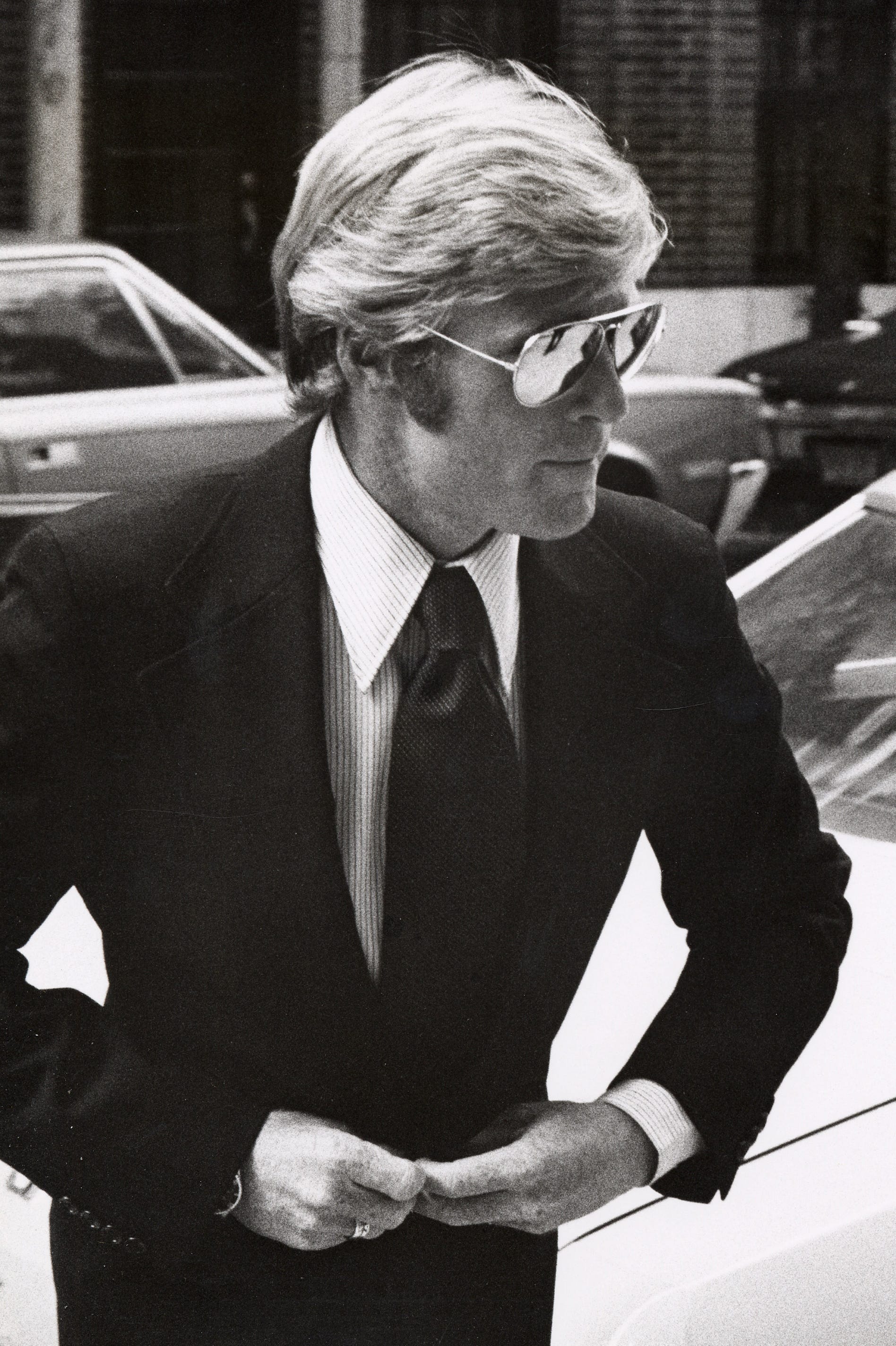
However, to say that it’s ‘permanent’ in form, that it is always stable in silhouette — is far from the truth. What gentlemen wore sartorially in the 19th century was unlike what appeared in the early 20th century; such as when the coat had been displaced by just an inner coat or the jacket. Or the early 20th century, when the ‘structure’ of a full suit or jacket carried a full drape — compare that to the mid-century, when it had been tapered, with shifts in details such as jacket lapel size and slimmer trousers.
Let alone the 70s, 80s, and 90s (the last decades of tailoring as a norm) — each with a distinct silhouette of its own — due to the emergence of numerous fashion designers who influenced even the so-called ‘permanent style’ that men had held onto for centuries.
So what I would like to convey is that ‘classic menswear’, in the format of tailoring garments, has always been changing — since its emergence as attire for the modern world during the 19th century, to its peak during the 20th, and… unfortunately, its decadence in the 21st — in which it remains a niche for a very small portion of discerning few.
The big question is:
“Why has ‘tailoring’ mattered less and less in the new millennium?”
Certainly, there is the natural human inclination toward casualness — in which, when there is no rule or societal norm expecting one to wear tailoring anymore, there is no reason to carry more burden on the body than necessary. Or the rise of mainstream styles such as streetwear, the minimal ‘Silicon Valley’ style as the new status symbol, or athleisure — influences that now dominate the real scene in mainstream media.
But if ‘clothes’ are a medium of non-verbal communication in their own right — always reflecting the identity, virtue, and beliefs of the individual — then what are those ‘qualities’ that modern mainstream styles actually contain? And what has ‘tailoring’ failed to achieve in comparison?
That — is what we’re going to investigate.
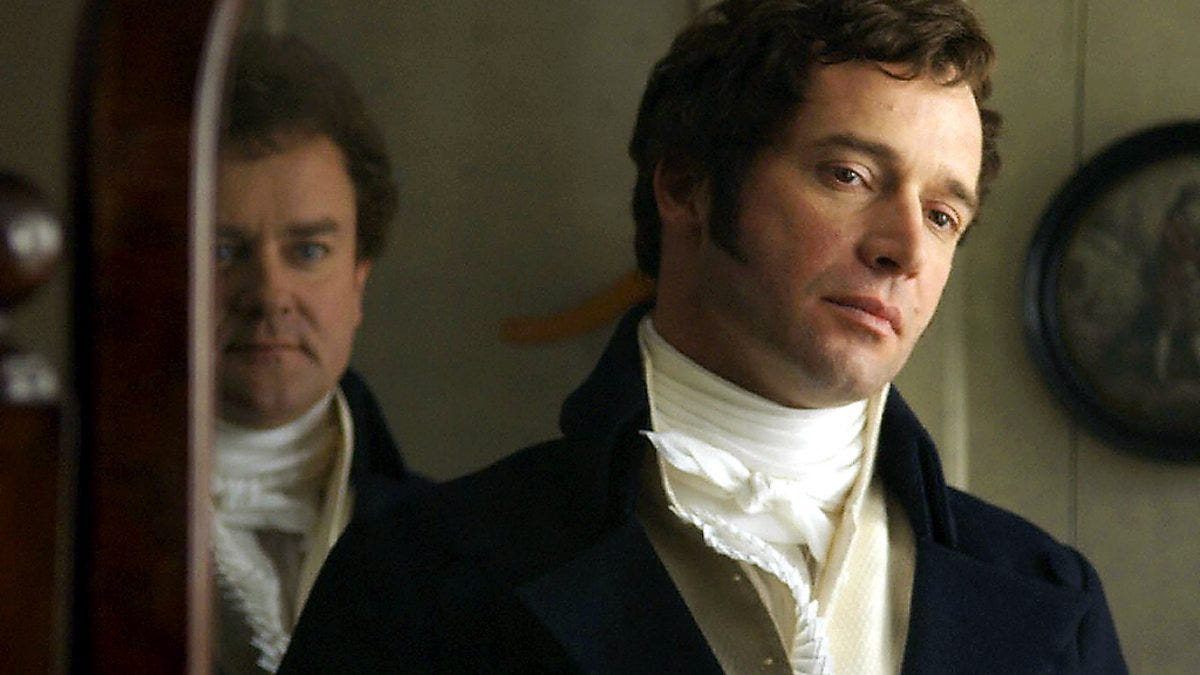
It has been three centuries since the birth of ‘modern menswear’ that we see men wearing on the street today. It all started with the iconic dandy — George Bryan “Beau” Brummell. An aspiring member of the middle class from London, he shifted the whole ‘approach’ of putting clothes onto the body — beginning with the upper class, and then gradually influencing the middle one.
By adhering to ‘simplicity’ rather than ‘extravagance’, Beau Brummell created the blueprint for classic menswear we are familiar with today — the idea of wearing an outer layer with matching trousers, an inner shirt, and decorative neckwear. The ‘gentleman’s attire’ seen throughout the 20th century was, in many ways, the by-product of his ‘invention’.
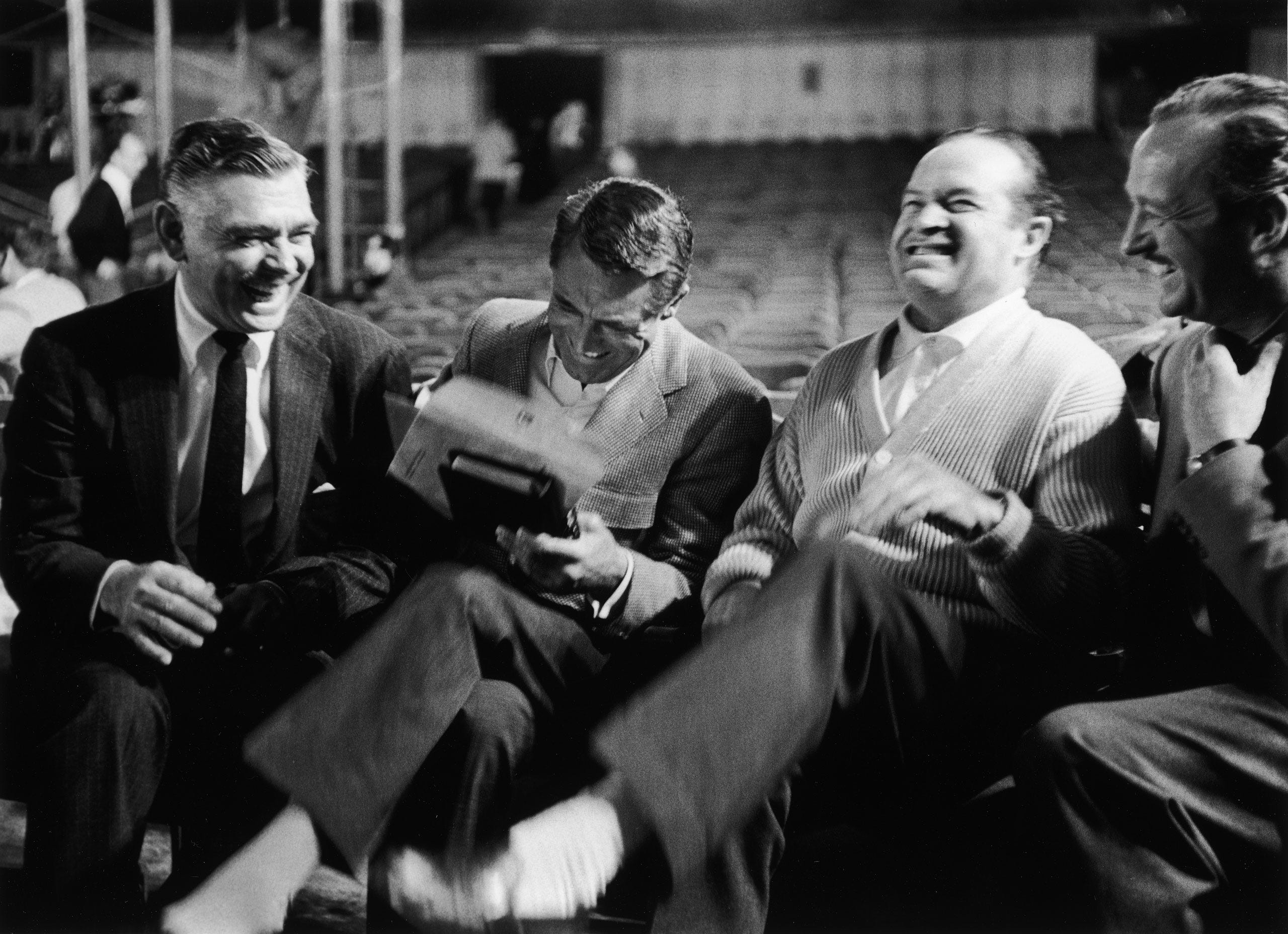
Moreover, the idea of the ‘gentleman’ — a term once reserved for a specific bloodline and obtained only by birth — became democratized for the aspiring middle class. It transformed into a set of virtues: a sense of chivalry and character that society came to admire. That is why, during the Golden Age of Hollywood in the 1930s–50s, the leading men of that era almost always embodied their own version of the ‘gentleman’ in their characters. Cary Grant, Fred Astaire, David Niven, Gregory Peck… and many others. Their attire — well-cut suits with fuller silhouettes that enhanced their masculine frame, side-parted hairstyles, and polished leather footwear — became visual symbols reflecting their character (or at least the character the industry wanted audiences to look up to).
The thing is, as society progressed, its landscape of norms, paradigms, and values began to shift — challenged by new generations along the way.
In the early to mid-20th century, Western society still carried strong remnants of Victorian-era norms. Men commonly wore suits in public, speech and behavior were restrained, and social life followed clear rules of etiquette. Hollywood films such as North by Northwest projected the ideal of the composed, disciplined gentleman — someone elegant, emotionally controlled, and socially polished. Even the less polished continental cinema of the 1960s still portrayed that idea and style, though with more rawness and grit born from post-war anxiety and existential crisis.
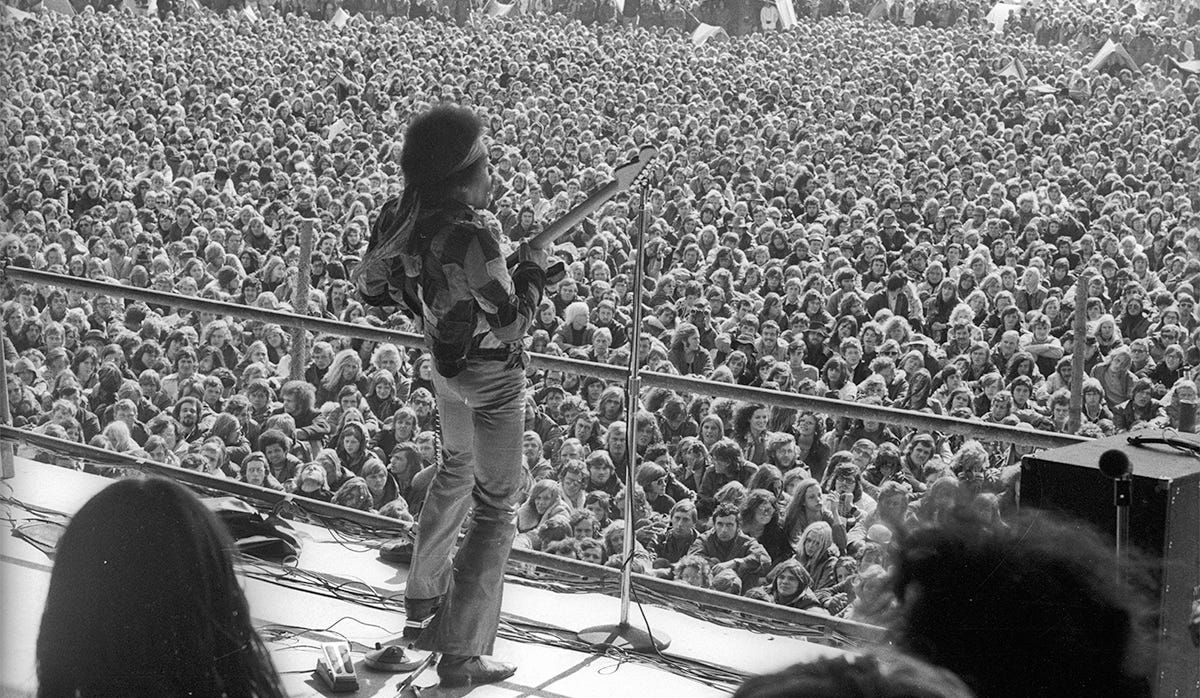
However, the first major rupture arrived with the counterculture of the 1960s. Fueled partly by opposition to the Vietnam War and energized by the ideals of the Civil Rights Movement, young people rejected the cultural codes of their parents. This rejection was reflected in hippie culture, which openly dismissed suits, short hair, and rigid etiquette, replacing them with jeans, long hair, and a philosophy centered on personal freedom and authenticity.
Another break came in the 1990s with the rise of Silicon Valley and the technology sector. Tech culture deliberately rejected traditional corporate formality, embracing casual clothing and an anti-establishment aesthetic. Figures like Steve Jobs made minimalist casual attire — such as the now-famous black turtleneck and jeans — acceptable even at the highest levels of business leadership. For the first time, elite status was no longer signaled by polished presentation but by indifference to it. Wealth and influence no longer required looking refined; intellectual ability and innovation became the new markers of status.
The final stage arrived with the internet and social media in the 2000s and 2010s. Platforms such as Twitter, Instagram, and TikTok rewarded immediacy, emotional openness, and casual expression. Public figures began interacting with audiences in ways that would have been unthinkably informal in earlier decades. (As seen in how Hollywood icons of the New Millennium present themselves, compared to those of the Golden Age.)
So, one could say that in the mid-century world, the ideal virtue was to behave with composure and refinement regardless of personal feelings. By contrast, modern culture prizes self-expression and relatability — even when they come at the expense of formality or restraint.
Thus, the disappearance of the ‘suit’ as a daily fundamental garment becomes logically justified.
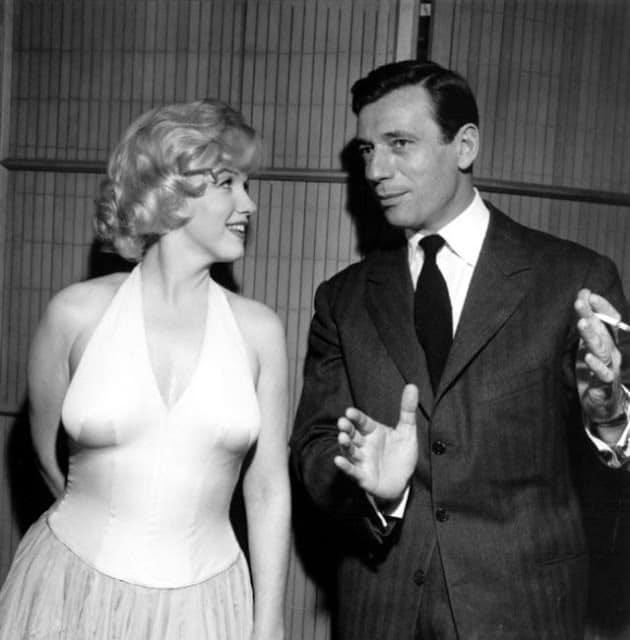
Again, clothes are never just clothes. They are symbols that broadcast alignment with a value system. When the values change, the symbol loses its signal.
The suit once worked because it communicated three things that society respected:
Authority, Respectability, and Aspiration.
In the mid-20th century, institutions dominated life—corporations, governments, banks, and universities. A suit signaled membership within those systems. Someone dressed like Cary Grant represented competence, discipline, and trustworthiness. Society placed enormous value on appearing controlled and dignified.
Dressing formally showed that you understood social rules and respected them. We can think of it as conforming to a shared standard of adulthood.
But in the 2020s, the cultural ground beneath those meanings shifted.
Institutions lost prestige. Corporations, banks, governments, and media organizations have steadily lost public trust over the past few decades. When institutions stop commanding admiration, their uniforms stop carrying prestige. Wearing a suit can begin to feel like dressing as part of a system people distrust.
Moreover, the cultural value system has moved toward authenticity and individuality. Modern identity is expected to be personal and expressive. The suit does the opposite—it standardizes appearance. Everyone in a suit looks like they belong to the same tribe. For a culture obsessed with uniqueness, that can feel restrictive.
Another factor is that new power no longer requires suits. Technology culture reshaped professional aesthetics. Leaders like Steve Jobs made simple, repetitive clothing—jeans and a black turtleneck—into a symbol of intellectual focus rather than corporate conformity. If the richest and most innovative people in the world do not wear suits, the aspirational signal weakens.
A final factor is that the internet shifted status toward creativity and visibility rather than formality. Platforms like TikTok and Instagram reward distinctive aesthetics and personality. A suit, in its traditional sense, is designed to suppress individuality rather than amplify it, so it performs poorly in an attention-driven culture.
The suit didn’t fail aesthetically—it failed symbolically.
It communicates alignment with hierarchy, discipline, and institutional authority. The dominant culture of the 2020s instead values flexibility, individuality, and personal branding.
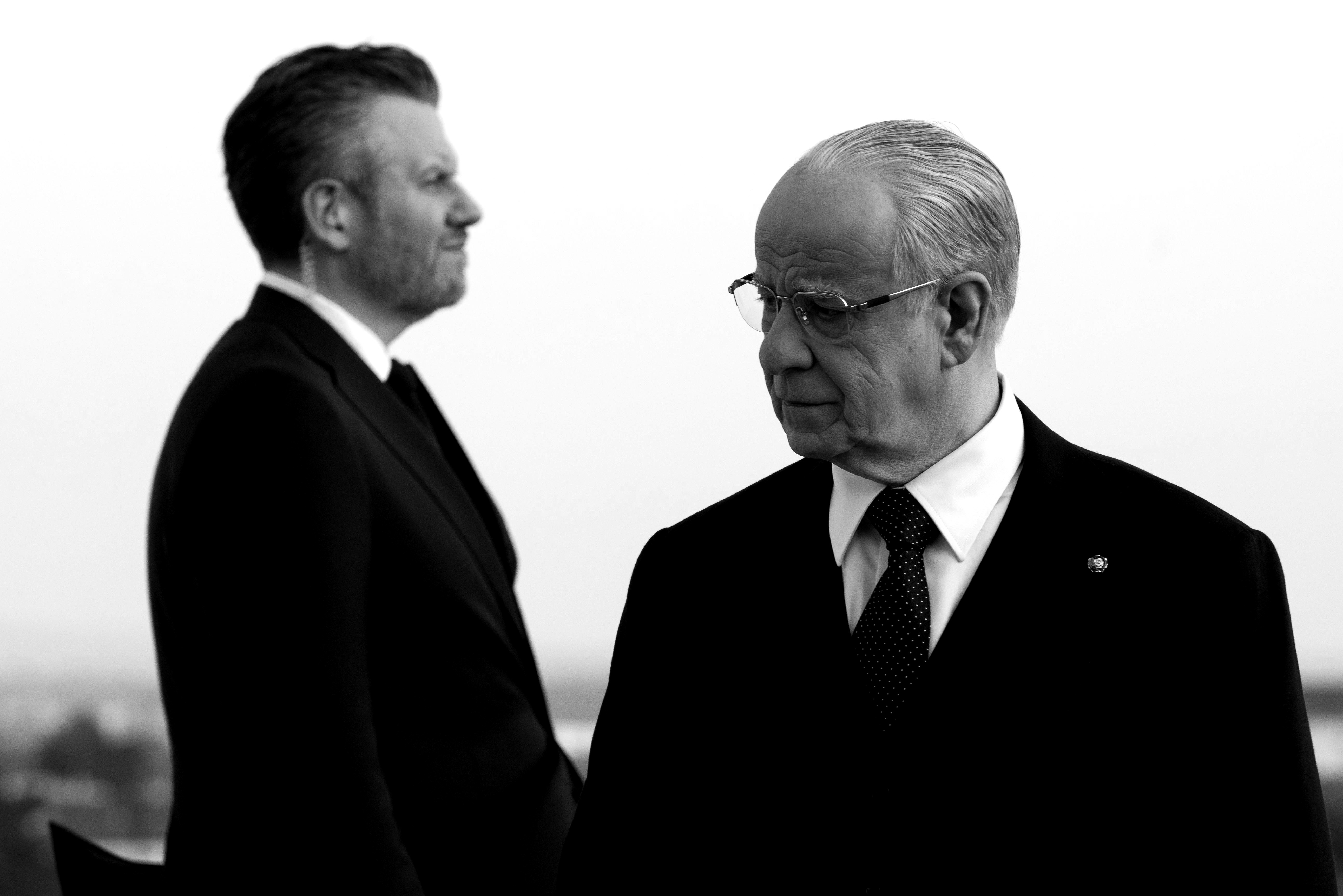
The deeper irony is that the suit still works perfectly well in environments where hierarchy and power remain central—high finance, diplomacy, and certain cities (such as Milan). It hasn’t vanished; it has simply retreated into the places where the old values still operate. But those are now among the only places where ‘classic menswear’ staples—such as a jacket and trousers in the same fabric—retain their natural context.
In daily life, the suit is rarely recognized as a fundamental garment, and is instead reserved for specific functions. Which means tailoring garments today—suits included—must transcend the idea of the ‘old-world perception’: formality, rigidity, strictness. Not to say that these virtues of a bygone era are not admirable—but for tailoring to survive and be carried into the new era, the form must adapt.
Attempts can already be seen—with evident success—through new-generation sartorial brands such as The Anthology, Rubato, and Saman Amel. Still, these remain names largely familiar only within the circle of classic menswear enthusiasts.
For the idea of tailoring to break through and survive among people of the 2020s and beyond, it must lean toward the idea of being fashionable—no matter how fleeting, shallow, or contradictory that term may sound against the very idea of tailoring in the first place.
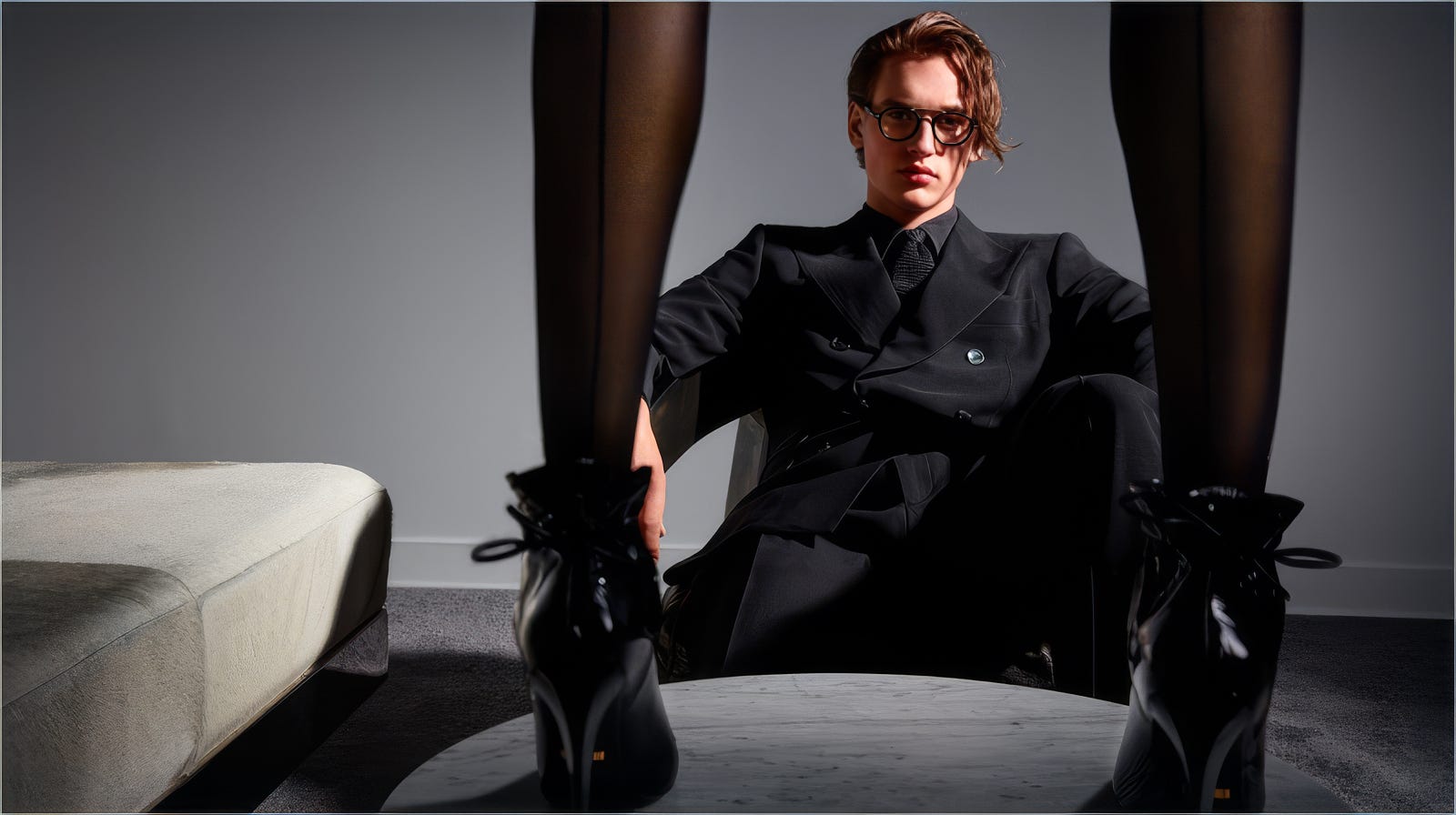
“Style is very different from fashion. Once you find something that works for you, that becomes your uniform.” - Tom Ford
Recently, I’ve become obsessed with Mr. Tom Ford — not because I own a whole collection of his fragrances or a sartorial garment from his label — but because of the way he was able to retain tailoring as the core element of his menswear, from his Gucci days to his own brand before he retired. When you think of Tom Ford, the image that comes to mind is always that of a well-groomed man in a black suit, wide peak lapels, and strong shoulders. Whether paired with a crisp white poplin shirt or even a western denim shirt — it’s always that look.
Now, what makes it interesting is this: Tom Ford managed to make tailoring feel relevant — even within the high-fashion world of the 21st century. This came from his idea of transforming the suit from a symbol of corporate conformity into one of power, sensuality, and cinematic glamour.
At a time when fashion was drifting toward casualness in the late 1990s, he reintroduced sharply sculpted silhouettes — broad shoulders, strong peak lapels, and a pronounced waist — combined with luxurious fabrics and a decadent, jet-set aesthetic that evoked classic Hollywood masculinity. By placing impeccably crafted tailoring back at the center of runway fashion, celebrity culture, and iconic imagery (from Gucci in the 1990s to James Bond in the 2010s), the man reframed the suit not as a relic of business dress but as an aspirational expression of confidence, seduction, and modern luxury.
And that reframing is the core essence of keeping tailoring alive in the future.
Ladies and gentlemen, I want you to look at these brands:
Husbands: A tailoring house that channels the sensual, hedonistic elegance of 1970s Paris — sharp shoulders, flared trousers, and confident silhouettes — reframing tailoring as expressive and charismatic menswear, wrapped in the cinematic atmosphere of 1970s pop culture and its existential tension.
Auralee: A vision from designer Ryota Iwai, who approaches tailoring through Japanese material innovation and softness, creating relaxed tailoring in extraordinary fabrics that feel effortless and modern — making it wearable on a daily basis for the modern man without rigid rules.
Lemaire: A global maison that integrates tailoring into a quiet, intellectual wardrobe — favoring fluid construction, muted palettes, and garments designed for everyday movement. It blurs gender boundaries and turns the idea of sartorial flair into something fluid within garments that exist beyond rigid categories.
Retori: Even this very new-born atelier on Via della Spiga brings the idea of sartorial excellence into a fresh narrative — crafting contemporary art that can be worn. The atelier integrates sophistication for the wearer in a quiet, intellectual way — whether through fabric composition or subtly unconventional silhouettes.
These names demonstrate that tailoring survives not through nostalgia or rigid tradition, but by adapting silhouette, fabric, and attitude to the rhythms of modern life — allowing it to resonate far beyond the niche circle of sartorial enthusiasts.
And that — in my humble opinion — is the only way to restore justice to the tailoring scene itself and allow style to flourish again.
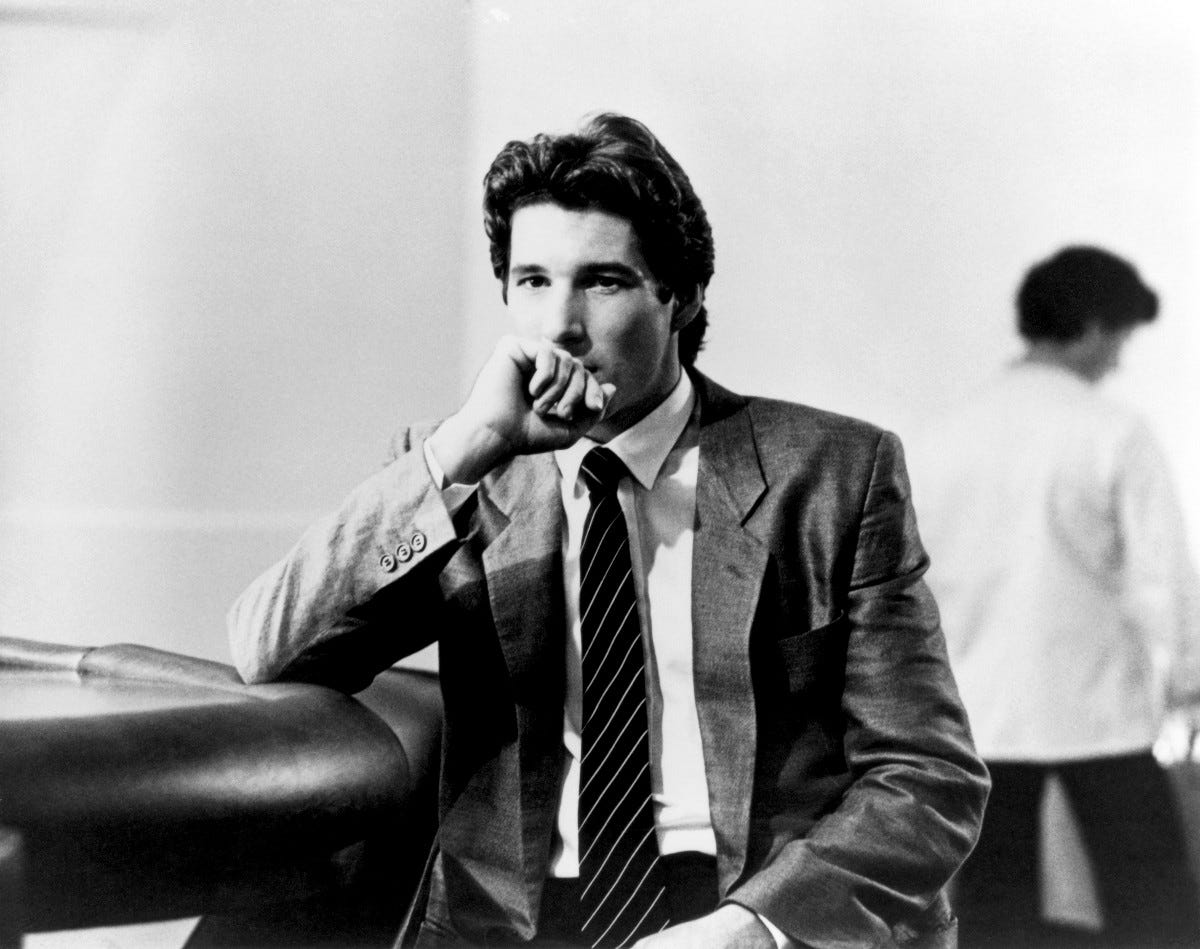
Style is the way of doing something. If you add ‘personal’ into the context, then it becomes your way of doing things — one that is unmistakably yours.
Ironically, the tailoring world has somewhat diluted the idea of style into a format — a set of universal rules within a niche that forces anyone who wants to adopt the sophistication of wearing garments such as jackets or leather footwear into a strict set of practices (ones that cannot be broken — or, if they are, the community is often willing to pass judgment).
Black = reserved for evening formal wear
Brown cannot be paired with black
A double-breasted jacket must always be buttoned
…and many more rules that gradually turn the idea of sartorial dress into a uniform rather than a form of personal expression.
The thing is, the brands I mentioned earlier as examples of bringing tailoring into a new realm are precisely those attempting to return tailoring to the idea of personal style — something that can once again be enjoyed in one’s own interpretation. No rigid rules, no cardinal sins.
We are entering what could be called a post-tailoring period, where classic menswear transforms into silhouettes that align with modern values — whether connoisseurs like it or not. One that erases the rigid contexts once associated with wearing a jacket, and one that no longer automatically signals hierarchy or a specific social archetype.
Which means you can wear a black jacket with brown shoes, white jeans with a navy blazer, or integrate wide contemporary silhouettes with impeccable tailoring details — all without feeling out of touch with the era, the city, or the people around you.
My time in Milan taught me a great deal about the language of style across different cities. Not every metropolis carries the same voice of ‘elegance as normal’ that the capital of Lombardy possesses. With that in mind — and with the idea that tailoring today knows no borders — achieving true elegance in the new millennium is finally possible.
Because elegance, when you look at its definition through the words of figures like Armani, Tom Ford, or Ralph Lauren, always leans toward the idea of ease and impression without neediness — the ability to be remembered without shouting to be noticed.
And what could be easier than making your clothes attuned to the people around you, without sacrificing your own identity and character?
The real idea is to understand the culture of the place you live in and the people around you — while also understanding yourself at the deepest level. When you possess that awareness, you will know what you truly want in life. And if you remain honest with it every day, pursuing it as your anchor, you will have nothing to worry about and nothing to prove to anyone.
That is when ease naturally becomes yours. And when that ease combines with tailoring adapted to the language of the city and the era — elegance becomes inevitable.
Which, perhaps, is exactly what our current society needs most.
I enjoyed this article Patrick. It’s good to get a broader understanding of how tailoring is evolving in the modern era. I hope you enjoyed your time in Milan.