


This piece is a perspective from an observant man — one who has just experienced a very fraction of time at the heart of Lombardy for months, and that is more than enough for me to have fallen in love with ‘Italy’.
Even now, while I’m writing this, the song humming in the background is Cano-canoë by Mme. Mick Micheyl; and yet I can remember everything I experienced from Italy — from Milan to Rimini — all clearly. One impression still lingering in my mind, influencing my character and my taste no matter where I go.
Whenever people think of Italy, undeniably, ‘food’, ‘coffee’, and maybe ‘aperitivo’ are probably the visuals that occur in their mind. And I must say — there is certainly a charm to the country, wherever the city is.
However, in my eyesight — when it comes to Italy — there is so much more than the culinary culture, or even the aesthetic of fashion and art.
“A civilization that chose lived texture over abstract coherence.”
That is what I believe acts as the connective web across all the visuals of Roman cuisine, Milanese fashion, Florentine art, and Neapolitan street life.
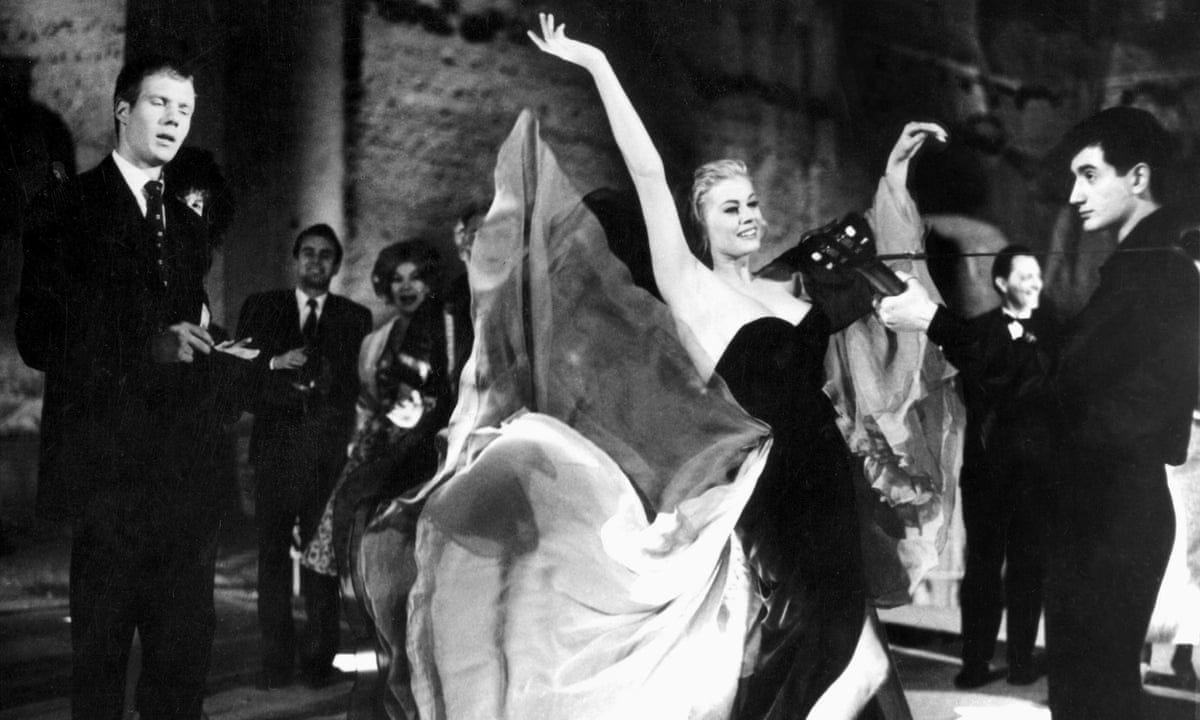
All of it created the spell and charm so called ‘La Dolce Vita’ — and ironically used by Fellini as a satirical expression of a decadent society in his iconic film, reflecting the shallowness of an endless pursuit of hedonism within Roman high society. Which, these days, many on social media still use as the same kind of buzzword for the same purpose: to tap into the romanticism of the aesthetic without knowing the ‘Why’ behind the sweet life that they cherish from Italian culture.
Again, I was not Italian-born, and I am far from having lived in the place for more than a year — and that is perhaps why I can see exactly what makes the idea of ‘Made in Italy’ — everything from street, architecture, design, drink, clothing, art — so alluring, so beautiful to immerse oneself in.
The thing is — there is a way to appreciate and integrate with Italian beauty without leaning into spectacle, or clinging to surface.
And it all starts by looking back to the period so called….
The Renaissance.
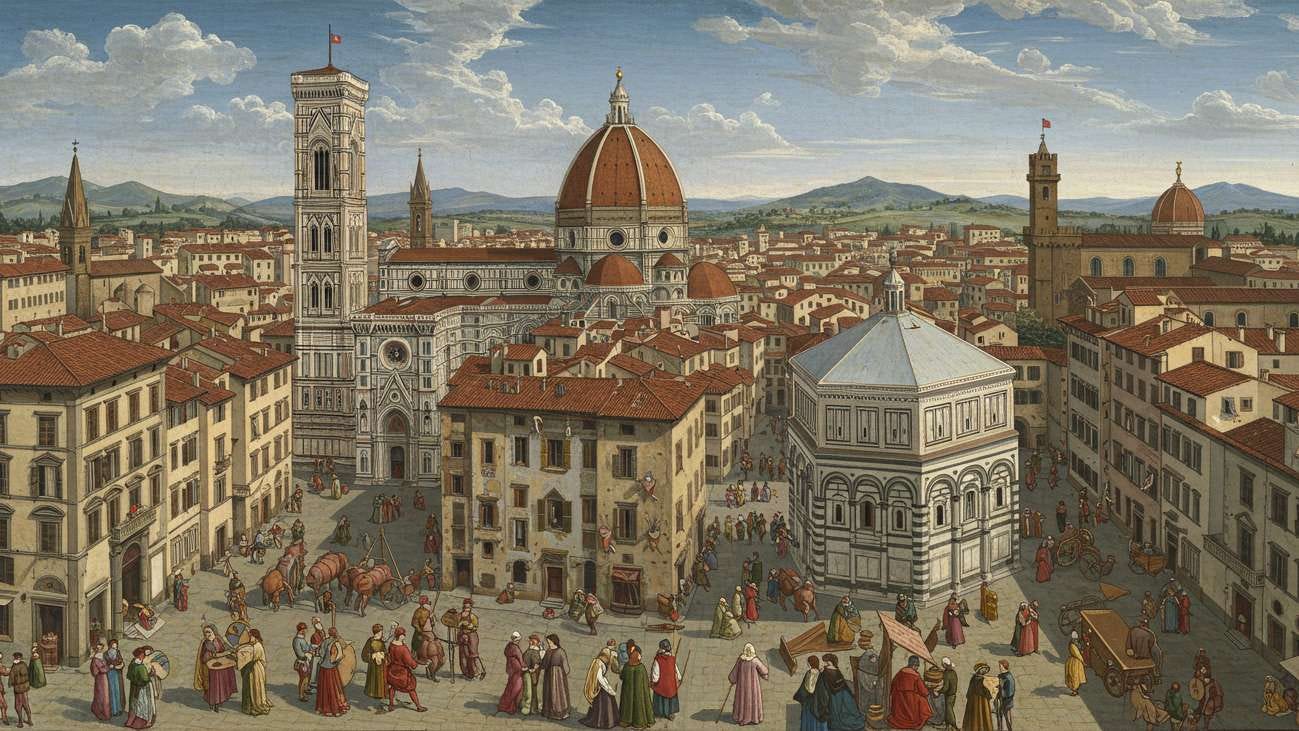
“Where the spirit does not work with the hand, there is no art.” — Leonardo da Vinci
It is no coincidence that whenever the term Renaissance is spoken, the first country or city that most would think of is “Florence, Italy.”
Before that period, much of European thought — heavily shaped by the Catholic Church — was oriented around abstraction. Truth was something universal, distant, often detached from lived experience. But in places like Florence, that orientation broke.
Suddenly, knowledge wasn’t something you derived from doctrine, but more of an engagement that connected directly with the world.
You see it in figures like Leonardo da Vinci, who didn’t just think about the human body — he dissected it, drew it, studied it obsessively. Or Michelangelo, who treated marble not as raw material, but as something containing form that had to be revealed through precision and force.
Even architecture shifted.
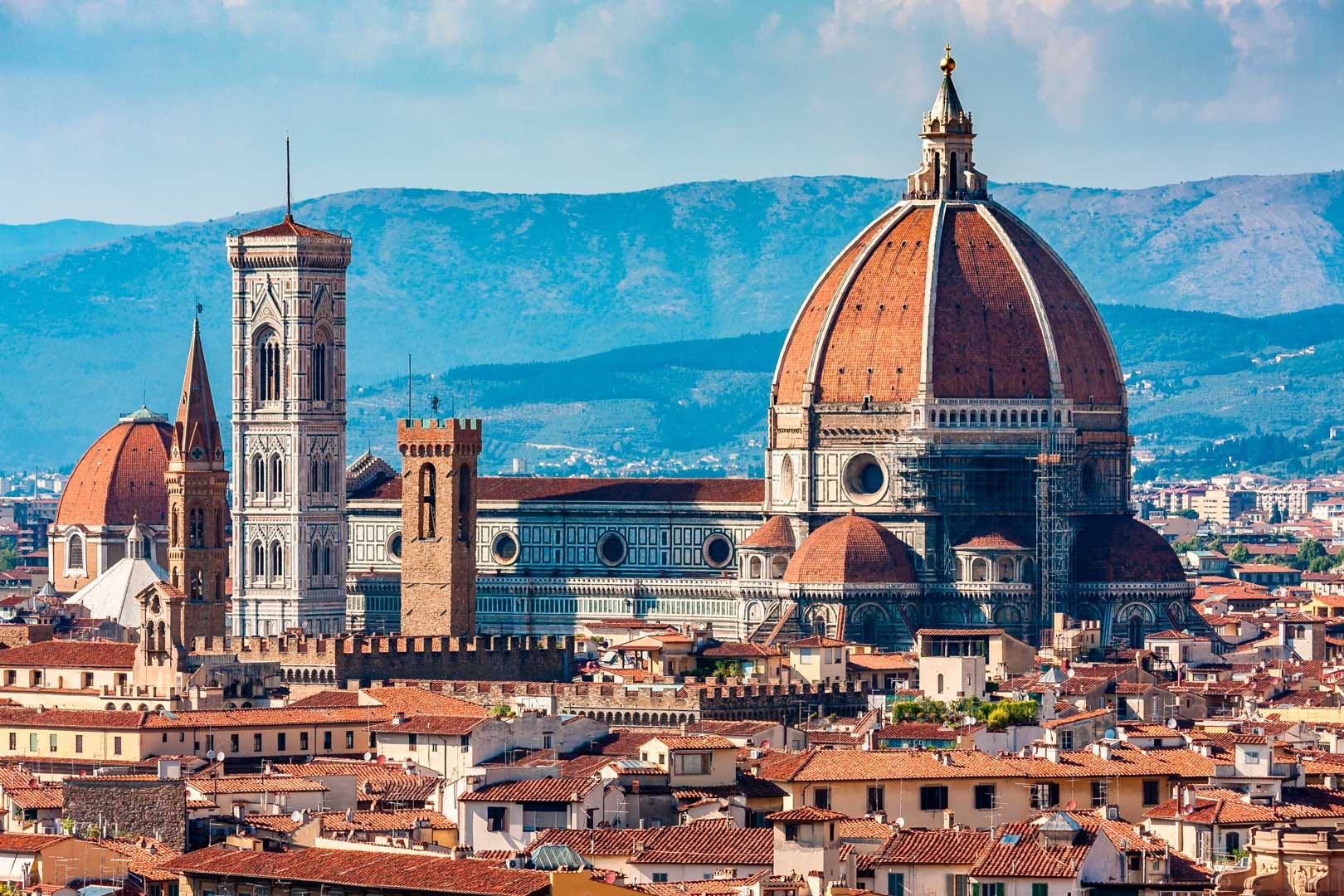
Filippo Brunelleschi’s buildings — from the great designer of the same period — were no longer based on abstract symbolism. The man engineered them through observation, proportion, and experimentation. Thus the Santa Maria del Fiore was built, and became one of the great symbols of Florence to this day.
Ladies and gentlemen, what emerges from all of this is a pattern dictated as: “truth is not declared, it is made.”
That’s the real foundation.
The Renaissance — beyond the romantic humanistic revolution — was about turning craft into a form of intelligence. Painting became a way to understand anatomy and space. Sculpture became a study of tension and movement. Even philosophy, through figures like Giovanni Pico della Mirandola — author of Oration on the Dignity of Man — stopped treating humans as fixed ideas and started seeing them as beings shaped through action and expression.
Now, here’s the interesting part.
Italy at the time wasn’t even a single nation, so there was no central ideology dictating direction. Instead, there was rivalry, patronage, and constant experimentation.
Families like the Medici didn’t fund art because of some national mission — they did it for influence, prestige, and power. But the result was explosive creativity. Each place developed its own language, its own standards, its own interpretation of excellence. Reflected through the ‘tone of various cultural landscapes’ that vary vastly from North to South, from Milan to Naples.
That fragmentation is the key of enrichment.
Because what it produced was depth — a refusal to flatten reality into a single system.
When you look at what we call ‘Made in Italy’ — whether it’s fashion, food, or design — you’re not seeing a modern invention. You’re seeing the continuation of that Renaissance logic. The idea that something gains value not from efficiency or scale, but from attention, from judgment, from the trained sensitivity of the person shaping it.
This is why Italy often appears contradictory from the outside.
It produces extraordinary beauty, yet struggles with large-scale organization. It values tradition, yet constantly reinvents form. It resists standardization, even when standardization would make things easier.
But that’s a beautiful trade-off.
Because that is what allows the culture to prioritize lived experience over abstract optimization, human scale over systemic efficiency, and embodied knowledge over theoretical clarity.
All of which can be seen in style, cinema, art, and life.
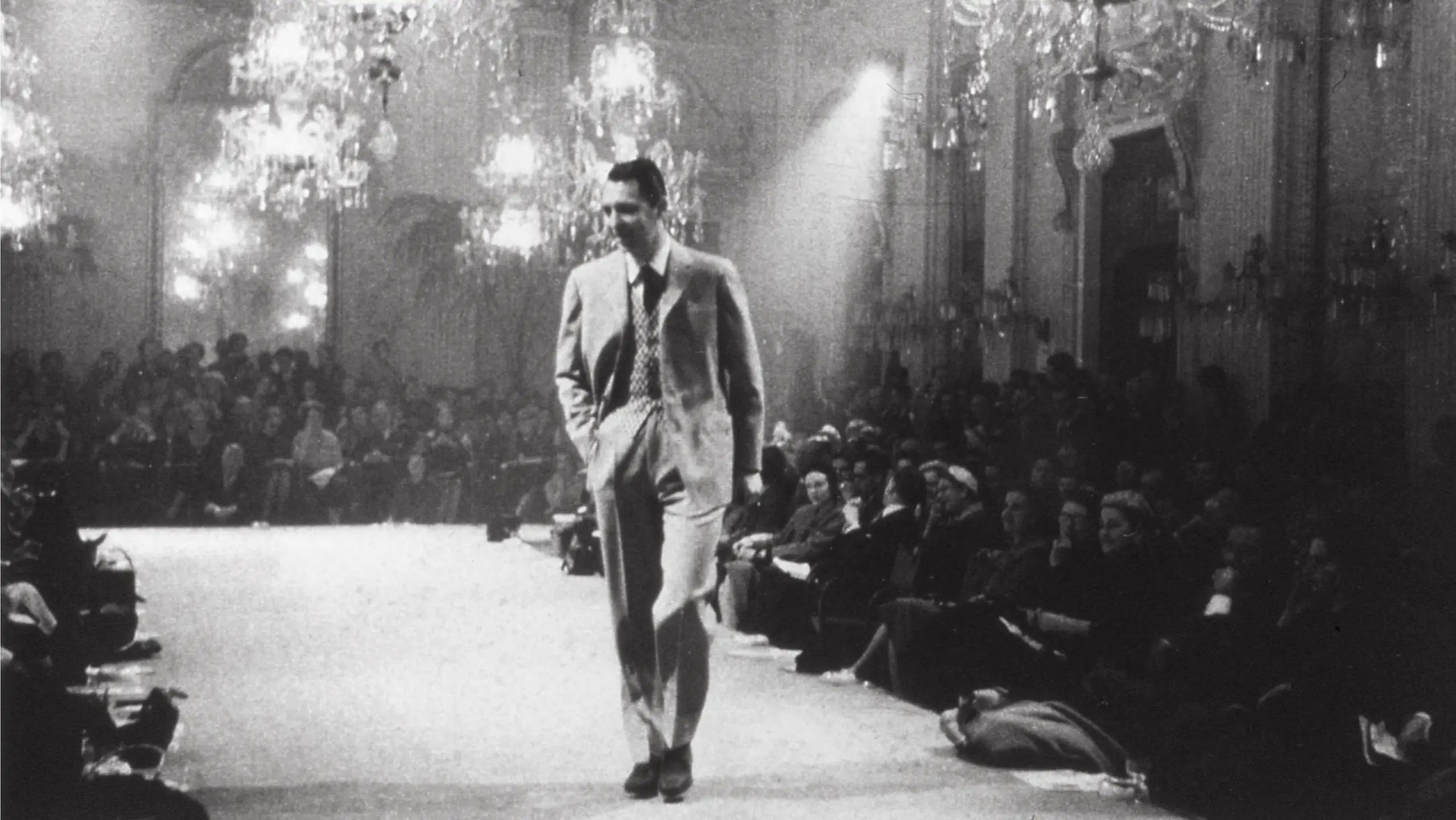
When this ‘Made in Italy’ mindset — this insistence on lived texture over abstract systems — moves into style, it completely rewrites what clothing is supposed to do. In most industrial cultures, clothing becomes a system: standardized sizing, seasonal trends dictated from above, efficiency in production. Making the act of putting garments onto the body more utilitarian than anything else.
But that’s not Italy.
Whether through tailoring houses like Rubinacci from Naples, Brioni from Rome, and A. Caraceni from Milan — each representing an identity rooted in the micro-subculture of the city it originates from — or through high fashion labels like Giorgio Armani, Max Mara, Brunello Cucinelli, and Valentino Garavani, they have turned the idea of style into something else entirely. More of a dialogue between the body, the fabric, and the environment.
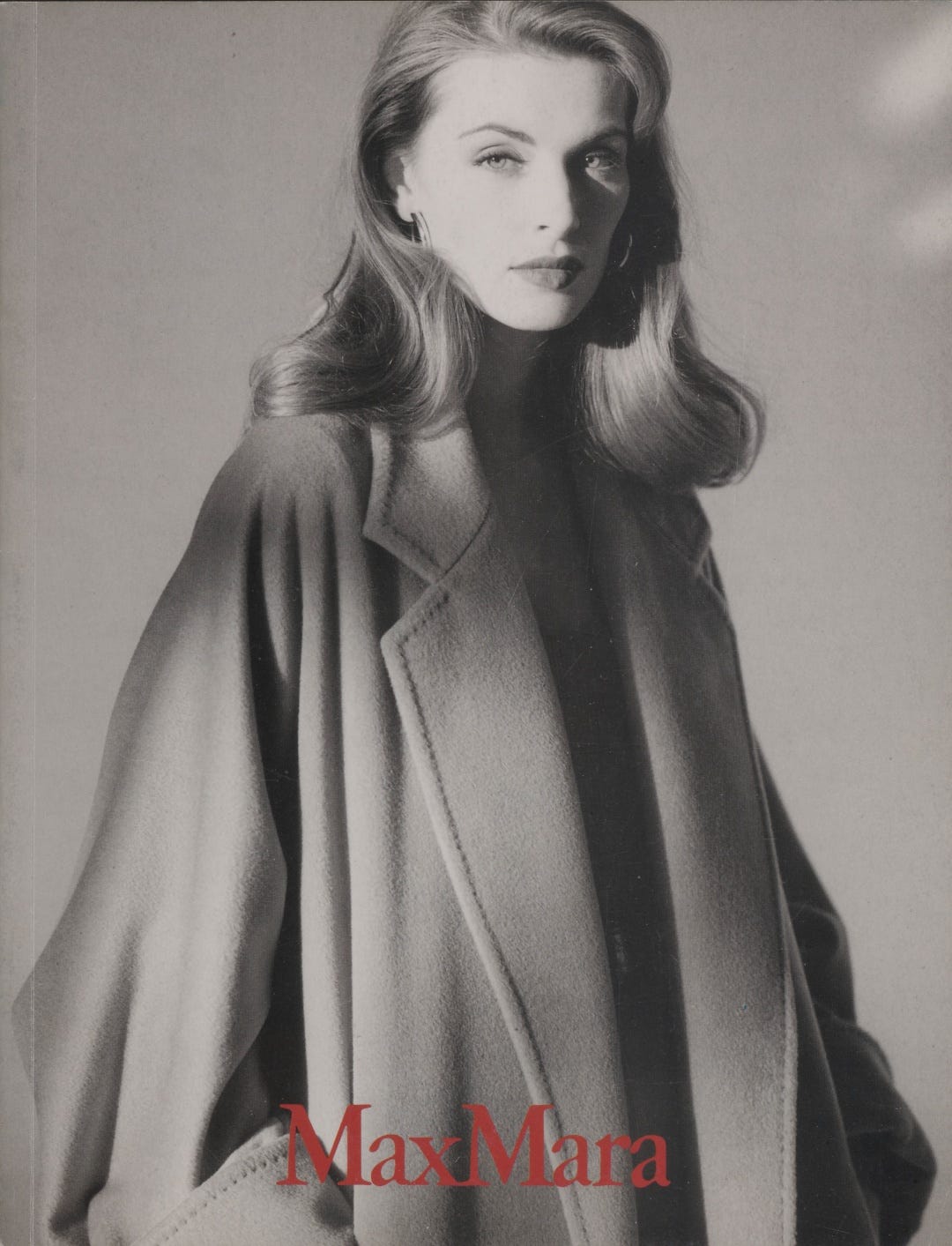
And this is where the label ‘Made in Italy’ behind a fabric means something. Not just a high industrial standard or a superior material that the country is known for, but more because the garment is shaped through touch, adjustment, and sensitivity. That’s why Italian style feels alive, instead of imposed. It doesn’t dominate the wearer; it collaborates with them.
And globally, this redefined luxury.
True elegance stopped meaning rigid perfection, and started meaning ease, movement, and a kind of unconscious precision.
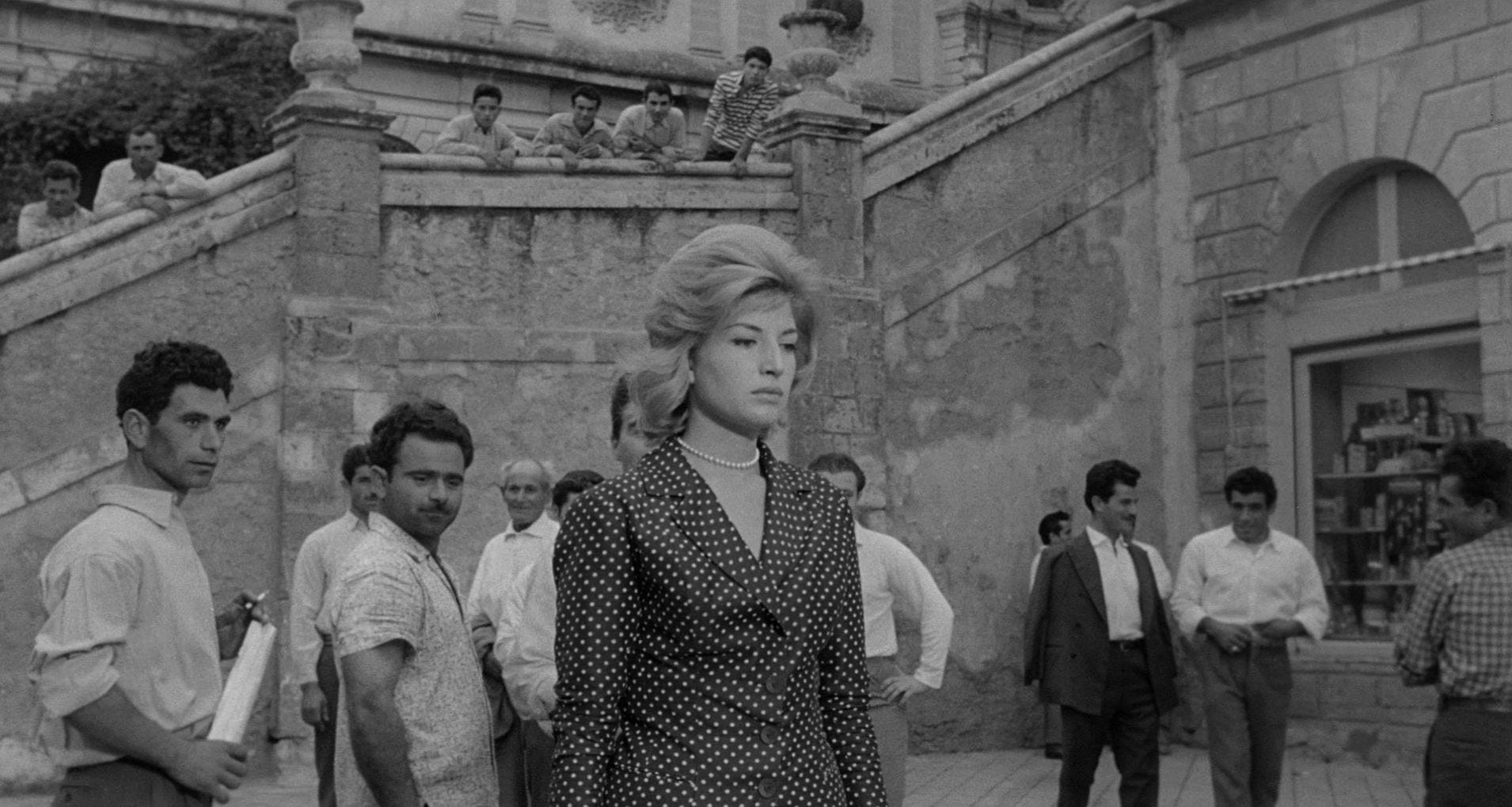
When that same mindset of lived experience and rich texture enters cinema, it dismantles the very idea of storytelling as a clean, engineered structure.
Directors like Federico Fellini and Michelangelo Antonioni rejected the assumption that stories need resolution, clarity, or even coherence in the traditional sense. In films like La Dolce Vita or L’Avventura, what you get is not a plot that moves forward efficiently, but a sequence of experiences — fragments of life, ambiguity, silence, disconnection — wrapped in the melancholic beauty of cinematography and iconic faces.
This influenced global cinema in a profound way.
It opened the door for filmmakers everywhere to treat film not as narrative machinery, but as a medium of perception. You see its echoes in modern art-house cinema, in slow cinema, in directors who prioritize mood over plot.
What Italy did — especially during post-WWII — was expose the artificiality of tightly structured storytelling and replace it with something far closer to how life is actually lived: messy, unresolved, and deeply subjective.
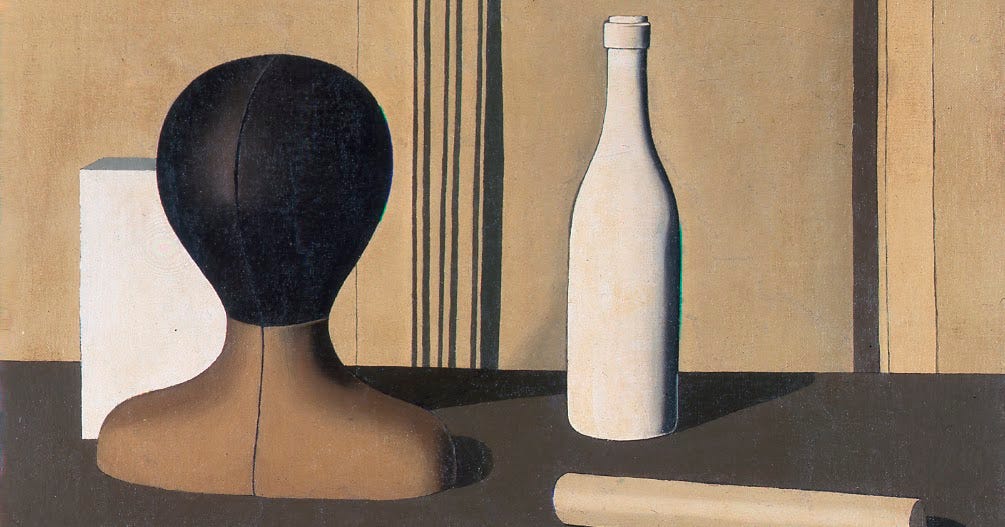
And in art, this influence runs even deeper, because it begins at the level of how reality itself is understood.
From the Renaissance onward, Italian art refused to treat beauty as an abstract ideal. Through figures like Leonardo da Vinci and Michelangelo, art became a form of investigation — a way of understanding anatomy, space, tension, and proportion through direct engagement.
That shift changed Western perception entirely.
It established the idea that truth could be pursued through making, through material, through the eye and the hand — not just through philosophy or doctrine.
And that legacy still continues.
Whether in classical painting in Venice, modern design in Milan, or contemporary visual culture as a whole, the Italian influence insists that form and meaning cannot be separated — that beauty is not decoration, but a way of knowing.
Everything we’ve been talking about — Renaissance craft, tailoring, fragmented city-states, distrust of abstraction — it all converges into one line:
“Life is not something to solve. It is something to experience, interpret, and compose.”
In other words: La Dolce Vita.
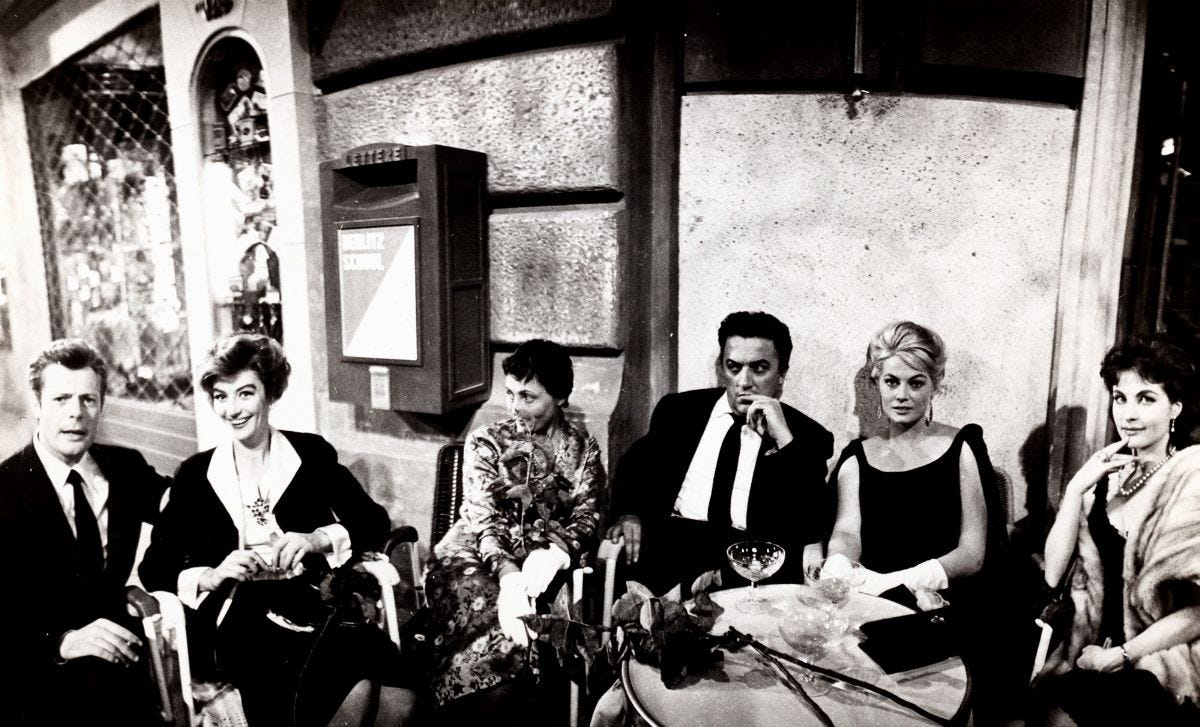
There is no coincidence why, after Post-WWII, Italy did not go the route of rigid reconstruction — efficiency, industrial identity, clean systems — like Germany.
Instead:
Cafés filled again
Streets became stages
Fashion, film, and social life blurred together
Especially in Rome.
However — beyond the picture-glamour of late nights, beautiful people, effortless elegance — it has something to do with more than just indulgence or pleasure.
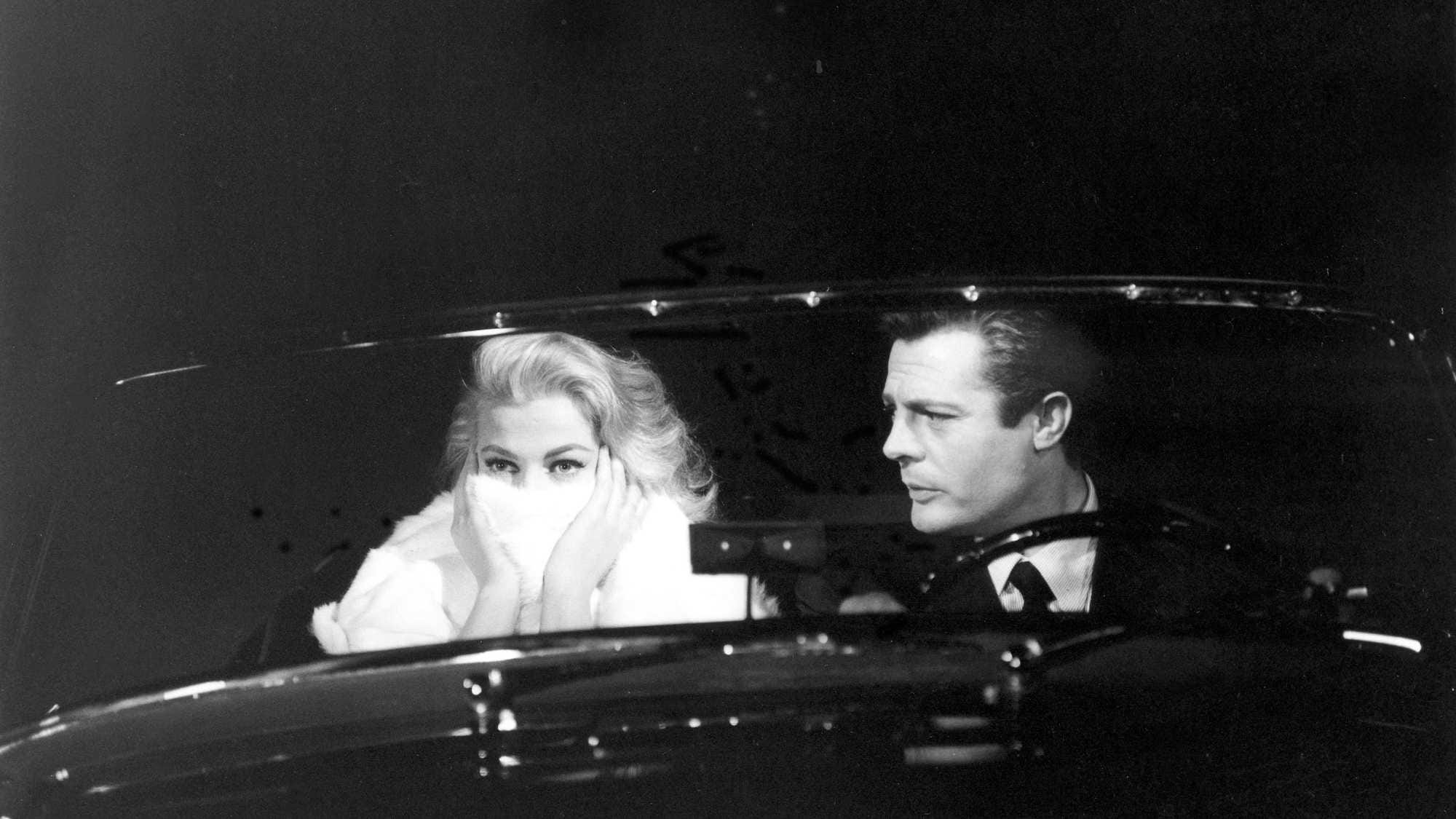
What Federico Fellini captured in La Dolce Vita — or, the actual ideology behind the term — was far from a lifestyle to admire. It was a deeper cultural instinct made visible: the idea that life is not something to be tightly structured, solved, or reduced into clean narratives, but something to be experienced as it unfolds, in all its ambiguity and contradiction.
This is where everything we’ve discussed converges.
The same mindset that shaped Renaissance art — where truth was pursued through making rather than abstract theory; the same instinct behind Italian tailoring and fashion design — where garments are shaped through the body rather than imposed by rigid templates; and the same logic in Italian cinema — where meaning emerges through moments rather than plot — all of it leads naturally to this way of living.
La Dolce Vita is simply what happens when a culture fully commits to lived experience over imposed order.
Instead of forcing life into rigid structures, it allowed life to re-emerge socially, aesthetically, and emotionally.
Allowing the immersion of life, where the society leaves room for people to move through moments without clear resolution — searching, drifting, experiencing.
Allowing life to remain complex, unresolved, and sensorial, rather than forcing it into clarity too quickly.
What Italy reveals, more honestly than most cultures, is that when you choose to live through experience rather than control, you gain depth — but you lose certainty.
La Dolce Vita is that trade-off, fully exposed. And yet, still seductive.
That’s why Fellini’s film of the same name can somehow trick the watcher into longing for the era and the life portrayed through Marcello Rubini, no matter how drifting and empty it is.
That’s why Luxury — for all its driving of desire and hunger for status — is still ‘romanticized’ in Milan, and hailed there as its own stage, for decades.
And that’s why the idea of ‘Made in Italy’ objects means something more than just craft and construction. It is a texture of life that you can sense — just by recognizing that this object, this art, this idea, this entity, came from ‘Italy’.
Most people mistake Italian beauty for ease. It is, in fact, the residue of discipline they no longer see. What Italy reveals—more honestly than most—is that a life shaped through experience rather than control produces beauty, but never certainty.
The mistake is not in admiring La Dolce Vita.
The mistake is believing it was ever effortless—or even entirely sweet.