


There’s something special about the Continent. Centuries-old architecture, a deliberate tempo of life, and the fact that you can wear tailoring without the need to apologize — even though most are no longer receptive to the style.
The image I had, even before stepping into the heart of Lombardy, was the idea of a black overcoat, a navy suit, and footwear with a buckle. And I was right. That’s the visual of Milan’s sartorial scene.
Dark monotone color palette
Leather footwear with a buckle
Cuffed trousers (no matter the silhouette or break length)
Sunglasses even on a cloudy day
Elegance as the expected standard
Here, everything I used to perceive as an extra mile suddenly turned into the ordinary language of how people dress on just another Wednesday. This made me wonder about a bigger question: “What makes Milan have this exact sartorial aspect that seems ingrained into the soul?”
Even in 2026, Milan is a city where tailoring has gone out of the mainstream norm and is worn mostly for specific occasions — yet when one chooses to embrace it and walk within the city centre, whether among tourists around the Duomo or in local districts like Corso Indipendenza, he won’t feel out of place.
The investigation probably starts best when we look at the root of the issue: “Who defined how we should dress?” Because one way or another, style and way of life — they’re always connected.
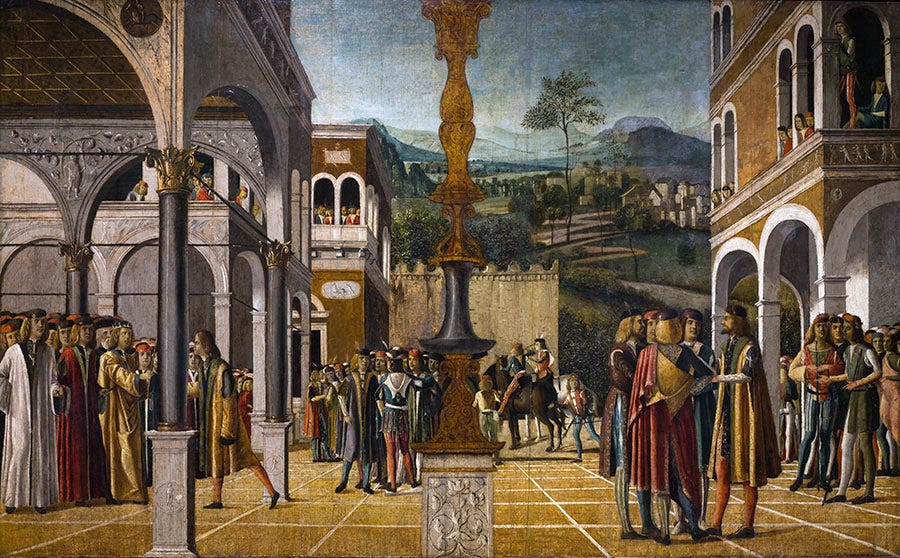
Since very ancient times, the purpose of clothes has been much more than merely to regulate body temperature. The shaman and his wolf skin, the Roman emperor and his grandeur attire, the aristocracy and their way of showing distinction in social class. Behind every garment, there has always been a symbol of meaning, reflecting the human side of life. In the case of Milan, I want you to look at a brief historical narrative of the city.
Back in the 15th and 16th centuries — the Renaissance period — fashion became a reflection of courtly power. Italian city-states like Florence, Venice, and Milan were epicenters of taste. What one wore was dictated by laws: legal restrictions on garments based on class and income. In other words, clothing was literally policed.
And who defined how people dressed then? The aristocracy — and their tailors.
These craftsmen were not mere artisans crafting for craft’s sake, but artists who understood social codes. They laid the groundwork for the modern tailor’s role: not just to fit a garment, but to sculpt identity.
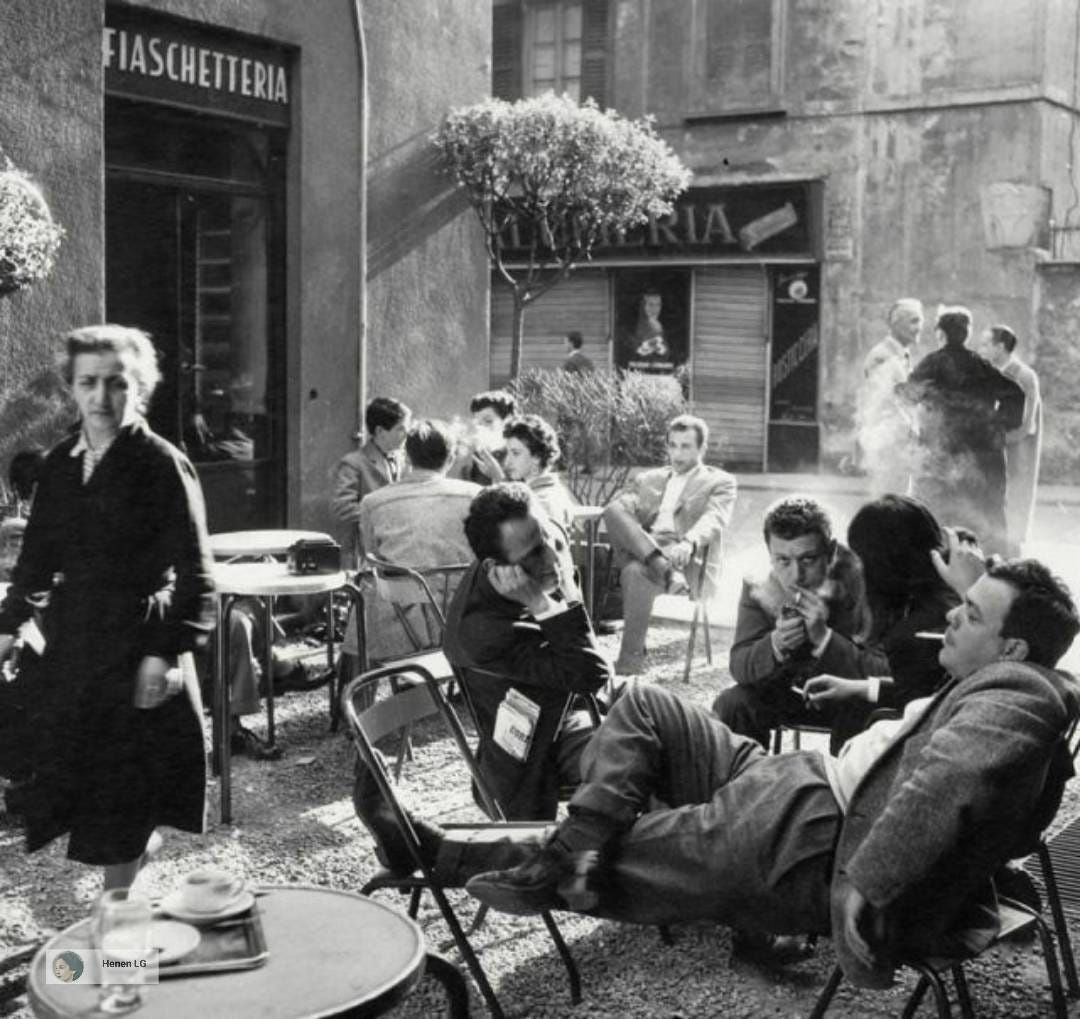
By the 19th century, with the Industrial Revolution and the final unification of Italy in 1861, Milan became a symbol of modernity. Tailoring moved from the courts to the bourgeois class on the streets. Of course, with British influence giving the world the template of the modern suit — but Italians refined it, injecting softness, sprezzatura (a philosophical term coined by courtier Baldassare Castiglione), and flair into the garment.
Since then, Milan became central: a hub where business, industry, and subtle elegance converged. And unlike the more flamboyant Neapolitans or Roman exhibitionists, Milanese style evolved into a uniform of quiet confidence — navy suits, grey flannels, black overcoats. All signaling understatement, control, and purpose.
After WWII, Milan became the capital of Italian prêt-à-porter — ready-to-wear fashion. The city no longer just followed style; it set the tone and then produced it. From Giorgio Armani’s unstructured suits of the 1980s, which turned the Milanese businessman into a global archetype of power and cool, to Brioni (originating from Rome, but gaining prominence in Milan), which gave Pierce Brosnan’s James Bond his silhouette, to Zegna, which refined the textile narrative of the industry.
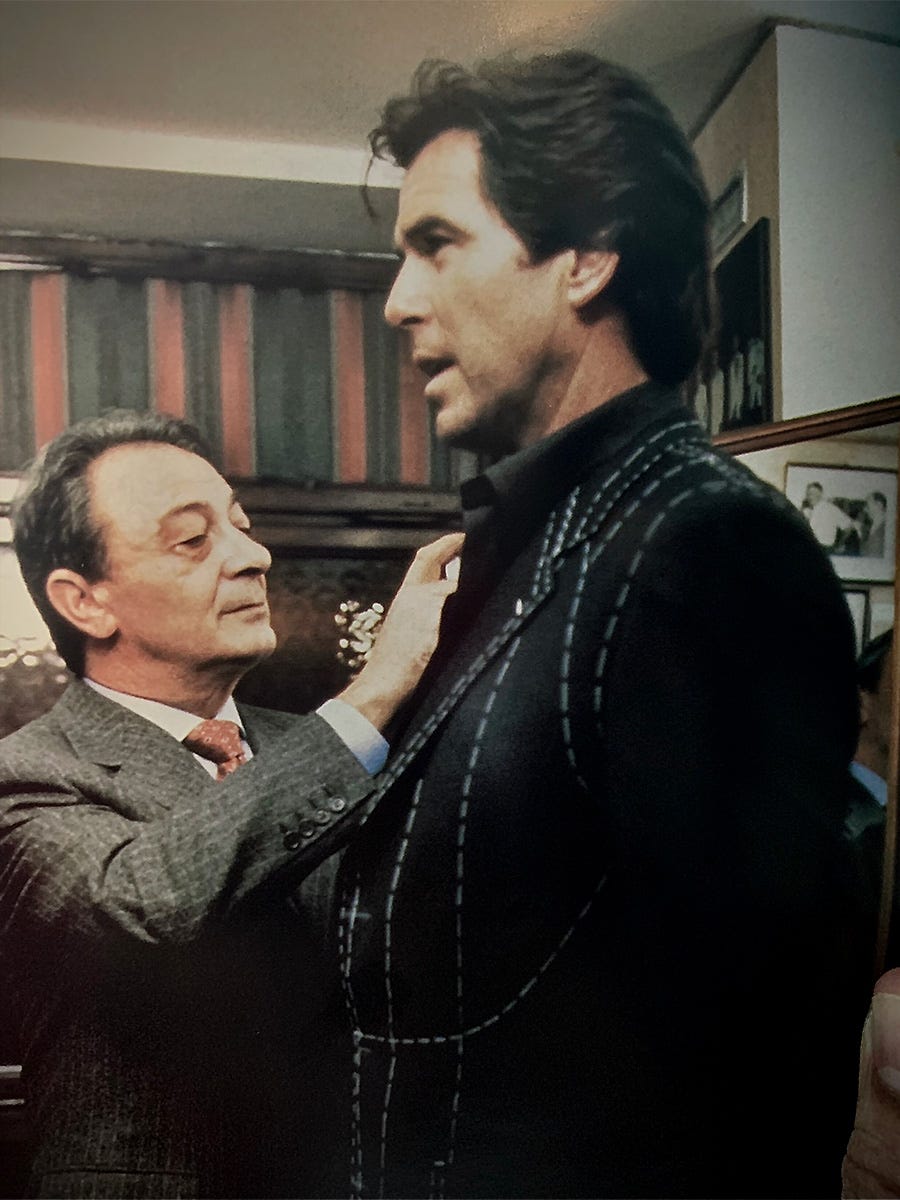
So even as designers and industrial magnates began shaping how the world dressed, in Milan, that sartorial essence remained constant. Tailoring here was never abandoned; it evolved without discarding its roots.
That said, in 2026, while tailoring is no longer a mainstream uniform for men, in Milan, it never needed to be. Because here, style is cultural muscle memory. The citizens have absorbed generations of proportion, restraint, and refinement. It isn’t about rules anymore, but rather a language — a shared dialect of dress.
With all this narrative, the way one dresses, we can assume, has always been defined by:
The ruling class of the era (nobility, bourgeoisie, business elite)
The local climate — both literal and cultural
The craftsmen/designers who interpreted aspiration into cloth
And most importantly, the city’s collective memory
That’s why in Milan, with its centuries-old heritage — even if only considered Italy’s modern “capital” from the mid-19th century — the language of style has always leaned toward discretion, craft, and elegance in detail, without the loudness of the individual.
Now the matter of interest is this: “Why can some cities simply not achieve the same sartorial fluency?”
As mentioned earlier, a city’s collective memory plays a huge role in dictating this — one accumulated over centuries through social norms and culture. With that in mind, I’d like you to consider these places:
Los Angeles
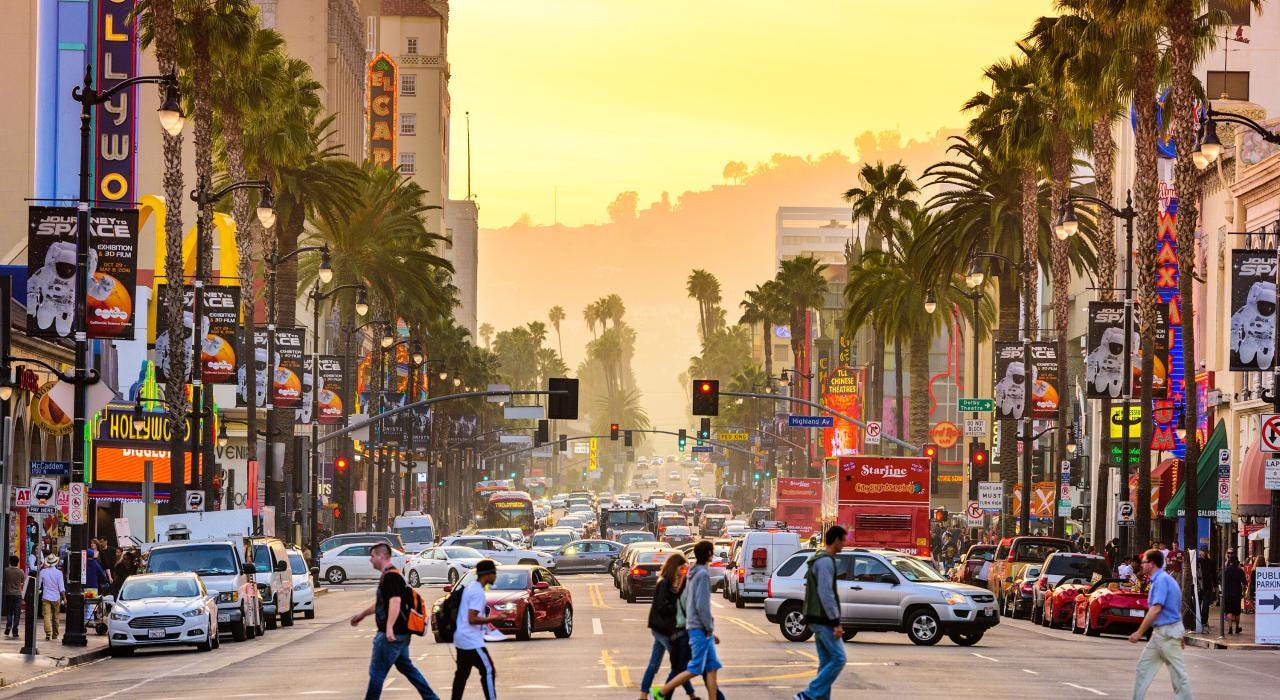
Hollywood. Glamour. Yet also a place of performance ingrained into every aspect of life — rooted in youth, physicality, celebrity, and creative nonchalance — where tailored garments suggest aspiration rather than legitimacy. The climate reinforces this psychology: an exterior, sun-drenched city that favors immediacy over layering, comfort over structure. Sartorial expression exists as costume, red-carpet armor, or niche connoisseurship, but never as a civic language. And without a social moment where a man must learn how tailoring works, fluency cannot form.
Tokyo
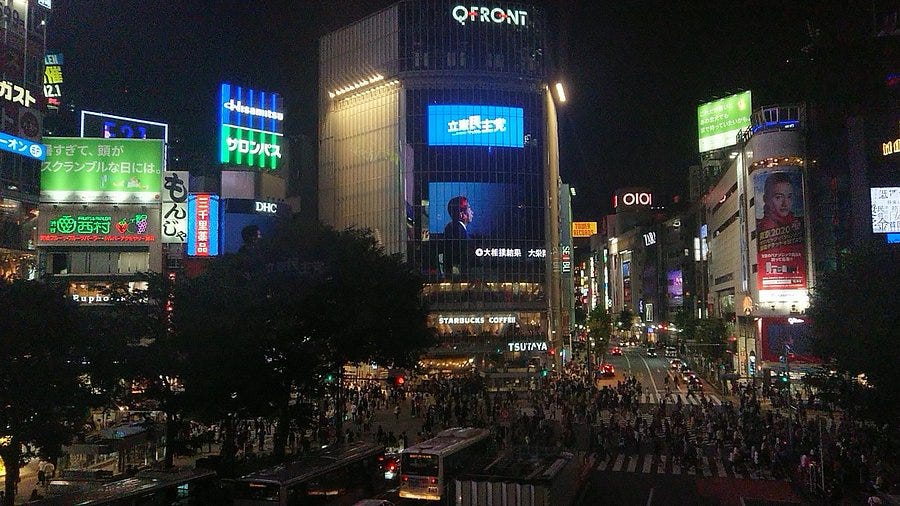
While the city absolutely possesses extraordinary technical mastery of tailoring, it remains constrained by its position as a student rather than an author of the tradition — seen through the many Japanese tailors who flew to Italy in the late 20th century, whether to Florence or Naples. The suit entered Japan as a tool of modernization, not as an organic expression of a native bourgeois elite, which made tailoring an act of reverence, precision, and study. Japanese sartorial excellence is often archival and referential — British, Italian, Ivy — executed with almost moral seriousness.
What is missing is unconscious authority. In Milan, tailoring is worn because it is normal; in Tokyo, because it is correct. That subtle difference keeps tailoring elevated, admired, and immaculate — but never fully absorbed into everyday social instinct.
Bangkok
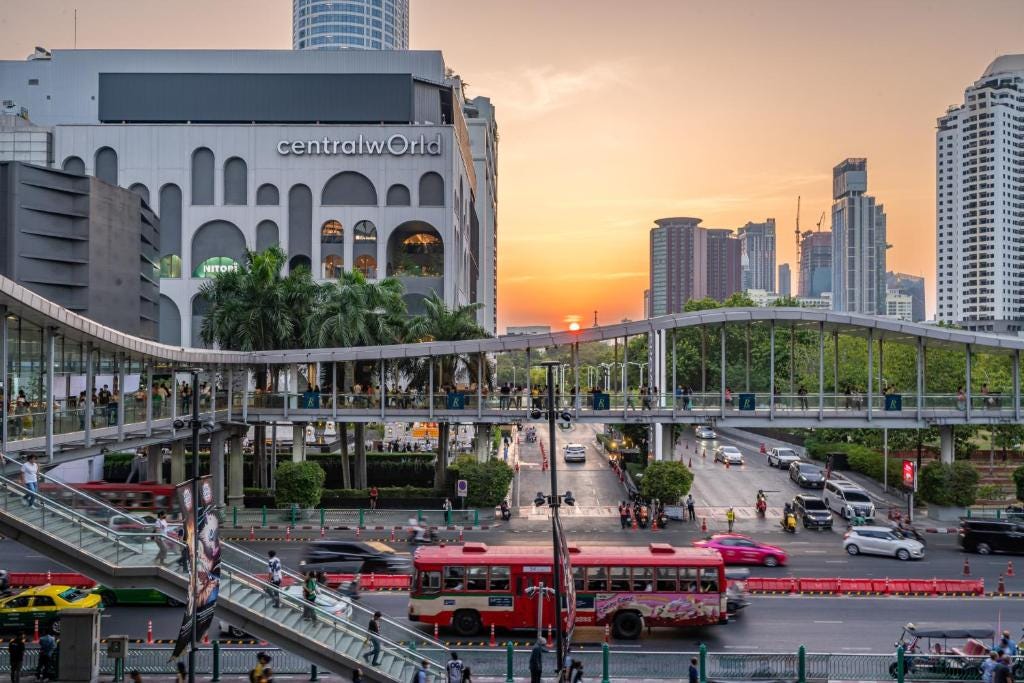
Now comes a tropical paradise. Yes, the weather is unforgiving — but there’s a deeper reason: interrupted continuity and the absence of a long-standing civilian tailoring culture. Historically, power in Thailand expressed itself through royal, military, and traditional dress rather than Western tailoring, which arrived later as bureaucratic necessity and a global business uniform. Combined with a climate that presents a genuine physical objection to daily tailoring, its ability to become habitual was limited. Meanwhile, the city’s modern identity is fast, forward-facing, and visually exuberant rather than cumulative and ritualistic.
That’s why fashion truly thrives in Bangkok — including luxury — but tailoring, which requires slowness, repetition, and generational memory, never had the time nor the conditions to become a shared sartorial dialect.
That said, I would not say that you cannot wear tailoring in these cities or beyond with elegance. Because if the core idea of elegance is about ease — both within oneself and toward others — then all you need is to decode the nature, the language of style of each city and attune yourself to it, without compromising the virtues you hold onto.
Let’s make this practical. Take Tokyo.
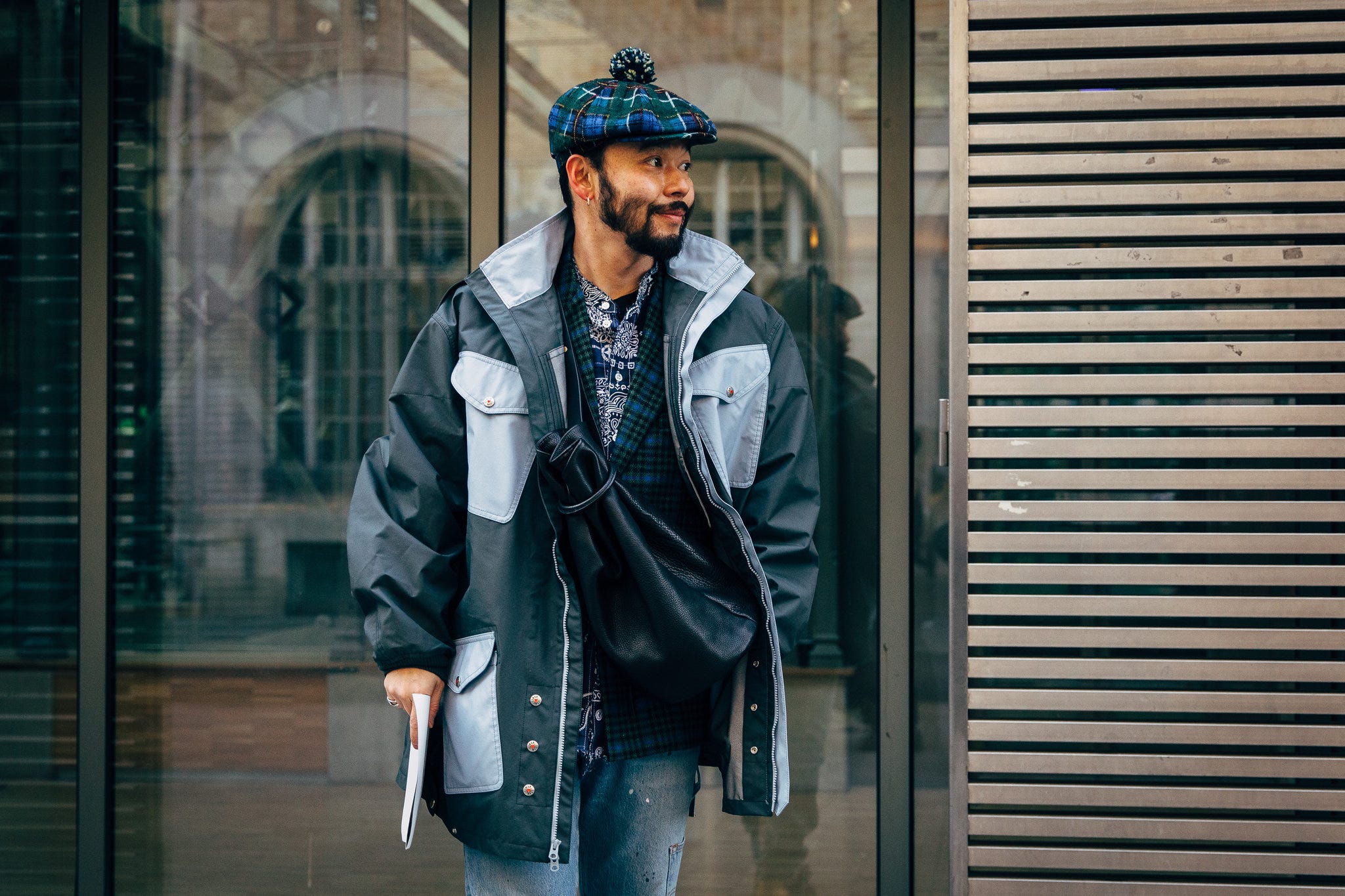
If you’re familiar with the city, you know that dynamic is a key defining characteristic. People are always moving, always doing something — whether moving forward, staying in place, or feeling nostalgic about the past. It is always an act of motion. That’s why it’s no coincidence that when you search “Tokyo fashion” today, you’ll see a vast range of styles: streetwear, avant-garde design, pure sartorial, Ivy throwback, or “best” — all combined into one.
Which means tailoring can certainly be in touch with Tokyo, as long as it isn’t strict to tradition, but instead embraces movement, dynamism, and combination within a single ensemble. That’s why the visual of a baseball cap with an OCBD and chinos, topped with a vintage military jacket from the ’60s and finished with chunky fashion loafers — while it might be “too much” for London, Milan, or even Kyoto (Japan’s traditional cultural city) — feels perfectly aligned with Tokyo.
The same applies to Bangkok, Los Angeles, or anywhere else. As long as you’re aware of the tone, the language, and how people live — the collective memory of each city — then integrating your sartorial flair, or style as a whole, can absolutely achieve elegance.
It might sound like a hardened abstract idea to crystallize the essence of a city into a definition and directly inject it into style consideration. But if I had to give you my exact “know-how,” gathered here in Milan, it would be this: walk into the city, look at how people dress, and feel the atmosphere. It’s the combination of people, buildings, city colors, and weather.
All of this leads to one thing: the need to slow life down. To be aware of the world circling around you and to ask yourself, “How can I attune to this city without losing who I am?”
When that balance is achieved, elegance follows — quietly and effortlessly.