


It has been five months since I came back to the city so called tropical paradise — Bangkok.
And it has begun to consume me again.
My relationship with this city is ‘a place that bombards me with social-class comparison, status anxiety, the materialist game.’ And no matter how much I want to break free by sprinting to the top — so that those factors affect me no longer — it feels like swimming in a closed pond. Domestically capped. No hope of breaking through. No way of becoming the person I want to be from inside it.
The lens the city forces me to adopt is that of a player in a never-ending game that was somewhat rigged from the start.
However, earlier this year, between January and March — the late winter of Europe — I was in Milan. I visited Vienna. A day trip to Rimini. Portofino. And my mind, somehow, operated differently. I began to see the world, and to hold a different relationship with the environment around me, in a way I never had before.
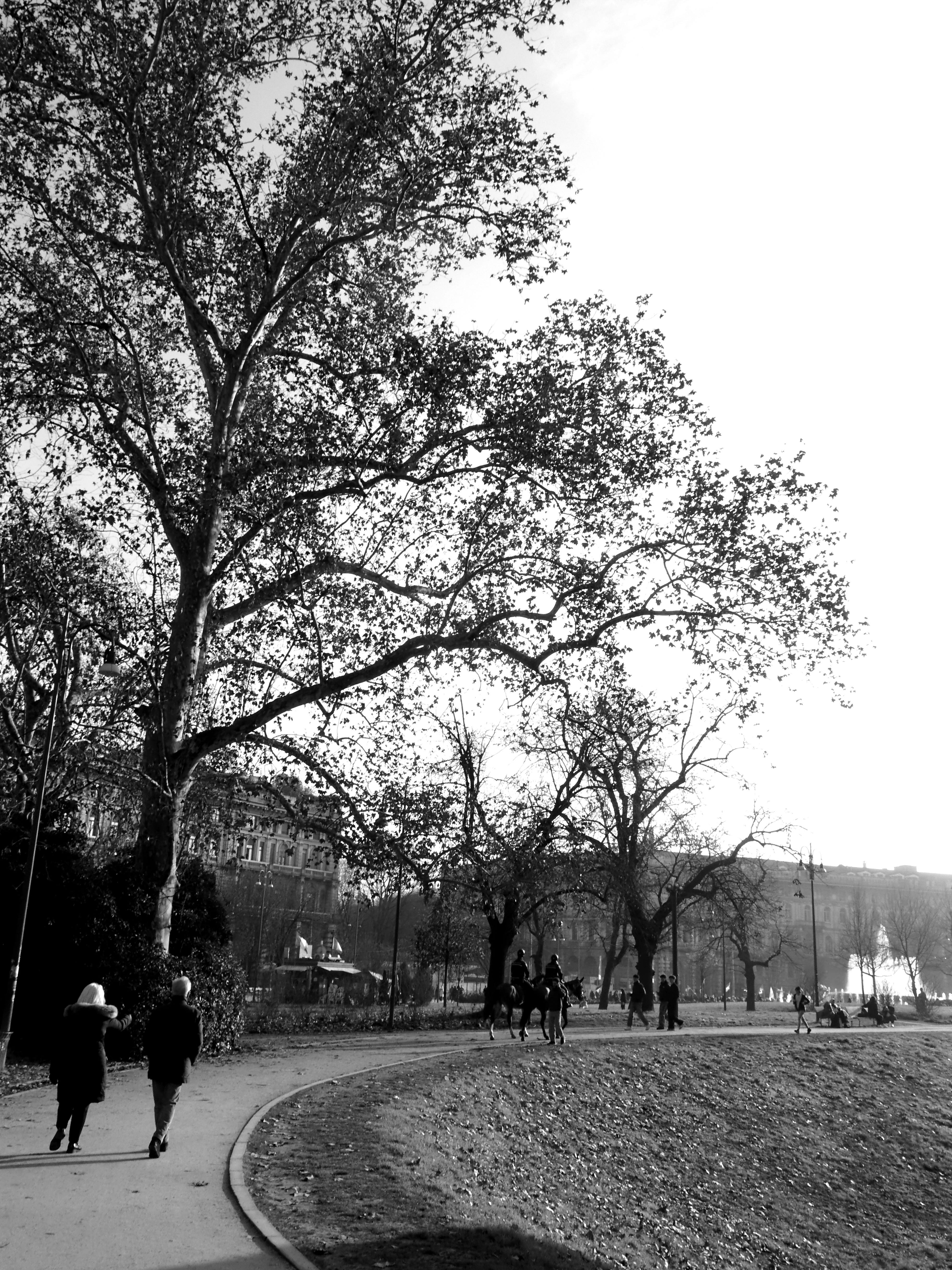
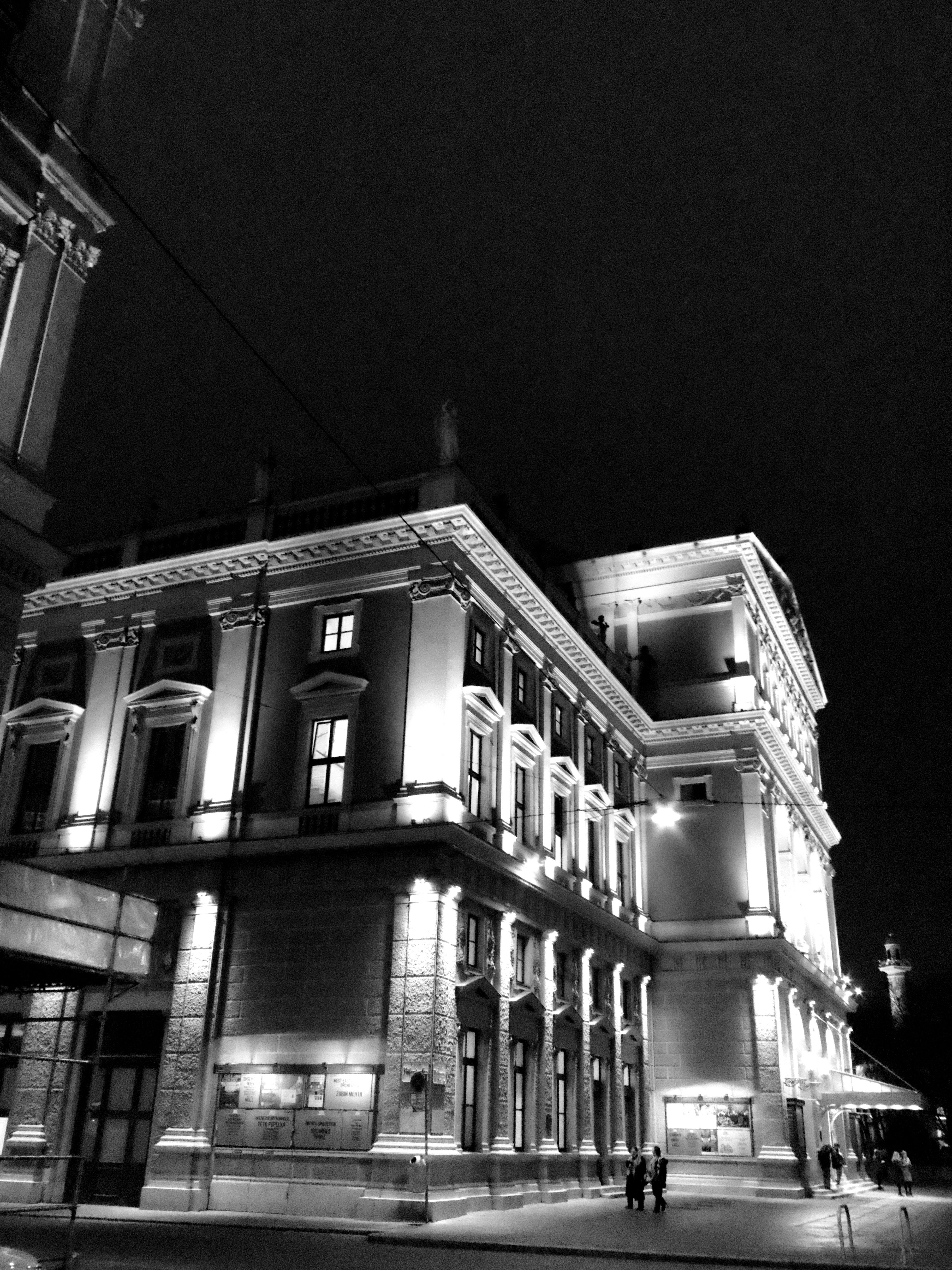
I still remember the first moment I dropped my luggage at an apartment on Via Pasquale Sottocorno. Putting on my black tailored Prada jacket, a cashmere Renoma scarf, a camel overcoat — and walking into the heart of the city, through San Babila to Via Montenapoleone.
The more I walked that same route, week by week, the more something shifted. By the time I flew back to Bangkok in March, I was able to see this metropolis differently for the first time.
Suddenly the walk along Bangkok affluent area like Langsuan Road or Central Embassy — a place that contained every archetype I used to feel inferior to — no longer produced that feeling.
I began to see clearly the concrete objectivity behind status anxiety. To see through the illusion of luxury and consumption, which suddenly seemed insignificant in magnitude compared to Montenapoleone.
The entire six weeks in the heart of Lombardy—even in a role far removed from the typical “local habitat”—was far from the experience of a typical tourist or a fleeting visitor, content to soak up the romance, indulge in the finer things, and leave without ever seeing the place’s raw nature.
It was a period of cultural immersion, experienced through the eyes of an observer at its finest.
Then almost half a year passed.
And with my mind, my body, and my spirit placed back inside the very same apartment, the same destinations, the same tempo of life I have known for over two decades — the very same programming has installed itself into me again.
The same old perspective. Player rather than observer.
That is what is currently inside me.
Which leads to this dispatch. On how a city — I may argue — dictates one’s life trajectory more than any other factor ever will.
And if you are able to fully accept that, and then do something about it, a pathway toward a great life may be closer than it was before.
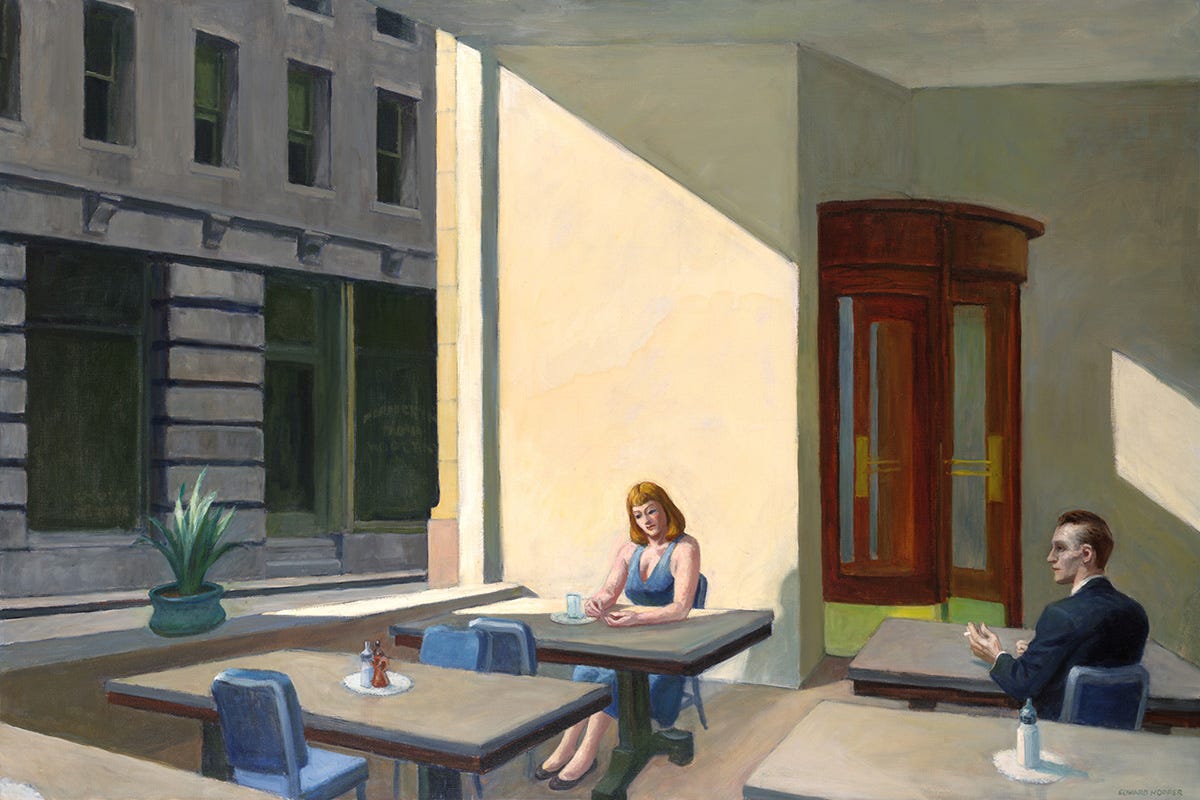
“The deepest problems of modern life derive from the claim of the individual to preserve the autonomy and individuality of his existence in the face of overwhelming social forces, of historical heritage, of external culture, and of the technique of life.” — Georg Simmel, The Metropolis and Mental Life (1903)
We often talk as if the human mind exists independently of its surroundings — as though personality, motivation, and identity were properties we simply carry around inside our heads.
Modern psychology and neuroscience paint a different picture.
The brain is not a detached computer processing reality from a distance. It is a prediction and adaptation system, constantly calibrating itself to its environment. Every day, the places we inhabit provide thousands of cues — architecture, noise, pace of life, language, social norms, advertisements, the people we encounter, even the routes we repeatedly walk.
These cues shape what our attention notices. Which emotions become easier to access. Which memories are activated. And which version of ourselves becomes most available.
Over time, the brain learns what a particular environment demands — and becomes increasingly efficient at producing the mindset that helped us navigate it before.
This is why returning to a childhood home can evoke emotions you have not felt in years. Why people slip back into old family roles during the holidays. And why moving to a new city can feel like becoming a different person.
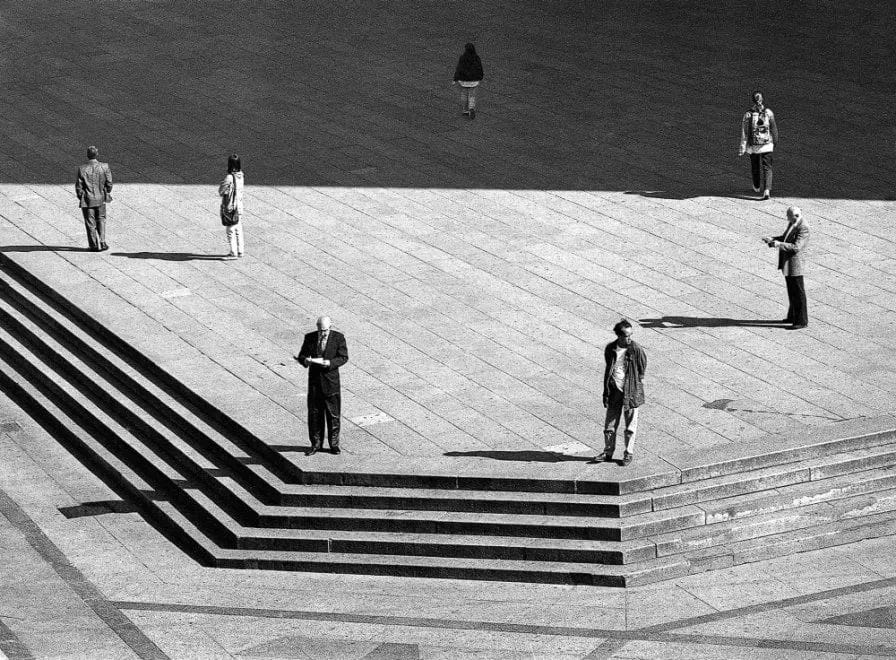
Cities are powerful because they are not neutral collections of buildings. They are dense ecosystems of repeated psychological signals.
Every city rewards certain behaviours, values, and identities more than others. New York implicitly rewards relentless ambition, networking, competition, visible success. Florence rewards craftsmanship, public life, leisure, artistic expression, community.
And because humans are profoundly social creatures, our brains continuously compare us with the people around us — to determine whether we belong, whether we are succeeding, and what goals we ought to pursue.
This process is largely automatic. You do not wake up deciding to compare yourself. Your brain does it because, throughout human evolution, understanding your position within a group was closely tied to survival.
The modern city amplifies this ancient mechanism by surrounding us with constant, highly visible signals of wealth, beauty, status, and success.
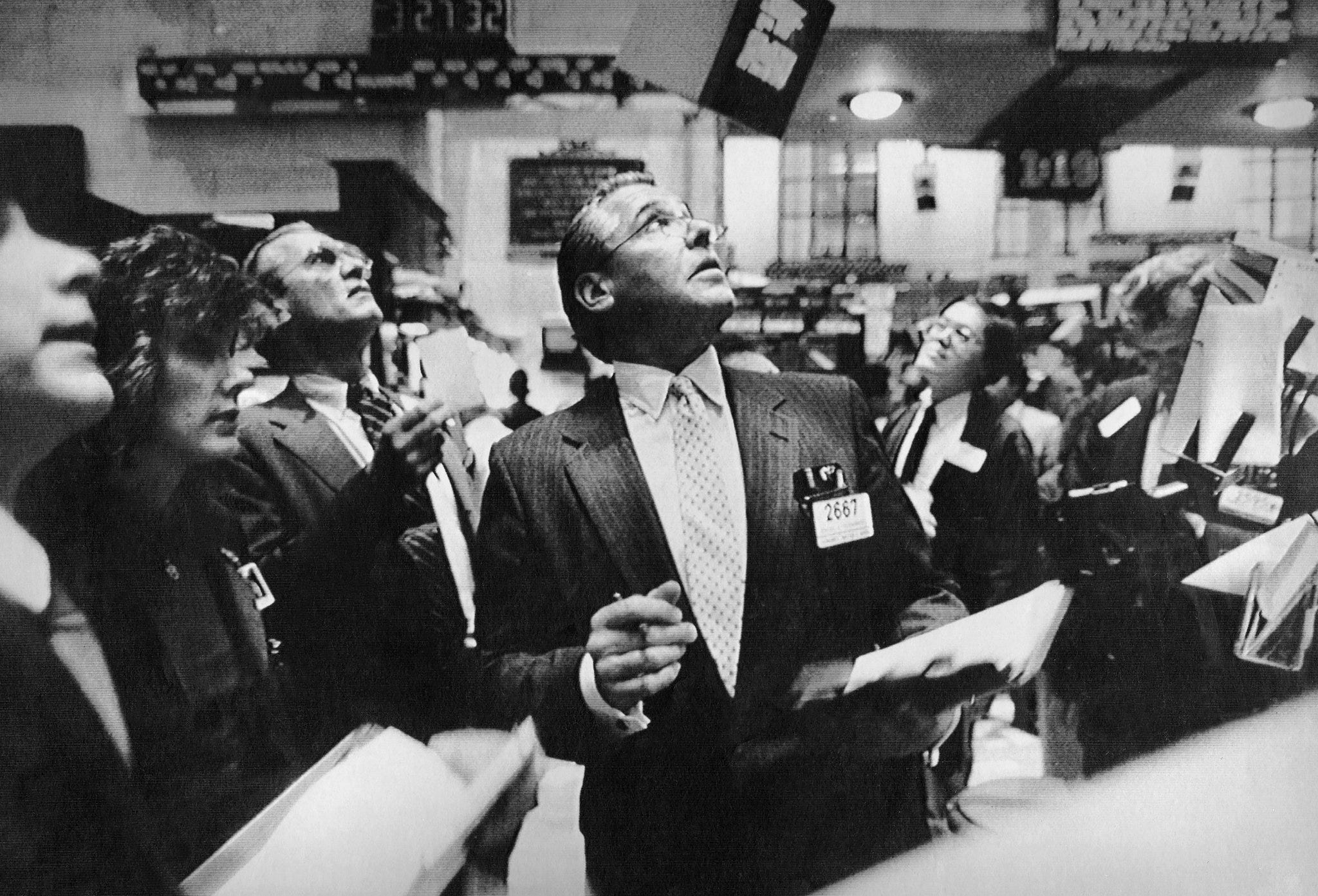
At the same time, the brain relies heavily on context-dependent learning. Experiences are not stored as isolated facts, but as networks linked to places, routines, people, and sensory cues.
Walking the same streets, hearing the same language, entering the same neighbourhood — any of these can reactivate patterns of thinking that developed there years earlier.
This is why someone who has overcome an insecurity may suddenly feel like their younger self after returning to a familiar environment. It is not that they have forgotten their growth. It is that the environment has activated an older network of memories, expectations, and emotional responses.
Which is precisely my own case. The post-Milan observer identity, replaced by the player identity — wired back into my psyche like a pre-Milan version of myself.
This is why changing environments so often feels psychologically transformative. The change is not magic. Nor is it merely novelty. It is the result of interrupting deeply learned associations, and exposing the mind to a different set of daily reinforcements.
When the surrounding culture, pace, architecture, and social expectations align closely with a person’s values, the brain gradually invests more energy in those values — because they are continually rewarded.
But when an environment repeatedly reinforces ways of thinking that conflict with a person’s aspirations, maintaining an alternative mindset requires constant conscious effort. And over months and years, that effort becomes exhausting.
In many ways, choosing where to live is choosing the ecosystem that will most consistently shape the person you are becoming—a truth that popular culture often captures in its purest form.
I. La La Land (2016) — the city that legitimises your dream
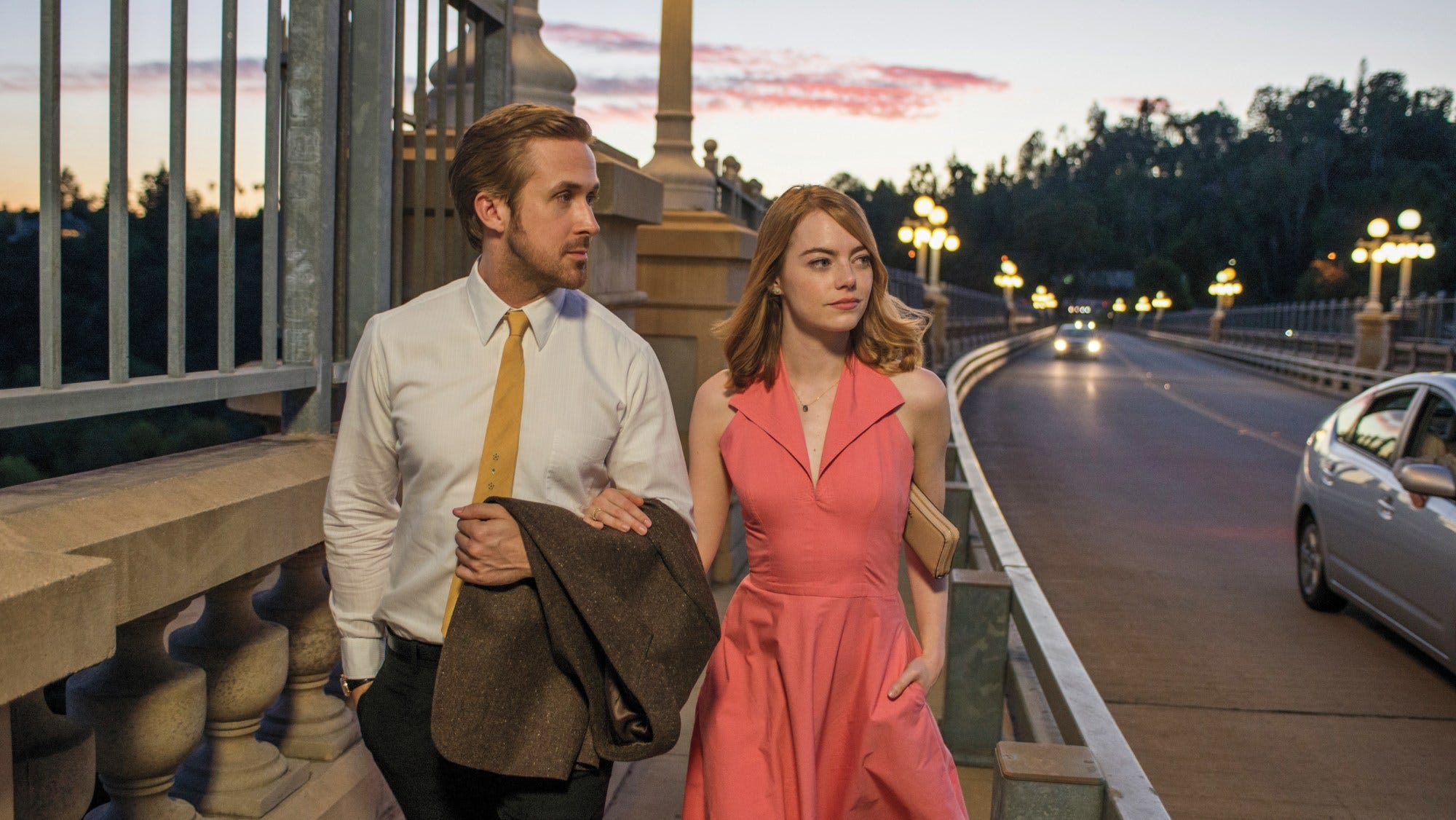
Los Angeles, in this film, is often read as merely the setting. Psychologically, it is an identity amplifier.
Damien Chazelle’s picture — auteur cinema that went mass successfully, in both commercial and artistic terms — tells the story of dreamers. One of them is Mia (Emma Stone): an aspiring actress who spends years in Los Angeles working as a barista, following her dream relentlessly.
If you have seen the film, you know Mia does become an actress. But not because Los Angeles magically grants talent.
She becomes someone who continues to pursue acting, because everything around her says: people like you exist here.
The auditions. The theatres. The conversations. The failures. The successes.
The city normalises the dream.
Had she remained in Boulder City, Nevada — where acting was viewed as unrealistic — her identity would have had to defend itself constantly. Los Angeles reduces that friction.
Psychological principle: Environments do not create dreams. They determine whether those dreams are continually reinforced, or continually questioned.
II. The Devil Wears Prada (2006) — the city rewrites your standards
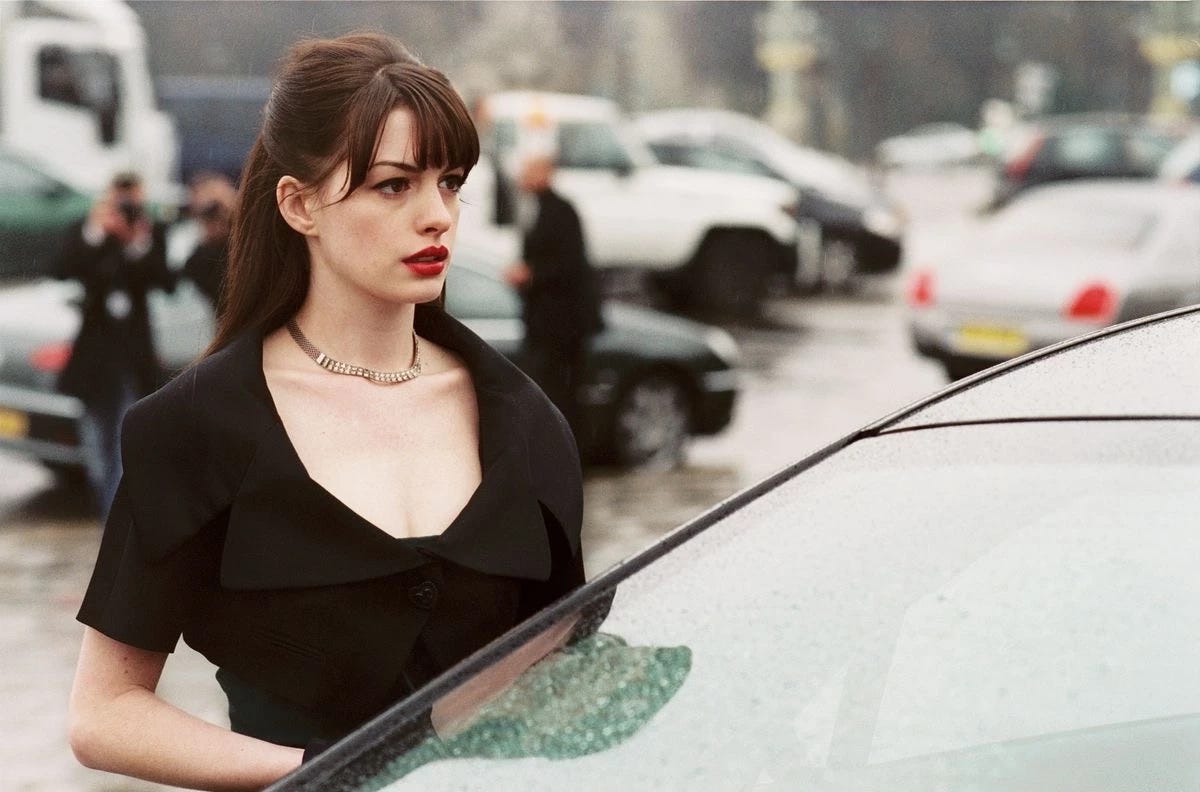
Set in the high-fashion scene of New York, in publishing’s early digital era of the 2000s, the film stands for a melancholic romance and harsh beauty of working life that now survives only as nostalgia.
Andrea (Anne Hathaway) arrives knowing nothing about fashion, and caring less. Then she is wired by New York’s elite ecosystem.
At first, everyone around her seems superficial. Then something fascinating happens.
Without consciously deciding to change, she begins dressing differently. Speaking differently. Prioritising differently. Noticing details she previously ignored. Valuing success differently.
No one sits her down and brainwashes her. Miranda Priestly is a catalyst, not a cause.
The environment does the work.
Though in the end it costs her a relationship — and the thrift-shop eye she came in with. She can no longer see style the way she once did.
Psychological principle: Humans adapt to the norms of the environments they repeatedly inhabit.
III. Midnight in Paris (2011) — the city changes how reality is experienced
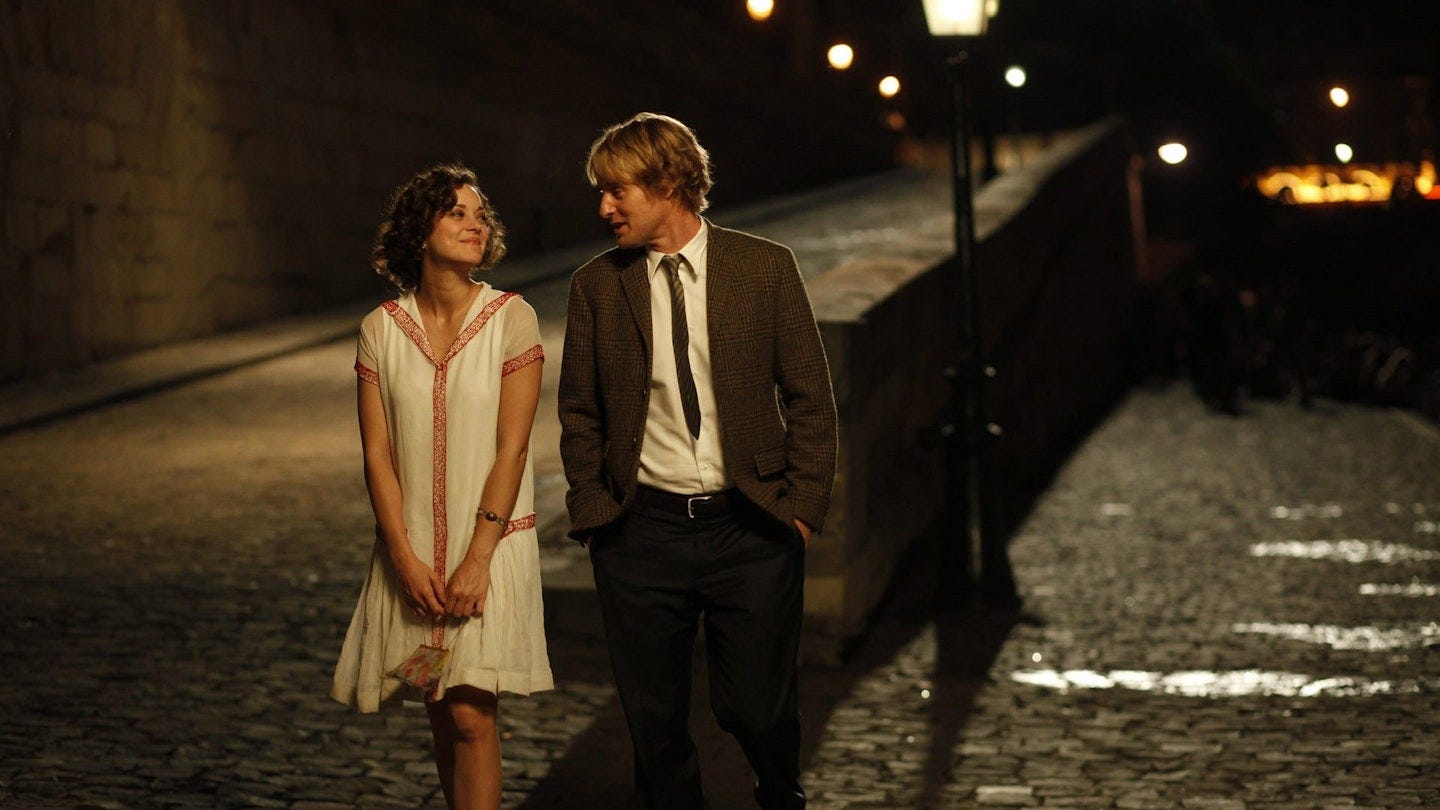
Probably Woody Allen’s most successful piece of the new millennium, and one I surrendered to entirely — the nostalgic ideology, the romanticisation. Gil (Owen Wilson) is a creative who longs for the beauty of a bygone era, and Paris lets him feel it again. With or without the time travel.
The city slows him down.
He walks. He notices architecture. Books. Conversations. Art. His attention shifts from career anxiety toward aesthetic appreciation.
The city does not merely give him new experiences. It changes what his mind pays attention to.
But the important lesson of the film is its ending.
Gil realises that every era romanticises another era. The insight is not that Paris is objectively perfect. It is that perception is always shaped by context — and that idealising another place, or another time, can itself become a trap if you stop examining it.
Psychological principle: Different environments train different patterns of attention. But no environment eliminates the human tendency to idealise what feels distant.
Across all three stories, the city is not a backdrop. It is an invisible character, shaping the protagonist’s identity.
Every city carries its own values, incentives, and social signals. Over months and years, those signals quietly become part of how we think.
In that sense, choosing where to live is like choosing the psychological ecosystem that will most consistently reinforce the person you’re becoming.
And even if the universe has destined you to be far from it, I believe it’s still a worthwhile pursuit—perhaps even a duty to your own soul—to find your way to the places your mind longs for.

The idea of the life lottery — as ridiculous as it sounds — is a reality that dictates many trajectories, from the first breath to the last. Socioeconomics. Network. City. Country. All of them affect your life at some point.
Consider a life born into a middle class in a strong-currency country, with high wages and a high quality of life. That person has more freedom to travel, to eat, to sleep, than someone born into a middle class in a weak-currency country with underdeveloped domestic infrastructure. The happiness and the opportunity that each life has to offer are simply not equal by nature.
Equality, as romantic as it sounds, is an ideal state that is difficult to reach.
And yet — “one must imagine Sisyphus happy.”
Those words from the French philosopher stand for a wisdom I hold onto. Having read both his breakthrough fiction, L’Étranger, and his philosophical statement in Le Mythe de Sisyphe, what I take from them is this:
No matter where you were born — if the situation is not what you desire, even by the universe’s random judgement in placing you there — you can always do something about it.
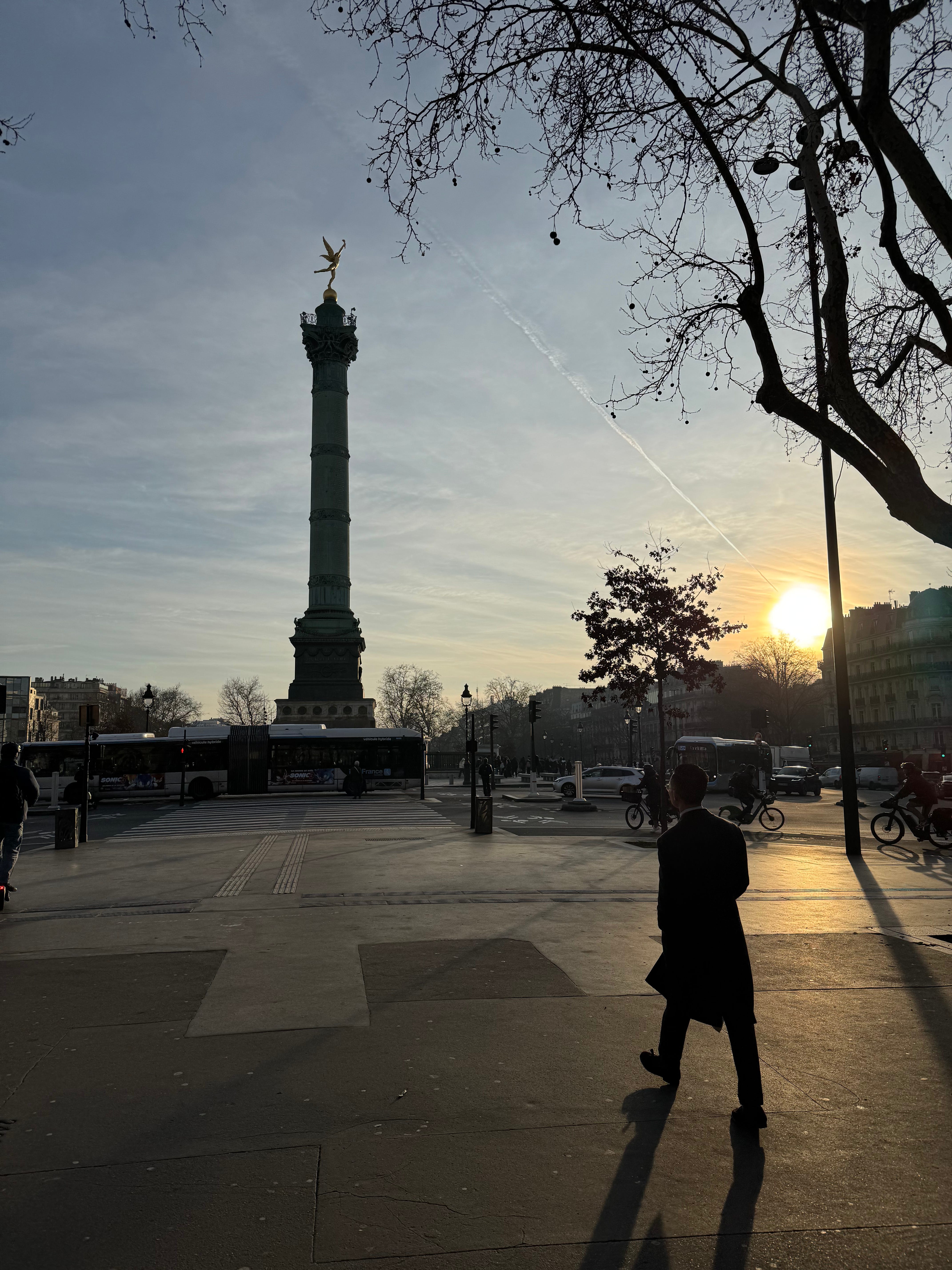
The 2026 world has made this more possible than ever.
Not entirely easy, I admit.
But achievable.
The fact that you, reading this now — we have never met, and are likely separated by thousands of miles — are connected to me through this piece, is itself the evidence. The internet has made geography matter less.
(It still plays a part. Especially in the uglier truth of perception bias around race and ethnicity. But I will leave that here, since delving into it properly would take an entire editorial of its own.)
What I mean is that an individual can now connect globally, and contribute value within the system, in a way that was not previously available. Work that can be done across continents. Conversations that ignite across time zones. Worldviews and perspectives cultivated with fewer gatekeepers — as anyone watching what is currently happening on Substack can see.
So: to work, to explore, to meet new people, and to make a move toward the city that resonates more closely with your own frequency — this has never been easier.
It does not need to be a permanent move.
But if your current environment has begun to consume your soul and numb your perspective — and if you are already aware that it has — then a month or two in an entirely new city, a new continent, a new culture, may be the essential thing. The interruption that breaks you out of the unconscious feedback loop the current place has been running on you.
The definition of a great life varies with how one defines the term. Here at Renaissance Flâneur, it is the purposeful mode of living: the deliberate life, held on one’s own terms, with self-awareness and elegance in moving through time.
The city, as we have covered, plays an enormous role in this.
And in my case — if you were wondering — the time for another European voyage is coming.
I teased this earlier, in the section on Midnight in Paris. There is a reason I wrote that I resonated with, and surrendered to, the nostalgic ideology and romanticisation of the protagonist.
My last time there was only a week. But the emotional appeal of walking along the Seine at midnight during a rainstorm, under an umbrella bought that afternoon, remains ingrained in my memory and in my senses.
It is an eternally romantic city for me. And with some local insight now gathered, I hope to explore the beauty of it, the harsh reality of it, and the actual life of Paris — what the city really is, rather than what it is imagined to be.
Perhaps the coming late-autumn voyage will be another reminder of the city that synchronises with mine.
And perhaps it will take the too-involved player mind out of me once again — and allow me to return, and see Bangkok, this love-and-hate tropical metropolis, as an observer.
And you are what you eat. (ทานข้าวเยอะๆ หน่อยลูก เริ่มผอมลงแล้วนะ)