


I think there’s no need to introduce the fact that modern life is chaotic—and it’s not a coincidence. (I’ve already expressed this perspective in the latest editorial here.)
The matter that you and I both know is the hope to regain ‘structure’ and ‘moment’ within an environment that is always ready to seize our attention at any time. Which results in fragmented action, cluttered routines, and the interruption of flow—whether it’s the moment you want to sit down (or stand up) to do the work, to break away from capitalism’s calling and sit still with yourself or with the people you love, or simply to engage in activities that enrich your skill, character, and depth in life (without needing to worry about a ping on Slack or a personal DM on WhatsApp about some urgent workplace issue).
However, it is also hard to resist that chaotic entropy, especially when the demands of money and productivity never sleep. Sure, if you’re in a specific place—for instance, a small coastal town in Italy, a city in Scandinavia, or a tropical island like Bali—you might be able to embrace life at a more controllable pace more easily than in a big metropolis. But if you are in the urban metropolis, then trust me—you are playing against all odds.
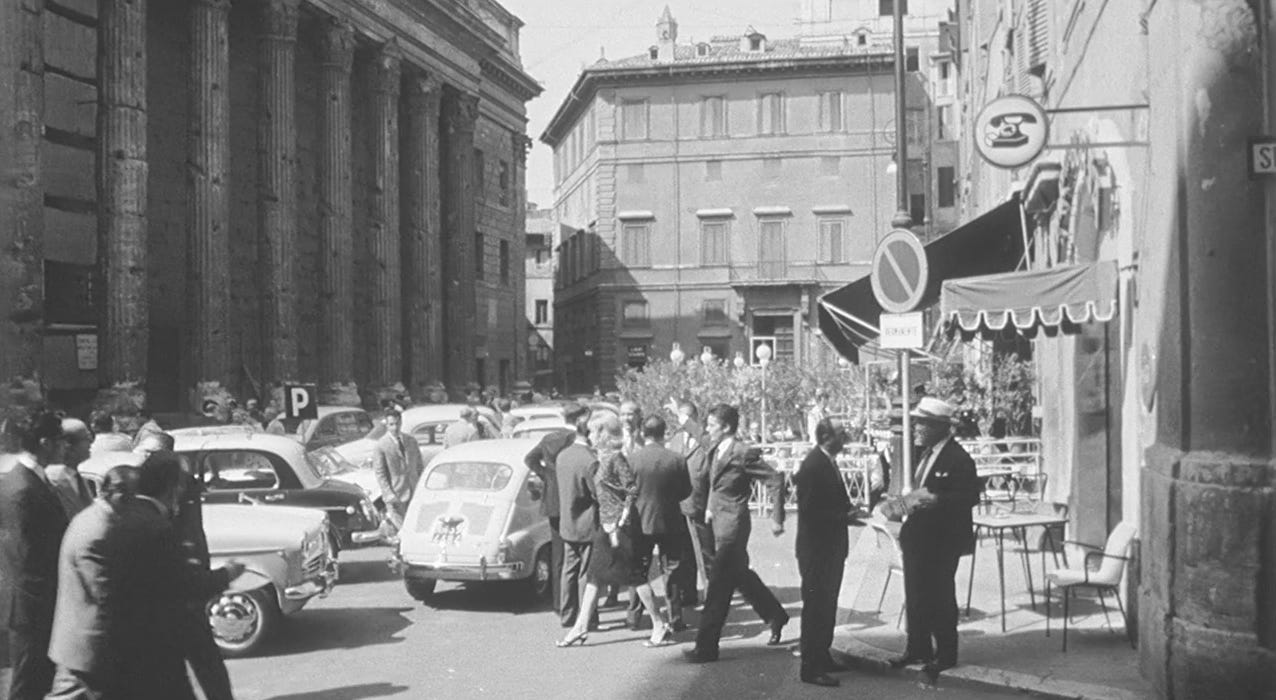
The thing is, while it’s obviously harder to achieve a state of composure, elegance, and a deliberate lifestyle in a metropolitan setting compared to a life on the quieter side of the world—it’s not impossible.
But once you know the ‘taste’ of it—the importance of cultivated elegance in the quality of living—you cannot help but be drawn to the image of being in control: control of the time you wake up, control of how you use your body, the way you eat, and the life you truly want to live—without needing to wait any longer. No matter the price you have to pay to attain that ‘Dolce Vita’ (in an actual sense) in the 2020s and beyond.
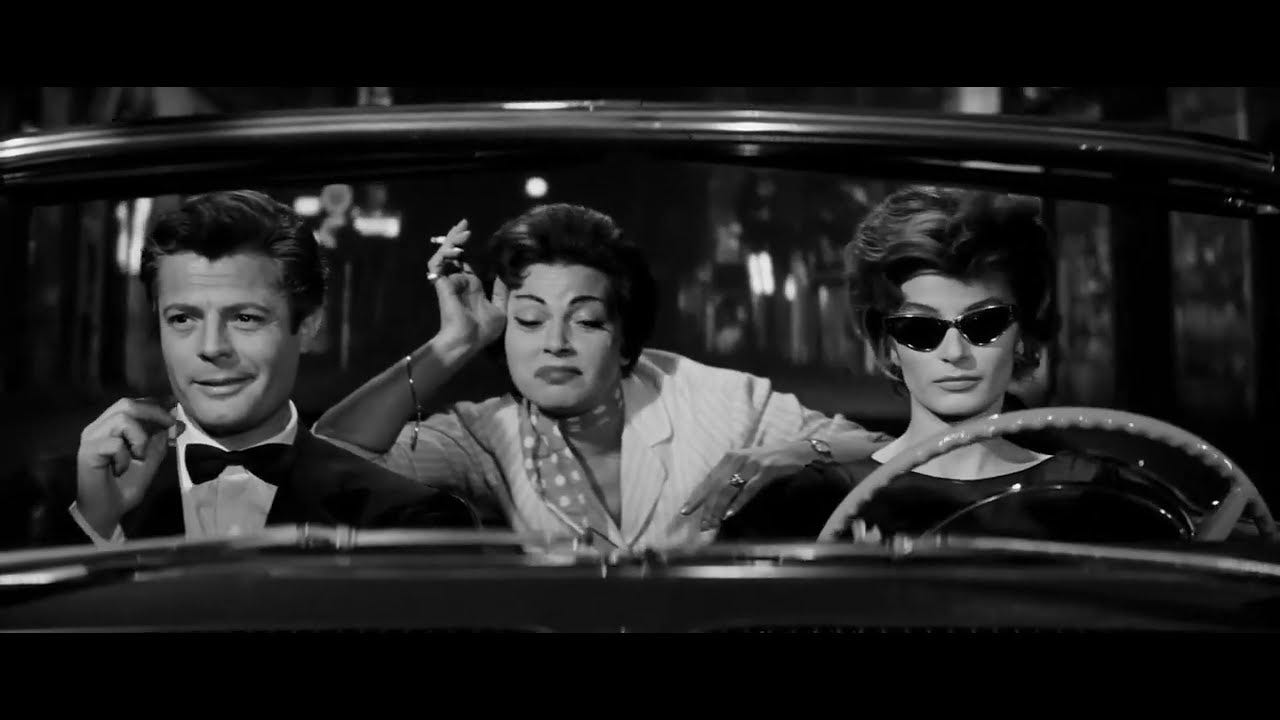
When you imagine the visual of ‘elegance’—what do you see?
A man in tailored garments, sipping a Martini at a classic bar in a century-old hotel?
A woman in a black dress with dark sunglasses, spending time on her own at a café?
A world where restraint is cherished and completeness is achieved without excess?
Elegance is a term that is widely used these days—mostly as a marketing gimmick, for a certain image, a nostalgic act, or another form of vanity display. You can see it in ‘quiet luxury’-like brands that forgo the most important thing that made true quiet luxury brands a hit—‘substance’.
It can also be seen in black-and-white images of the 20th century that spread across Instagram, TikTok, and YouTube, then wrapped up in the ideology of the ‘Old Money Aesthetic’.
The thing is, elegance, when considered at its core, is much simpler than those visuals. If we consider the root of elegance, it actually comes from a Latin verb called eligere, which means “to select.” So to say that it wasn’t really about beauty at all, but about having good judgment and knowing how to pick the right things.
Historically, Cicero, the statesman of ancient Rome, used a related word, elegans, to describe someone with refined taste, especially in speech or writing. Over time, the word passed through French into English, and its meaning gradually shifted.
It began to include ideas of grace, beauty, and style, but it retained that deeper sense of careful choice. That’s why even today, when we call something elegant—like a design, an outfit, or even a mathematical solution—we usually mean it’s not just beautiful, but also simple, effective, and thoughtfully put together.
A lead back to the core of the term, which is “to select.”
However, I cannot disagree with many modern internet nostalgic archives from creators around the world who collect images and icons from the last century—from actors to musicians, to philosophers, to architecture, to designers…all names and faces that haven’t been missed this much—and there’s a reason for that.
Especially figures from the period so-called ‘the Mid-Century.’
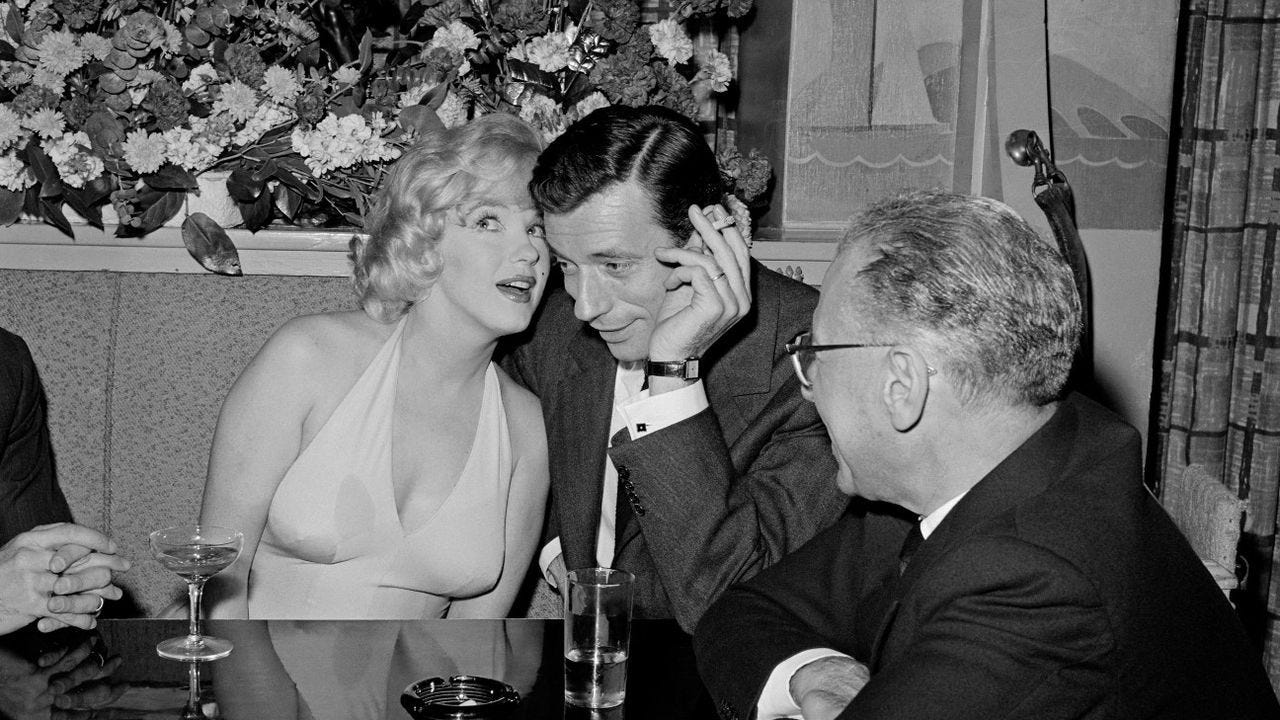
I once wrote a piece on all the reasons why this period, in my humble opinion, is considered the last frontier of elegance.
Basically, it’s an era where this term was treated as a societal norm and a virtue that was still rewarded when cultivated. But as you might guess, when movements like the counterculture hit mankind during the late 1960s, the world was never the same—especially in terms of a strong push against anything that felt imposed or overly formal.
Elegance, which once signaled refinement, began to feel to some like conformity or even restriction. So the cultural ideal shifted—from polish and restraint toward authenticity and self-expression. People started valuing what felt real, raw, and individual over what appeared carefully composed. And as media sped up (television then, and the internet now), and society became more fragmented, there was no longer a single standard of taste for everyone to follow.
So we can put it this way: Elegance didn’t disappear—it simply became one option among many, rather than the defining virtue it once was.
And that’s the rationale behind why Instagram or TikTok accounts that curate 20th-century images—whether old cinema, musicians, designers, or cultural icons—are, in some sense, a response to the modern world.
When culture moves so fast, and everything feels immediate, unfiltered, and sometimes chaotic, images from the mid-century—where style felt intentional, people looked composed, and there seemed to be a shared sense of taste—create a kind of contrast that feels almost surreal, yet still within reach; in other words, a nostalgia for a different pace and a different standard.
Renaissance Flâneur—as I can firmly say—is part of that counterforce, with one crucial idea in mind:
“How should a thoughtful person live well in modernity?”
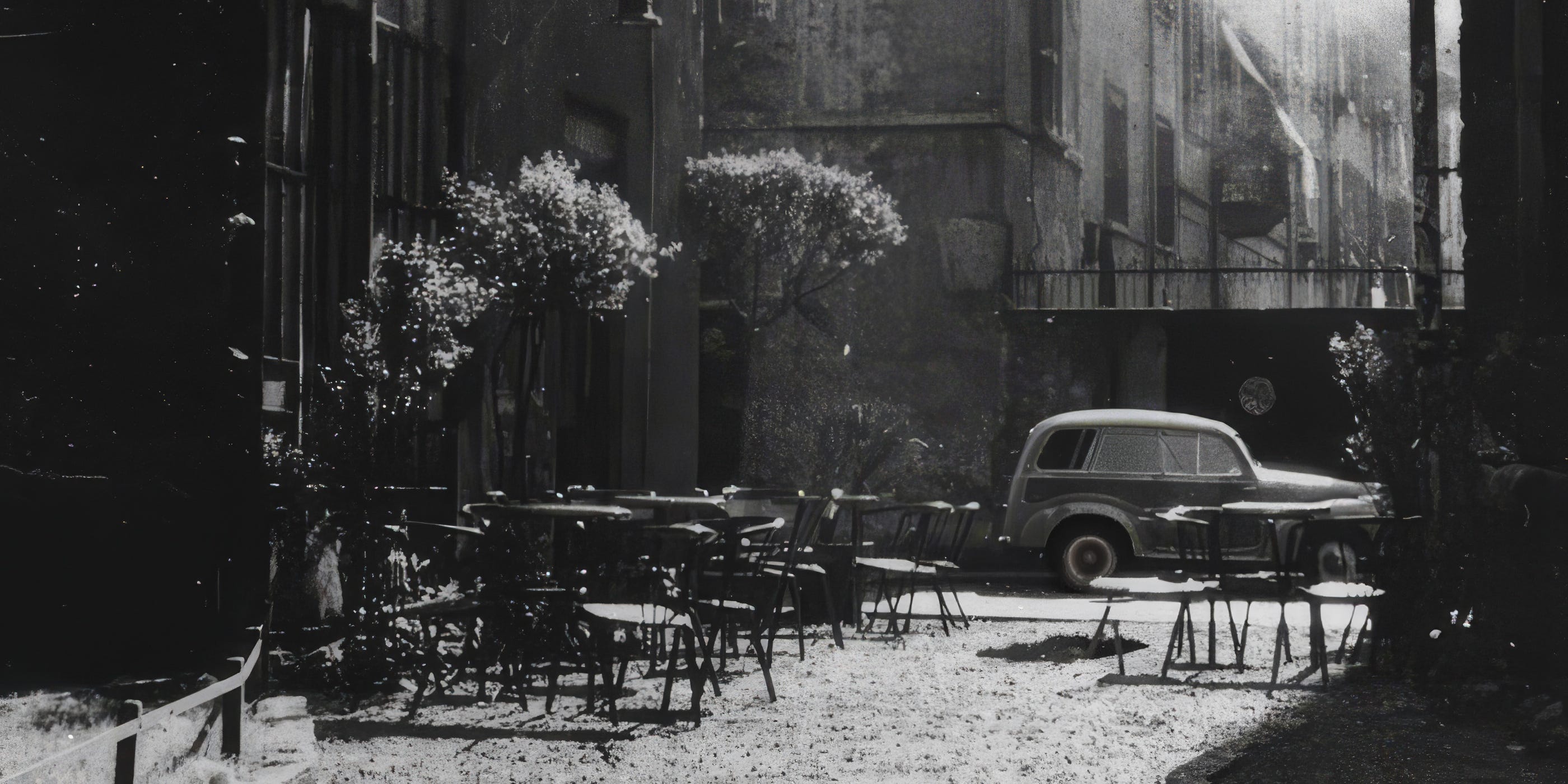
One thing I decided from day one, as the founder of this publication, is that RF must not ‘cherish’ the past without relevance.
Milan has shown me it’s possible to do so.
By staying there, I noticed that even though it’s 2026 and people don’t dress or speak in the manner of the mid-century or earlier—it still holds a cultural weight of elegance. You can notice it in the century-old buildings, the names that stand for a heritage of bourgeois life, the architects that represent many generations, and the atmosphere of the city that quietly ‘whispers’:
“We are still here.”
Depth, a cultivated life, elegant manners, intentional dressing—they do not require you to travel back to a previous century, nor to rigidly stick to those norms and try to make them work exactly as they were in an era where casualness has become the new standard.
All you need is to translate those ways of life into what is happening around you—and these three principles are the answer to that.
Principle #1 - Form through Appearance

This is the beginning of everything—at least in my life trajectory.
If I hadn’t come to know the term ‘classic style’, if I hadn’t developed an obsession and intention toward what I wear and how I want to be while wearing it—I wouldn’t have been able to notice the possibility of a deliberately curated life.
By starting your day—or at least by being mindful of the clothes you wear—you begin to explore the ability to shape your emotional state through the ensemble you choose.
If it’s a Sunday, and you desire to do nothing except stay in your space, do some housework for an hour, and relax with your latest book or a great film—either alone or with someone you love—then wearing an untucked, rolled-sleeve shirt in flannel during winter or linen in summer, with straight-cut trousers and white slippers at home, will do you a favor in reminding yourself that this is a time of pause.
On the contrary, if it’s Monday—if it’s a day where you need to do whatever it takes to enter your most confident state of mind, whether for a crucial meeting or for a date you’re looking forward to—then you cannot go wrong with a tailored piece that makes you feel: “I’m at the best version I can be.” (Of course, with an awareness of the context around you.)
The thing is, I don’t want to frame this as ‘classic style’ as the only way. After years of exploring style and engaging with different cultures from city to city, I’ve come to realize that there are no strict boundaries to this.
I won’t argue that classic garments—those that have stood the test of time and proven themselves over centuries, like shirts, trousers, jackets, and leather footwear—can never go wrong, as I still rely on them every day. However, with greater cultural awareness and attunement to the society around you, it becomes possible to stay in sync with others without sacrificing who you are.
(We will explore this further in next week’s issue.)
In the end, form through appearance is about sculpting your identity—or reflecting it—to remind yourself that you have control in life, in your own language, through the way you dress daily; which is, in many ways, a lost art worth reviving.
Principle #2 - Mind through Narrative

One thing that ignites my eyes with passion every time is a man or woman who possesses substance beyond the surface.
Again, Milan has shown me how ‘alluring’ it is when an individual truly cultivates their mind with knowledge, wisdom, and ideas in their own unique way—whether through art, cinema, or literature…mediums that contain depth within them.
As I’ve already laid out in the latest editorial, our current era is one of the hardest in which to sit still and focus on what requires delayed gratification—what needs time to absorb, and what demands that you stay with an idea in contemplation. However, the one who is able to do so will be the one who thinks and lives differently from the masses.
This is not about snobbish behavior—far from it. It’s not to say that reading the late works of Italo Calvino or the philosophy of Niccolò Machiavelli is a ‘superior status’ to scrolling an Instagram feed (though it may be, in an empirical sense), but rather about a nourished mind—one that serves you far better in life by choosing to engage with mediums that challenge you, require discipline, demand critical thinking, and most importantly, allow you to slow down from the dynamic tempo of your surroundings.
It shifts the way you see things, the way you navigate your relationship with the modern world, and the way you speak with others—a life that shows proof of cultivation through your own words. Speaking of such, there are many forms of wisdom, and if you ask me where to start—cinema is what I would recommend.
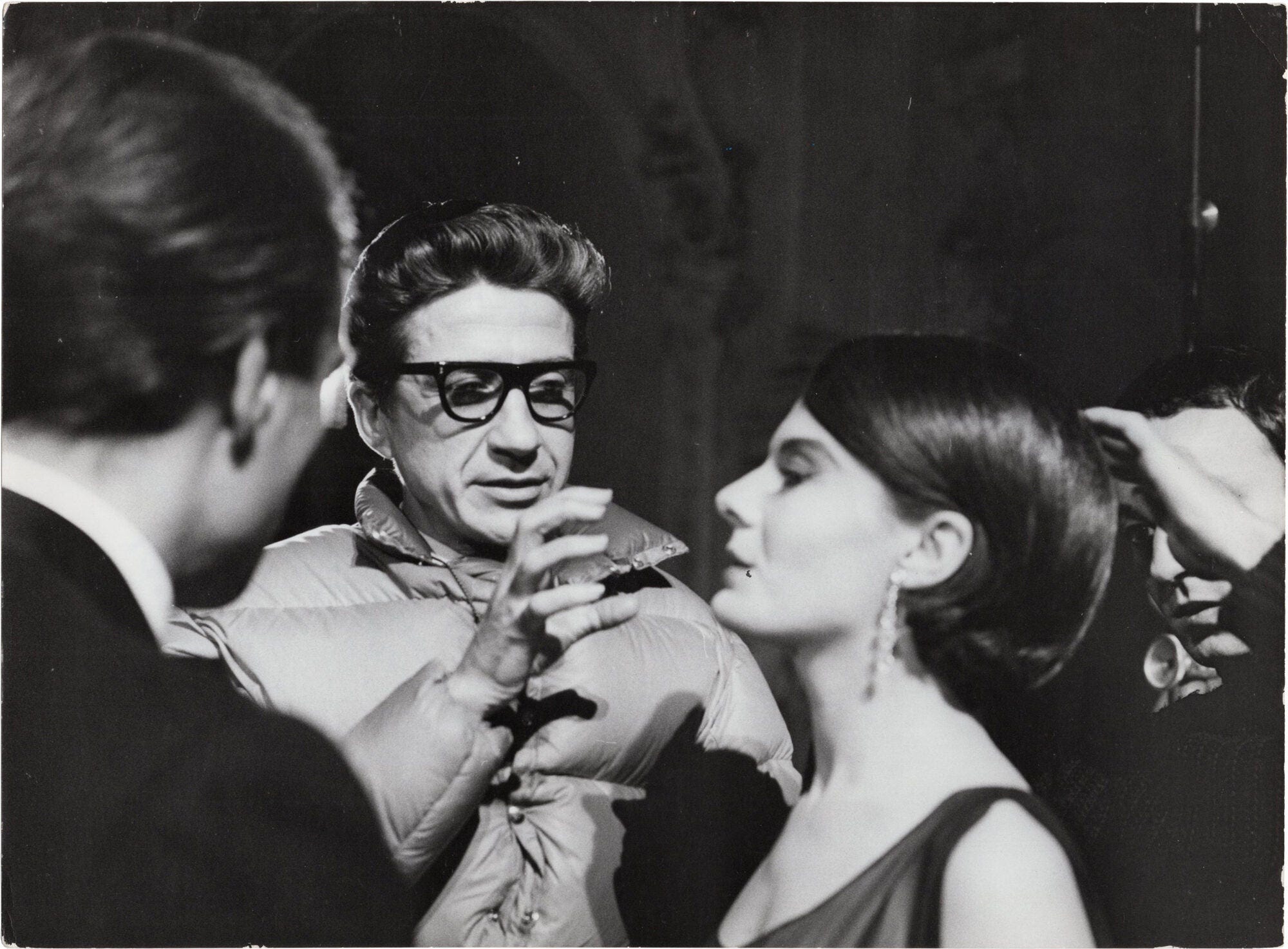
True cinema is more than motion pictures that exist for mere entertainment—it is a way to experience the worldview of an individual, portrayed through hours of narrative. It is meant to give you a pure vision of the creator and allow you to immerse yourself in it—the response, the receptivity, is on your side; and that’s what makes it magical.
Alain Resnais made you see the fragmented remnants of war through the tension of love between two wounded individuals
Martin Scorsese made you feel the life of underworld figures, where nothing is entirely black nor fully white
Alfred Hitchcock made you submit to whatever he wanted you to feel—glamour, obsession, suspicion—all carefully constructed through his lens
Cinema—especially during the mid-20th century—is where my mind first, and perhaps endlessly, expanded into various fields of knowledge: style, history, philosophy, art—they all began with this medium.
No matter which path you choose, make sure it serves as the cultivation of your inner world—even when it is not comfortable to do so.
Principle #3 - Culture through Exposure
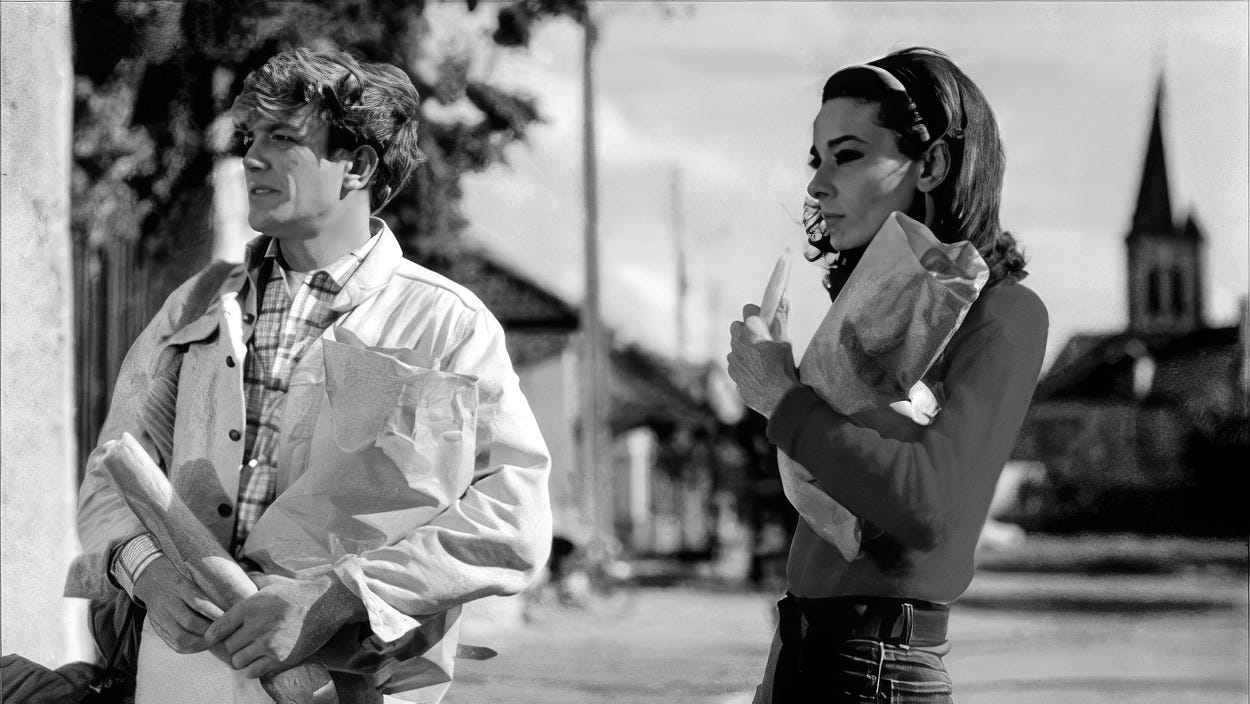
For this, I have already laid it out fully in another piece—so here, I would like to focus on the impact of what happens when you begin to treat travel as cultural observation.
Humans learn through exposure to what surrounds them—every learned behavior begins with encountering something new: a perspective, an idea, a way of seeing. And nothing does this better than placing yourself in an environment that requires you to embrace novelty.
When you travel—when you live, even briefly, in a place you have never experienced before, meeting people of different backgrounds, languages, and ways of life—you gradually absorb these elements and crystallize them within yourself.
A simple reference: Milan taught me the way of luxury, and completely reshaped how I understood the term.
For a long time, I despised it, seeing it as a shallow expression of status. That perception shifted when I witnessed how it actually lived—an elegant signorina in a camel coat from Valentino Garavani, walking casually through her day, or a senior gentleman with slicked-back hair in a navy suit from Kiton, holding a newspaper and sipping espresso at a café on a Sunday morning.
Those images transformed my understanding entirely. I carried that perspective back with me to Bangkok—where the city remains the same, filled with intensity, material energy, and sensory overload—but I now understand that the issue is not the material itself, but the inner quality of the individual and their relationship with what they own.
Had I not been exposed to that way of life in Milan—how luxury truly operates there—I would not have been able to see it as I do now. And this is only one shift. There are many more: culinary traditions, the making of Italian dishes, aperitivo culture, the way of seeing art from classical to postmodern…
All of it happens through seeing travel as a way to absorb culture.
These three principles—I can guarantee by my own hand—serve as anchors for living a deliberate life in our current era. It is about looking to the past, observing more than reacting, and thinking more deeply about ideas as part of everyday life.
And wherever you are reading this, wherever you live in the world—this trio is applicable to you, just as it has been to me.