


“These days, what people really do seek is having—or looking like having—a good taste.”
This is the idea that struck me in the past week when I spoke with one of my lifelong friends—someone I’ve known since childhood.
It seems that the idea of algorithmic culture is not just my personal interpretation after all—the effect appears to extend into something broader than disruptive attention and bombarded information, but also into the idea that:
It’s made personal taste matter more than ever.
You can instantly test that assumption of mine in a very simple manner—open your IG, then scroll through the Discover section for a few minutes, and you will see what I mean.
Instagram, like many major social media platforms, is driven by algorithms with the objective of “making users stay as long as possible”—and nothing is more effective at doing that than this timeless rule of media: “Give people what they want.”
What you see through the feed is feedback that IG traces back to your behavior, curated into something “similar” to it. The result is that you begin to develop an ideology, a visual sense, an AESTHETIC—which gradually takes shape into your “taste.” (One that, more often than not, people will also reconfirm by curating their own social accounts through visuals and words.)
The question is—are you really sure that this so-called “taste,” cultivated through IG feeds, Pinterest boards, and YouTube playlists, is building something truly unique through individuality… or is it just another byproduct of the algorithm?
Because these platforms don’t just reflect what you like; they quietly train it—feeding you patterns, narrowing your options, and rewarding certain choices over others. You end up feeling like you’re expressing individuality while actually selecting from a refined menu that millions of others are also drawing from.
While the preferences and curation you get from these platforms are not fake, they are also not fully independent.
The reality is—the more polished and consistent your taste appears, the more likely it is that it aligns perfectly with what the algorithm already knows how to amplify.
So the question is—is it possible to develop an actually “great taste” for yourself without relying on the algorithm? And is it even something that matters, in depth and essence, to life in the first place?
Ladies and gentlemen, if that is what you’re curious about, then allow me to introduce you to the ideology of “Taste”—especially in the new millennium, and why it matters more than ever.
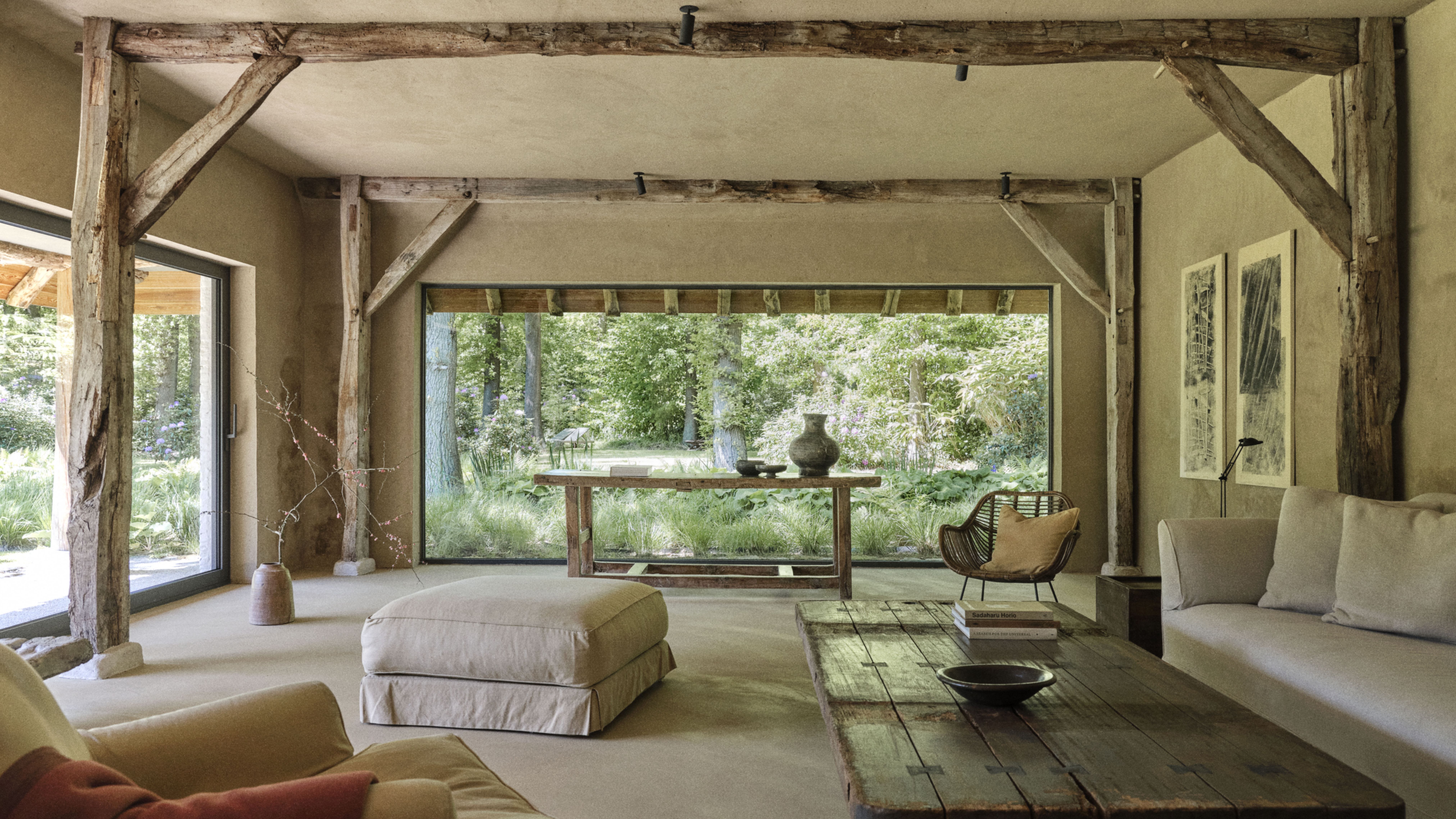
“Taste = the ability to select, sequence, and contextualize signals in a way that feels meaningful to others.”
However, in the algorithmic era—where reality exists less in the physical world and increasingly in the digital—the idea of these “signals” has been diluted into something more performative than grounded in real presence.
And the empirical case requires no further search than the IG profile—especially among Generation Z. Lately, I’ve found myself somewhat sympathetic toward them. (since if we’re speaking in chronological terms, I am still part of this generation—albeit at its very early edge).
What you can observe when scrolling through Gen Z profiles—though this varies depending on the culture they were raised in—is a pattern: some present themselves through images blended with “art,” others through trendy iPhone portraits set against exotic locations. But regardless of the form, they all serve a common purpose:
Signaling meaning to others—to demonstrate, express, and declare to the world:
This is Who I Am.
Very human, indeed.
Yet, as I hinted earlier in the illusion of taste in the current era, there is a strong possibility that what is presented as “taste” on social media is merely a beautiful surface without substance beneath it.
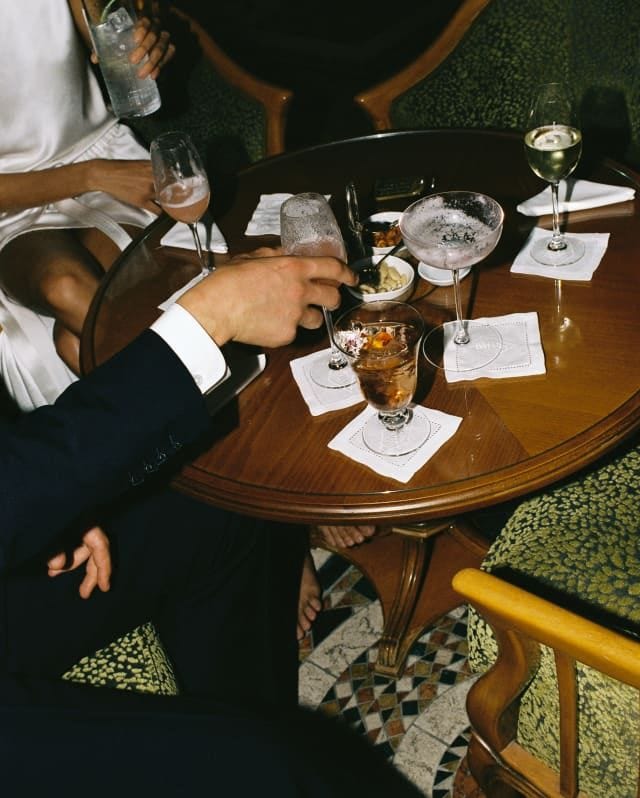
For instance, consider a pattern I’ve observed within certain Gen Z social circles I’m familiar with. (If you struggle to picture it, I would describe it as a clear example of fabricated taste at its finest.)
Driven by materialist cultural forces, it manifests as a pursuit of the “good life” through appearances—objects, places, and activities that signal success in a capitalist framework—without deeper awareness or appreciation of what those things actually represent.
They cannot truly appreciate the wine featured in a fine-dining post
They do not engage with the cultural depth of the cities or places they proudly use as backdrops for their portraits
Of course, I am not suggesting that anyone who posts their meals or travels is inherently shallow or fabricating taste.
But if you pay close attention, you can often sense the difference—through the visuals and the feeling of a profile—whether there is substance behind the style or not.
Now, the central point I want to make is this: the idea of “taste” has always gone beyond vanity or self-presentation. While it often manifests that way—and understandably so—there is a deeper rationale beneath it. No one wants to stand out awkwardly like a purple cow, yet at the same time, everyone desires a sense of individuality and belonging.
Taste—especially a refined one—offers exactly that.
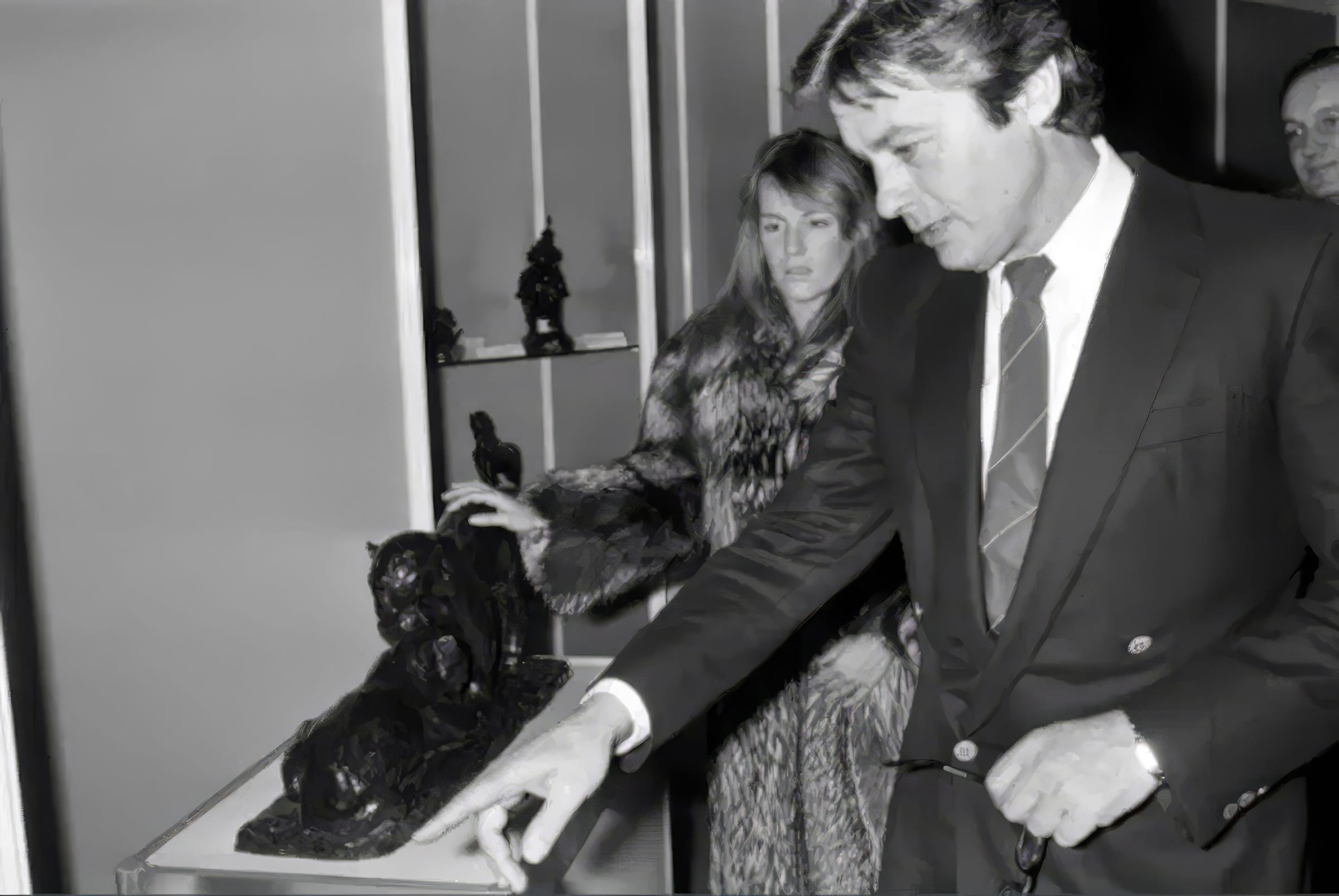
There’s a French term that holds an iconic status and serves as a kind of noble quality ingrained in Parisian culture—“Le Savoir-Faire,” or “know-how” in English. What it means by “know-how” is not something tied to a specific skill, but rather a way of navigating life itself.
While I have not yet experienced long-term living or deep cultural immersion in Paris, from what I sensed during a brief week of visiting (along with plenty of Nouvelle Vague cinema), the idea of “selecting, sequencing, and contextualizing signals in a way that feels meaningful to others” is something they truly embody. In other words, they cultivate what we call “taste” as a central part of their culture.
Take something as simple as hosting an apéritif.
It looks effortless, but nothing is random. There aren’t ten dishes competing for attention—just a few elements chosen with intention, served in a natural rhythm, and shaped around the mood of the people at the table. The ham comes from a trusted butcher. The wine matches the dish. The cheese is seasonal. Every element reinforces a quiet message: “This moment matters, and I shaped it for you.”
The same logic appears in how people dress.
What looks casual is actually controlled restraint—neutral tones, clean lines, one subtle focal point. Nothing tries too hard, yet everything communicates something. Someone walks through Le Marais wearing jeans, a blazer, neutral shoes. It appears accidental, but that is precisely the intention. Their style is about being understood without explanation.
Even sitting at a café follows this pattern.
It’s not about rushing in for caffeine; it’s about choosing a moment, slowing it down, and engaging with the environment as if it carries meaning. Order, sit, sip slowly, observe. No rushing, no phone obsession. In contrast, cities like New York City often treat coffee as fuel for productivity. In Paris, coffee is life itself.
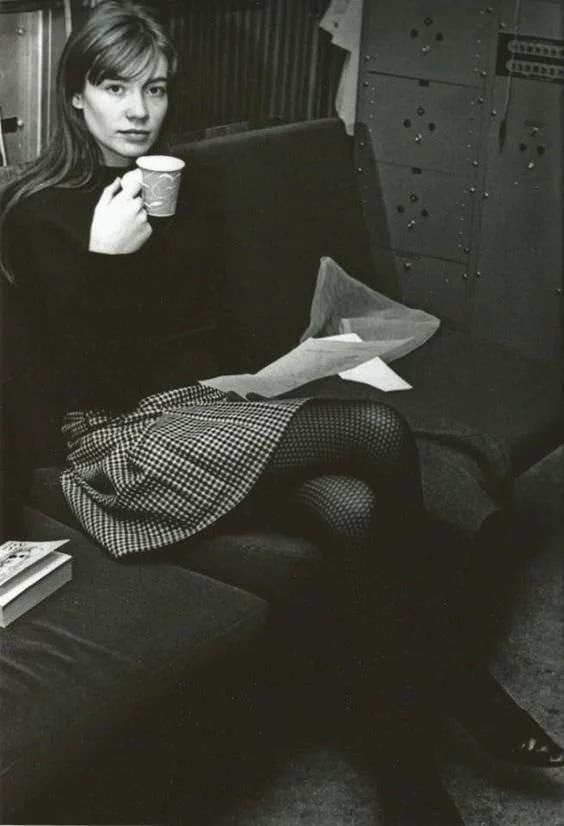
What’s really happening is a form of disciplined awareness, where one carefully selects what matters, arranges it deliberately, and places it in the right context so it feels meaningful to others. That is why “taste,” in the sense of le savoir-faire, becomes so central in French culture.
Because it is about filtering reality and presenting only what is worth attention.
And the uncomfortable truth is this: most people do not lack taste—they lack the patience, exposure, and discipline to refine it. Which leads to the absence of a currency known as “cultural capital.”
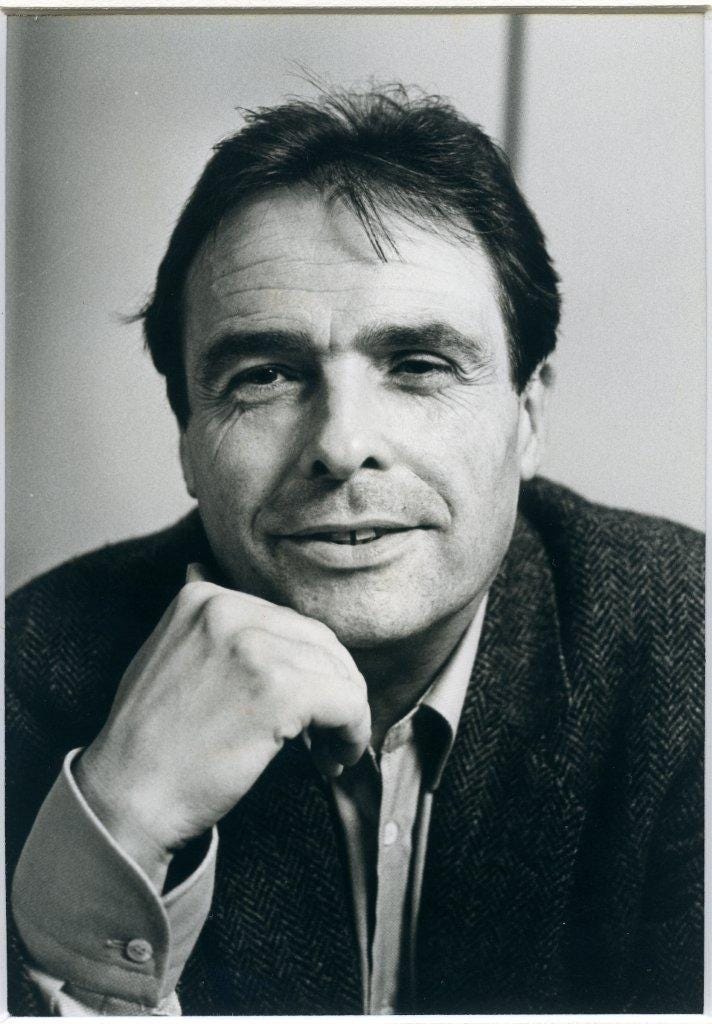
“Taste classifies, and it classifies the classifier…” — Pierre Bourdieu
When people fail to develop the ability to select, sequence, and contextualize what they present to the world, they lose more than refinement—they lose access to something deeper: cultural capital. Not in the superficial sense of knowing “fancy” things, but in the ability to participate fluently in environments where meaning is constructed through subtle signals.
And in spaces where status is determined by those signals, “taste”—as a producer of cultural capital—can carry more weight than monetary capital expressed through surface-level objects and experiences.
Cultural Capital, as Pierre Bourdieu described it, is encoded knowledge: how to speak, how to host, how to dress, how to read a room, how to make choices that signal awareness and belonging without explanation.
Without it, one becomes effectively invisible in spaces that operate on these codes.
Which also means being confined to environments where value must be explicit, loud, or transactional—because there is no access to the quieter currency of perception, nuance, and timing.
This is why old-world heritage cities and modern global metropolises feel so different—they operate on entirely different currencies.
In cities like Paris or Rome, status is built on cultural capital—the kind described by Pierre Bourdieu—an ability to filter, interpret, and express meaning through subtle, coherent signals. The less one tries to impress, the more credible one appears.
In contrast, metropolises like New York City, Bangkok, or Dubai run on attention capital, where visibility itself becomes the primary measure of value. There, it is not about being deeply understood, but instantly recognized—meaning louder, clearer, and more repeatable signals tend to win.
However, ladies and gentlemen, I would offer this statement:
No matter the society you live in, truly cultivated taste—what the French call le savoir-faire—will always serve you, because it operates at a deeper level than trends or status systems.
It shapes how you perceive the world, how you filter what matters, and how you organize your choices into something coherent. Internally, it gives you clarity—you are no longer overwhelmed by noise or pulled in every direction. You develop precision in attention, an instinct for what to engage with and what to ignore.
Externally, it shapes how others experience you—even in environments that do not explicitly value refinement.
In some places, it translates directly into status.
In others, it works more subtly, shaping trust, credibility, and opportunity over time.
In an attention-driven culture, it allows you to resonate without becoming noise.
In a culture built on cultural capital, it allows you to move with fluency and depth.
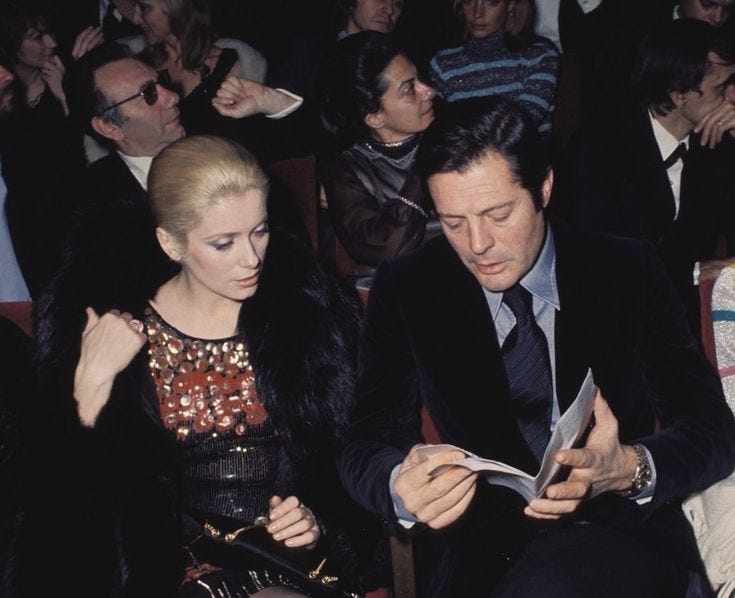
This combination is what creates iconic figures and timeless allure—as seen in the mid-century. Wherever they went, they knew how to navigate. Clear perception, disciplined choice, and contextual awareness—these remain valuable in any environment, whether immediately recognized or not.
Which leads to the final idea we must clarify:
“If taste is more than vanity, then how do we truly cultivate it in the age of the algorithm—one that depends less on it, and remains genuinely distinct?”
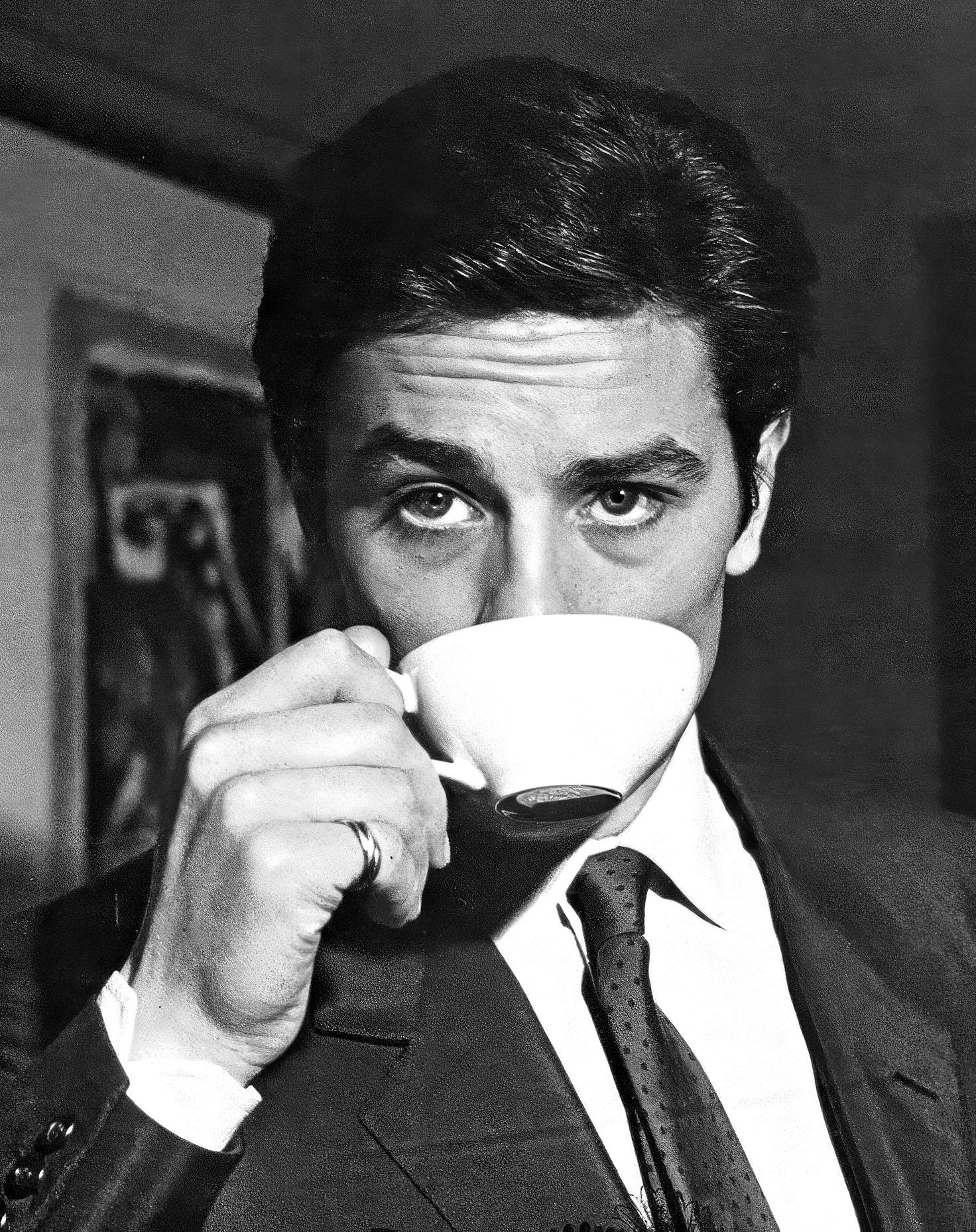
In the life you’ve been given—this current existence—you only have one chance. Whether you believe in an afterlife or rebirth or not, you only live once, and it would be a shame not to live up to it.
At least, that’s the idea I’ve held onto since moving past my teenage years. And the consequence of doing so is that you will become…different.
The good news is—that’s the first step in cultivating your own taste.
While it is almost impossible to completely avoid the algorithm today, you are still able to curate your life through other components beyond it.
One thing I want to make clear before going further is this: no matter how distinct your taste becomes, it is a noble pursuit to balance that distinctiveness with fluidity in your social world.
Because that is what elegance is, isn’t it?
Putting others at ease through self-assurance, respect, and grace—without needing anything from them.
An empirical example I can offer is the way of dressing—something I once explored in an editorial written during my time in Milan last winter.
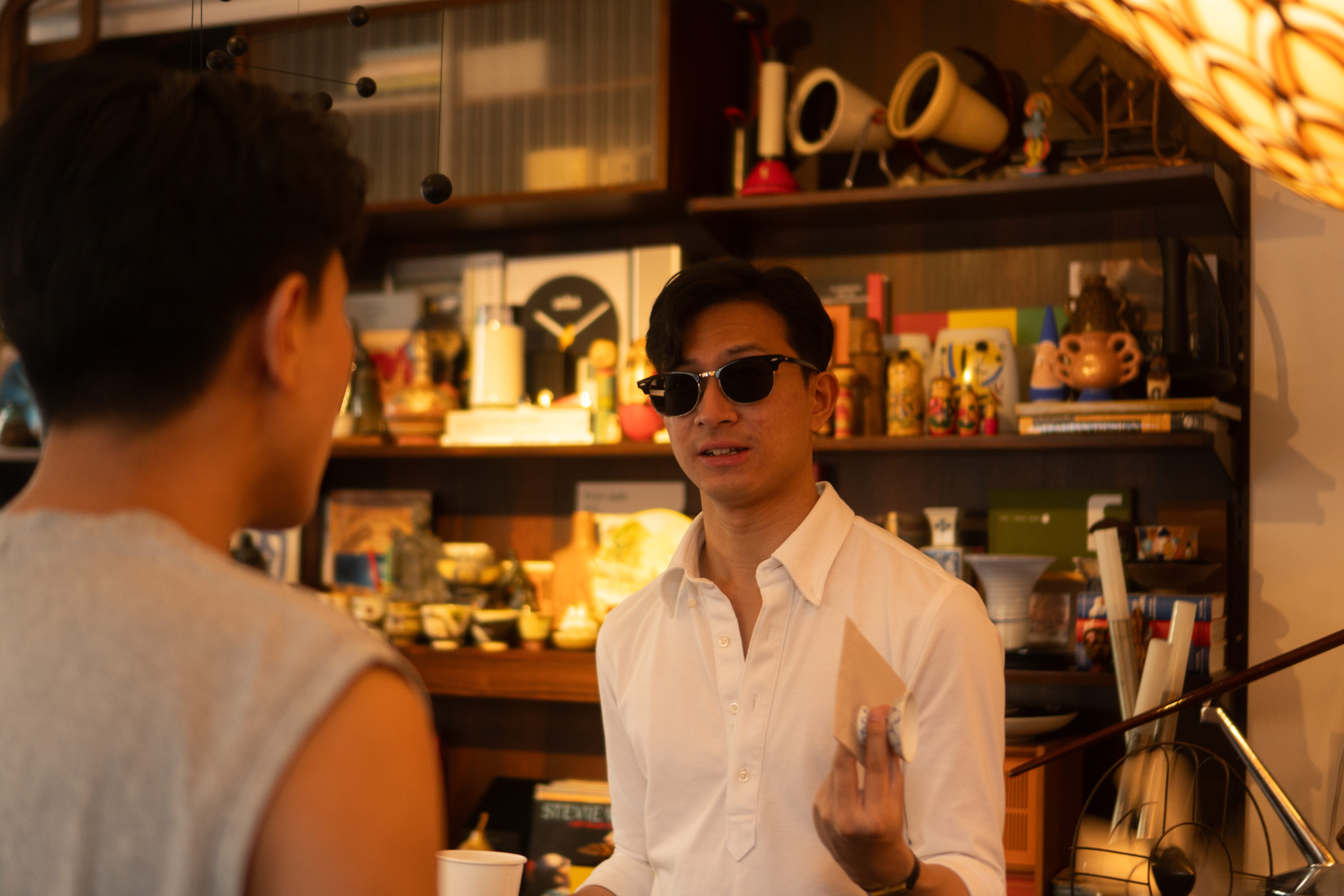
For a long time, I never questioned or fully understood the stylistic language of Bangkok. I used to dismiss it, believing the city had no taste, no space for elegance—no place for the kind of style I admired: jackets, leather footwear, wool as a daily uniform. It wasn’t until I brought that style to Milan that I finally felt a sense of attunement—style in harmony with its environment.
And that led to a realization:
“Of course tailoring works in Milan. It is a city shaped by centuries of fashion, design, and craftsmanship—a cultural capital where such expression belongs.”
But what about Bangkok? What is the stylistic language of this metropolis?
Now, I’ve come to understand it—and, in a sense, finally achieve elegance in my own way. Not by imposing a foreign aesthetic, but by blending my personal taste with the casualness, dynamism, and fashion-forward energy of the city.
So, if there is one essential step I can offer in developing your own taste, it is this: introspection.
Yes, it sounds cliché—almost self-help in tone—but in reality, most of what shapes my choices—how I dress, the films I watch, the music I listen to, even the creation of Renaissance Flâneur itself—comes from self-awareness.
Which leads to a question I’ll leave with you:
“If nobody could see or judge my choices, would I still choose the same things?”
Bring that question into your daily life, into everything you choose to do—and you will begin to filter what truly matters from what does not.
Or more simply: what remains?
That is where real taste begins.
Now, here is the method of cultivation I’ve found most reliable: engage deeply with things that demand attention, time, and effort—things that are not easily consumed.
Platforms like Pinterest or Instagram offer pre-curated conclusions. They train you to replicate what has already been validated. But authentic taste develops through direct encounters—with reality, with constraint, and with friction.
For me, engaging with challenging material—whether difficult books, slow cinema, or any craft that requires judgment and editing—is essential. Because that is where you learn to decide what matters.
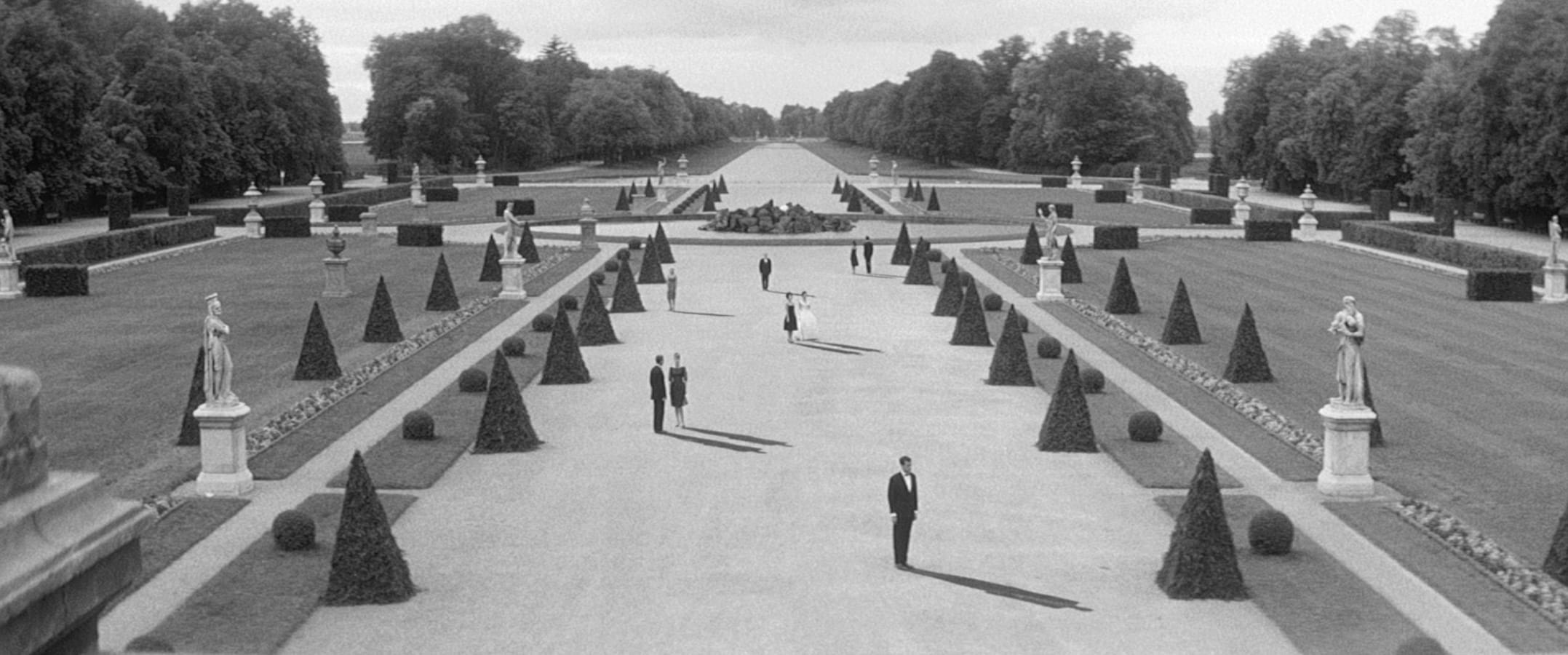
Films from European directors of the 1960s, such as Federico Fellini, Michelangelo Antonioni, Alain Resnais, and Jean-Luc Godard—they immerse you in narrative depth, human complexity, and a certain existential elegance that lingers far beyond the screen.
Tailoring—especially sartorial craft or even haute couture—demands an understanding of history, technique, and aesthetic judgment that shapes both the wearer and the creator.
Gastronomy allows you to understand culture beyond flavor—into rhythm, lifestyle, and the way people inhabit time.
Books from thinkers such as Italo Calvino, Friedrich Nietzsche, Niccolò Machiavelli, and Ernest Hemingway—while their lives were far from perfect—offer direct access to thought, experience, and perspective that refine one’s own.
All of these transform passive preference into genuine discernment.
You no longer think in terms of “what looks good” or “what should I choose,” because your perception has been trained to recognize proportion, timing, and context instinctively.
Which brings us back to what the French mean by le savoir-faire: not knowledge you can easily explain, but an embodied ability to act appropriately in the moment.
Instead of reacting or copying, you begin to move with precision—you enter a room and adjust naturally, you speak and reveal just enough, you choose and arrange things with coherence, without overthinking.
In other words, taste stops being something you have and becomes something you do—fluidly, and contextually.
That is when your real taste emerges.
What distinguishes a person with taste is not what they own or display, but what they perceive. They see the selection behind what appears, the context that gives it meaning, and the coherence that holds it together. Where others see surfaces, they see decisions—what was chosen, what was rejected, and why it fits.
And once you begin to see this, you cannot return to seeing things the same way again.